
> Basic Biology Concepts > Cell Structure and Cellular Organization > Propelling Life: Cell Division for Growth and Repair
Propelling Life: Cell Division for Growth and Repair
Unlock the secrets of life's perpetual renewal. Every breath, every movement, every moment of healing—it all hinges on an invisible, relentless process: cell division. Far from a simple biological event, it is the fundamental engine driving all multicellular life, a testament to the intricate choreography within our very being. We forge our understanding of existence by dissecting these microscopic marvels, revealing how a single cell orchestrates the grandeur of an organism.
This deep dive will surgically expose the critical role of cell division, particularly mitosis, in building, maintaining, and repairing the complex architecture of biological systems. We will journey from the initial spark of life, through the continuous cycles of growth and development, to the remarkable mechanisms that mend wounds and rejuvenate tissues. Prepare to decode the cellular blueprints that define health and resilience. Master the principles of cellular proliferation, and elevate your comprehension of fundamental cellular processes, enriching our comprehension of fundamental cellular processes. This isn't just biology; it's the operational manual for life itself. We seize this knowledge to optimize our grasp of biological vitality.
The Unyielding Mandate: Why Cells Divide
Every living organism begins its journey as a single cell, or a collection of cells, destined to multiply and differentiate into the vast complexity we observe. This initial proliferation, and indeed all subsequent growth and repair, is dictated by the unyielding mandate of cell division. At its core, cell division is a biological imperative, ensuring the continuity of life, the expansion of form, and the meticulous maintenance of existing structures.
We distinguish primarily between two forms of cell division: mitosis and meiosis. While meiosis is dedicated to sexual reproduction, generating gametes with half the chromosomal complement, mitosis is the architect of growth and repair, producing two genetically identical daughter cells from a single parent cell. This precision ensures that every new cell carries the exact same genetic instructions as its predecessor, vital for maintaining tissue identity and function. Without this flawless replication, the integrity of an organism's blueprint would rapidly degrade.
Consider the sheer scale: an adult human body comprises trillions of cells, all stemming from a single zygote. This staggering numerical increase, along with the precise spatial arrangement of cells into tissues and organs, is a direct consequence of controlled mitotic divisions. It is a continuous, highly regulated process, where cells progress through a defined cell cycle—Interphase (G1, S, G2 phases for growth and DNA replication) and the M phase (mitosis and cytokinesis)—ensuring that each division is not only successful but also perfectly timed. We analyze this cycle to appreciate its meticulous control.
Orchestrating Growth: Mitosis in Development and Expansion
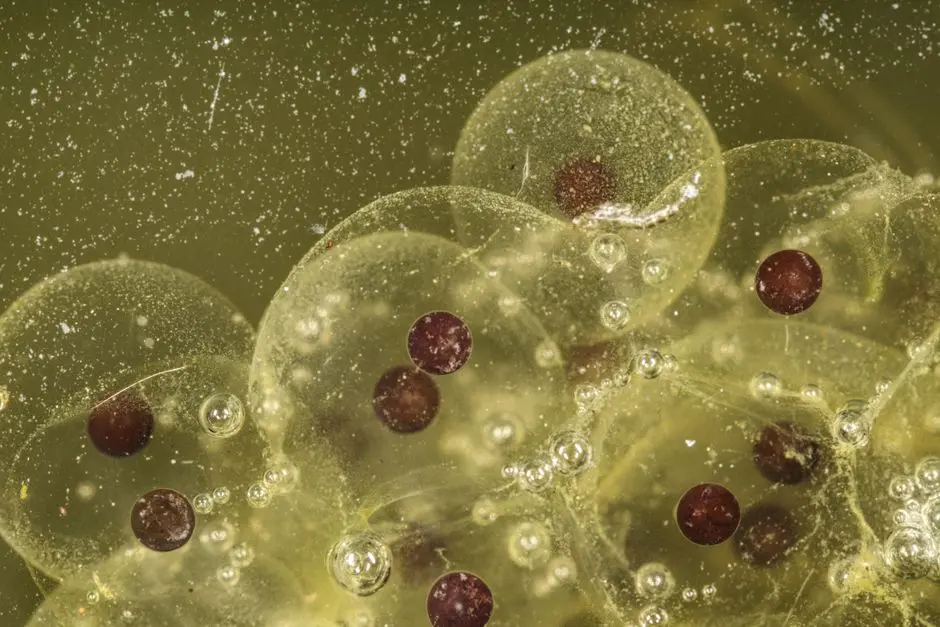
Mitosis serves as the master orchestrator of growth, from the earliest stages of embryonic development to the incremental enlargement of tissues and organs throughout life. Immediately following fertilization, the zygote embarks on a rapid series of mitotic divisions, known as cleavage, which dramatically increases the number of cells without increasing the overall size of the embryo. This initial burst of proliferation lays the groundwork, producing a multicellular structure that will eventually differentiate into all the specialized tissues.
As development progresses, mitosis continues to drive the increase in organismal size. In a growing child, for example, long bones lengthen, muscles expand, and organs enlarge primarily through the continuous production of new cells via mitosis. This isn't merely about adding more cells; it's about adding the right cells, in the right place, at the right time. Specialized cells, like stem cells and progenitor cells, are crucial players here, maintaining populations of rapidly dividing cells that can replenish various tissues and fuel overall growth. These cellular reservoirs are strategically deployed.
The regulation of these mitotic divisions is exquisitely precise. Growth factors, hormones, and cell-to-cell communication signals act as biological conductors, ensuring that tissues grow to the appropriate size and shape. Uncontrolled or insufficient growth can lead to developmental abnormalities or impaired organ function. We identify these regulatory checkpoints as prime targets for understanding health and disease, recognizing that precise cellular replication is the bedrock of developmental success. We actively pursue the mechanisms that ensure this perfect balance.

The Architecture of Repair: Cell Division for Healing and Renewal
Beyond growth, cell division is the indispensable architect of repair, a constant, silent process of cellular renewal that underpins our very survival. Our bodies face a barrage of stresses daily—physical injuries, pathogen attacks, and the inevitable wear and tear of metabolic activity. Cell division, specifically mitosis, stands as the primary mechanism for replacing damaged, old, or dead cells, thereby maintaining tissue integrity and function.
Consider the process of wound healing. When skin is cut, a complex cascade of events is triggered. Fibroblasts and epithelial cells surrounding the injury site undergo rapid mitotic divisions to produce new cells, forming granulation tissue and eventually closing the wound. Without this robust proliferative response, even minor injuries would become life-threatening. Similarly, the lining of our digestive tract, constantly exposed to harsh conditions and rapid cellular turnover, completely renews itself every few days through relentless mitotic activity. Blood cells, like erythrocytes and leukocytes, also have finite lifespans and are continuously replaced by the mitotic division of hematopoietic stem cells in the bone marrow.
The efficiency and effectiveness of this repair mechanism are paramount for health. Impaired cell division, due to factors like aging, genetic mutations, or disease, can lead to delayed wound healing, compromised immune function, or tissue degeneration. We recognize that optimizing these intrinsic repair pathways offers powerful avenues for health interventions, leveraging the body’s innate regenerative capacities. Our focus is to decode and enhance these critical repair processes, ensuring robust biological resilience.
Precision and Control: Regulating the Cellular Engine
The seamless execution of growth and repair through cell division demands extraordinary precision and tight control. The cell cycle is not a free-for-all; it is a meticulously regulated sequence of events governed by a complex network of internal and external signals. Cell cycle checkpoints, like critical junctures, monitor the cell's internal state—checking for DNA damage, ensuring proper chromosome alignment—before allowing progression to the next phase. These checkpoints prevent the propagation of errors, safeguarding genetic integrity.
Key regulatory proteins, such as cyclins and cyclin-dependent kinases (CDKs), form intricate complexes that drive the cell through its various phases. Their precise activation and deactivation ensure that events occur in the correct order and only when conditions are optimal. Growth factors and hormones from outside the cell also play a vital role, signaling cells to divide when tissue repair is needed or growth is appropriate. Conversely, contact inhibition prevents cells from overgrowing and piling up, ensuring tissues maintain their correct architecture.
The consequences of losing this precise control are profound. Uncontrolled cell division, often resulting from mutations in genes that regulate the cell cycle (proto-oncogenes and tumor suppressor genes), is the hallmark of cancer. Conversely, insufficient cell division can lead to developmental defects or impaired healing. We must relentlessly dissect these regulatory pathways to understand both healthy cellular function and the origins of disease. We unlock the secrets of this cellular engine to forge strategies for biological mastery and combat pathological proliferation.
Future Frontiers: Harnessing Cell Division for Health Innovation
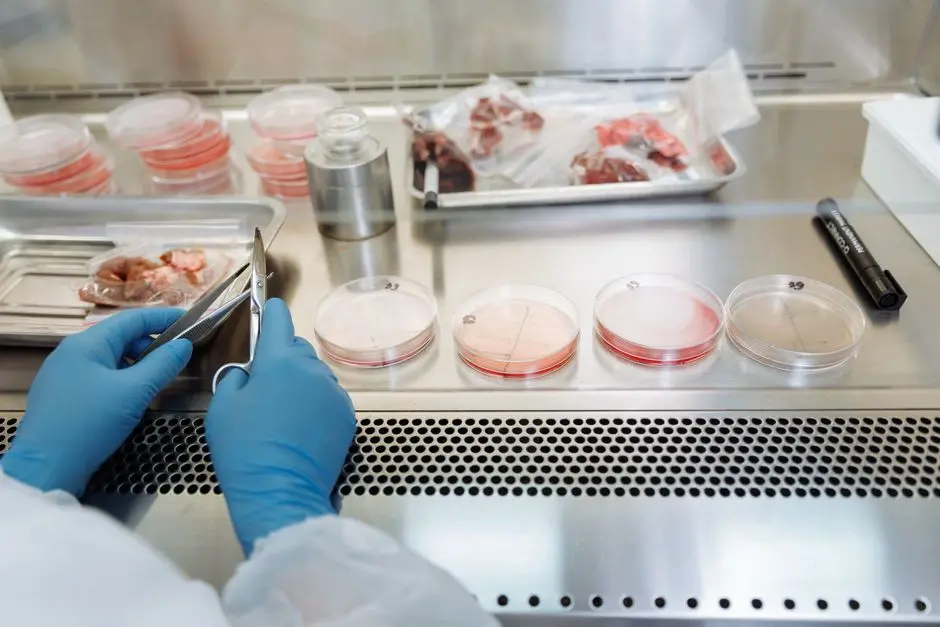
Our understanding of cell division extends far beyond basic biological curiosity; it propels us into the vanguard of health innovation. The intricate mechanisms governing cell proliferation and differentiation are now prime targets for groundbreaking medical applications, opening new frontiers in regenerative medicine, disease therapy, and anti-aging strategies. We are not just observing; we are actively seeking to leverage these fundamental processes to redefine human health.
Consider the transformative potential of stem cell therapies. By understanding how to isolate, culture, and precisely direct the mitotic divisions and differentiation of various stem cells—be they embryonic, induced pluripotent, or adult tissue-specific—we can envision regenerating damaged organs, repairing neurological injuries, and even growing new tissues outside the body for transplantation. This is not science fiction; it is the direct application of mastering cellular division dynamics. Furthermore, precision oncology relentlessly targets the aberrant cell division characteristic of cancer, developing drugs that specifically inhibit growth pathways or induce programmed cell death in malignant cells, while sparing healthy ones.
The challenge remains in achieving surgical precision—knowing when to stimulate division, when to halt it, and how to guide differentiating cells to adopt specific fates without unintended consequences. Future research will undoubtedly delve deeper into epigenetic regulation, microenvironmental cues, and the sophisticated interplay of signaling pathways that govern cell division. We stand at the precipice of a cellular revolution, poised to reprogram biological destiny. We ignite this exploration to forge a healthier, more resilient future, optimizing life at its most fundamental level.
Key Takeaways
The Dual Mandate of Cell Division
Cell division, primarily mitosis, is indispensable for both organismal growth—increasing cell number and complexity from a single zygote—and for constant repair and renewal, replacing damaged or aged cells to maintain tissue integrity and function. It is the core process ensuring life's continuity and biological maintenance.
Mitosis as the Engine of Growth and Development
From embryonic cleavage to adult tissue expansion, mitosis drives growth by producing genetically identical cells. Specialized cells like stem cells ensure a continuous supply for development, while growth factors and hormones meticulously regulate this process, underscoring the precision required for healthy biological expansion.
Cell Division's Critical Role in Tissue Repair
Cell division is the primary mechanism for healing and regeneration. It facilitates wound closure, replenishes high-turnover tissues (e.g., gut lining, blood cells), and counters daily wear and tear. The body's ability to repair itself hinges entirely on the robust and efficient mitotic activity of its cells.
The Imperative of Precision and Regulation
Cell division is tightly controlled by complex mechanisms, including cell cycle checkpoints and regulatory proteins like cyclins and CDKs. This precision prevents errors, ensures genetic integrity, and maintains tissue architecture. Loss of this control can lead to serious pathologies, most notably cancer, highlighting the vital balance required.
Innovation Through Cellular Mastery
Understanding cell division is crucial for advancing medical science. It underpins regenerative medicine, stem cell therapies, and targeted cancer treatments. The ability to precisely manipulate cellular proliferation offers unprecedented opportunities to repair, regenerate, and optimize human health, forging a future of enhanced biological resilience.
FAQ
-
What is the primary role of cell division in a multicellular organism?
The primary role of cell division in a multicellular organism is twofold: to enable growth by increasing the total number of cells, and to facilitate repair and renewal by replacing damaged, old, or dead cells, thereby maintaining tissue integrity and function. -
How does cell division contribute to the growth of an organism?
Cell division, primarily through mitosis, contributes to growth by generating new cells that allow an organism to increase in size and complexity. From embryonic development to the expansion of tissues and organs throughout life, this controlled proliferation adds new building blocks while maintaining genetic consistency. -
In what ways does cell division aid in tissue repair and regeneration?
Cell division aids in tissue repair by replacing cells lost due to injury, disease, or normal wear and tear. For instance, it allows wounds to heal, regenerates the lining of the digestive tract, and continuously produces new blood cells. This constant renewal ensures tissues remain functional and healthy. -
What are the consequences if cell division becomes unregulated?
If cell division becomes unregulated, it can lead to severe consequences. Uncontrolled proliferation, often due to mutations in cell cycle regulatory genes, is the hallmark of cancer, where cells divide relentlessly, forming tumors. Conversely, insufficient division can result in developmental defects or impaired healing. -
Are there different types of cell division, and which is most relevant for growth and repair?
Yes, there are two main types: mitosis and meiosis. Mitosis is most relevant for growth and repair, producing two genetically identical daughter cells from a single parent cell. Meiosis, on the other hand, is specialized for sexual reproduction, producing gametes with half the genetic material.