
> Basic Biology Concepts > Cell Structure and Cellular Organization > Dissecting Cellular Architectures: Prokaryotes Versus Eukaryotes
Dissecting Cellular Architectures: Prokaryotes Versus Eukaryotes
Life on Earth, in all its astonishing diversity, hinges on one fundamental organizational principle: the cell. This microscopic marvel, the crucible of all biological processes, presents itself in two profoundly distinct architectural blueprints. Grasping these foundational variations is not merely an academic exercise; it is the cornerstone for comprehending every biological phenomenon, from disease mechanisms to evolutionary pathways. We confront a biological imperative: distinguishing between prokaryotic and eukaryotic cells is paramount to dissecting the intricate machinery of life itself. This deep dive will equip us with the precise knowledge to navigate the cellular landscape, transforming abstract concepts into actionable insights for any aspiring biologist or healthcare innovator. Prepare to forge a mastery over these cellular distinctions, revealing how these structural disparities underpin the grand tapestry of biological complexity. We elevate our understanding by dissecting the fundamental units of life, unlocking the secrets of their origins and functions. This article meticulously delineates the critical variances, empowering you to pinpoint the subtle yet profound differences that define microbial resilience and multicellular sophistication. We embark on a journey to decode the very essence of cellular existence, ensuring a robust comprehension of these essential building blocks.
Deconstructing the Blueprint: Core Structural Distinctions
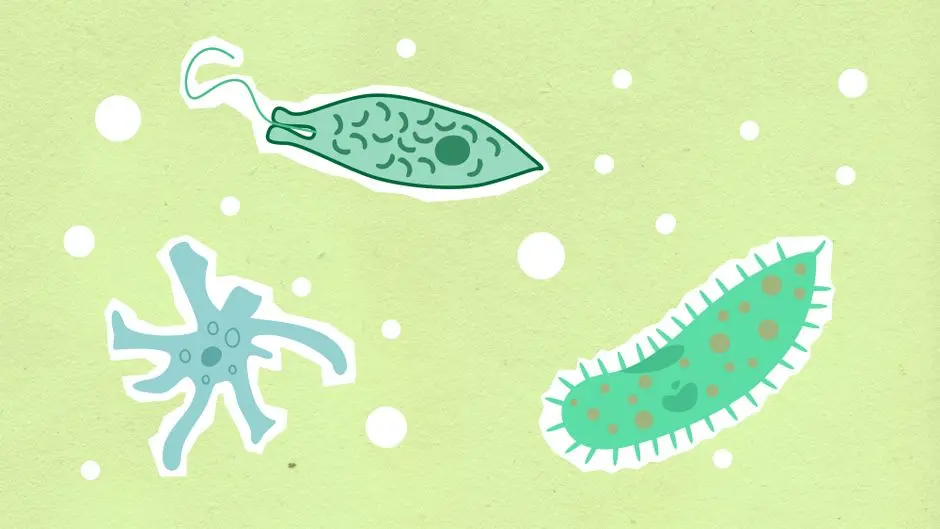
We initiate our exploration by confronting the most fundamental divide in cellular biology: the absence or presence of a true nucleus. This distinction, while seemingly simple, dictates an entire cascade of organizational and functional differences that define the two primary cell types: prokaryotic and eukaryotic cells. Prokaryotes, comprising bacteria and archaea, represent the earliest and simplest forms of life, their cellular architecture reflecting an optimized, minimalist design for rapid adaptation and proliferation. Eukaryotes, encompassing animals, plants, fungi, and protists, manifest a significantly more complex and compartmentalized structure, a testament to billions of years of evolutionary refinement.
The defining characteristic for eukaryotes is undeniably the nucleus – a membrane-bound organelle that meticulously encloses the cell's genetic material. This encapsulation offers a crucial layer of protection and control over gene expression, allowing for sophisticated regulatory mechanisms. In stark contrast, prokaryotic cells lack such an internal compartment. Their genetic material, typically a single circular chromosome, resides freely within a region of the cytoplasm known as the nucleoid. This direct access to genetic information facilitates rapid transcription and translation, a key advantage for their high metabolic rates and swift responses to environmental changes. We discern here a strategic trade-off: eukaryotes achieve complexity through compartmentalization, while prokaryotes optimize for speed and efficiency through simplicity.
Furthermore, size presents an immediate visual differentiator. Prokaryotic cells are typically significantly smaller, ranging from 0.1 to 5.0 micrometers (µm) in diameter. This minute scale translates to a high surface area-to-volume ratio, facilitating efficient nutrient uptake and waste expulsion across their plasma membrane, another cornerstone of their rapid metabolism. Eukaryotic cells, by comparison, are considerably larger, generally spanning 10 to 100 µm. This increased volume necessitates a more elaborate internal transport and organizational system to maintain cellular homeostasis, a challenge elegantly solved by their extensive internal membrane systems. We must recognize these size differences not merely as arbitrary metrics, but as fundamental constraints and opportunities that have shaped cellular evolution and function.
Genetic Material: The Command Center's Configuration and Regulation
Delving deeper into the core operational distinction, we must meticulously examine the configuration and management of genetic material within prokaryotic and eukaryotic cells. This is where the intricacies of cellular function, heredity, and evolutionary potential are truly encoded. In prokaryotes, the genome typically consists of a single, circular chromosome localized within the nucleoid region. This DNA is relatively simple, lacking the associated histone proteins found in eukaryotes, although some archaea exhibit histone-like proteins. Beyond the main chromosome, many prokaryotes harbor small, extra-chromosomal DNA molecules called plasmids. These plasmids often carry genes conferring advantageous traits like antibiotic resistance or metabolic pathways, and their ability to be exchanged between bacteria via horizontal gene transfer represents a formidable mechanism for rapid adaptation and evolution – a crucial insight for understanding microbial resilience.
Eukaryotic cells, conversely, possess a significantly more elaborate and voluminous genome. Their genetic material is organized into multiple, linear chromosomes, each meticulously packaged around structural proteins called histones to form a compact structure known as chromatin. This complex packaging is not merely for spatial efficiency; it plays a critical role in regulating gene expression. The dynamic unwrapping and re-wrapping of DNA from histones controls which genes are accessible for transcription, enabling a far more nuanced and precise control over cellular processes. This higher order of genetic organization, housed securely within the nuclear envelope, safeguards the integrity of the extensive eukaryotic genome, a non-negotiable requirement for the development of multicellular organisms.
The implications for gene expression are profound. In prokaryotes, transcription and translation can occur almost simultaneously in the cytoplasm, allowing for a rapid protein synthesis response to environmental cues. This streamlined process is a cornerstone of their high reproductive rates. Eukaryotes, however, separate these processes both spatially and temporally: transcription occurs in the nucleus, followed by mRNA processing (splicing, capping, polyadenylation), and then transport to the cytoplasm for translation by ribosomes. This additional layer of post-transcriptional processing offers multiple checkpoints for gene regulation, contributing to the diversity of protein products and the fine-tuning of cellular activities. Understanding these differences in genetic management illuminates the distinct evolutionary strategies adopted by each cell type to survive and thrive.
Internal Organization: The Organellar Divide and Functional Compartmentalization
The internal landscape of prokaryotic and eukaryotic cells reveals another monumental divergence: the presence and sophistication of membrane-bound organelles. This is where the eukaryotic cell truly excels in functional specialization, while the prokaryotic cell champions efficiency through simplified cytoplasmic organization. Eukaryotic cells are a labyrinth of interconnected, membrane-enclosed compartments, each dedicated to specific tasks. We conquer the complexity by recognizing key players: the endoplasmic reticulum (ER) for protein and lipid synthesis, the Golgi apparatus for modification and packaging, mitochondria for aerobic respiration and ATP production, and in plant cells, chloroplasts for photosynthesis. Additionally, lysosomes manage waste, peroxisomes handle oxidative reactions, and vacuoles provide storage and turgor. These organelles create a highly efficient division of labor, allowing eukaryotic cells to perform complex metabolic pathways simultaneously without interference, maximizing resource utilization.
In stark contrast, prokaryotic cells notably lack any membrane-bound organelles. Their cytoplasm is a dense, unified environment where all metabolic processes, including respiration and photosynthesis (if applicable), occur either in the cytoplasm itself or on the inner surface of the plasma membrane. While they possess ribosomes – essential for protein synthesis – these are typically smaller (70S) than those found in eukaryotic cells (80S, with 70S ribosomes in mitochondria and chloroplasts, a key piece of evidence for endosymbiotic theory). This absence of internal compartmentalization forces prokaryotes to rely on a high surface area-to-volume ratio and rapid diffusion for material transport, underpinning their smaller size and streamlined metabolism. The apparent simplicity is, in fact, an elegant design for speed and minimal energy expenditure.
Beyond organelles, the cytoskeleton offers another crucial distinction. Eukaryotic cells possess a complex and dynamic cytoskeleton composed of microtubules, microfilaments (actin filaments), and intermediate filaments. This internal scaffolding provides structural support, facilitates cell motility, enables intracellular transport of vesicles and organelles, and plays a pivotal role in cell division. Prokaryotes, while traditionally thought to lack a cytoskeleton, have recently been discovered to possess rudimentary cytoskeletal elements (e.g., FtsZ, MreB) that are analogous to eukaryotic actin and tubulin, fulfilling essential roles in cell division and shape maintenance. However, the complexity and diverse functions of the eukaryotic cytoskeleton remain unparalleled, enabling the morphological plasticity and sophisticated movements characteristic of multicellular life. We must appreciate that these internal architectures are not arbitrary, but rather finely tuned engines for survival in their respective biological niches.
Replication & Evolution: Driving Cellular Perpetuity and Diversification
The methods by which cells perpetuate themselves represent another critical functional divergence, directly impacting their evolutionary potential and the complexity of life forms they can generate. Prokaryotic cells predominantly reproduce through binary fission, a remarkably efficient and rapid asexual process. The single circular chromosome replicates, and the cell simply divides into two identical daughter cells. This speed enables exponential population growth under favorable conditions, a core strategy for their success in diverse environments. While highly efficient, binary fission generally produces genetically identical offspring. Genetic diversity in prokaryotes is primarily achieved through mechanisms like mutation, horizontal gene transfer (conjugation, transformation, transduction), and plasmid exchange, rather than sexual recombination. These strategies, while distinct from eukaryotic methods, are incredibly effective in driving rapid adaptation and evolution within microbial populations.
Eukaryotic cells, conversely, employ more intricate and regulated processes for cell division: mitosis for somatic cell proliferation and meiosis for germ cell production (sexual reproduction). Mitosis ensures that each daughter cell receives a complete and identical set of chromosomes, critical for growth, repair, and asexual reproduction in some eukaryotes. Meiosis, however, is the engine of genetic variation. It involves two rounds of division, reducing the chromosome number by half and, crucially, facilitating genetic recombination through homologous recombination (crossing over). This mixing of genetic material from two parents generates immense diversity within a population, providing the raw material for natural selection and accelerated evolutionary adaptation in multicellular organisms. The complexity of meiosis also inherently introduces checkpoints and regulatory steps, reflecting the higher stakes involved in transmitting genetic information for complex organisms.
Beyond replication, the distinct cellular architectures have profound evolutionary implications. The endosymbiotic theory posits that mitochondria and chloroplasts, key eukaryotic organelles, originated from free-living prokaryotes that were engulfed by an ancestral eukaryotic cell. This pivotal event, marking the transition from prokaryotic to eukaryotic life, catalyzed the diversification of complex life forms and ultimately led to multicellularity. The specialized functions of eukaryotic organelles allowed for increased cellular size and the division of labor that underpins the tissue and organ systems of higher organisms. We therefore conquer the understanding that these cellular differences are not static; they represent dynamic evolutionary breakthroughs. Prokaryotes, with their minimalist design, continue to dominate sheer numbers and biochemical diversity, while eukaryotes, with their elaborate structures, have unlocked the potential for macroscopic complexity and highly specialized life forms. Each strategy represents a peak of biological optimization within its respective domain, driving the perpetual march of evolution.
Key Takeaways
Nucleus and Genetic Material
Prokaryotes: No membrane-bound nucleus; genetic material (single, circular chromosome) in nucleoid. Often possess plasmids.
Eukaryotes: True nucleus with a nuclear envelope; multiple, linear chromosomes associated with histones.
Internal Organization
Prokaryotes: Lack membrane-bound organelles. Ribosomes (70S) are only non-membranous organelles. Simple cytoskeleton.
Eukaryotes: Extensive system of membrane-bound organelles (ER, Golgi, mitochondria, chloroplasts, lysosomes, etc.). Complex cytoskeleton. Ribosomes (80S).
Size and Complexity
Prokaryotes: Generally smaller (0.1-5.0 µm). Simpler structure, optimized for rapid function.
Eukaryotes: Generally larger (10-100 µm). More complex, compartmentalized structure supporting multicellularity and specialization.
Cell Division
Prokaryotes: Asexual reproduction primarily via binary fission. Genetic variation from mutation and horizontal gene transfer.
Eukaryotes: Mitosis for somatic cell division, Meiosis for germ cell production (sexual reproduction and genetic recombination).
Cell Wall and Motility
Prokaryotes: Cell wall typically contains peptidoglycan (bacteria). Flagella (if present) are simple protein filaments.
Eukaryotes: Cell wall (plants, fungi) made of cellulose or chitin. Flagella/cilia (if present) are complex microtubule structures.
FAQ
-
Are viruses classified as prokaryotic or eukaryotic cells?
Viruses are neither prokaryotic nor eukaryotic cells. They are unique biological entities that blur the line between living and non-living. Lacking cellular machinery, they are obligate intracellular parasites, meaning they can only replicate by infecting a host cell (either prokaryotic or eukaryotic) and hijacking its cellular processes. They consist of genetic material (DNA or RNA) enclosed within a protein coat, sometimes with an additional lipid envelope. This fundamental lack of a cellular structure places them outside the classification of cellular life.
-
What are some common misconceptions about prokaryotic cells?
A prevalent misconception is that prokaryotic cells are 'primitive' or 'simple' in a derogatory sense. While structurally less complex than eukaryotes, prokaryotes are incredibly diverse, highly adaptable, and masters of biochemical innovation. They possess sophisticated regulatory networks, efficient metabolic pathways, and robust mechanisms for survival in extreme environments. Their streamlined design allows for rapid growth and evolution, making them dominant life forms on Earth and essential for countless ecological processes. Another error is assuming all prokaryotes are harmful; most are benign or beneficial.
-
What are the primary advantages of compartmentalization in eukaryotic cells?
Compartmentalization in eukaryotic cells offers several critical advantages. Firstly, it allows for the spatial separation of incompatible reactions, preventing interference between metabolic pathways. Secondly, it enables increased efficiency by concentrating enzymes and substrates for specific reactions within a confined space. Thirdly, it provides regulatory control, allowing cells to precisely regulate conditions (e.g., pH, ion concentrations) within individual organelles, optimizing their function. This division of labor allows eukaryotic cells to grow larger, perform more complex functions, and achieve the intricate coordination necessary for multicellular life.