
> Basic Biology Concepts > Cell Structure and Cellular Organization > Explore Prokaryotic Organisms: Unveiling Core Examples
Explore Prokaryotic Organisms: Unveiling Core Examples
The invisible architects of life, prokaryotes, represent the earliest and most widespread forms of cellular existence on our planet. They thrive in virtually every conceivable niche, from the deepest oceans to the most extreme thermal vents, shaping ecosystems with unparalleled adaptability. Ignoring their profound influence is to miss a foundational piece of the biological puzzle. This article embarks on an expedition to uncover the diverse array of organisms that embody the prokaryotic cell type, providing a critical lens through which we can better appreciate our fundamental understanding of cells as the basic units of life. We shall meticulously dissect their defining characteristics and present compelling examples that illuminate their ecological prowess and biotechnological significance, moving beyond mere definitions to a proactive exploration of their living legacies. Forge a deeper connection with these microscopic titans; their cellular simplicity political their immense power and evolutionary success, driving processes essential for all higher life forms. Uncover the mechanisms that have allowed them to dominate for billions of years and grasp the core principles that continue to drive planetary biology, from nutrient cycling to disease. We unlock the secrets of life's earliest innovators and their enduring impact.
Defining Prokaryotic Excellence: The Blueprint of Simplicity
We commence our exploration by firmly establishing what defines a prokaryotic cell, an architectural marvel of efficiency. Unlike eukaryotic cells, prokaryotes possess a remarkably streamlined internal organization, notably lacking a membrane-bound nucleus and other complex organelles such as mitochondria or endoplasmic reticulum. Their genetic material, typically a single circular chromosome, resides in a region called the nucleoid, freely suspended within the cytoplasm. This compact genetic arrangement, often supplemented by smaller, extrachromosomal DNA molecules known as plasmids, empowers rapid adaptation and horizontal gene transfer, a key driver of prokaryotic evolution.
Prokaryotic cells are typically much smaller than their eukaryotic counterparts, usually ranging from 0.1 to 5 micrometers in diameter. This small size facilitates rapid nutrient diffusion and waste removal, contributing to their swift metabolic rates and reproductive cycles. Their cell wall, a rigid outer layer, provides structural integrity, protects against osmotic lysis, and is a primary target for many antibiotics. This wall's composition varies significantly between major prokaryotic groups, particularly bacteria and archaea, a distinction we shall soon surgically examine. We also observe ribosomes, the universal machinery for protein synthesis, present in both prokaryotic and eukaryotic cells, though with distinct structural differences. Many prokaryotes also exhibit motility through flagella, which are structurally distinct from eukaryotic flagella, or possess pili for adhesion and conjugation. We recognize that this foundational design, far from being primitive, represents a pinnacle of evolutionary optimization for survival and proliferation in diverse and often challenging environments. This blueprint of simplicity has enabled prokaryotes to dominate Earth's biosphere for billions of years, making them indispensable components of every ecosystem.
Bacteria: The Ubiquitous Pioneers of Life's Machinery
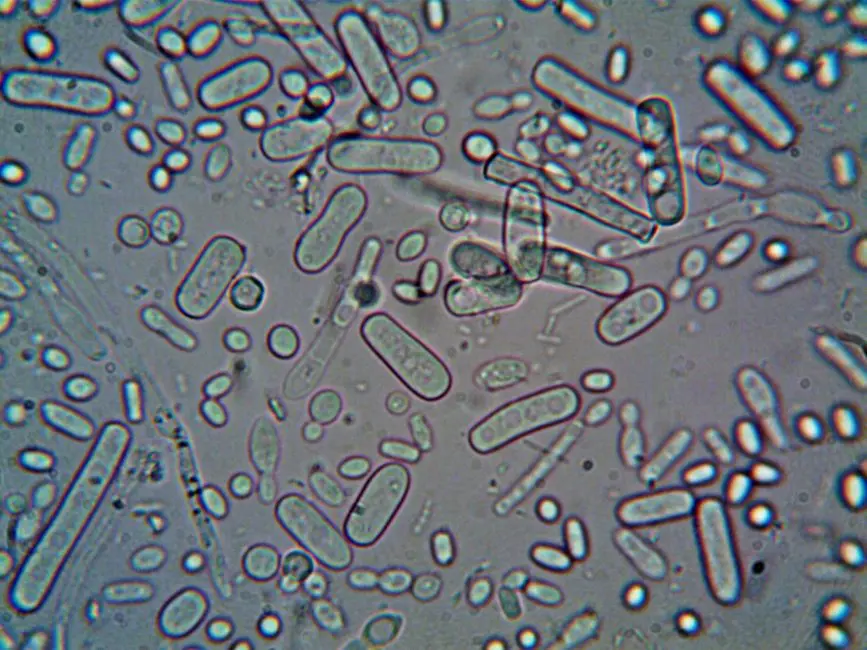
We now turn our focus to bacteria, the most widely recognized and diverse kingdom within the prokaryotic domain. These single-celled organisms are truly ubiquitous, colonizing every imaginable habitat, from the depths of the Mariana Trench to the surfaces of our own bodies. Their astonishing metabolic diversity allows them to harness energy from an extraordinary array of sources, performing crucial biogeochemical cycles that underpin all life on Earth. Bacteria are classified based on various criteria, including their morphology (e.g., cocci, bacilli, spirilla), their metabolic pathways, and critically, their Gram-staining characteristics.
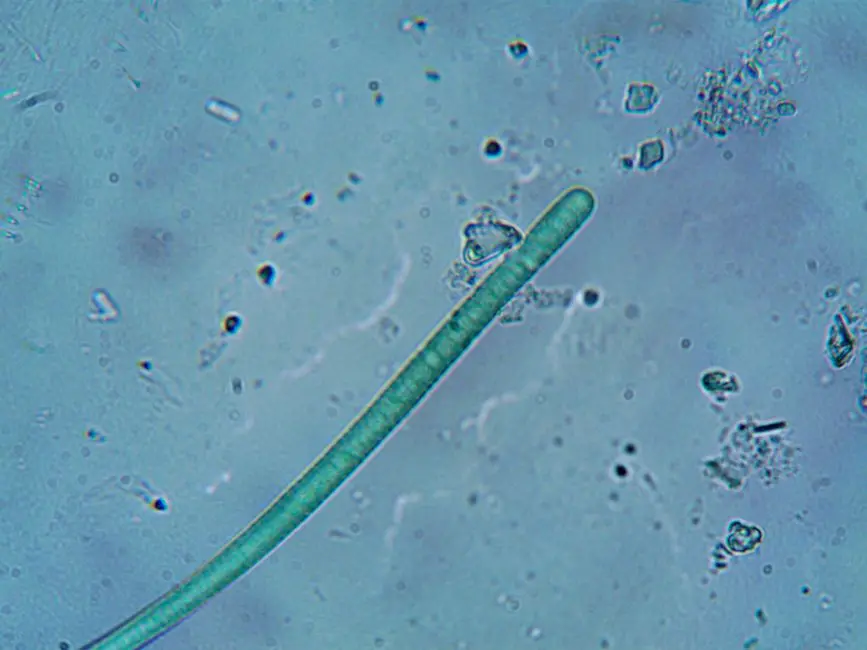
Consider Escherichia coli (E. coli), a common inhabitant of the mammalian gut. While certain strains are pathogenic, many are commensal, playing vital roles in digestion and vitamin K synthesis. E. coli's rapid growth rate and genetic manipulability have made it an indispensable model organism in molecular biology and biotechnology. Another compelling example is Cyanobacteria, often called 'blue-green algae.' These ancient photosynthetic prokaryotes revolutionized Earth's atmosphere by producing oxygen billions of years ago, paving the way for aerobic life. Their intricate photosynthetic machinery, housed in thylakoid membranes, rivals that of plant chloroplasts, which are, in fact, thought to have evolved from ancestral cyanobacteria via endosymbiosis. We also encounter organisms like Lactobacillus species, crucial for fermentation processes in food production (e.g., yogurt, cheese), highlighting their immense economic and dietary significance. Furthermore, bacteria like Rhizobium engage in nitrogen fixation, converting atmospheric nitrogen into forms usable by plants, thereby enriching soil fertility. We observe that bacteria's roles are not monolithic; they span the spectrum from essential symbionts and decomposers to formidable pathogens like Salmonella or Mycobacterium tuberculosis, demanding our continuous study and strategic intervention to maintain human health and ecological balance. Understanding bacterial diversity is paramount to unlocking solutions in medicine, agriculture, and environmental remediation.
Archaea: Masters of Extreme Environments and Biochemical Innovation
Having explored bacteria, we now navigate to Archaea, a distinct domain of life that, despite its prokaryotic cell structure, holds a unique evolutionary lineage separate from bacteria. Often mistaken for bacteria due to their similar appearance and size, archaea possess fundamental biochemical and genetic differences that set them apart. Their cell walls, for instance, lack peptidoglycan, a hallmark of bacterial cell walls, often being composed of pseudopeptidoglycan or S-layers of protein. Their membrane lipids feature ether linkages, rather than the ester linkages found in bacteria and eukaryotes, providing exceptional stability in harsh conditions. These unique molecular adaptations underpin their extraordinary ability to thrive in environments that would be lethal to most other life forms.
Archaea are renowned as extremophiles. We discover Thermophiles, such as Pyrolobus fumarii, which flourishes in superheated hydrothermal vents at temperatures exceeding 100°C. Their enzymes, known as thermoenzymes, remain stable and active under conditions that would denature most proteins, offering immense potential for industrial biotechnology. Then there are the Halophiles, like Halobacterium salinarum, which thrive in hypersaline environments such as salt lakes and solar evaporation ponds. These organisms possess specialized pigments (bacteriorhodopsin) and cellular mechanisms to cope with extreme osmotic stress. Furthermore, we identify Methanogens, a group of archaea (e.g., Methanobrevibacter smithii) that produce methane as a metabolic byproduct, playing critical roles in anaerobic decomposition and contributing to greenhouse gas emissions. These methanogens are found in diverse anaerobic niches, including swamps, rice paddies, and the digestive tracts of ruminants and humans. We forge a comprehensive understanding that archaea are not merely biological curiosities; they are ancient innovators, providing insights into the origins of life and offering robust biological machinery for various biotechnological applications, from wastewater treatment to the production of novel antibiotics. Their resilience and unique biochemistry compel us to continually re-evaluate the boundaries of life's capabilities.
Beyond the Basics: Specialized Prokaryotes and Their Broader Impact
Our journey into the prokaryotic world expands to encompass specialized examples that highlight their diverse strategies for survival and interaction. We delve beyond the common archetypes to appreciate the nuanced adaptations that shape their ecological and evolutionary success. One striking example is Mycoplasma, a genus of bacteria that defies conventional bacterial structure by lacking a cell wall entirely. This unique characteristic makes them highly pleomorphic (variable in shape) and resistant to many common antibiotics that target cell wall synthesis. Mycoplasma pneumoniae, for instance, is a significant cause of atypical pneumonia, demonstrating how cellular simplification can lead to pathogenic efficacy. We must acknowledge that their small genome and parasitic lifestyle emphasize an evolutionary trajectory towards dependence.
Another fascinating group is Rickettsia, obligate intracellular parasitic bacteria. These tiny prokaryotes can only replicate inside the living cells of other organisms, often transmitted by arthropod vectors like ticks and fleas. Rickettsia rickettsii, the causative agent of Rocky Mountain spotted fever, exemplifies their complex life cycles and the challenges they pose to public health. These examples underscore that prokaryotes have evolved sophisticated strategies, not just for independent survival but also for intimate, often parasitic, relationships with host organisms. Furthermore, we must address the widespread phenomenon of biofilm formation. Many prokaryotes, including both bacteria and archaea, live in structured communities encased in an extracellular polymeric substance (EPS). Biofilms are found everywhere, from dental plaque to industrial pipelines and medical implants, offering enhanced resistance to antibiotics and immune responses. This communal living strategy demonstrates a level of intercellular communication and cooperation that challenges the simplistic view of prokaryotes as purely solitary entities. We recognize that these specialized prokaryotic groups and their complex behaviors are not outliers but integral components of the microbial tapestry, constantly reshaping our understanding of basic biology, disease mechanisms, and the potential for biotechnological innovation. We forge an appreciation for their ingenuity, from the smallest cell-wall deficient organism to the cooperative complexity of biofilms.
Key Takeaways
Prokaryotic Cellular Blueprint
Prokaryotic cells are defined by their lack of a membrane-bound nucleus and other complex organelles. They feature a single, circular chromosome in a nucleoid region, often supplemented by plasmids, and possess a rigid cell wall for protection. Their small size and rapid metabolic rates contribute to their evolutionary success and rapid adaptation.
Bacteria: Ubiquity and Diversity
Bacteria constitute a vast and diverse domain, found in virtually all environments. They exhibit diverse morphologies (cocci, bacilli, spirilla) and metabolic strategies. Key examples include E. coli (gut symbiont/pathogen), Cyanobacteria (photosynthetic oxygen producers), Lactobacillus (fermentation), and Rhizobium (nitrogen fixers), highlighting their critical roles in ecology and human welfare.
Archaea: Extremophile Innovators
Archaea are a distinct prokaryotic domain, characterized by unique biochemical features such as ether-linked membrane lipids and non-peptidoglycan cell walls. They are predominantly known as extremophiles, thriving in harsh conditions. Examples include Thermophiles (high heat), Halophiles (high salt), and Methanogens (methane producers), showcasing their resilience and unique metabolic pathways.
Specialized Prokaryotic Strategies
Beyond common types, specialized prokaryotes demonstrate complex adaptations. Mycoplasma lacks a cell wall, offering antibiotic resistance. Rickettsia are obligate intracellular parasites, requiring host cells for replication. Many prokaryotes also form biofilms, communal structures that provide enhanced protection and facilitate intercellular communication, underscoring their advanced ecological behaviors.
FAQ
-
What are the fundamental differences between prokaryotic and eukaryotic cells?
The core distinction lies in cellular organization. Prokaryotic cells lack a membrane-bound nucleus, with their genetic material (DNA) freely located in the cytoplasm within a region called the nucleoid. They also lack complex, membrane-bound organelles like mitochondria, endoplasmic reticulum, or Golgi apparatus. Eukaryotic cells, conversely, possess a true nucleus enclosing their DNA and an array of specialized organelles performing specific functions, enabling greater cellular complexity and multicellularity.
-
Are all prokaryotes harmful to humans?
Absolutely not. While some prokaryotes, particularly certain bacteria, are pathogenic and cause diseases, the vast majority are either harmless or beneficial. Many bacteria are crucial for human health, such as those in our gut microbiome aiding digestion and producing vitamins. Others are vital for environmental processes like nutrient cycling (nitrogen fixation, decomposition) and are indispensable in industries like food production (fermentation) and biotechnology.
-
What makes Archaea different from Bacteria, despite both being prokaryotes?
While both domains are prokaryotic, Archaea possess unique biochemical and genetic features. Key differences include their cell wall composition (Archaea lack peptidoglycan), the lipid structure of their cell membranes (ether linkages in Archaea vs. ester linkages in Bacteria), and variations in their ribosomal RNA sequences. These distinctions reflect separate evolutionary lineages and often enable Archaea to thrive in extreme environments where most bacteria cannot survive.
-
How do prokaryotes reproduce and adapt so quickly?
Prokaryotes primarily reproduce asexually through binary fission, a rapid process where a single cell divides into two identical daughter cells. This speed of replication allows for rapid population growth. Their high mutation rates, coupled with mechanisms like horizontal gene transfer (conjugation, transformation, transduction) where genetic material is exchanged between cells, enable swift adaptation to changing environments, including developing antibiotic resistance.