
> Basic Biology Concepts > Cell Structure and Cellular Organization > Explore Prokaryotic Cells: Structure, Function & Global Impact
Explore Prokaryotic Cells: Structure, Function & Global Impact
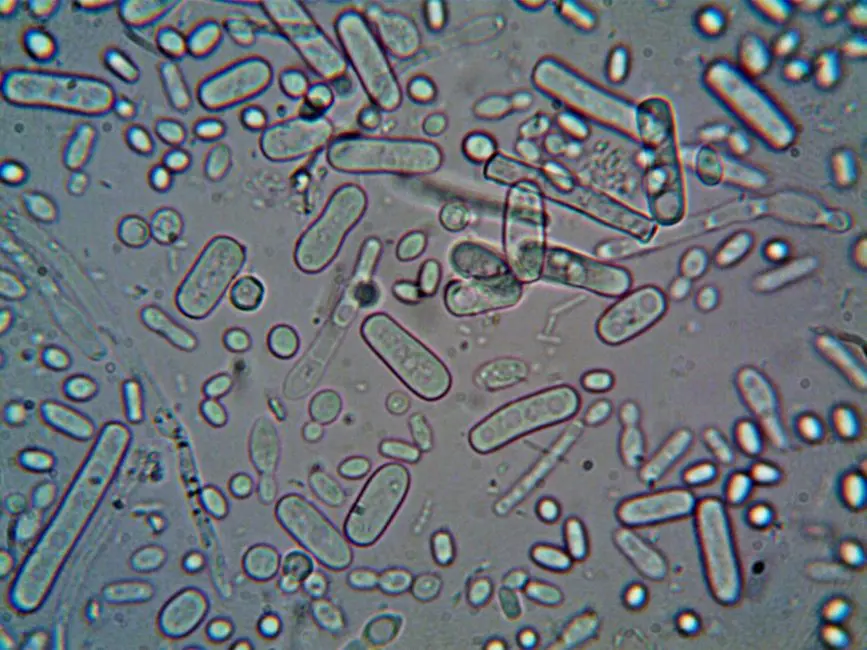
Imagine life's earliest architects, microscopic entities that laid the groundwork for all biological complexity. These are prokaryotic cells, the most ancient and abundant life forms on Earth, orchestrating processes vital to every ecosystem. Far from being merely 'simple,' their elegance lies in their efficiency and profound adaptability, traits that have allowed them to thrive in virtually every conceivable habitat, from the deepest oceans to the most extreme thermal vents.
This article dissects the intricate world of prokaryotes, unveiling their unique structural blueprints and the sophisticated mechanisms that drive their astonishing functions. We embark on a journey to decode how these foundational units operate, reproduce, and interact with their environment, revealing their indispensable roles in nutrient cycling, human health, and biotechnological advancements. By grasping the core principles of understanding cells as the fundamental units of life, we forge a deeper appreciation for these cellular masters. Prepare to uncover the secrets of organisms that, despite their minuscule size, wield immense power over our planet's biological tapestry.
Demystifying Prokaryotes: The Foundational Architects Unveiled
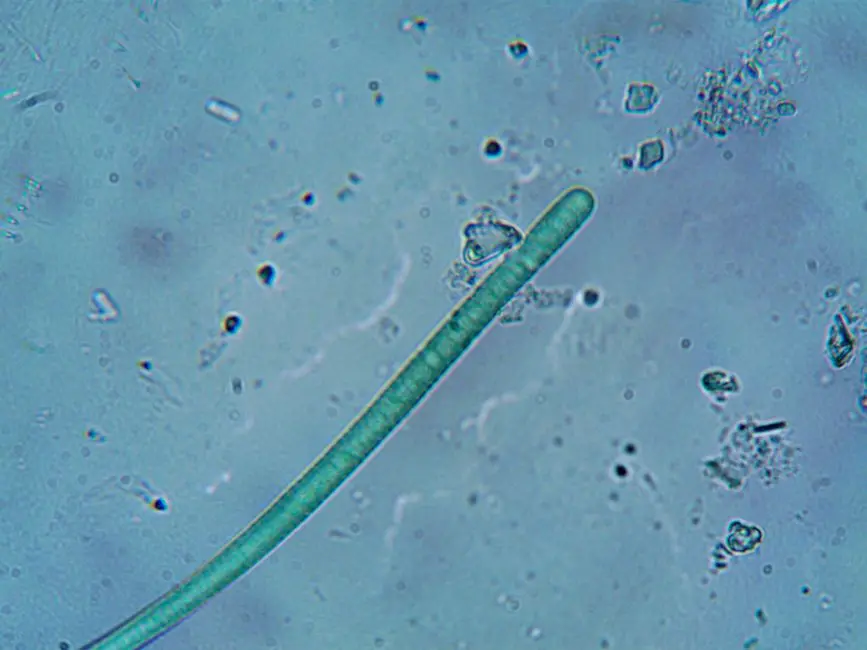
We commence our exploration by defining prokaryotic cells, organisms characterized by the absence of a membrane-bound nucleus and other specialized organelles. These single-celled entities represent the earliest forms of life, dating back an estimated 3.8 billion years. Their evolutionary success story is unparalleled, positioning them as the direct ancestors of all more complex life, including eukaryotes. We identify two primary domains of prokaryotes: Bacteria and Archaea. While both share fundamental prokaryotic characteristics, they exhibit distinct genetic, biochemical, and ecological differences. Bacteria are ubiquitous, populating virtually every niche, from soil and water to the human gut, playing diverse roles from pathogens to essential symbionts. Archaea, often termed 'extremophiles,' thrive in environments considered hostile to most life, such as hot springs, highly saline lakes, and anaerobic swamps, showcasing an extraordinary capacity for biochemical adaptation.
Our initial dive into their structure reveals a cellular organization optimized for rapid growth and division. Unlike eukaryotic cells, prokaryotes house their genetic material, a single circular chromosome, within a region called the nucleoid, not encased by a nuclear membrane. This fundamental structural divergence underpins much of their functional efficiency, allowing for streamlined processes of transcription and translation. We recognize that viewing prokaryotes as 'primitive' is a profound misconception; instead, we must acknowledge their highly evolved and finely tuned cellular machinery that enables their ecological dominance. We uncover the essential contrast: prokaryotes master efficiency through simplicity, while eukaryotes develop complexity through compartmentalization. This foundational understanding is crucial for appreciating the diverse strategies life has employed to conquer our planet.
Dissecting the Prokaryotic Blueprint: Master Key Structures
To truly comprehend prokaryotic function, we must meticulously dissect their core structural components. Every element serves a critical purpose in survival and interaction. At the outermost boundary, most prokaryotes possess a rigid cell wall, primarily composed of peptidoglycan in bacteria (or pseudopeptidoglycan/S-layers in archaea). This structure provides essential protection against osmotic lysis and maintains cell shape, a non-negotiable feature for thriving in variable environments. Immediately beneath the cell wall lies the plasma membrane, a selectively permeable barrier regulating the passage of substances, anchoring enzymes for respiration and photosynthesis, and mediating cell signaling. This membrane is a dynamic interface, crucial for nutrient uptake and waste expulsion.
Within the plasma membrane, we find the cytoplasm, a gel-like substance teeming with essential molecules, ions, and metabolic enzymes. Suspended within this cytoplasm are numerous ribosomes, the sites of protein synthesis. Prokaryotic ribosomes are structurally distinct from eukaryotic ones (70S vs 80S), a key detail leveraged in antibiotic development. The cell's genetic blueprint, the single circular chromosome, resides in the nucleoid region. Beyond the main chromosome, many prokaryotes also harbor smaller, extrachromosomal DNA molecules called plasmids. These plasmids often carry genes conferring advantageous traits like antibiotic resistance or virulence factors, underscoring their adaptive significance. We also identify accessory structures such as flagella for motility, hair-like pili for attachment and genetic exchange, and protective outer capsules. Each component is an optimized piece of a highly efficient biological machine, driving the prokaryotic success story.

Unlocking Prokaryotic Dynamics: Metabolism, Growth & Adaptation
Prokaryotic cells exhibit an unparalleled metabolic diversity, a testament to their evolutionary ingenuity. We observe organisms that derive energy from sunlight (photoautotrophs), from inorganic chemicals (chemoautotrophs), and from organic compounds (heterotrophs). This metabolic flexibility allows them to colonize virtually every ecological niche, performing crucial biogeochemical transformations. For instance, specific bacteria are master nitrogen fixers, converting atmospheric nitrogen into forms usable by plants, thereby underpinning global ecosystems. We recognize that understanding these metabolic pathways is key to unlocking solutions in bioremediation and industrial biotechnology.
Growth and reproduction in prokaryotes are predominantly achieved through binary fission, a remarkably rapid and efficient asexual process where a single cell divides into two identical daughter cells. This speed enables exponential population growth, allowing them to quickly exploit new resources or adapt to changing conditions. However, prokaryotes are not limited to clonal reproduction. They possess sophisticated mechanisms for horizontal gene transfer, including conjugation (direct transfer of genetic material via pili), transformation (uptake of naked DNA from the environment), and transduction (gene transfer mediated by bacteriophages). These processes facilitate rapid evolution and adaptation, allowing populations to acquire new traits like antibiotic resistance with astonishing speed. Furthermore, certain prokaryotes, particularly bacteria, can form resistant dormant structures called endospores to survive extreme conditions or establish complex, cooperative communities known as biofilms, which offer enhanced protection and nutrient sharing. We emphasize that these adaptive strategies are not mere survival tactics but sophisticated biological engineering marvels.
Harnessing Prokaryotic Power: Ecological & Biotechnological Imperatives
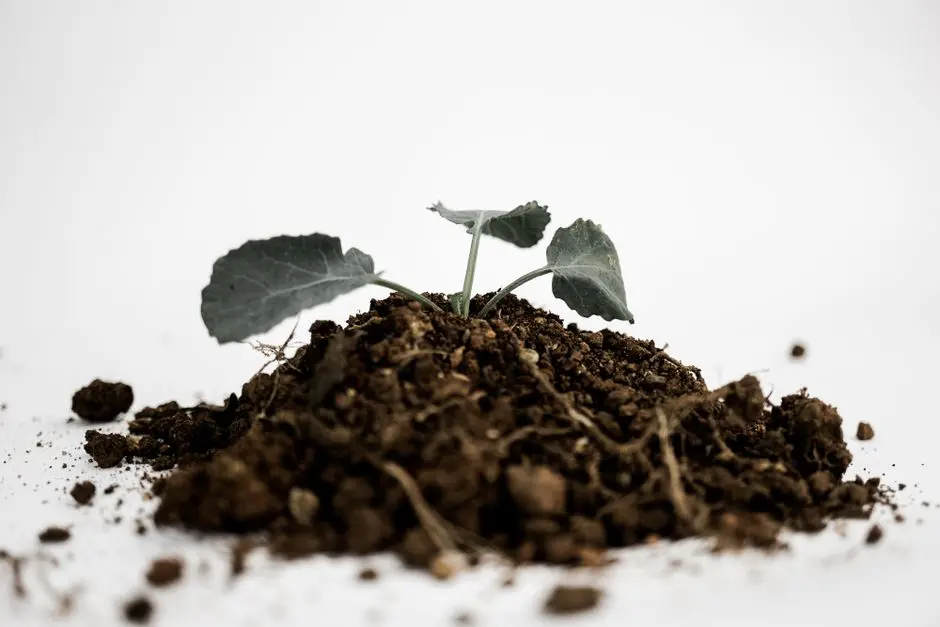
The ecological impact of prokaryotes is monumental, shaping our planet's habitability and sustaining all life. We recognize their indispensable role in nutrient cycling, particularly the nitrogen, carbon, sulfur, and phosphorus cycles. For example, nitrifying bacteria convert ammonia to nitrates, essential plant nutrients, while denitrifying bacteria return nitrogen gas to the atmosphere. Decomposers, largely prokaryotic, break down organic matter, recycling vital elements back into ecosystems. Without their tireless work, nutrient reservoirs would quickly become depleted, rendering complex life impossible. We observe their critical function in aquatic environments, influencing water quality and supporting marine food webs. Understanding these intricate cycles is paramount for addressing global environmental challenges.
In human health, prokaryotes present a dualistic nature. While certain bacteria are notorious pathogens causing infectious diseases, the vast majority are beneficial, forming our crucial microbiota. The human gut microbiome, for instance, aids in digestion, synthesizes vitamins, and modulates our immune system. Disruptions to this delicate balance are linked to numerous health issues, from digestive disorders to autoimmune diseases. Our understanding of these symbiotic relationships unlocks new avenues for therapeutic interventions. Furthermore, prokaryotes are workhorses in biotechnology. We harness them for bioremediation (cleaning up pollution), industrial production of enzymes, hormones (e.g., insulin), and antibiotics. Their genetic simplicity and rapid growth make them ideal subjects for genetic engineering. We champion the notion that these microscopic powerhouses are not merely biological curiosities but critical components upon which our entire biosphere, and indeed our future, depends. Ignoring their complexity and ubiquity is a common error; instead, we must leverage their biological intelligence.
Frontiers of Prokaryotic Science: Advanced Concepts & Future Impact
As we delve deeper into prokaryotic biology, cutting-edge research continues to unveil sophisticated mechanisms and novel applications. We explore the intricate world of quorum sensing, where bacteria communicate using chemical signals to coordinate collective behaviors, such as biofilm formation, virulence expression, and antibiotic production. This remarkable form of cell-to-cell communication challenges the traditional view of bacteria as purely solitary entities and opens new frontiers for developing anti-biofilm strategies or novel antimicrobials that disarm pathogens rather than kill them. Furthermore, the study of extremophiles, particularly archaea, continues to push the boundaries of our understanding of life's resilience and its potential origins. Their unique adaptations to extreme temperatures, pH levels, or salinities provide invaluable insights into enzyme stability and metabolic pathways applicable in industrial processes under harsh conditions.
We also cast our gaze upon the evolutionary implications of prokaryotic diversity. The concept of the Last Universal Common Ancestor (LUCA), a hypothetical organism from which all life evolved, is deeply intertwined with prokaryotic characteristics. Understanding the phylogenetic relationships between different prokaryotic groups is crucial for reconstructing the tree of life and unraveling the fundamental principles of evolution. Innovations like CRISPR-Cas systems, originally bacterial immune defenses against viruses, have been repurposed into revolutionary gene-editing tools, transforming biotechnology and medicine. The ongoing discovery of new prokaryotic species, often from previously unexplored environments like the deep subsurface, continually expands our biological catalog and reveals unprecedented metabolic capabilities. We advocate for sustained research into these microscopic marvels; for within their ancient and adaptable genomes lie the blueprints for addressing future challenges in health, environment, and energy. Our commitment to mastering these biological intricacies drives us towards a more optimized and resilient future.
Key Takeaways
Prokaryotic Cells: Core Identity
Prokaryotic cells are the oldest and most abundant life forms, characterized by the absence of a membrane-bound nucleus and organelles. They are divided into two domains: Bacteria and Archaea, each with distinct features but sharing fundamental prokaryotic traits. Their evolutionary success stems from efficient, streamlined cellular organization.
Key Structural Elements
The prokaryotic blueprint includes a protective cell wall (peptidoglycan in bacteria), a selectively permeable plasma membrane, a rich cytoplasm, ribosomes for protein synthesis, and a single circular chromosome in the nucleoid region. Many also feature plasmids (extrachromosomal DNA), flagella for movement, pili for attachment/transfer, and protective capsules.
Metabolic Versatility & Adaptive Strategies
Prokaryotes exhibit immense metabolic diversity (photoautotrophs, chemoautotrophs, heterotrophs). They primarily reproduce via rapid binary fission. Genetic exchange occurs through conjugation, transformation, and transduction, driving quick adaptation. They can form resistant endospores and cooperative biofilms to survive harsh conditions.
Ecological & Biotechnological Significance
Prokaryotes are crucial for global nutrient cycling (nitrogen, carbon, etc.) and decomposition. They form essential microbiota in humans and animals. In biotechnology, they are leveraged for bioremediation, industrial production (insulin, enzymes), and gene editing (CRISPR-Cas). Their widespread influence impacts planetary habitability and human well-being.
Advanced Insights & Future Directions
Current research explores prokaryotic quorum sensing (cell communication), the unique adaptations of extremophiles, and their role in understanding the Last Universal Common Ancestor (LUCA). Discoveries from prokaryotic biology, like CRISPR, continue to revolutionize fields from medicine to environmental science, highlighting their ongoing importance.
FAQ
-
What is the primary difference between prokaryotic and eukaryotic cells?
The fundamental distinction lies in internal organization: prokaryotic cells lack a membrane-bound nucleus and other membrane-bound organelles (like mitochondria or endoplasmic reticulum). Their genetic material, a single circular chromosome, resides in the cytoplasm's nucleoid region. Eukaryotic cells, conversely, possess a true nucleus enclosing their DNA and numerous specialized organelles performing distinct functions, allowing for greater compartmentalization and complexity.
-
How do prokaryotic cells reproduce and exchange genetic material?
Prokaryotes primarily reproduce asexually through binary fission, where one cell divides into two genetically identical daughter cells. However, they can exchange genetic material horizontally via three main mechanisms: conjugation (direct transfer of DNA through pili), transformation (uptake of naked DNA from the environment), and transduction (transfer of DNA mediated by bacteriophages). These processes are crucial for rapid adaptation and evolution.
-
Are all prokaryotic cells harmful or pathogenic?
Absolutely not. While some bacteria are indeed pathogens responsible for diseases, the vast majority of prokaryotes are either harmless or incredibly beneficial. They play indispensable roles in ecosystems (e.g., nutrient cycling, decomposition) and in human health (e.g., gut microbiota aiding digestion and immune function, skin flora protecting against pathogens). Many are vital for various industrial and biotechnological applications.