
> Basic Biology Concepts > Cell Structure and Cellular Organization > Mastering Cell Cycle Dynamics: Life's Blueprint for Cellular Renewal
Mastering Cell Cycle Dynamics: Life's Blueprint for Cellular Renewal
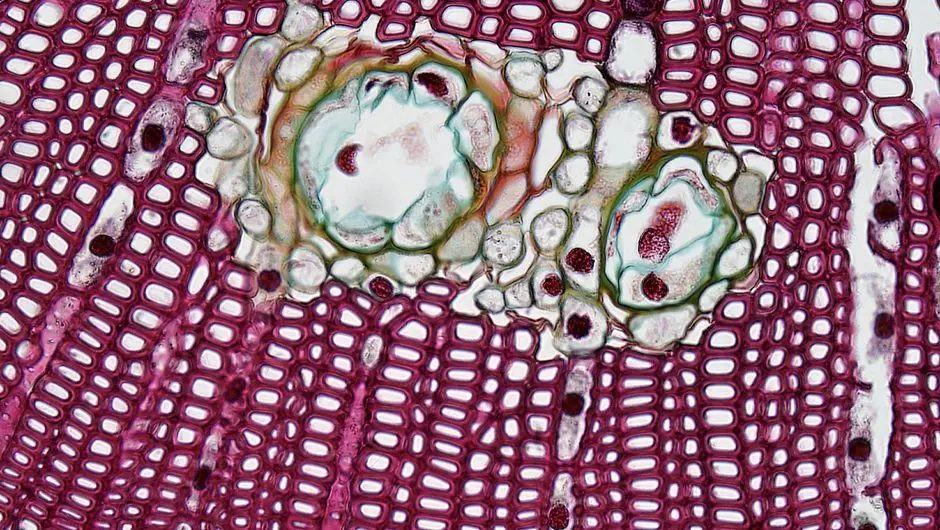
Imagine the very foundation of life: cells meticulously dividing, replicating, and replacing themselves with astounding precision. This fundamental process, known as the cell cycle, is not merely a biological phenomenon; it is the very engine powering growth, tissue repair, and the continuity of species. A disruption in this intricate dance can lead to devastating consequences, from developmental disorders to the uncontrolled proliferation characteristic of cancer. We embark on a journey to demystify the cell cycle, unveiling its critical phases, robust checkpoints, and sophisticated regulatory mechanisms. This deep dive empowers you to comprehend how organisms maintain stability and adapt, highlighting why a thorough grasp of cellular replication is paramount for anyone keen on truly appreciating the intricate ballet of cellular existence. Forge your understanding of this vital process; we dissect the blueprint of life's renewal, revealing the strategic precision that governs every division. This article provides the definitive insights required to master the dynamics of cellular self-replication.
Deconstructing Interphase: The Preparatory Stage for Cellular Duplication
Before a cell embarks on the dramatic choreography of division, it undergoes a crucial and extended preparatory phase known as interphase. This period, often mistakenly perceived as a quiescent state, is a bustling hub of cellular activity, growth, and replication. We dissect interphase into three distinct sub-phases: G1, S, and G2, each meticulously orchestrated to ensure the cell is fully equipped for a successful division. In the G1 (Gap 1) phase, the cell experiences significant growth, synthesizing proteins and organelles to increase its cytoplasmic volume. This is a critical checkpoint where the cell assesses its environment and internal state, making the decisive commitment to divide. Adequate resources and favorable conditions are non-negotiable before progression.
Following a successful G1, the cell enters the S (Synthesis) phase, the most metabolically demanding stage. Here, the cell duplicates its entire genome with extraordinary fidelity, ensuring that each daughter cell will receive a complete and identical set of genetic instructions. DNA replication is an astonishing feat of molecular engineering, involving numerous enzymes and repair mechanisms to prevent errors. A common pitfall is incomplete replication or errors in synthesis, which can lead to genomic instability. Finally, the cell proceeds to the G2 (Gap 2) phase, a secondary growth period during which it continues to synthesize proteins and organelles, preparing for the imminent division. The cell meticulously checks the duplicated DNA for any damage or replication errors, and necessary repairs are initiated. It also synthesizes the components required for mitosis, such as the microtubules that will form the spindle apparatus. We proactively ensure every molecular detail aligns, setting the stage for a flawless cellular separation.
Navigating M Phase: Mitosis and Cytokinesis – The Grand Finale of Division
The M (Mitotic) phase represents the spectacular culmination of the cell cycle, a period of dramatic restructuring where the cell partitions its duplicated chromosomes and cytoplasm into two genetically identical daughter cells. This intricate process is broadly divided into two main events: mitosis, the nuclear division, and cytokinesis, the cytoplasmic division. Mitosis itself is a continuous process, but we categorize it into four sequential sub-phases for clarity and analytical precision. Prophase initiates with the condensation of chromatin into visible chromosomes, each consisting of two identical sister chromatids joined at the centromere. The nuclear envelope begins to break down, and the mitotic spindle starts to form from the centrosomes, which migrate to opposite poles.
As we transition into Metaphase, the condensed chromosomes align precisely along the cell's equatorial plate, known as the metaphase plate. This precise alignment is crucial; it ensures equal distribution of genetic material. The spindle fibers attach to the kinetochores, specialized protein structures on each chromatid, exerting tension to verify correct attachment. Anaphase is characterized by the synchronous separation of sister chromatids, which are now considered individual chromosomes. These newly separated chromosomes are pulled by the shortening spindle fibers towards opposite poles of the cell, a rapid and highly coordinated movement. Finally, Telophase marks the arrival of chromosomes at the poles, where they begin to decondense. New nuclear envelopes form around the two sets of chromosomes, and the spindle apparatus disassembles. Concurrently, Cytokinesis typically overlaps with telophase. In animal cells, a contractile ring of actin and myosin filaments forms, pinching the cell into two. In plant cells, a new cell wall forms between the daughter nuclei. This robust process guarantees two fully functional, genetically identical progeny cells from a single progenitor.
Orchestrating Precision: Cell Cycle Checkpoints and Regulatory Mechanisms
The integrity of the cell cycle is paramount for organismal health, demanding an uncompromising level of precision. To prevent disastrous outcomes such as genomic instability or uncontrolled proliferation, cells have evolved sophisticated surveillance mechanisms called cell cycle checkpoints. These checkpoints act as critical decision points, ensuring that all preceding events have been completed accurately and that the cellular environment is conducive to progression. We identify three primary checkpoints: the G1 checkpoint, often termed the 'restriction point,' is the most crucial. Here, the cell determines if conditions are favorable for division, assessing cell size, nutrient availability, growth factors, and DNA integrity. If conditions are not met, the cell may enter a quiescent state called G0 or trigger apoptosis.
The G2 checkpoint ensures that DNA replication is complete and that any damaged DNA has been repaired before the cell commits to mitosis. This prevents cells with compromised genomes from dividing, which could perpetuate mutations. The M checkpoint (or spindle assembly checkpoint) operates during metaphase, ensuring that all sister chromatids are correctly attached to the mitotic spindle fibers and properly aligned at the metaphase plate. Failure to satisfy this checkpoint arrests the cell in metaphase, preventing aneuploidy. The molecular machinery governing these checkpoints primarily involves a family of protein kinases known as Cyclin-Dependent Kinases (CDKs), whose activity is regulated by binding to specific regulatory proteins called cyclins. Cyclin-CDK complexes phosphorylate target proteins, driving the cell through the different phases. We also recognize tumor suppressor proteins like p53 as crucial guardians, capable of initiating cell cycle arrest or apoptosis in response to DNA damage. By mastering these intricate controls, we unlock the secrets to stable cellular reproduction, identifying the vulnerabilities that lead to disease.
Unveiling Consequences: Clinical Relevance and Future Frontiers in Cell Cycle Research
A deep understanding of the cell cycle extends far beyond basic biology; it forms the bedrock for comprehending numerous human diseases and developing innovative therapeutic strategies. When the intricate balance of cell cycle regulation is disrupted, the consequences can be profound. The most widely recognized pathology linked to cell cycle dysfunction is cancer. Uncontrolled cell proliferation, often driven by mutations in oncogenes or tumor suppressor genes that override checkpoints, is the hallmark of malignancy. We target these specific cell cycle components, such as CDK inhibitors, to develop precise anti-cancer therapies that halt aberrant division without indiscriminately harming healthy cells. This strategic manipulation represents a frontier in personalized medicine, tailoring interventions to the specific defects within a patient's tumor.
Beyond cancer, cell cycle dysregulation plays a pivotal role in aging, where cellular senescence (a permanent state of cell cycle arrest) and telomere shortening contribute to tissue degeneration. We actively investigate how modulating cell cycle progression can mitigate age-related decline. In developmental biology, the precise orchestration of cell division is fundamental to embryonic development and tissue formation. Errors in the cell cycle during embryogenesis can lead to congenital disorders. Conversely, harnessing cell cycle control holds immense promise for regenerative medicine, enabling us to stimulate tissue repair and organ regeneration by precisely directing stem cell proliferation and differentiation. Consider the potential for accelerating wound healing or engineering new tissues. We stand at the precipice of a new era, where our mastery of the cell cycle allows us to not only combat disease but also to engineer and optimize biological systems for enhanced health and longevity, truly forging the future of bio-optimization.
Key Takeaways
Interphase: The Foundation of Replication
Interphase is the preparatory stage, comprising G1 (cell growth, protein synthesis, critical checkpoint), S (precise DNA replication), and G2 (further growth, final DNA integrity checks, preparation for mitosis). This phase demands robust energy and metabolic activity, ensuring the cell has duplicated its entire genome and is ready for division without error.
M Phase: Orchestrated Division
The M phase encompasses mitosis (nuclear division) and cytokinesis (cytoplasmic division). Mitosis unfolds through Prophase (chromosome condensation, spindle formation), Metaphase (chromosome alignment at the metaphase plate, spindle attachment), Anaphase (sister chromatid separation), and Telophase (nuclear envelope re-formation, chromosome decondensation). Cytokinesis completes the process, physically separating the two daughter cells. This entire process demands exceptional precision to ensure genetically identical daughter cells.
Checkpoints and Regulation: Guardians of Genomic Integrity
Cell cycle checkpoints (G1, G2, M) are vital control points that monitor internal and external conditions. They ensure DNA integrity, complete replication, and proper chromosome segregation. Cyclins and Cyclin-Dependent Kinases (CDKs) are key molecular regulators driving cell cycle progression, while tumor suppressor proteins like p53 act as critical safeguards against damage, initiating arrest or apoptosis if necessary. These mechanisms prevent errors that could lead to diseases like cancer.
Clinical Relevance: Impact on Health and Future Therapies
Dysregulation of the cell cycle is central to diseases such as cancer, where uncontrolled proliferation arises from checkpoint failures. It also plays a role in aging and developmental disorders. Understanding and manipulating the cell cycle offers powerful therapeutic avenues, including targeted cancer treatments and strategies for regenerative medicine. This knowledge is fundamental for bio-optimization and advancing human health.
FAQ
-
What is the primary purpose of the G0 phase?
The G0 phase represents a state of extended quiescence or dormancy where cells exit the active cell cycle. Cells in G0 are not actively preparing to divide but remain metabolically active. This phase is crucial for highly differentiated cells, such as neurons and mature muscle cells, which typically do not divide. Other cells may enter G0 temporarily due to unfavorable conditions or in response to specific signals, re-entering the G1 phase when conditions improve or when stimulated to divide.
-
How do cells prevent uncontrolled division?
Cells prevent uncontrolled division through a network of sophisticated cell cycle checkpoints and regulatory proteins. Key checkpoints at G1, G2, and M phases act as internal brakes, ensuring DNA integrity, complete replication, and proper chromosome segregation before progression. Regulatory proteins like cyclins and Cyclin-Dependent Kinases (CDKs) orchestrate these transitions, while tumor suppressor genes (e.g., p53, Rb) enforce these checkpoints, initiating arrest or apoptosis if critical errors are detected. This robust system protects against the genomic instability and rampant proliferation characteristic of cancer.
-
What happens if cell cycle checkpoints fail?
If cell cycle checkpoints fail, the consequences can be severe for the cell and the organism. Unrepaired DNA damage could lead to mutations being passed on to daughter cells, increasing the risk of cancer. Incomplete DNA replication or errors in chromosome segregation (e.g., aneuploidy, where cells have an abnormal number of chromosomes) can result in non-viable cells, developmental disorders, or contribute to tumor progression. The failure of these crucial quality control mechanisms undermines genomic stability, leading to uncontrolled proliferation and potentially fatal outcomes.