
> Basic Biology Concepts > Cell Structure and Cellular Organization > Master Eukaryotic Complexity: Deconstructing Cellular Evolution
Master Eukaryotic Complexity: Deconstructing Cellular Evolution
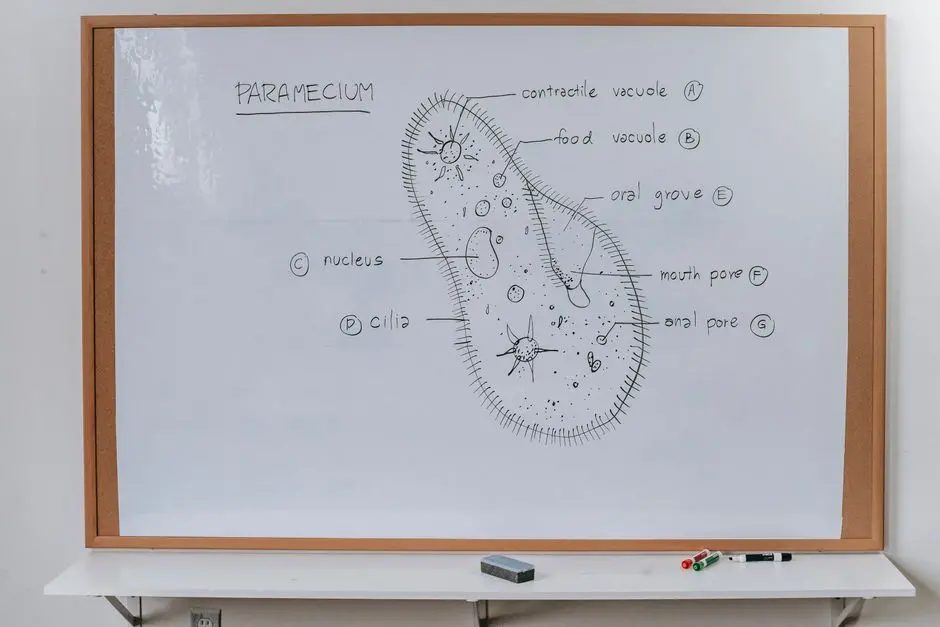
The intricate dance of life hinges on cellular architecture. We dissect the profound structural and functional disparities that set eukaryotic cells apart from their prokaryotic counterparts. This deep dive is not merely an academic exercise; it is an indispensable journey for anyone seeking to grasp the foundational principles underpinning biological systems, from disease mechanisms to the grand tapestry of evolutionary biology.
Understanding these fundamental distinctions is paramount. We illuminate how eukaryotes forged their advanced operational capabilities, fundamentally transforming the very fabric of life and enriching our comprehension of the fundamental units of life. Prepare to navigate the sophisticated internal world of eukaryotic cells and discover the evolutionary milestones that define their advanced state. We unlock the secrets of cellular complexity, driving forward our collective knowledge in biology.
The Blueprint of Life: Fundamental Distinctions Unleashed
At the core of cellular biology, we encounter two primary architectures: prokaryotic and eukaryotic cells. While both represent complete living units, their fundamental blueprints diverge dramatically. Prokaryotic cells, exemplified by bacteria and archaea, embody an efficient simplicity. They lack a membrane-bound nucleus, confining their genetic material—typically a single circular chromosome—within a region called the nucleoid. Crucially, they also lack true membrane-bound organelles, performing most metabolic processes directly within their cytoplasm. Their average size is notably smaller, typically ranging from 0.1 to 5 micrometers.
Eukaryotic cells, in stark contrast, introduce a level of internal organization that redefines cellular functionality. Their defining feature is the presence of a true nucleus, encapsulating their linear DNA chromosomes. This nuclear envelope acts as a crucial regulatory barrier. Beyond the nucleus, eukaryotic cells are replete with a diverse array of membrane-bound organelles, each specialized for distinct functions. Consider the mitochondria, the powerhouses of the cell, or the endoplasmic reticulum, vital for protein and lipid synthesis. This compartmentalization is not incidental; it is a strategic evolutionary adaptation that allows for increased efficiency, the segregation of incompatible reactions, and a much larger cell volume, typically ranging from 10 to 100 micrometers. We identify this internal structuring as the initial and most significant leap in eukaryotic complexity. A common error is viewing prokaryotes as 'primitive' rather than 'efficiently simple'; best practice dictates we appreciate the distinct evolutionary trade-offs inherent in each design.
Orchestration of Function: The Power of Compartmentalized Organelles
The hallmark of eukaryotic cells lies in their sophisticated internal machinery: the membrane-bound organelles. These specialized compartments elevate cellular function far beyond the capabilities of prokaryotes. We analyze their roles as distinct micro-factories within the larger cellular enterprise. The endoplasmic reticulum (ER), a vast network of interconnected membranes, handles protein folding, modification, and lipid synthesis. Its rough surface, studded with ribosomes, ensures proteins destined for secretion or membrane integration are correctly processed, while the smooth ER plays a critical role in detoxification and calcium storage. Following the ER, the Golgi apparatus receives, modifies, sorts, and packages these macromolecules into vesicles for transport to various destinations.
The mitochondria stand as prime examples of eukaryotic specialization, responsible for cellular respiration and ATP production. Their internal folded membranes (cristae) dramatically increase the surface area for energy conversion, a far more efficient system than the plasma membrane-based respiration found in many prokaryotes. Lysosomes, filled with hydrolytic enzymes, serve as the cell’s recycling centers, breaking down waste materials and cellular debris. Similarly, peroxisomes manage oxidative metabolism, neutralizing toxic byproducts. This compartmentalization allows for optimal local conditions—specific pH levels, enzyme concentrations—for each reaction, preventing interference and maximizing output. An insider tip: Think of organelles as dedicated specialists, each contributing to a highly efficient assembly line. A common error is merely listing organelles without understanding their synergistic interactions and the *why* behind their individual specializations.
Genetic Command & Control: Sophisticated DNA Organization and Expression
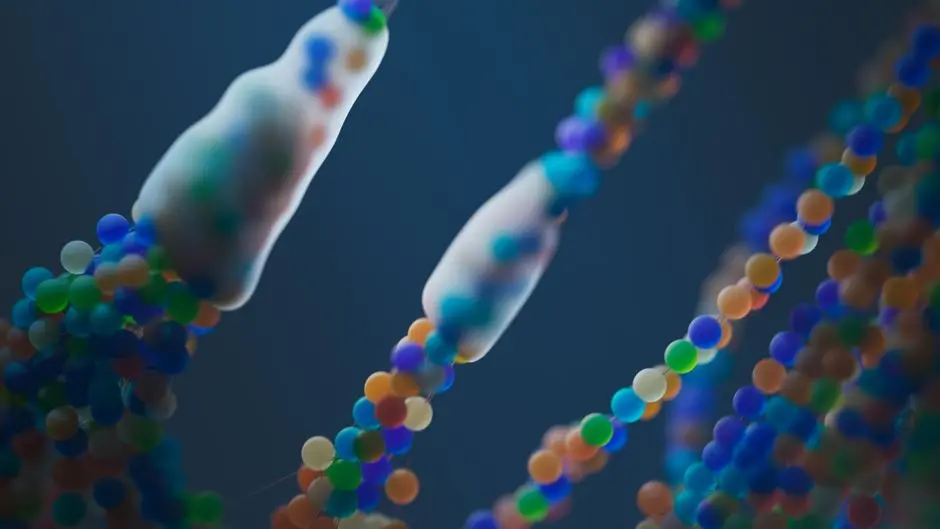
The genetic material, DNA, is the master instruction set of any cell, but its organization and expression in eukaryotes present another layer of profound complexity. In prokaryotes, DNA typically exists as a single, circular chromosome located in the nucleoid region, often supplemented by smaller, circular plasmids. Gene expression is relatively direct: transcription and translation can occur almost simultaneously in the cytoplasm. This directness contributes to their rapid adaptability and growth.
Eukaryotic cells, however, showcase a meticulously organized genome. Their DNA is linear, distributed across multiple chromosomes, and intricately wound around proteins called histones to form chromatin. This complex packaging allows for the compaction of vast amounts of genetic information within the confined space of the nucleus. The nuclear envelope physically separates transcription (occurring in the nucleus) from translation (occurring in the cytoplasm). This separation introduces critical regulatory checkpoints, enabling sophisticated control over gene expression. Furthermore, eukaryotic genes often contain non-coding regions called introns, which are removed through splicing before translation, and coding regions called exons. This intricate splicing mechanism allows for alternative splicing, generating multiple protein variants from a single gene, a level of proteomic diversity unknown in prokaryotes.
This sophisticated organization, from histone-mediated packaging to nuclear segregation and alternative splicing, is not without its costs in energy and time, but it grants eukaryotes immense flexibility, precise regulation, and the capacity for complex developmental programs—a logical step towards multicellularity and specialized cell types. We observe that the nucleus is far more than a mere container; it is a regulatory hub facilitating an unparalleled level of genetic command and control.
Dynamic Internal Architecture: Cytoskeleton and Endomembrane Systems
Beyond static compartmentalization, eukaryotic cells possess a dynamic internal architecture that prokaryotes lack: the cytoskeleton and a highly integrated endomembrane system. The cytoskeleton, a complex network of protein filaments—microtubules, microfilaments (actin filaments), and intermediate filaments—provides structural support, maintains cell shape, and orchestrates crucial intracellular movements. Unlike the rigid cell walls of many prokaryotes, the eukaryotic cytoskeleton allows for dynamic changes in cell morphology, enabling processes like phagocytosis, cell migration, and muscular contraction. It also functions as an internal railway system, facilitating the transport of vesicles and organelles throughout the cytoplasm, powered by motor proteins.
The endomembrane system, comprising the nuclear envelope, endoplasmic reticulum, Golgi apparatus, lysosomes, vacuoles, and the plasma membrane, operates as a coordinated unit for synthesizing, modifying, packaging, and transporting proteins and lipids. This intricate network ensures that macromolecules are delivered to their correct destinations, whether within the cell, integrated into membranes, or secreted outside. For instance, a protein synthesized on the rough ER transits through the Golgi for further processing before being enclosed in a vesicle targeted for the plasma membrane or a lysosome. This highly efficient internal trafficking stands in stark contrast to prokaryotic cells, where proteins are typically synthesized directly into the cytoplasm or inserted into the plasma membrane without complex routing. An insider tip: The cytoskeleton isn't just a skeleton; it's a dynamic, living scaffolding that enables everything from cellular motility to precise chromosome segregation during division. We underscore that prokaryotes are robust; eukaryotes are adaptable and intricate.
Intercellular Communication and the Ascent of Multicellularity
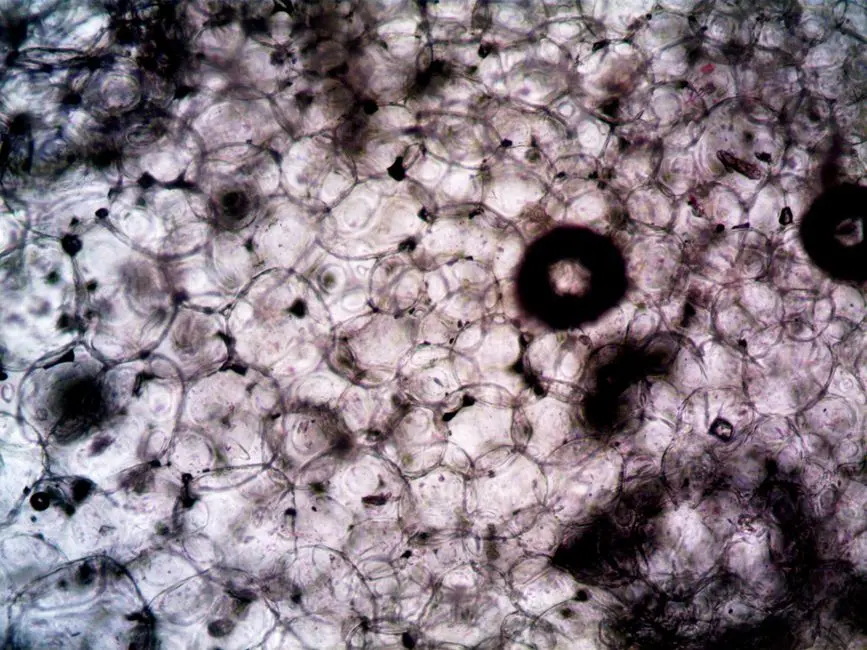
The inherent complexity of eukaryotic cells laid the foundation for one of life's most profound evolutionary innovations: multicellularity. While prokaryotes can form complex communities like biofilms, true multicellularity, characterized by cellular differentiation and interdependent specialization, is an exclusive domain of eukaryotes. This capability stems directly from eukaryotic cells' advanced internal organization and their sophisticated mechanisms for intercellular communication.
Eukaryotic cells employ a diverse array of signaling pathways and physical connections to communicate and cooperate. Gap junctions in animal cells and plasmodesmata in plant cells allow for direct cytoplasmic exchange of small molecules and ions between adjacent cells, enabling rapid coordination. The extracellular matrix (ECM), a complex network of secreted macromolecules, provides structural support, mediates cell adhesion, and acts as a reservoir for growth factors and signaling molecules, crucial for tissue formation and organ development. These intricate communication networks allow for the precise coordination of functions across vast numbers of cells, leading to the formation of tissues, organs, and ultimately, complex organisms with specialized systems like nervous, circulatory, and immune systems.
Prokaryotic communication, primarily through quorum sensing, allows populations to coordinate behaviors based on cell density, but it lacks the depth and precision of eukaryotic signaling. The ability of eukaryotic cells to differentiate into myriad cell types, each performing a specific role, is a direct consequence of their sophisticated genetic regulation and intercellular communication capabilities. This logical step in evolution demonstrates how increased cellular complexity translates into emergent properties at the organismal level, allowing for life forms of unparalleled diversity and sophistication. We stress that this specialization and communication capability is a cornerstone of advanced biological organization.
Key Takeaways
Core Evolutionary Divergence: Compartmentalization and Scale
Eukaryotic cells are fundamentally more complex due to the evolution of a membrane-bound nucleus and specialized organelles, a feature absent in prokaryotes. This internal compartmentalization allows for distinct biochemical processes to occur in optimized, separate environments, enabling significantly larger cell sizes and enhanced functional specialization. The separation of genetic material within the nucleus offers sophisticated regulatory control, a critical advantage for managing complex genomes.
Optimized Cellular Machinery: Specialized Functions and Efficiency
The presence of diverse organelles—like mitochondria for energy production, the endoplasmic reticulum and Golgi for protein and lipid synthesis/trafficking, and lysosomes for waste management—transforms eukaryotic cells into highly efficient, coordinated systems. This specialized machinery allows for complex metabolic pathways, precise protein modification, and detoxification, pushing cellular operational efficiency to levels unachievable by simpler prokaryotic designs.
Foundations of Advanced Life: Dynamic Structure and Multicellularity
Eukaryotic complexity extends to their dynamic internal architecture, including a robust cytoskeleton for shape, movement, and intracellular transport, and an integrated endomembrane system for material processing and delivery. These features, coupled with sophisticated intercellular communication mechanisms, not only enable precise regulation and adaptability within individual cells but also laid the evolutionary groundwork for the emergence of cellular differentiation and complex multicellular organisms, ushering in the vast diversity of advanced life forms we observe today.
FAQ
-
What is the primary advantage of eukaryotic complexity over prokaryotic simplicity?
The primary advantage of eukaryotic complexity is enhanced functional specialization and efficiency achieved through compartmentalization. Membrane-bound organelles allow for specific biochemical reactions to occur in optimized environments, preventing interference and maximizing output, which is crucial for larger cell volumes and more intricate metabolic pathways. -
Are prokaryotic cells considered 'primitive' compared to eukaryotic cells?
No, it is inaccurate to label prokaryotic cells as 'primitive.' While simpler in structure, prokaryotes are incredibly successful and diverse, mastering efficiency through their streamlined organization. Their design represents a distinct and highly successful evolutionary lineage, optimized for rapid replication and adaptability in diverse environments, rather than a less evolved state. -
Could prokaryotic cells evolve into eukaryotic cells?
Direct evolution of a prokaryotic cell into a eukaryotic cell is not observed. Eukaryotic cells arose through a distinct evolutionary process, notably involving endosymbiosis—where one prokaryotic cell engulfed another (like an ancestral mitochondrion or chloroplast) leading to the development of organelles. This was a unique, ancient event, not a continuous process of individual prokaryotes 'upgrading' to eukaryotes. -
Do all eukaryotic cells form multicellular organisms?
No, not all eukaryotic cells are part of multicellular organisms. Many eukaryotic organisms, such as yeasts, amoebae, and various protists, are unicellular. The capacity for multicellularity, however, is a hallmark feature enabled by eukaryotic cellular complexity, allowing for cell differentiation and cooperative functions.