
Forge: Cells as the Foundational Bricks of Life
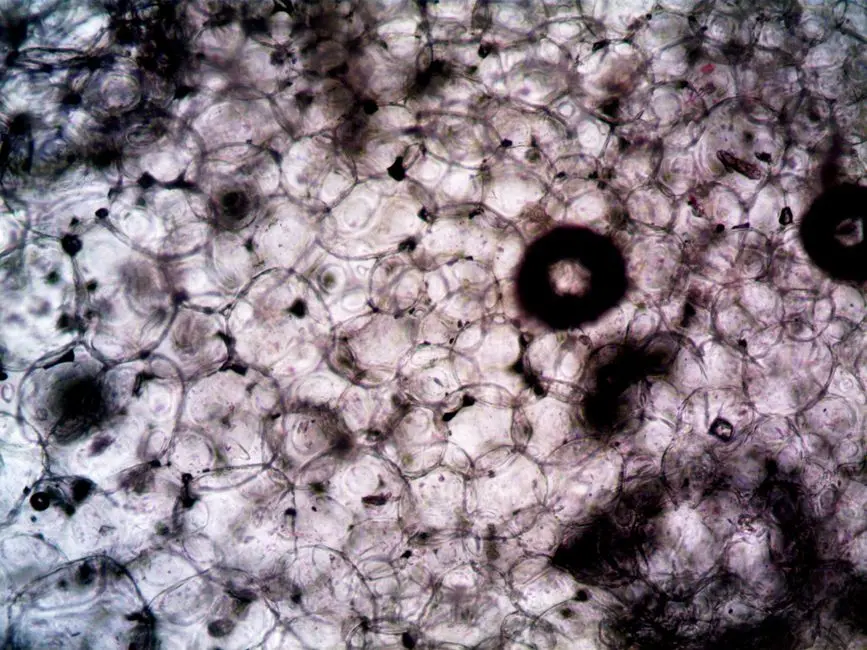
Dive into the microscopic universe and decode the absolute bedrock of existence: the cell. For centuries, humanity has strived to comprehend life's intricate tapestry. Now, we activate our understanding by dissecting the very entities that compose every living organism. This deep-dive resource will revolutionize your grasp of cellular biology, revealing why these minuscule powerhouses are not just units, but the architects of life itself. Prepare to uncover the historical journey, the core principles, and the astounding complexity that defines cellular life, equipping you with the knowledge to navigate the biological frontiers with unparalleled clarity.
The Cell Theory: A Cornerstone of Biological Understanding
We embark on a journey to demystify the foundational principles that govern all life. The very concept of life's building blocks is enshrined in the cell theory, a pivotal scientific framework. Understanding What is the cell theory in modern biology?, we illuminate how this theory provides an indispensable lens through which we examine every organism, from the simplest bacterium to the most complex mammal. This theory is not a static dogma but a dynamic understanding forged through relentless scientific inquiry. Its establishment marked a paradigm shift, transforming biological thought from speculative observation to empirical investigation. The implications of this theory are profound, dictating how we approach everything from disease mechanisms to evolutionary pathways. Without the cell theory, our current understanding of biology would be vastly incomplete, lacking the unifying principle that connects all living entities at their most fundamental level. We recognize that every living thing, without exception, is composed of these elemental units. This realization, achieved through centuries of observation and experimentation, solidifies the cell's position as the absolute minimum requirement for life. We acknowledge the historical context that paved the way for this understanding, a testament to human curiosity and perseverance. The Historical discoveries that led to the cell theory reveal a fascinating progression of ideas and technological advancements, each step bringing us closer to this universal truth. From early microscopes to sophisticated imaging techniques, the evolution of tools directly paralleled the deepening of our comprehension. We see how initial observations of 'cells' in cork by Robert Hooke, and later the identification of living cells by Antonie van Leeuwenhoek, laid the groundwork. Further contributions from Matthias Schleiden and Theodor Schwann, proposing that plants and animals are composed of cells, and Rudolf Virchow's crucial addition that all cells arise from pre-existing cells, cemented the theory. This historical arc is vital for appreciating the robustness and enduring relevance of the cell theory in contemporary science. We grasp that life is not a continuous substance but a collection of discrete, organized units, each with its own intricate machinery.
Why Cells Reign Supreme: The Basic Units of Life
We activate our comprehension of life's fundamental organization by understanding Why cells are considered the basic units of life. This designation is not arbitrary; it is a direct consequence of the cell's inherent capabilities. A cell is the smallest entity that can perform all the processes necessary for life, including metabolism, growth, response to stimuli, and reproduction. It possesses the self-sufficiency to maintain its internal environment, extract energy, synthesize molecules, and perpetuate its kind. No simpler entity exhibits this autonomy. We dissect this concept further by examining Simple explanation of the three principles of cell theory. First, all living organisms are composed of one or more cells. Second, the cell is the basic structural and functional unit of life. Third, all cells arise from pre-existing cells through division. These principles collectively establish the cell as the universal prerequisite for biological existence. We understand that even single-celled organisms are complete life forms, encapsulating all necessary functions within their singular cellular boundary. This perspective is revolutionary. It means that complexity in multicellular organisms arises not from a fundamental alteration of life's basic unit, but from the aggregation, specialization, and coordinated interaction of these individual cells. The historical progression, marked by Historical discoveries that led to the cell theory, was essential in establishing this universal principle. We acknowledge that without the development of microscopy and the meticulous observations of early biologists, this fundamental truth might have remained elusive for much longer. The ability to visualize these microscopic structures was paramount. We forge ahead, recognizing that understanding cellular behavior is synonymous with understanding life itself. This is the leverage point from which all biological investigation springs. We see that the cell is the ultimate biological currency, the indivisible unit that underpins all biological phenomena. Its self-contained nature and capacity for independent life functions make it the undisputed foundation. We understand that life, in all its diversity, is an emergent property of cellular activity.
The Prokaryotic-Eukaryotic Divide: Early Life Forms and Advanced Organisms
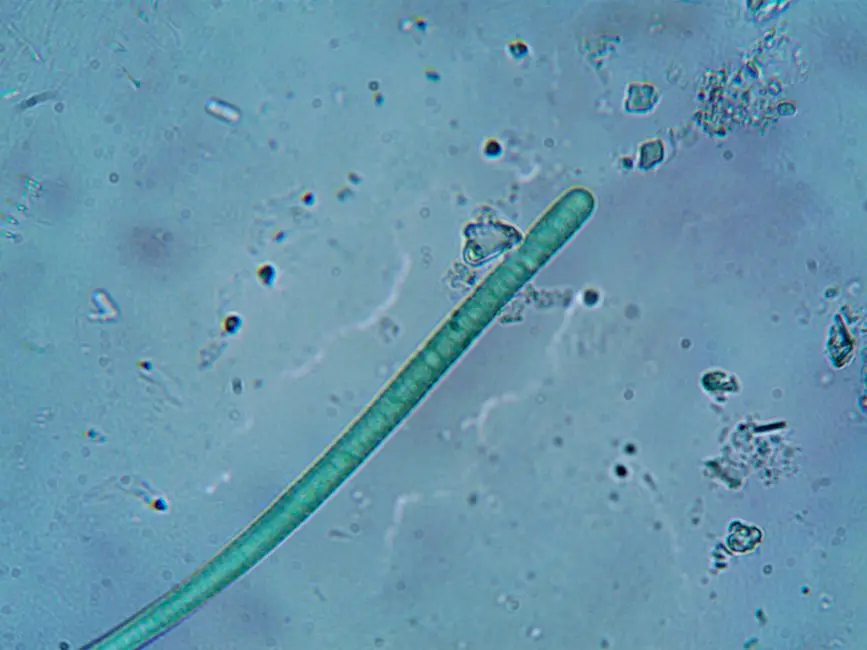
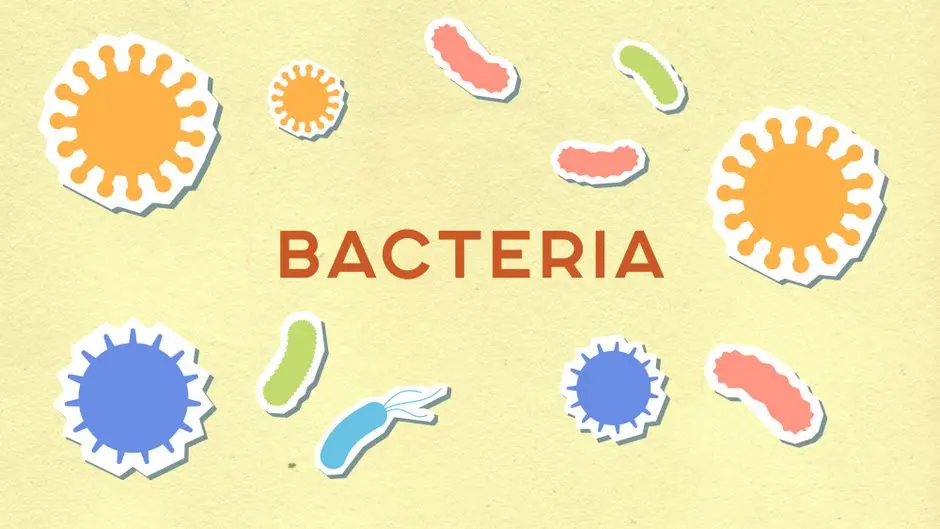
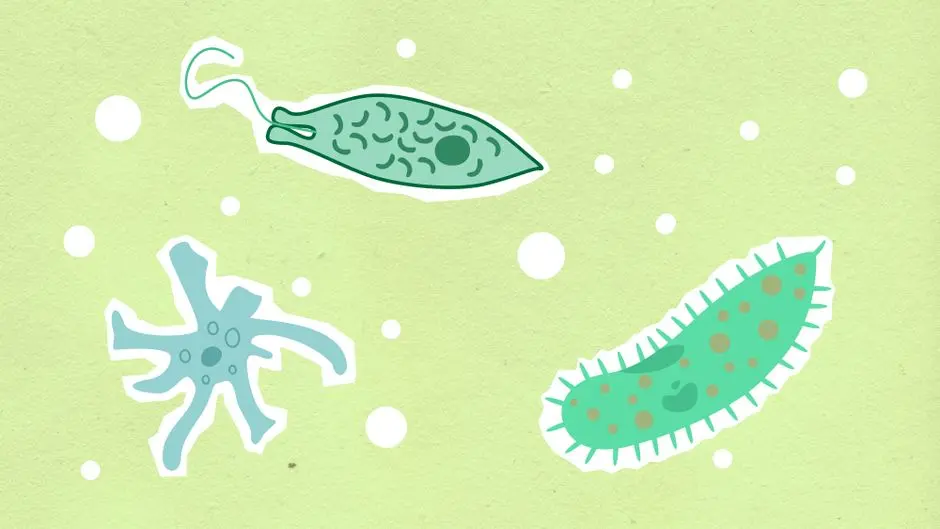
We navigate the fundamental dichotomy in cellular architecture, a critical distinction that shapes the diversity of life on Earth. Understanding the Differences between prokaryotic and eukaryotic cells reveals two major evolutionary pathways that emerged early in life's history. We first decode What are prokaryotic cells and how do they function?. These are the simplest and most ancient cell types. They lack a membrane-bound nucleus and other membrane-bound organelles. Their genetic material, typically a circular chromosome, resides in a region called the nucleoid. We highlight the Key structural differences in bacterial and eukaryotic cells. Prokaryotes possess a cell wall, a plasma membrane, cytoplasm, ribosomes, and a nucleoid region. They do not have mitochondria, endoplasmic reticulum, Golgi apparatus, or lysosomes. Their relatively simple structure allows for rapid reproduction and adaptation. We identify Examples of organisms with prokaryotic cells, which include bacteria and archaea – the dominant life forms for billions of years. These organisms thrive in diverse environments, from soil to deep-sea vents. The simplicity of prokaryotic cells belies their immense ecological importance and biochemical versatility. We then pivot to the complexity of eukaryotic cells, understanding Why eukaryotic cells are more complex than prokaryotic cells. This complexity stems from the presence of a true nucleus, which houses the DNA, and numerous membrane-bound organelles. These organelles, such as mitochondria and endoplasmic reticulum, compartmentalize cellular functions, leading to greater efficiency and specialization. This structural sophistication is the hallmark of multicellular organisms and many single-celled eukaryotes like protists. We see that this division represents a fundamental branching point in the tree of life, with prokaryotes representing the resilient pioneers and eukaryotes evolving intricate systems for more complex biological functions. The evolutionary success of both types underscores the remarkable adaptability of the cellular form.
The Orchestra of Life: Major Cell Organelles and Their Roles
We delve into the intricate internal machinery that powers cellular life, understanding that Major cell organelles and their biological roles function like specialized departments within a bustling factory. This compartmentalization is key to cellular efficiency and survival. We begin with the powerhouse: What does the mitochondrion do in a cell?. Mitochondria are responsible for cellular respiration, the process of converting glucose and oxygen into ATP, the cell's primary energy currency. Without mitochondria, complex cellular activities would be impossible due to energy limitations. We then illuminate the Functions of the nucleus, ribosomes, and endoplasmic reticulum. The nucleus, often termed the cell's control center, houses the genetic material (DNA) and directs protein synthesis. Ribosomes, small granular structures, are the sites of protein synthesis, translating genetic information into functional proteins. The endoplasmic reticulum (ER), a network of membranes, is involved in protein and lipid synthesis and transport. We underscore Why organelles are essential for cellular organization. Organelles create distinct microenvironments within the cell, allowing specific biochemical reactions to occur without interference from others. This division of labor prevents chaos and maximizes efficiency. We witness How organelles coordinate biological processes, forming interconnected pathways. For instance, the nucleus dictates protein synthesis, ribosomes build the proteins, the ER modifies and transports them, and the Golgi apparatus further processes and packages them for delivery. This intricate coordination ensures that all cellular functions, from energy production to waste removal, operate harmoniously. We recognize that this internal organization is not merely about structure but about dynamic, interconnected processes that sustain life. The specialization of organelles allows for the remarkable complexity and adaptability observed in all eukaryotic organisms. This sophisticated internal architecture is a testament to evolutionary innovation.
The Cell Membrane: Gatekeeper and Communicator
We activate our understanding of the cell's boundary, a dynamic and critical interface that defines its existence. The Structure of the cell membrane explained simply reveals it as a fluid mosaic composed primarily of a phospholipid bilayer with embedded proteins. This structure is not rigid but flexible, allowing the membrane to change shape and facilitate various cellular processes. We explore How molecules move across cell membranes, a fundamental aspect of cellular function. The membrane acts as a selective barrier, controlling which substances enter and exit the cell. This precise regulation is vital for maintaining homeostasis and acquiring necessary nutrients while expelling waste products. We then dissect What is diffusion and osmosis in biology?. Diffusion is the passive movement of molecules from an area of high concentration to an area of low concentration. Osmosis is a specific type of diffusion involving the movement of water across a semipermeable membrane. These processes are crucial for nutrient uptake and waste removal. We contrast this with Active vs passive transport in cellular systems. Passive transport, like diffusion and osmosis, does not require cellular energy. Active transport, however, moves molecules against their concentration gradient and necessitates the expenditure of cellular energy (ATP). This ability to actively pump substances across the membrane allows cells to maintain specific internal concentrations that differ greatly from their surroundings. Finally, we consider Why membrane permeability matters for cells. The selective permeability of the cell membrane is paramount. It ensures that essential molecules can enter, metabolic byproducts can exit, and the cell can maintain a stable internal environment despite external fluctuations. This delicate balance is the foundation of cellular health and function. We forge ahead, recognizing the membrane as a sophisticated, intelligent barrier that actively participates in the life of the cell.
The Cycle of Life: Cell Division and Replication
We forge into the essential process that underpins growth, reproduction, and the very continuation of life: cell division. Understanding Why cells divide and how the process works is fundamental to comprehending biological development and repair. We begin with a Basic overview of the cell cycle in biology. The cell cycle is a series of events a cell undergoes as it grows and divides. It consists of interphase (growth and DNA replication) and the mitotic phase (nuclear division and cytokinesis, or cell division). This ordered sequence ensures that daughter cells receive a complete and accurate set of genetic instructions. We then focus on What happens during mitosis in simple terms?. Mitosis is the process where a single cell divides its nucleus into two identical daughter nuclei. This is followed by cytokinesis, where the cytoplasm divides, resulting in two genetically identical daughter cells. This process is critical for asexual reproduction and the growth of multicellular organisms. We explore How cells replicate before division. Before a cell can divide, it must duplicate its entire genome. This DNA replication occurs during the S phase of interphase, ensuring that each daughter cell receives a full complement of genetic material. This precise duplication is a marvel of molecular machinery. We consider the Importance of cell division in growth and repair. For multicellular organisms, cell division is the engine of growth, increasing the number of cells from a single fertilized egg to trillions. It is also vital for tissue repair, replacing damaged or lost cells throughout an organism's life. Whether for the proliferation of a single-celled organism or the complex development of a human, the principles of cell division remain consistent, ensuring the perpetuation of life's blueprint. We recognize that this continuous cycle of division and renewal is what allows life to persist and evolve.
The Impact of Cell Theory on Modern Biological Research
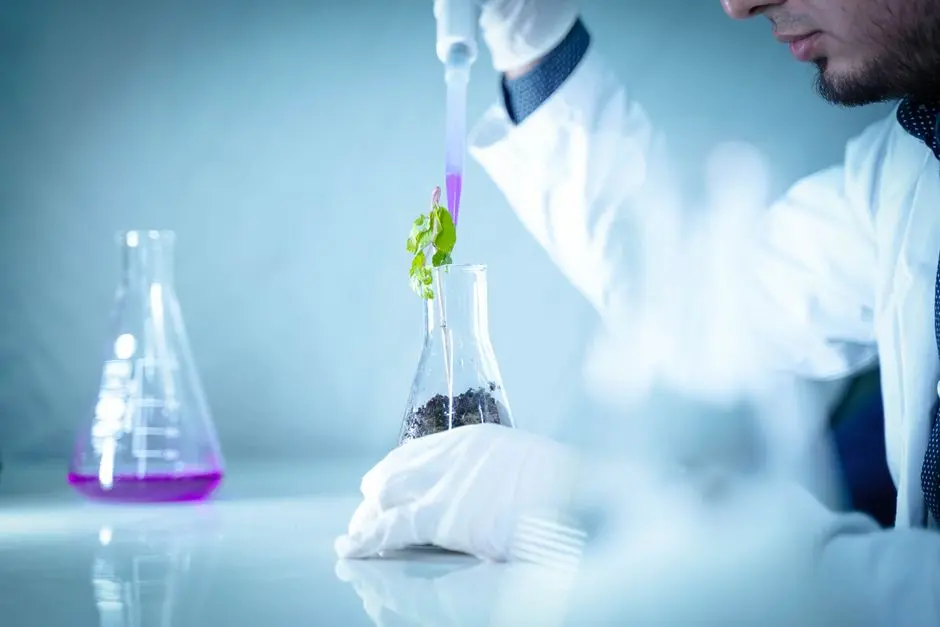
We consolidate our understanding by examining the profound influence of cellular concepts on contemporary biological inquiry. How cell theory shaped modern biological research is a narrative of scientific revolution. The cell theory provided a unifying framework, transforming biology from a descriptive science into a more mechanistic and analytical discipline. We see its direct impact on fields like medicine, where understanding cellular dysfunction is key to diagnosing and treating diseases. For example, cancer research fundamentally relies on understanding uncontrolled cell division and the mutations within cellular machinery. We also recognize its role in genetics; the study of inheritance is intrinsically linked to how genetic information is stored, replicated, and transmitted within cells. The development of molecular biology, which investigates biological processes at the molecular level, owes a significant debt to the cellular foundation. Researchers can now probe the intricate interactions within Major cell organelles and their biological roles, dissecting how these components contribute to overall cellular function and organismal health. Furthermore, the distinction between Differences between prokaryotic and eukaryotic cells has paved the way for specialized fields like microbiology and immunology, each focusing on distinct cellular life forms and their interactions. The understanding of How molecules move across cell membranes through mechanisms like What is diffusion and osmosis in biology? and Active vs passive transport in cellular systems is critical for drug delivery, nutrient absorption studies, and understanding cellular communication. The journey from recognizing cells as basic units to manipulating cellular processes for therapeutic purposes is a testament to the enduring legacy of cell theory. We acknowledge that the continuous refinement of our understanding of cell division, including Basic overview of the cell cycle in biology and What happens during mitosis in simple terms?, has revolutionized developmental biology and regenerative medicine. The cell remains the ultimate focus, the fundamental arena where the drama of life unfolds, and How cell theory shaped modern biological research continues to drive innovation and discovery across the entire biological spectrum.
Key Takeaways
Core Principles: The Cell Theory
Life is built upon cells. The cell theory, shaped by historical discoveries, states that all organisms are made of cells, cells are the fundamental units of life, and all cells come from pre-existing cells. This theory underpins all biological research.
Cell Types: Prokaryotes vs. Eukaryotes
Life exists in two major cellular forms: prokaryotic (simple, no nucleus, e.g., bacteria) and eukaryotic (complex, with a nucleus and organelles, e.g., plants, animals). This difference reflects distinct evolutionary paths and levels of complexity.
Internal Organization: Organelles at Work
Eukaryotic cells feature specialized compartments called organelles, each with distinct roles. Key players include the nucleus (DNA storage), mitochondria (energy production), and ribosomes (protein synthesis). Organelles work in coordination to maintain cellular functions.
The Cell Membrane: A Dynamic Barrier
The cell membrane, a phospholipid bilayer with proteins, controls substance movement. It regulates what enters and exits the cell through passive processes like diffusion and osmosis, and active transport, crucial for maintaining internal balance (homeostasis).
Cellular Reproduction: Division and Growth
Cells divide to grow, repair tissues, and reproduce. The cell cycle involves DNA replication and division (mitosis), ensuring daughter cells receive accurate genetic material. This process is vital for life's continuity.
FAQ
-
What are the three main principles of cell theory?
The three main principles of cell theory state that: 1) all living organisms are composed of one or more cells, 2) the cell is the basic structural and functional unit of life, and 3) all cells arise from pre-existing cells through division. -
What is the primary difference between prokaryotic and eukaryotic cells?
The primary difference lies in their internal structure. Eukaryotic cells possess a membrane-bound nucleus and other membrane-bound organelles, while prokaryotic cells lack these structures; their genetic material is located in a nucleoid region. -
Why are mitochondria called the 'powerhouses' of the cell?
Mitochondria are called the 'powerhouses' because they are responsible for cellular respiration, the process that generates most of the cell's supply of adenosine triphosphate (ATP), used as a source of chemical energy. -
How does the cell membrane control what enters and leaves the cell?
The cell membrane is selectively permeable. This means it allows certain molecules or ions to pass through it by means of active or passive transport, while others are blocked. Embedded proteins play a crucial role in this selective transport. -
What is the main purpose of mitosis?
The main purpose of mitosis is to produce two genetically identical daughter cells from a single parent cell. This process is essential for growth, repair, and asexual reproduction in organisms.