
> Basic Biology Concepts > Cell Structure and Cellular Organization > Unveil Cell Theory: Modern Foundations of Life Explored
Unveil Cell Theory: Modern Foundations of Life Explored
We stand at the precipice of understanding life itself, a journey that invariably begins with the cell. This foundational concept, pivotal to all biological sciences, underpins every aspect of life as we know it. From the simplest bacterium to the most complex human, cells are the universal common denominator. Delving into the cell theory isn't merely an academic exercise; it is an expedition into the very blueprints of existence, equipping us with the tools to decipher biological phenomena, from disease mechanisms to evolutionary pathways. Ignoring this fundamental doctrine is akin to attempting to build a skyscraper without a foundational understanding of engineering principles.
This article embarks on a meticulous exploration of the cell theory, charting its historical genesis, dissecting its core tenets, and revealing its modern expansions. We forge a comprehensive understanding, connecting historical breakthroughs with contemporary insights in molecular biology and genetics. Prepare to deepen our fundamental understanding of cells as the basic units of life, gaining an expert perspective on why this theory remains the bedrock of all biological inquiry and how it continues to drive innovation in medicine and biotechnology. Join us as we unlock the secrets held within every living cell.
Laying the Foundation: The Genesis of Cell Theory
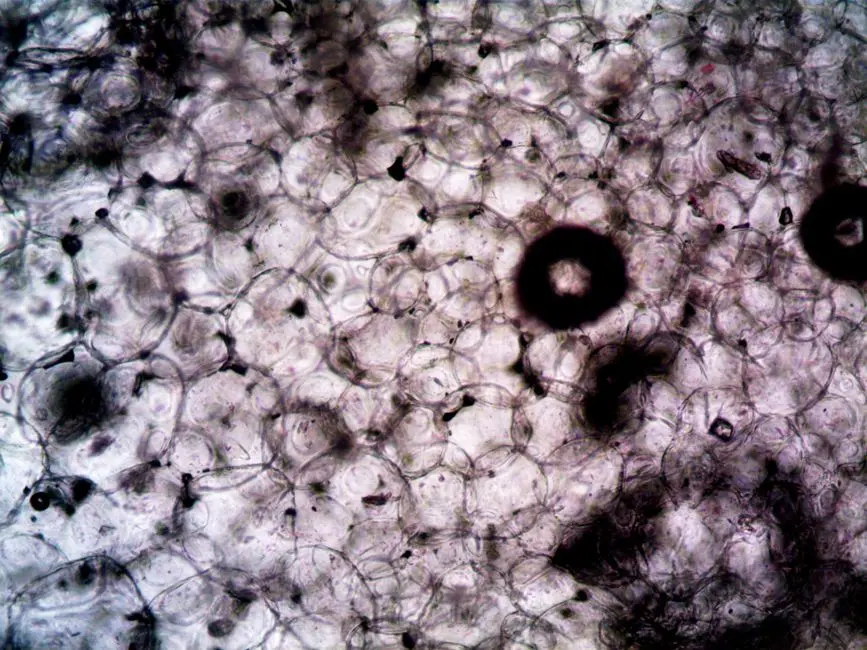
The journey to formulate the cell theory commenced with pivotal technological advancements: the invention and refinement of the microscope. In 1665, Robert Hooke made a groundbreaking observation, coining the term 'cell' after examining the porous structure of cork, reminding him of monks' tiny rooms. Though Hooke observed dead plant cells, his contribution ignited curiosity. Decades later, Antonie van Leeuwenhoek, a master lens maker, pushed the boundaries further. His superior microscopes allowed him to visualize living microorganisms—'animalcules'—in pond water, and even human blood cells and sperm. These initial glimpses into the microscopic world laid dormant for over a century, awaiting the convergence of more sophisticated observations and critical synthesis.
The 19th century became the crucible for the formalization of cell theory. In 1838, Matthias Schleiden, a botanist, proposed that all plant tissues are composed of cells and that the embryonic plant arises from a single cell. A year later, Theodor Schwann, a zoologist, extended this principle to animal tissues, boldly stating that all animal tissues are also composed of cells, thereby identifying striking similarities between plant and animal cellular structures. Their combined work crystallized the first two tenets of what would become the unified cell theory. Yet, the crucial question of how cells originated remained. It was Rudolf Virchow, in 1855, who provided the definitive answer, famously proclaiming 'Omnis cellula e cellula'—all cells arise from pre-existing cells. This third tenet completed the foundational framework, transforming scattered observations into a cohesive, universal principle. We now recognize that the cell theory didn't spring forth fully formed; it was painstakingly forged through centuries of scientific inquiry and technological progression.
Dissecting the Core Tenets: The Pillars of Cellular Life
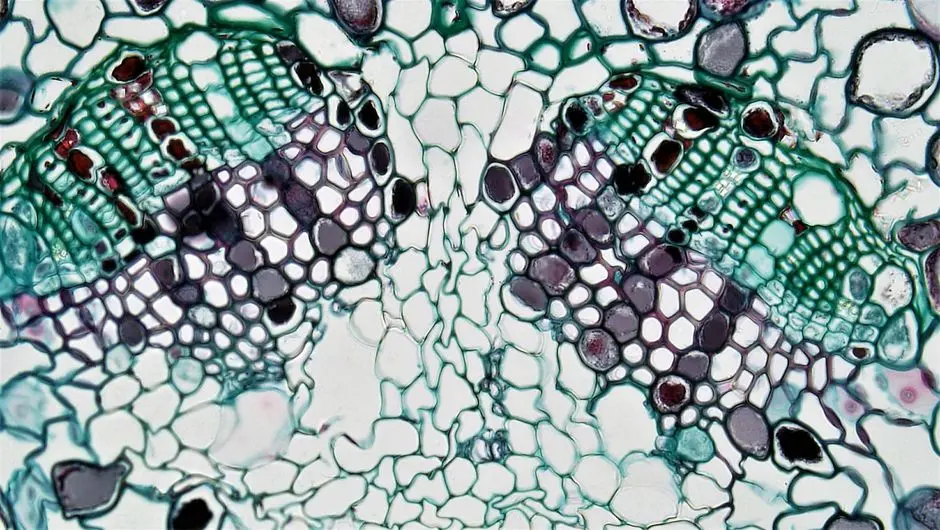
The foundational cell theory, established through the work of Schleiden, Schwann, and Virchow, rests upon three indispensable tenets. Each tenet represents a monumental shift in our understanding of life's organization. We unpack these pillars to appreciate their profound implications for modern biology.
Tenet 1: All known living organisms are composed of one or more cells. This principle establishes the cell as the universal building block of life. Whether an organism is unicellular, like a bacterium, or multicellular, like a whale, its entire structure and existence depend on cells. This tenet unified the diverse biological world under a single organizational principle, demonstrating that life, in all its forms, shares this fundamental characteristic. It shattered previous vitalistic views that often attributed life to mysterious, non-physical forces, grounding it firmly in observable, physical units.
Tenet 2: The cell is the basic structural and functional unit of all living organisms. This isn't merely about composition; it's about capability. Each cell, regardless of its specialization within a multicellular organism, possesses the necessary machinery to carry out the fundamental processes of life: metabolism, growth, response to stimuli, and reproduction. For unicellular organisms, the single cell *is* the organism. For multicellular organisms, cells differentiate and specialize, but the fundamental functions still reside within individual cells. This concept highlights the self-sufficient nature of the cell, emphasizing its role as the smallest entity capable of autonomous life.
Tenet 3: All cells arise from pre-existing cells by division. This tenet, Virchow's critical contribution, refuted the long-held notion of spontaneous generation. It posits that life doesn't spontaneously materialize from non-living matter but instead perpetuates through cellular replication. This insight was revolutionary, providing a clear mechanism for growth, repair, and reproduction in all organisms. It also laid the groundwork for understanding hereditary processes and the continuity of life, setting the stage for future discoveries in genetics and molecular biology. Together, these three tenets construct the immutable framework upon which all biological sciences are built.
Expanding the Paradigm: Modern Cell Theory in Action
While the original three tenets remain foundational, modern biology, propelled by advances in molecular genetics, biochemistry, and microscopy, has significantly expanded our understanding of cellular life. We now recognize additional principles that enrich the cell theory, making it a more comprehensive model for understanding biological systems.
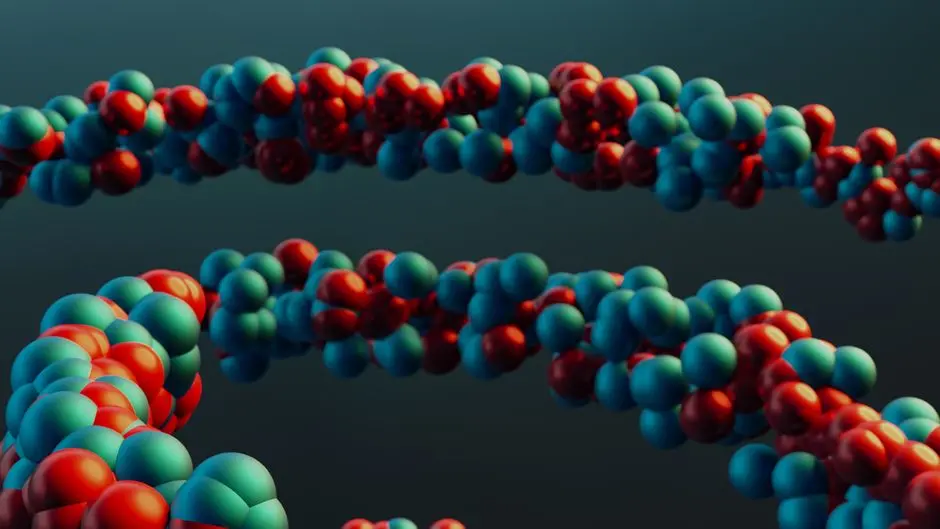
Tenet 4: Cells contain hereditary information (DNA) that is passed on from cell to cell during cell division. This critical addition, largely emerging from the discovery of DNA's structure by Watson and Crick and subsequent genetic research, explains how cellular traits and ultimately, organismal traits, are faithfully transmitted across generations. It cements the cell as the repository and propagator of genetic information, linking the observable process of cell division to the molecular mechanisms of heredity. We observe this principle in action during mitosis and meiosis, where DNA replication and accurate segregation ensure genetic continuity.
Tenet 5: All cells are fundamentally similar in chemical composition and metabolic activities. Despite the vast diversity in cell types and functions, a remarkable biochemical unity underlies all life. From bacteria to humans, cells employ similar core molecules (proteins, nucleic acids, lipids, carbohydrates) and fundamental metabolic pathways (e.g., glycolysis, Krebs cycle, oxidative phosphorylation) to generate energy and synthesize components. This biochemical conservatism points towards a common evolutionary origin and provides a universal framework for studying cellular processes across species. It allows us to extrapolate findings from model organisms to complex biological systems.
Tenet 6: Energy flow (metabolism and biochemistry) occurs within cells. This tenet highlights the cell as an active, dynamic system where continuous chemical reactions sustain life. Cells are not static bags of molecules but bustling factories, converting nutrients into energy, synthesizing complex molecules, and breaking down waste products. Processes like cellular respiration and photosynthesis are prime examples of this energy transformation, emphasizing that life is an open system requiring a constant input and conversion of energy. This energetic perspective is crucial for understanding how cells maintain homeostasis, grow, and respond to their environment.
The Cell Theory's Reach: Implications, Challenges, and Future Frontiers
The cell theory isn't merely a historical curiosity; its implications permeate every facet of modern biology and beyond. In medicine, understanding cellular dysfunction drives research into diseases like cancer, where uncontrolled cell division is central, or neurodegenerative disorders, where specific cell types degenerate. Biotechnology leverages our knowledge of cellular machinery for drug production, gene therapy, and regenerative medicine. For instance, creating induced pluripotent stem cells (iPSCs) directly applies the understanding that cells can be reprogrammed to adopt different fates, essentially manipulating the 'basic unit of life' for therapeutic purposes. The consistent reliance on cellular models in drug discovery underscores its practical utility. We continually optimize experimental designs by acknowledging the cell as the fundamental entity.
While robust, the cell theory does encounter conceptual challenges, particularly regarding the definition of 'life' and the status of entities like viruses. Viruses, lacking cellular structure and metabolic machinery, cannot replicate independently. They are obligate intracellular parasites, relying entirely on host cells for reproduction. Thus, they challenge the second and third tenets if interpreted strictly as independent life forms, but they don't invalidate the theory for cellular life. We classify them as biological entities but not living organisms in the cellular sense. Prions, infectious proteins without nucleic acids, further complicate the picture, existing outside the traditional cellular framework. Future frontiers involve synthetic biology, attempting to construct life from scratch, and origin of life research, exploring how the first cells arose, which inherently tests the boundaries of 'Omnis cellula e cellula'. We are also pushing the limits of microscopy, visualizing cellular processes in unprecedented detail, and leveraging AI to decipher complex cellular networks, continually refining our understanding of this core biological principle.
Key Takeaways
Genesis of Cell Theory
The cell theory evolved from 17th-century microscopy (Hooke, Leeuwenhoek) to 19th-century formalization. Schleiden (plants) and Schwann (animals) established that all organisms are composed of cells. Virchow added the crucial tenet that all cells arise from pre-existing cells, refuting spontaneous generation and completing the foundational theory.
Core Tenets Explained
- All living organisms are composed of one or more cells: The cell is life's universal building block.
- The cell is the basic structural and functional unit of all living organisms: Cells are the smallest entities capable of independent life functions.
- All cells arise from pre-existing cells by division: Life perpetuates through cellular replication, ensuring continuity and inheritance.
Modern Expansions of Cell Theory
- Cells contain hereditary information (DNA): Genetic material is passed during cell division, ensuring trait transmission.
- All cells are fundamentally similar in chemical composition and metabolic activities: A biochemical unity underlies all life, pointing to common ancestry.
- Energy flow occurs within cells: Cells are dynamic systems constantly converting and utilizing energy to sustain life processes.
Implications and Challenges
The cell theory is critical for medicine (disease understanding, therapies) and biotechnology. While robust, entities like viruses and prions are not considered 'living cells' as they lack independent cellular machinery and don't fit all tenets. Future research explores synthetic life and the origin of cells, continually pushing the boundaries of our understanding.
FAQ
-
Why are viruses not considered living cells according to the cell theory?
Viruses are not classified as living cells because they do not meet all criteria of the cell theory. They lack the cellular structure (e.g., cytoplasm, organelles) and the metabolic machinery required to perform life functions independently. Viruses are obligate intracellular parasites, meaning they can only replicate by infecting a host cell and utilizing its cellular mechanisms. They do not arise from pre-existing viruses through division in the same way cells do; instead, they hijack host cell machinery for assembly.
-
What was the most challenging tenet of the cell theory to prove historically?
Historically, the third tenet, 'All cells arise from pre-existing cells' (Omnis cellula e cellula), was arguably the most challenging to prove and gain acceptance for. This was due to the pervasive belief in spontaneous generation, the idea that life could spontaneously arise from non-living matter. Disproving this required meticulous experiments, notably Louis Pasteur's famous swan-neck flask experiments, which demonstrated that microorganisms did not spontaneously appear in sterile broth but were introduced from the outside. Rudolf Virchow's assertion, backed by such experimental evidence, definitively established cell lineage.
-
How has the cell theory significantly impacted medical advancements?
The cell theory forms the bedrock of modern medicine. It shifted medical focus from organ-level pathology to understanding diseases at the cellular level. This allowed for the identification of disease-causing agents like bacteria and viruses, the development of vaccines and antibiotics, and treatments targeting specific cellular processes (e.g., chemotherapy for cancer, which targets rapidly dividing cells). Furthermore, fields like regenerative medicine, tissue engineering, and gene therapy fundamentally rely on manipulating cells, understanding their structure, function, and capacity for division and differentiation to repair or replace damaged tissues and organs.
-
Does modern cell theory acknowledge any 'exceptions' to its principles?
While robust, the modern cell theory conceptually addresses entities that exist at the fringes of our definition of life. Viruses, as discussed, are not considered true cells because they lack self-replication capabilities and cellular components, though they possess genetic material. Prions, infectious proteins, are another example, as they lack nucleic acids entirely and operate outside a cellular context. These entities don't invalidate the cell theory for cellular life itself but rather highlight the diversity of biological entities and the boundaries of what we define as a 'living cell.' The theory remains universally applicable to all known cellular organisms.