
> Basic Biology Concepts > Cell Structure and Cellular Organization > Unleash Cellular Insights: How Cell Theory Forged Modern Biological Research
Unleash Cellular Insights: How Cell Theory Forged Modern Biological Research
The landscape of biological inquiry fundamentally transformed with the advent of cell theory. Before its widespread acceptance, the very essence of life, its organization, and its perpetuation remained shrouded in speculation and unproven hypotheses. We stand today on the shoulders of scientific giants whose meticulous observations and revolutionary postulates demystified the basic building blocks of all living organisms. This article embarks on an expedition to uncover how this pivotal scientific doctrine – that all life is composed of cells, that cells are the fundamental units of life, and that all cells arise from pre-existing cells – didn't just explain life, but actively sculpted the trajectory of every subsequent biological discovery. From deciphering the intricacies of disease mechanisms to pioneering genetic engineering and regenerative medicine, the principles of cell theory continue to illuminate our path forward. Prepare to explore the profound impact of understanding cells as the fundamental units of life, a concept that remains the bedrock of contemporary biological research, propelling us toward an ever-deeper comprehension of life itself.
Forging the Foundations: The Genesis and Tenets of Cell Theory
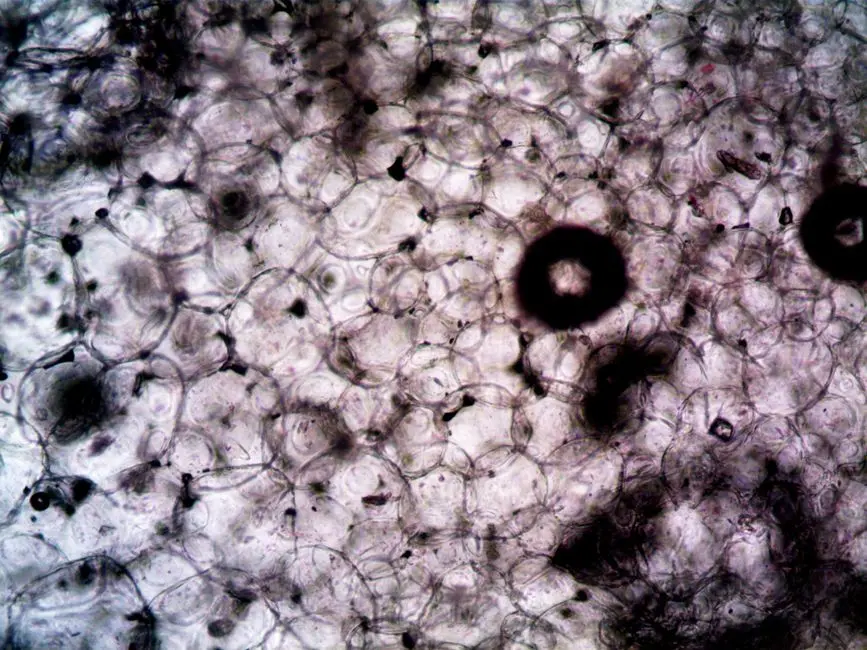
Before the 17th century, the intricate world within living organisms remained largely unknown, a mysterious realm beyond human perception. The invention of the microscope by visionaries like Robert Hooke, who observed 'cells' in cork in 1665, and Anton van Leeuwenhoek, who first described living 'animalcules' (bacteria and protozoa) in the 1670s, pierced this veil. These early glimpses were critical, yet it took nearly two centuries for a unifying concept to crystallize.
In the 19th century, a series of groundbreaking observations by Matthias Schleiden (1838) for plants and Theodor Schwann (1839) for animals led to the first two tenets of cell theory: all living things are composed of one or more cells, and the cell is the basic unit of structure and organization in organisms. This was a colossal leap, establishing a universal building block for all life, from the simplest bacterium to the most complex mammal. However, the origin of new cells remained debated. It was Rudolf Virchow (1855) who, building on the work of Robert Remak, conclusively stated 'Omnis cellula e cellula' – all cells arise from pre-existing cells. This third tenet irrevocably shattered the prevailing notion of spontaneous generation, providing a logical, verifiable mechanism for life's continuity.
Expert Insight: The shift from spontaneous generation to biogenesis, championed by cell theory, was not merely an academic correction; it was a foundational revolution. It meant that life did not just magically appear from non-living matter, but followed a strict lineage. This principle became the bedrock for understanding everything from disease transmission to the very process of evolution. We moved from mystical explanations to observable, testable phenomena, establishing biology as a true empirical science. This conceptual framework eliminated a colossal 'black box' in our understanding of life's origin and propagation, opening countless avenues for detailed investigation.
Unifying Life's Diversity: From Organisms to Organelles
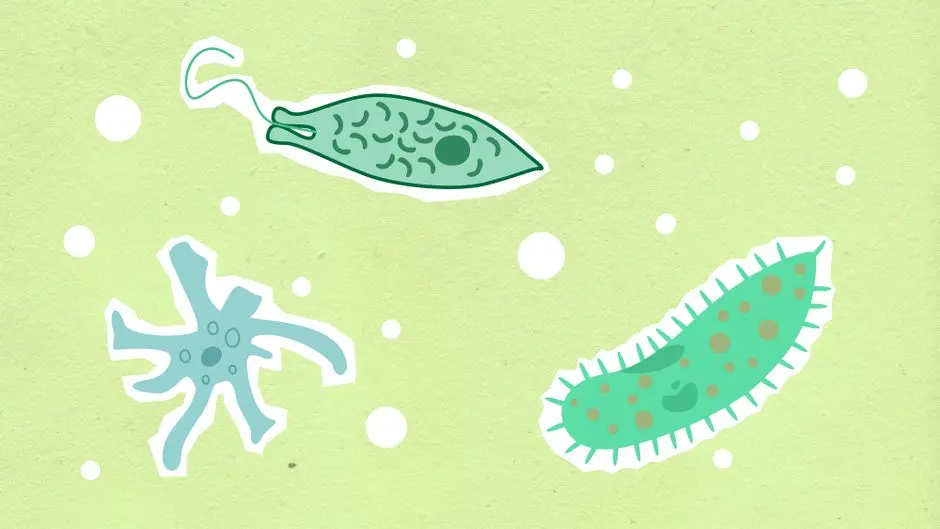
The immediate and most profound impact of cell theory was its power as a unifying principle. Before Schleiden, Schwann, and Virchow, botany and zoology were often considered disparate fields, focusing on distinct forms of life with little common ground. Cell theory revealed a fundamental, shared architecture underlying all organisms. Suddenly, the intricate vascular system of a fern, the complex musculature of a lion, and the elusive movements of an amoeba were all understood as manifestations of cellular activity and organization. This paradigm shift dissolved artificial boundaries, enabling a holistic view of life's continuum.
This unification quickly extended into medicine and pathology. By recognizing that diseases were often disruptions at the cellular level, cell theory provided the intellectual framework for the germ theory of disease. Louis Pasteur's work on microbes and infection, and later Robert Koch's postulates, were fundamentally rooted in the understanding that specific living cells (pathogens) could invade and alter the host's cells, leading to illness. This transformed medical practice from symptomatic treatment to targeted interventions against cellular invaders or dysfunctions. The common error to avoid here is underestimating the psychological and practical leap this represented; it moved diagnosis and treatment from vague observations to precise, microscopic analysis.
With the acceptance of the cell as the basic unit, attention naturally turned inward – to the cell's own internal organization. The theory stimulated relentless technological advancements in microscopy, leading to the discovery and characterization of subcellular structures, or organelles. The nucleus, mitochondria, chloroplasts, endoplasmic reticulum, and Golgi apparatus were progressively identified, each revealed to possess specialized functions critical for the cell's survival and organismal physiology. This gave rise to the concept of cellular organization and the internal division of labor, establishing a hierarchical view of life: from organelles to cells, to tissues, organs, organ systems, and ultimately, the complete organism. This granular understanding of internal cellular architecture was an inevitable, yet revolutionary, consequence of the cell theory's unifying power.
Fueling the Molecular Revolution: Genetics and Biochemistry Within the Cellular Core
With the cell firmly established as the fundamental unit of life, the natural progression of biological inquiry was to understand what happened *inside* these units. Cell theory thus became the essential launchpad for the molecular revolution in biology. If cells were the factories of life, what were their blueprints, their machinery, and their energy sources? This question led directly to the explosion of biochemistry and molecular biology in the 20th century.
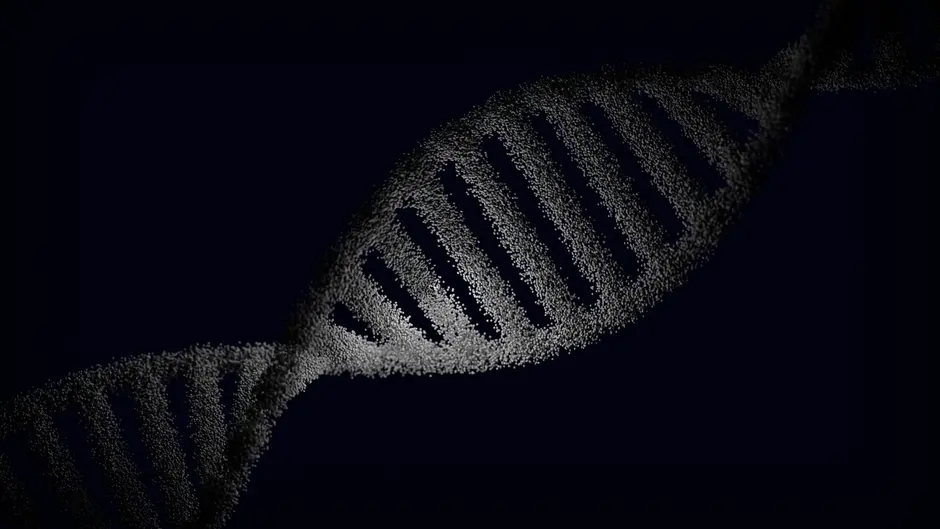
The cellular context provided by cell theory was indispensable for deciphering the mechanisms of heredity. The discovery of DNA as the genetic material, its double-helix structure, and the processes of transcription and translation that convert genetic information into proteins, all unfolded within the understanding that these were fundamental cellular activities. Mitosis and meiosis, the cellular processes of division that ensure faithful genetic transmission from one generation of cells to the next, provided the physical basis for Mendel's laws of inheritance. Without the concept of a cell housing chromosomes and undergoing precise division, our understanding of genetics would remain purely theoretical and abstract. A good practice is to always connect genetic phenomena back to their cellular origin; for instance, understanding genetic mutations as errors in cellular DNA replication or repair processes.
Furthermore, the detailed investigation of cellular components led to an understanding of metabolic pathways. The intricate cycles of energy production (cellular respiration in mitochondria) and nutrient synthesis (photosynthesis in chloroplasts) were elucidated as tightly regulated biochemical events occurring within specific organelles. This detailed knowledge of cellular biochemistry is what allowed us to understand nutrition, disease states, and the action of drugs at a fundamental level. Cell theory provided the 'where' and the 'what' – the cellular arena where these molecular dramas play out, enabling us to pinpoint targets for intervention and to manipulate biological systems with unprecedented precision. It transformed biology from a descriptive science into an analytical and experimental powerhouse.
Modern Frontiers: Cell Theory in Action – From Stem Cells to Synthetic Biology
The legacy of cell theory is not confined to historical textbooks; it actively drives the most cutting-edge biological research today. The concept of the cell as a dynamic, programmable entity continues to unlock revolutionary advancements in medicine, biotechnology, and our fundamental understanding of life itself. We are now not just observing cells, but actively manipulating and engineering them.
Consider the transformative field of stem cell research. Built directly upon the tenet that all cells arise from pre-existing cells, stem cell biology explores the incredible capacity of certain cells to differentiate into virtually any other cell type. This knowledge, born from cell theory, holds immense promise for regenerative medicine, offering potential cures for neurodegenerative diseases, heart failure, and diabetes by replacing damaged tissues with healthy, laboratory-grown cells. The ability to induce pluripotency in somatic cells (iPSCs) represents a triumph of cellular manipulation, directly leveraging our deep understanding of cell identity and lineage.
In cancer biology, cell theory provides the critical framework for understanding uncontrolled cell proliferation and metastasis. Cancer is fundamentally a disease of cellular dysregulation – a breakdown in the normal rules of cell division, differentiation, and death. Every targeted therapy and diagnostic tool developed for cancer directly exploits our knowledge of cellular processes, from identifying specific cell surface markers to inhibiting signaling pathways that drive abnormal cell growth. Moreover, advancements in gene editing technologies like CRISPR are direct descendants of cell theory, allowing us to precisely alter the DNA within specific cells to correct genetic defects or engineer new cellular functionalities.
Insider Tip: The cell theory itself is not static. Concepts like the endosymbiotic theory, which posits that mitochondria and chloroplasts originated from free-living bacteria engulfed by ancestral eukaryotic cells, demonstrate that our understanding of cellular origins and evolution continues to deepen. This refinement underscores the dynamic nature of scientific inquiry, where core theories are continually tested, expanded, and integrated with new evidence. The future lies in synthetic biology, where we aim to design and build novel biological functions and even entire artificial cells, pushing the boundaries of what 'life' can be, always grounded in the irreducible unit: the cell.
Key Takeaways
Core Principles of Cell Theory
Cell theory establishes three fundamental tenets: 1. All living organisms are composed of cells. 2. The cell is the basic unit of life. 3. All cells originate from pre-existing cells. This framework replaced spontaneous generation with biogenesis, providing a unified understanding of life's structure and continuity.
Unifying Power and Medical Impact
The theory unified all branches of biology by revealing a common cellular basis for diverse life forms. It was crucial for developing the germ theory of disease, shifting medical focus to cellular pathology. This foundation led to the discovery and functional understanding of organelles, establishing the hierarchy of life from subcellular components to entire organisms.
Catalyst for Molecular and Genetic Biology
Cell theory provided the essential context for the molecular revolution. It enabled the discovery of DNA as genetic material, the elucidation of gene expression, and the mechanisms of cell division (mitosis and meiosis) that underpin heredity. Cellular metabolism and biochemical pathways were also understood within the confines of specific organelles, transforming biology into an analytical science.
Driving Modern Biological Frontiers
Today, cell theory remains central to cutting-edge research. It powers stem cell biology, regenerative medicine, and gene editing technologies like CRISPR. It is fundamental to understanding and combating diseases such as cancer, which are rooted in cellular dysregulation. Evolving concepts like the endosymbiotic theory further refine our understanding of cellular evolution, highlighting the ongoing relevance and dynamic nature of this foundational doctrine in shaping future biological innovations.
FAQ
-
What are the three main tenets of modern cell theory?
The three main tenets are:
1. All known living things are made up of one or more cells.
2. The cell is the basic structural and functional unit of all living things.
3. All cells come from pre-existing cells by division. -
How did cell theory disprove spontaneous generation?
Rudolf Virchow's third tenet, 'Omnis cellula e cellula' (all cells arise from pre-existing cells), directly contradicted the idea of spontaneous generation, which proposed that living organisms could arise spontaneously from non-living matter. This principle emphasized the continuous lineage of cells, requiring a parent cell for every new cell. -
In what ways does cell theory continue to influence modern medical research?
Cell theory is fundamental to modern medicine. It underpins our understanding of:- Disease: Many diseases, including cancer and infectious diseases, are understood as disruptions at the cellular level.
- Drug Development: Drugs are often designed to target specific cellular processes or structures.
- Regenerative Medicine: Fields like stem cell therapy rely on manipulating cells to repair or replace damaged tissues.
- Gene Therapy: Genetic diseases are addressed by correcting or introducing genes into specific cells.
-
What is the significance of the endosymbiotic theory in relation to cell theory?
The endosymbiotic theory expands upon cell theory by explaining the origin of certain organelles, specifically mitochondria and chloroplasts, within eukaryotic cells. It proposes that these organelles originated from free-living prokaryotic cells that were engulfed by ancestral eukaryotic cells. While cell theory defines the cell as the fundamental unit, endosymbiotic theory enriches our understanding of how eukaryotic cells evolved their complex internal structures.