
> Laboratory Techniques > PCR and DNA Amplification Methods > Decode PCR Failures: Advanced Strategies for Robust Amplification
Decode PCR Failures: Advanced Strategies for Robust Amplification
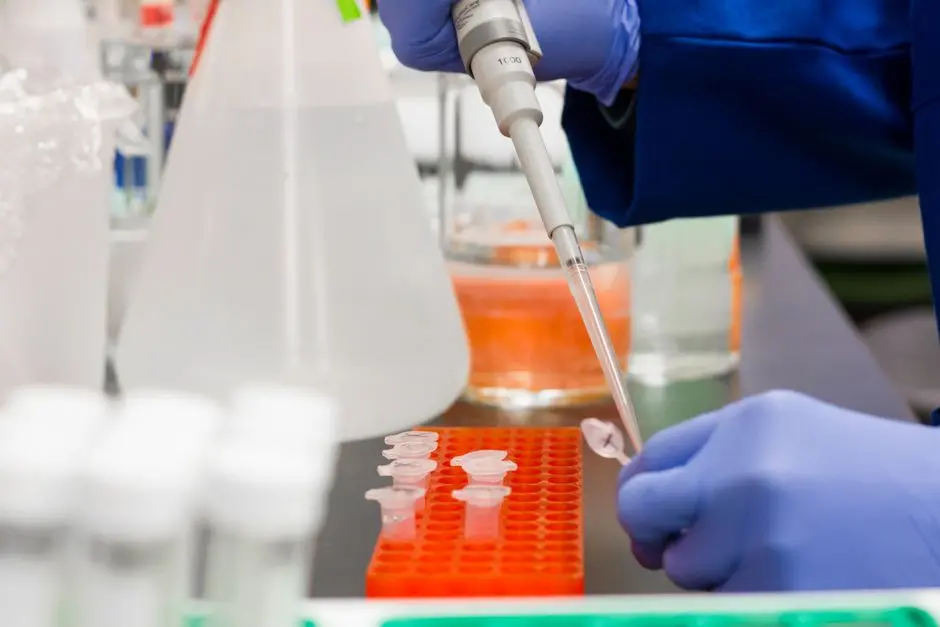
We have all faced the silent frustration of a blank gel, the faint whisper of a band that should roar, or the bewildering absence of a target sequence. In the intricate world of molecular biology, weak or failed PCR amplification is more than just a minor setback; it's a critical roadblock to scientific discovery and diagnostic precision. This challenge, though common, demands a surgical approach, rooted in a deep understanding of every component and parameter at play.
This resource acts as your indispensable guide, a comprehensive toolkit to dissect, diagnose, and decisively resolve your PCR amplification issues. We empower you with an expert-level methodology, transforming trial-and-error into a strategic, data-driven optimization process. Prepare to confront the most elusive problems, from subtle reagent imbalances to complex thermal cycling pitfalls, and forge a path to consistent, robust amplification. Master the art of PCR troubleshooting and unlock the full potential of your molecular assays, especially as we navigate the nuances of modern PCR techniques for DNA amplification and analysis. Let us cease the guesswork and cultivate PCR protocols that deliver undeniable results, every single time.
Initial Diagnostics: Unmasking the Root Cause of Weak or Failed PCR
When PCR amplification falters, our first imperative is a systematic diagnostic sweep, focusing on the foundational elements. We initiate this phase by scrutinizing the template DNA. Is its quality compromised? Degradation, determined by agarose gel electrophoresis showing smears instead of crisp bands, or the presence of PCR inhibitors, often indicated by a low A260/A230 ratio (<1.8) on a spectrophotometer, can severely impede amplification. We quantify DNA meticulously, utilizing high-precision methods like Qubit fluorometry to ensure accurate concentration, as both too little (e.g., <10 ng for genomic DNA) and too much template can lead to issues. Overloading can introduce inhibitors or template complexity that outcompetes primers.
Next, we pivot to the primers themselves. Their integrity is paramount. Verify primer sequences against the target genome to confirm specificity and preclude off-target binding or secondary structure formation (hairpins, primer dimers) using specialized software. We ensure their concentration is within the optimal range (typically 0.1-1.0 µM each), as excessive amounts can foster non-specific amplification, while insufficient concentrations starve the reaction. We confirm proper storage conditions (aliquoted, -20°C) to prevent degradation and repeated freeze-thaw cycles that can diminish their efficacy. Finally, we rule out gross errors: missing reagents, incorrect concentrations, or pipetting mistakes. A meticulous double-check of the reaction setup against the protocol forms our bedrock, preventing easily avoidable failures.
The Reagent Matrix: Precision in Every Drop for Optimal Amplification
The precise balance of PCR reagents is an art. Each component contributes to the reaction's delicate equilibrium, and slight deviations can lead to weak or failed amplification. We meticulously assess the DNA polymerase, typically Taq. Its activity can wane with age, improper storage (e.g., repeated warming), or exceeding its expiration date. We confirm we use the correct enzyme concentration – too little results in incomplete extension, too much can lead to non-specific products due to relaxed specificity. We consider switching to a fresh aliquot or even a different batch if issues persist.
Magnesium chloride (Mg2+) concentration is a critical modulator. Mg2+ acts as a cofactor for Taq polymerase and influences primer annealing stringency. Optimal concentrations typically range from 1.5 to 2.5 mM. Too little Mg2+ cripples enzyme activity; too much increases non-specific binding, leading to spurious bands or smearing. We execute a MgCl2 titration experiment (e.g., 0.5 mM increments from 1.0 to 4.0 mM) to pinpoint the ideal concentration for our specific primer-template system. Deoxynucleotide triphosphates (dNTPs) concentration also requires scrutiny. We ensure dNTPs are fresh, correctly concentrated (typically 200 µM each), and balanced. Unequal dNTP concentrations or degradation can lead to misincorporations or premature termination, compromising amplification fidelity and yield. Finally, we evaluate the PCR buffer; some commercial buffers contain additives like DMSO or Betaine, which can help resolve secondary structures or GC-rich templates, but must be used judiciously, as excess can inhibit the enzyme.

Thermal Cycling Parameters: Forging the Amplification Blueprint
The thermal cycling program dictates the rhythm of amplification, and its precise calibration is fundamental to success. We understand that the annealing temperature (Ta) stands as the most critical parameter, directly influencing primer specificity. An excessively high Ta prevents primers from binding effectively, leading to no product. Conversely, a Ta that is too low permits non-specific binding, yielding spurious bands or a smear. We determine the optimal Ta not merely by calculating the Tm (melting temperature) of the primers, but empirically, often via a gradient PCR experiment. This allows us to test a range of temperatures (e.g., 5°C below the lowest calculated Tm to 5°C above the highest) and visually identify the temperature producing the highest yield of specific product with minimal off-target amplification.
Beyond annealing, we refine the denaturation and extension phases. Denaturation temperature (typically 95-98°C) and time (15-30 seconds) must be sufficient to fully separate DNA strands, especially for GC-rich templates, without excessively damaging the enzyme. Extension time (e.g., 30-60 seconds per kb of target DNA at 72°C) is tailored to the polymerase's processivity and the target length; too short, and amplification remains incomplete. The total number of cycles (typically 25-35) impacts yield; too few, and the product is faint; too many, and non-specific products accumulate, leading to primer depletion and potential 'plateau effect' where product accumulation ceases. We also consider ramp rates, particularly on older cyclers, as rapid temperature changes can impact enzyme kinetics and annealing efficiency.
Confronting Complexities: Advanced Obstacles and Tailored Solutions
When standard troubleshooting avenues fail, we delve into advanced complexities. PCR inhibitors originating from the sample matrix are notorious culprits. Compounds like humic acids (from soil), heme (blood), heparin (anticoagulant), or certain chemicals used in extraction can directly interfere with polymerase activity. We mitigate these by optimizing DNA extraction methods to ensure higher purity, employing PCR enhancers (e.g., BSA, DMSO, Betaine, formamide, glycerol) in judicious concentrations, or by diluting the template DNA to reduce inhibitor concentration while still providing sufficient template. A common pitfall is ignoring the impact of primer design. Poorly designed primers can form strong secondary structures (hairpins within a primer) or inter-primer interactions (primer dimers), which compete with the template for binding. We use advanced primer design software to predict and avoid these structures, ensuring primer pairs have similar Tms and minimal complementarity.
Furthermore, highly GC-rich templates (e.g., >60% GC content) often form stable secondary structures that resist complete denaturation, hindering polymerase progression. We overcome this by increasing denaturation temperature and time, or by incorporating high-fidelity polymerases engineered for such challenges, alongside optimizing additives like DMSO (up to 10%) or Betaine (0.5-2 M) to disrupt these structures. For multiplex PCR, balancing primer concentrations and ensuring equal amplification efficiency for all targets becomes crucial. Non-specific binding can also emerge from repetitive regions in the template or homology between primers and unintended sequences. We combat this with hot-start polymerases, which prevent non-specific amplification at lower temperatures, and by employing nested PCR strategies for highly specific amplification when initial attempts yield problematic results.
Validation and Vigilance: Ensuring Reproducible Success in PCR
Our journey to robust PCR amplification culminates in rigorous validation and unwavering vigilance. The agarose gel electrophoresis, while seemingly simple, provides invaluable diagnostic insights. A faint or absent band clearly points to weak or failed amplification, prompting our troubleshooting. However, we also interpret smears (indicating degradation or non-specific products), multiple bands (non-specific binding), or primer dimers (suboptimal annealing or primer design). Each pattern directs our next corrective action. Critical to this diagnostic process are our controls: a positive control (known template) confirms the reaction's potential, while a negative control (no template DNA) exposes contamination. The absence of a positive control band confirms fundamental reaction failure, while a band in the negative control demands immediate investigation into contamination sources.
We maintain stringent contamination control measures. Dedicated pre-PCR and post-PCR areas, separate sets of pipettes, filtered pipette tips, and frequent decontamination of workspaces (e.g., 10% bleach, UV light) are non-negotiable. Reagent aliquoting minimizes exposure and cross-contamination risks. Consistent, thorough documentation is our safeguard for reproducibility. Every parameter, every concentration, every batch number, and every observation demands meticulous record-keeping. This allows us to track changes, identify patterns, and learn from past successes and failures. The troubleshooting process is iterative; we implement one change at a time, test, analyze, and then proceed. We foster a culture of continuous improvement, where each experiment refines our understanding and strengthens our PCR protocols, transforming challenges into opportunities for molecular mastery.
Key Takeaways
Systematic Diagnostics is Key
We initiate troubleshooting by methodically inspecting template DNA quality (degradation, inhibitors), quantity, and primer integrity (specificity, concentration, storage). Gross pipetting errors or missing reagents are ruled out through meticulous checks.
Reagent Optimization is Critical
We fine-tune the reaction by ensuring optimal Taq polymerase activity, precisely titrating Magnesium (Mg2+) concentration (1.5-2.5 mM typically) for enzyme function and specificity, and verifying dNTP integrity and balanced concentrations. Additives like DMSO or Betaine are considered for complex templates.
Thermal Cycling Parameters Must Be Precise
The annealing temperature (Ta) is paramount; we determine it empirically via gradient PCR. We adjust denaturation (95-98°C, 15-30s) and extension (72°C, 30-60s per kb) times according to template characteristics and polymerase, and optimize cycle number (25-35) to prevent under- or over-amplification.
Advanced Issues Require Tailored Solutions
We confront PCR inhibitors by optimizing extraction or diluting template, and address poor primer design (dimers, hairpins) using analytical software. For GC-rich templates, we adjust denaturation, use specialized polymerases, or add enhancers. Hot-start enzymes mitigate non-specific binding.
Validation and Vigilance Ensure Reproducibility
We interpret agarose gel results (smears, multiple bands) to guide next steps. Positive and negative controls are indispensable for diagnosing failures and contamination. Strict contamination protocols, dedicated areas, and thorough documentation are non-negotiable for consistent, reproducible PCR success.
FAQ
-
What is the most common reason for a failed PCR amplification?
The most common reasons typically involve issues with template DNA quality or quantity, incorrect primer design or concentration, and suboptimal annealing temperature. We find that contamination or the presence of PCR inhibitors in the sample also frequently lead to failures. A systematic approach to checking these critical parameters usually uncovers the root cause.
-
How do I optimize the annealing temperature (Ta) for my PCR reaction?
We recommend performing a gradient PCR. This experiment allows us to test a range of annealing temperatures simultaneously, typically spanning 5°C below the lowest primer Tm to 5°C above the highest. We then analyze the results via gel electrophoresis to identify the temperature that yields the most specific product with minimal non-specific bands.
-
My PCR produces a smear on the gel instead of a clear band. What could be wrong?
A smear often indicates non-specific amplification or template degradation. We investigate several factors: reducing the template DNA concentration, increasing the annealing temperature, shortening the extension time, decreasing the dNTP or MgCl2 concentration, or redesigning primers to enhance specificity. Ensure your template DNA is intact and free of inhibitors.
-
Can too much template DNA inhibit my PCR reaction?
Yes, excessive template DNA can indeed inhibit the reaction. High concentrations of template can introduce more inhibitors, increase the complexity of the reaction mixture, or lead to non-specific primer binding and exhaustion of reagents, ultimately reducing the yield of your desired product. We always optimize template concentration meticulously.
-
When should I consider using PCR enhancers like DMSO or Betaine?
We introduce PCR enhancers like DMSO (Dimethyl Sulfoxide) or Betaine when dealing with challenging templates, particularly those that are GC-rich or contain significant secondary structures. These additives help disrupt DNA secondary structures, facilitate strand separation, and improve polymerase processivity. We use them judiciously, typically starting with 1-5% for DMSO or 0.5-2 M for Betaine, and optimize through titration.