
> Laboratory Techniques > PCR and DNA Amplification Methods > Unlock Simultaneous DNA Detection with Multiplex PCR
Unlock Simultaneous DNA Detection with Multiplex PCR
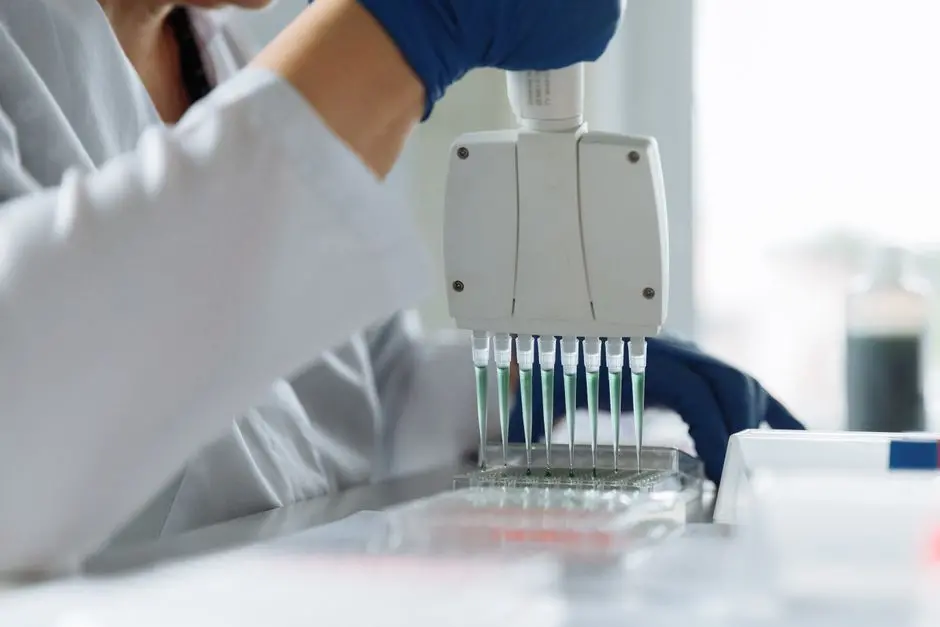
In the relentless pursuit of biological insight, efficiency and precision stand paramount. Imagine a single reaction tube, a solitary thermal cycling run, capable of identifying multiple DNA targets concurrently. This isn't a future aspiration; it's the strategic advantage offered by Multiplex Polymerase Chain Reaction (PCR).
We confront a landscape where high-throughput analysis is no longer a luxury but a fundamental necessity. Traditional PCR, while revolutionary, processes one target at a time. Multiplex PCR shatters this limitation, dramatically reducing resource consumption, experimental time, and the potential for sample contamination. It’s an indispensable technique driving advancements across diagnostics, pathogen identification, forensics, and genetic research.
This authoritative resource dives deep into the mechanisms, meticulous design considerations, and advanced applications of Multiplex PCR. We dissect the critical elements that enable its unparalleled capacity for simultaneous DNA detection, ensuring you master its deployment. Prepare to elevate your molecular biology capabilities, integrating this powerful method into your toolkit. We champion methodologies that transform complex challenges into streamlined solutions, and this deep dive perfectly complements our broader exploration of modern PCR techniques for DNA amplification and analysis, arming you with the definitive knowledge to innovate and excel.
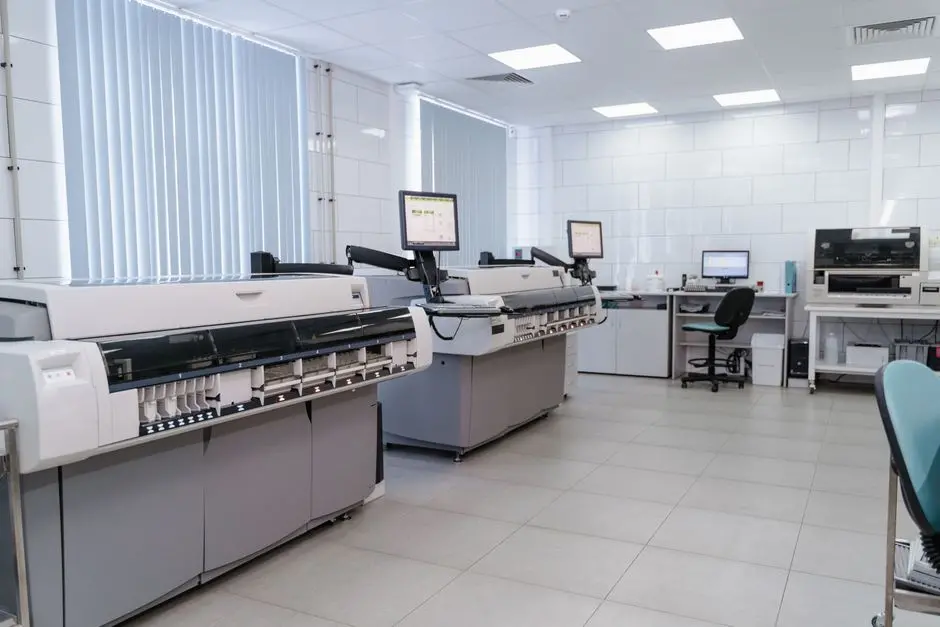
Forge Efficiency: The Foundational Principles of Multiplex PCR
We initiate our exploration by grasping the core mechanism that underpins Multiplex PCR, a strategic evolution from its conventional predecessor. Standard PCR targets and amplifies a single specific DNA sequence using one pair of primers. In stark contrast, Multiplex PCR orchestrates the simultaneous amplification of two or more distinct DNA targets within a single reaction tube. This remarkable feat is achieved by incorporating multiple sets of primers, each designed to anneal to a unique target sequence, into the same reaction mix.
The immediate and tangible benefits are profound. First, we observe a significant reduction in experimental time and labor. Instead of running separate reactions for each target, multiplexing consolidates these efforts, accelerating data acquisition. Second, resource conservation is optimized; fewer reagents, plasticware, and precious DNA samples are consumed. This is particularly critical when working with limited clinical or forensic samples. Third, the risk of cross-contamination is inherently lowered by minimizing handling steps. Finally, multiplexing ensures consistent reaction conditions across all targets, facilitating more reliable comparative analysis of different DNA sequences within a single sample.
However, this amplified efficiency introduces inherent challenges, primarily centered on meticulous design and rigorous optimization. The co-existence of multiple primer pairs and target sequences within a shared environment necessitates a surgical approach to prevent competitive inhibition, non-specific binding, and the formation of primer dimers that could compromise assay sensitivity and specificity. Mastering these foundational principles is the bedrock upon which we build robust and reliable multiplex assays.

Engineer Precision: Primer Design and Optimization for Robust Multiplex Assays
The success of any Multiplex PCR hinges on the impeccable design and rigorous optimization of its primer sets. This is where our engineering precision becomes paramount. Unlike single-target PCR, multiplexing demands that all primer pairs function optimally under identical reaction conditions, without interfering with one another. We must meticulously avoid scenarios where primers bind non-specifically or form detrimental primer dimers, which can outcompete target amplification and yield spurious results.
Key design considerations are non-negotiable. We ensure all primers within the multiplex panel exhibit similar melting temperatures (Tm), typically within a narrow range (e.g., < 5°C difference), to enable efficient annealing at a single, shared annealing temperature. GC content should be balanced (40-60%) to promote stable binding. Critically, we perform extensive in silico analysis using bioinformatics tools (e.g., Primer-BLAST, Multiple Primer Analyzer) to predict and mitigate potential cross-reactivity between primers and non-target DNA sequences, as well as the formation of inter-primer and intra-primer dimers. Primer lengths are generally kept between 18-25 nucleotides for optimal specificity and efficiency.
Optimization is an iterative process. We strategically adjust primer concentrations, often using varied ratios for different targets to balance amplicon yields, especially when target abundance varies significantly. Annealing temperature gradients are invaluable for identifying the optimal shared temperature. Magnesium chloride (MgCl2) concentration, dNTP levels, and enzyme concentration also warrant fine-tuning. We recommend starting with a well-characterized single-plex reaction for each target before combining them, allowing for a systematic approach to troubleshooting and ensuring each component performs as expected in isolation before its integration into the multiplex architecture.
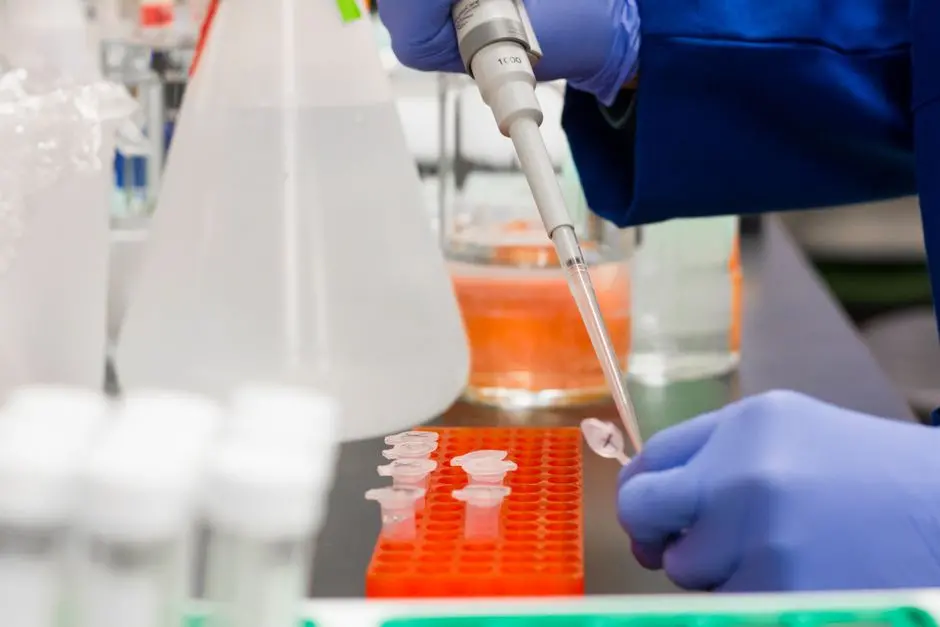
Catalyze Discovery: Diverse Applications and Methodological Enhancements
Multiplex PCR is not merely a laboratory technique; it is a catalyst for discovery and an essential tool across a myriad of scientific and diagnostic disciplines. Its ability to simultaneously detect multiple targets transforms complex analytical challenges into streamlined solutions. In clinical diagnostics, we wield it for the rapid identification of co-infecting pathogens (e.g., respiratory viruses, bacterial co-infections) from a single patient sample, dramatically impacting treatment decisions. For genetic analysis, we leverage it to detect multiple single nucleotide polymorphisms (SNPs) or genetic mutations associated with diseases, facilitating high-throughput genotyping and screening.
Forensic science benefits immensely from multiplexing, particularly in short tandem repeat (STR) analysis, where dozens of markers are co-amplified to generate robust DNA profiles for individual identification. In environmental monitoring, we deploy it to simultaneously detect multiple microbial contaminants in water or soil samples, providing a comprehensive risk assessment. The technique also extends to gene expression profiling, allowing the concurrent quantification of several gene transcripts, although often adapted for quantitative real-time multiplex PCR.
Methodological enhancements continually push the boundaries of multiplexing. Differentiating multiple amplicons often relies on size separation via gel electrophoresis or, for higher resolution and throughput, capillary electrophoresis. For even greater sophistication, fluorescently labeled primers or probes are employed, allowing real-time detection and quantification on specialized platforms. Incorporating internal positive controls (IPCs) within the multiplex reaction is a critical best practice. IPCs amplify a known, non-variable target, confirming the integrity of the sample DNA and the efficiency of the PCR inhibitors are present or if DNA degradation has occurred. These advancements underscore our commitment to precision and reliability in every application.
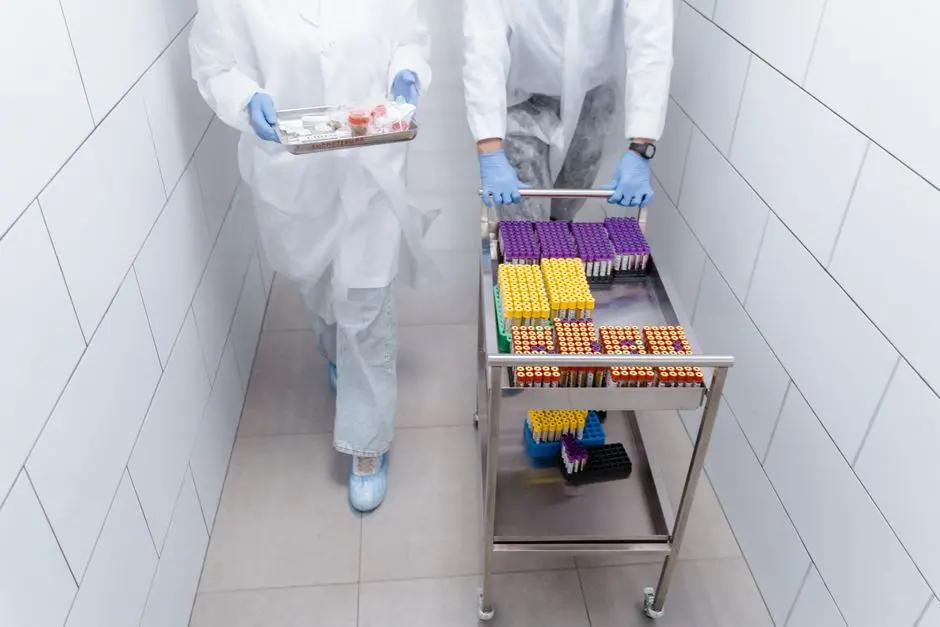
Conquer Variability: Troubleshooting and Ensuring Robustness in Multiplex PCR
Even with meticulous planning, the complexity of Multiplex PCR means we will inevitably encounter challenges. Our proactive approach to troubleshooting and validation is what transforms potential failures into opportunities for optimization and robust assay development. Common issues include weak or absent amplification of one or more targets, the appearance of non-specific bands, and the pervasive problem of primer dimers.
When faced with weak signals, we first confirm the quality and quantity of template DNA. Then, we systematically re-evaluate primer concentrations, often incrementally increasing the concentration of primers for underperforming targets. Adjusting the annealing temperature downwards in small increments can sometimes enhance primer binding, while conversely, increasing it can improve specificity if non-specific amplification is observed. For non-specific bands, consider increasing the annealing temperature, shortening the extension time, or incorporating ‘hot start’ PCR enzymes to minimize non-specific binding during reaction setup.
Primer dimers are a persistent nemesis. We combat them by re-evaluating primer design for self-complementarity, reducing primer concentrations, and employing hot start enzymes. A key strategy for achieving robustness is validation. We rigorously test our multiplex panel across a range of template concentrations and in the presence of potential inhibitors relevant to our sample type. Always include positive controls (known targets) and negative controls (no template DNA, no primers) to monitor performance. Internal controls, as discussed previously, are indispensable for distinguishing true negatives from reaction failures due to inhibition or poor sample quality. By embracing a systematic, data-driven approach to optimization and validation, we transform Multiplex PCR into an exceptionally reliable and powerful diagnostic and research tool, ensuring accurate and reproducible results every time.
Key Takeaways
Core Principle of Multiplex PCR
Multiplex PCR simultaneously amplifies two or more specific DNA targets in a single reaction using multiple distinct primer sets. This method significantly enhances efficiency, saves time and reagents, and reduces sample handling, making it superior to traditional single-target PCR for many applications. It requires a shared, optimized reaction environment for all targets.
Criticality of Primer Design & Optimization
The success of Multiplex PCR hinges on meticulous primer design. All primers must have similar melting temperatures (Tm), balanced GC content, and be free from self- or cross-complementarity to prevent primer dimers and non-specific amplification. Optimization involves fine-tuning primer concentrations, annealing temperature, and other reaction components to ensure balanced and specific amplification of all targets.
Versatile Applications Across Disciplines
Multiplex PCR is a powerful tool used in diverse fields: rapid pathogen detection, high-throughput SNP genotyping, forensic DNA profiling (STR analysis), gene expression studies, and environmental monitoring. Enhanced detection methods include amplicon size differentiation via electrophoresis and real-time quantification with fluorescent labels or probes, expanding its utility.
Strategies for Robustness & Troubleshooting
Ensuring robustness involves systematic troubleshooting of issues like weak signals, non-specific bands, and primer dimers. Key strategies include verifying template quality, adjusting primer concentrations, optimizing annealing temperatures, and utilizing hot-start enzymes. The integration of internal positive controls (IPCs) is essential for validating results and distinguishing true negatives from PCR failures.
FAQ
-
What is the primary advantage of Multiplex PCR over standard PCR?
The primary advantage is its ability to simultaneously amplify multiple distinct DNA targets in a single reaction tube. This drastically reduces experimental time, reagent costs, sample consumption, and minimizes the risk of cross-contamination compared to running individual PCRs for each target. -
What are the biggest challenges in designing a successful Multiplex PCR assay?
The biggest challenges revolve around primer design and optimization. Ensuring all primer sets work efficiently and specifically under the same reaction conditions without forming primer dimers or amplifying non-target sequences requires meticulous in silico analysis, careful selection of primers with similar melting temperatures, and iterative empirical optimization of concentrations and thermal cycling parameters. -
How do you avoid primer dimers in Multiplex PCR?
To avoid primer dimers, we employ several strategies: meticulous in silico primer design to check for self-complementarity and cross-complementarity, ensuring primers are not overly concentrated, optimizing the annealing temperature, and utilizing 'hot start' PCR enzymes to prevent non-specific interactions during reaction setup at room temperature. -
What role do internal controls play in Multiplex PCR?
Internal positive controls (IPCs) are crucial for validating multiplex results. They consist of a known, non-variable target amplified within the same reaction. Their amplification confirms that the PCR reaction itself was successful, the sample DNA was viable, and no inhibitors were present that prevented amplification of the other targets, thus distinguishing true negatives from false negatives. -
Can Multiplex PCR be used for quantitative analysis?
Yes, Multiplex PCR can be adapted for quantitative analysis, often referred to as quantitative real-time Multiplex PCR (qPCR). By using fluorescently labeled probes or DNA-binding dyes and specialized thermocyclers, we can monitor the amplification of multiple targets in real-time, allowing for simultaneous quantification of different DNA sequences within a sample.