
Unleash Precision: Modern PCR Techniques for DNA Amplification and Analysis
In the dynamic realm of molecular biology, the Polymerase Chain Reaction (PCR) stands as a foundational pillar, perpetually evolving to meet increasingly complex research and diagnostic demands. From its inception, PCR has revolutionized our ability to manipulate and analyze DNA, transforming fields from forensics to personalized medicine. Yet, the landscape of PCR extends far beyond its basic form; a sophisticated array of modern techniques offers unparalleled precision, sensitivity, and multiplexing capabilities.
This comprehensive guide meticulously dissects the advanced methodologies shaping contemporary DNA amplification and analysis. We embark on a journey through quantitative PCR, digital PCR, reverse transcription PCR, and more, providing expert insights into their mechanisms, applications, and strategic implementation. Prepare to elevate your understanding and practical mastery of these indispensable tools, empowering you to unlock deeper biological insights and overcome the most challenging molecular hurdles in your laboratory.
Mastering PCR Foundations: The Engine of Molecular Biology
We begin our deep dive by solidifying our understanding of the core mechanism that underpins all advanced PCR techniques. It is crucial to grasp the fundamental principles of the Polymerase Chain Reaction (PCR) and its indispensable role in modern science. PCR is not merely a method; it is a molecular magnifying glass, capable of producing millions to billions of copies of a specific DNA segment from a minute starting sample. This exponential amplification capacity has made it a cornerstone in countless biological investigations.
To truly command this technique, we must first decipher how PCR works step by step in molecular biology labs, a sequential process replicating DNA segments with astounding fidelity. The cycle involves three critical phases: denaturation, where the DNA template unwinds into single strands; annealing, where primers bind to complementary sequences; and extension, where a heat-stable DNA polymerase synthesizes new DNA strands. This cyclical repetition drives the exponential growth of target DNA.
Success hinges on the meticulous assembly of the reaction. We must identify the key components required for a successful PCR reaction, from the DNA template to dNTPs and the crucial DNA polymerase enzyme. These include: the DNA template containing the target sequence, two oligonucleotide primers that define the region to be amplified, a heat-stable DNA polymerase (most commonly Taq polymerase), deoxynucleonucleotide triphosphates (dNTPs) as building blocks, and a reaction buffer to maintain optimal pH and ionic conditions. Each component plays an irreplaceable role in the intricate molecular machinery.
Ultimately, we grasp why PCR is essential in modern biological laboratories, serving as a bedrock for countless discoveries and applications. Its ability to amplify specific DNA sequences with high sensitivity and specificity makes it invaluable for gene cloning, genetic fingerprinting, pathogen detection, and countless research applications, forming the very bedrock of molecular diagnostics and fundamental biological research.
Precision Setup: Forging the Path to Reproducible PCR
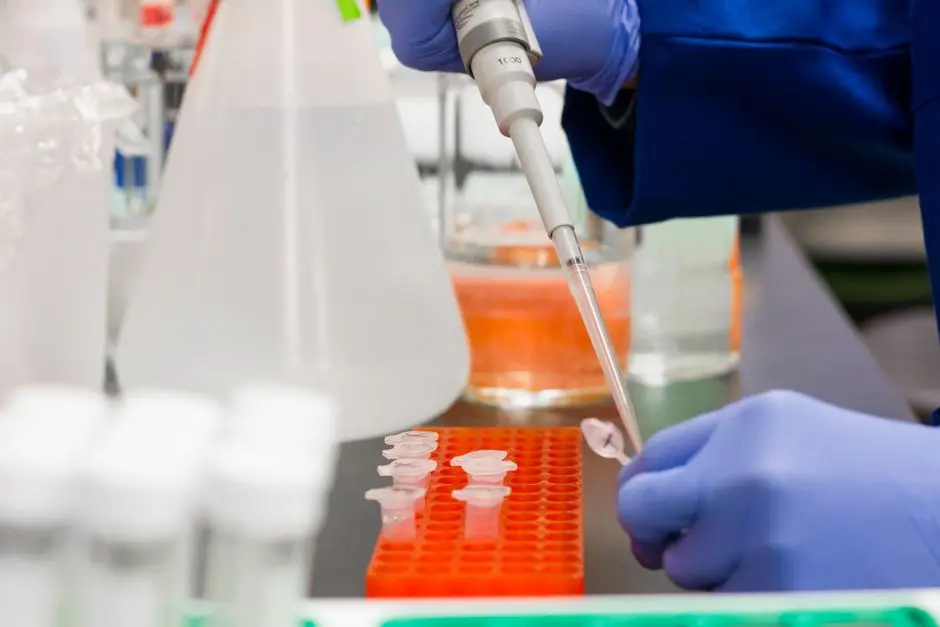
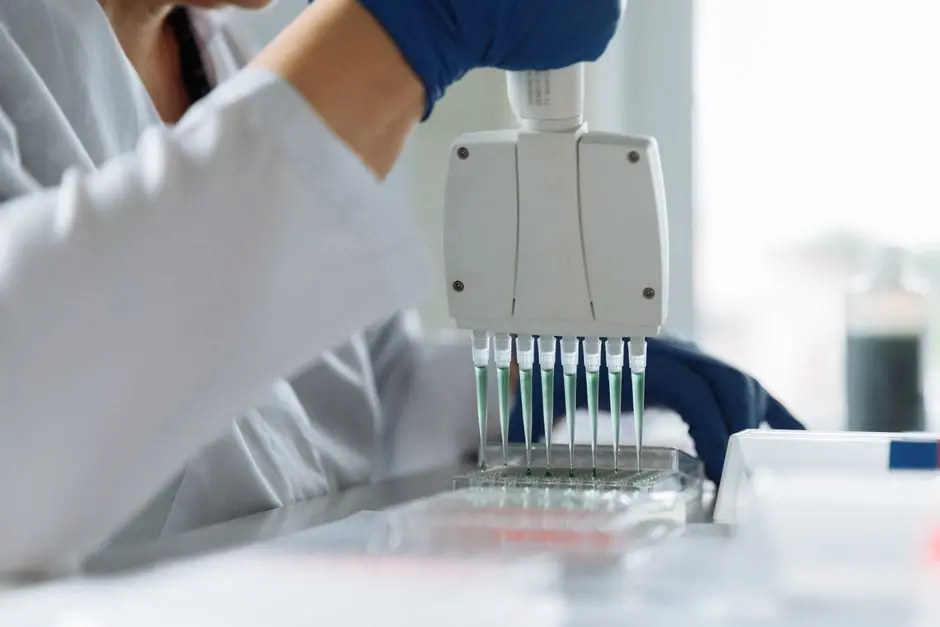
The journey to robust PCR results begins with meticulous preparation and an unwavering commitment to precision. We forge a beginner guide to setting up a PCR experiment, emphasizing meticulous preparation and sterile technique. This involves careful calculation of reagent concentrations, precise pipetting, and maintaining a sterile environment to prevent contamination, which can lead to spurious results. We recommend working in a designated PCR clean area, using filtered tips, and changing gloves frequently to minimize carryover contamination.
Even seasoned experts encounter obstacles. We courageously address common PCR mistakes beginners make in the lab, transforming potential failures into learning opportunities for robust amplification. These often include issues with primer design, incorrect annealing temperatures, insufficient DNA template, or the presence of PCR inhibitors. Recognizing these pitfalls early allows for rapid correction and avoids wasted reagents and time. A systematic approach to troubleshooting is always our guiding principle.
A critical parameter for successful PCR is the annealing temperature. We must skillfully determine what annealing temperature should you use in PCR, a critical parameter dictating primer binding specificity and reaction efficiency. This temperature must be optimized to allow primers to bind specifically to their target sequences while preventing non-specific binding. Generally, it is set 2-5°C below the lower melting temperature (Tm) of the two primers. Gradient PCR is an invaluable tool for empirical optimization, enabling us to test a range of temperatures simultaneously and identify the ideal condition that maximizes specific product yield and minimizes off-target amplification.
Attention to detail at the setup phase is not merely a recommendation; it is a mandate for unlocking the full potential of PCR. Every pipette stroke, every reagent aliquot, contributes to the integrity of our downstream analysis. Precision here translates directly to actionable biological insights.
Quantitative PCR (qPCR): Unveiling Gene Expression Dynamics
Moving beyond qualitative DNA detection, we enter the realm of quantification with Real-Time PCR, or qPCR. We delineate the fundamental difference between PCR and qPCR, highlighting the quantitative capabilities that set real-time PCR apart. While standard PCR provides an endpoint analysis, indicating the presence or absence of a target, qPCR monitors the amplification process in real-time, allowing for precise measurement of initial template quantity. This distinction is crucial for studies requiring gene expression analysis or accurate pathogen load determination.
A key to qPCR's power lies in its ability to quantify. We then explore how qPCR measures gene expression in biological samples, leveraging fluorescent reporters to monitor amplification in real-time. The most common methods involve either intercalating dyes (like SYBR Green) that bind to double-stranded DNA and fluoresce, or sequence-specific probes (like TaqMan probes) that are cleaved during amplification, releasing a reporter fluorophore. The increase in fluorescence is directly proportional to the amount of amplified DNA, captured cycle by cycle by the instrument's detector.
Interpreting qPCR data requires a keen understanding of key metrics. We delve into understanding Ct values in quantitative PCR experiments, the cycle threshold that defines initial target quantity. The Ct (Cycle threshold) value is defined as the cycle number at which the fluorescence signal crosses a defined threshold above background. A lower Ct value indicates a higher initial quantity of the target DNA or RNA, as fewer cycles are required to reach the detectable fluorescence level. This value is inversely proportional to the logarithm of the initial target concentration, forming the basis of quantitative analysis.
To successfully execute these experiments, we follow a step-by-step guide to running a real-time PCR assay, from sample preparation to data analysis. This involves careful RNA extraction (if analyzing gene expression), cDNA synthesis (for RT-qPCR), precise reaction setup with appropriate controls (no-template control, reverse transcription negative control), thermal cycling, and subsequent analysis using specialized software to determine Ct values and calculate relative or absolute gene expression levels. This structured approach ensures reliable and reproducible quantitative data, essential for scientific rigor.
Advanced PCR: Expanding Our Amplification Arsenal
The PCR toolkit extends far beyond conventional and quantitative methods, offering specialized techniques to address unique research challenges. We contrast digital PCR vs qPCR differences and use cases, appreciating the absolute quantification power of dPCR for rare targets. While qPCR relies on relative quantification based on standard curves, dPCR partitions the sample into thousands of individual reactions, amplifying each reaction to endpoint. The fraction of positive reactions provides an absolute count of target molecules, making it invaluable for detecting rare mutations, quantifying low-abundance pathogens, or verifying CRISPR edits with unparalleled precision, especially when extreme sensitivity is paramount.
Efficiency in detection is often enhanced through multiplexing. We unravel how multiplex PCR allows simultaneous DNA detection, amplifying multiple targets in a single reaction vessel to conserve sample and time. This technique uses multiple sets of primers in a single PCR mixture to amplify different DNA targets concurrently. Careful primer design is critical to avoid primer-dimer formation and ensure comparable amplification efficiencies across all targets. Multiplex PCR significantly increases throughput and reduces reagent costs, finding broad applications in pathogen identification, genetic screening, and SNP genotyping.
For targets requiring heightened sensitivity and specificity, we discover what is nested PCR and when should it be used, a two-step amplification strategy enhancing sensitivity and specificity. This method involves two successive PCR reactions using two sets of primers. The first set amplifies a larger region, and the product of this reaction then serves as the template for a second PCR using a second set of primers that bind internally to the first amplicon. This ‘nesting’ dramatically reduces non-specific amplification and increases the yield of the desired target, making it ideal for detecting very low copy numbers of DNA, such as in forensic samples or early-stage infections.
Finally, we uncover the applications of reverse transcription PCR in RNA studies, enabling the analysis of gene expression from mRNA templates. RT-PCR is essential for studying gene expression, as it allows the amplification and detection of RNA sequences. An initial reverse transcription step converts mRNA into complementary DNA (cDNA), which is then used as the template for standard or quantitative PCR. This technique is fundamental for virology, oncology, and developmental biology research, providing critical insights into gene regulation and functional genomics.
Optimizing PCR: Precision Engineering for Robust Results
Achieving consistently reliable and high-quality PCR results often requires strategic optimization, especially when dealing with challenging templates or complex experimental designs. We continuously optimize how to optimize PCR conditions for difficult templates, from GC-rich sequences to those prone to secondary structures. For GC-rich regions, we deploy reagents like DMSO or betaine, which help to destabilize secondary structures and facilitate primer binding and polymerase progression. For templates with low concentrations, increasing the number of PCR cycles or using nested PCR can enhance sensitivity. Each optimization is a targeted intervention, designed to overcome specific molecular hurdles.
Our objective is always to maximize the purity and quantity of our desired product. We implement strategies for improving PCR specificity and yield in experiments, ensuring clean and abundant product for downstream applications. This involves rigorous primer design, careful optimization of annealing temperatures, and judicious use of hot-start polymerases that prevent non-specific amplification during reaction setup. Adjusting magnesium ion concentration is another powerful lever, as Mg2+ is a cofactor for Taq polymerase and affects both activity and specificity. A balance between high yield and uncompromising specificity is our constant pursuit.
Non-specific amplification is a common frustration, producing unwanted bands that complicate analysis. We meticulously identify common causes of non-specific PCR bands, enabling rapid troubleshooting and refinement of reaction parameters. These often stem from sub-optimal annealing temperatures (too low), poor primer design leading to non-specific binding, excessive template concentration, or the presence of primer-dimers. We rigorously analyze gels to identify these issues and then systematically adjust parameters, such as increasing annealing temperature, redesigning primers, or reducing primer concentration, to eliminate spurious products. This iterative process of refinement transforms problematic reactions into pristine amplifications.
Every optimization effort is a strategic investment. It enhances not just the immediate experimental outcome but also contributes to the overall robustness and reliability of our molecular biology pipeline, ensuring that every result we obtain is trustworthy and interpretable.
Strategic Troubleshooting and Best Practices: Navigating the Amplification Landscape
In the dynamic laboratory environment, even the most carefully designed PCR experiments can encounter unexpected hurdles. We master troubleshooting weak or failed PCR amplification, a critical skill for any molecular biologist to diagnose and rectify issues efficiently. Common culprits include degraded DNA template, incorrect primer concentrations, issues with polymerase activity, or the presence of PCR inhibitors in the sample. Our systematic approach involves checking each component, verifying reagent integrity, and optimizing thermal cycling conditions. For instance, a quick check of DNA quality on an agarose gel can often reveal degradation, while testing different annealing temperatures can resolve primer binding issues. Every failure is a diagnostic opportunity.
For quantitative PCR, the stakes for accuracy are even higher. We adopt best practices for accurate qPCR results, encompassing proper controls, standard curve generation, and data normalization to ensure reliability. This includes meticulous preparation of RNA/DNA, use of validated primers and probes, inclusion of appropriate positive and negative controls (e.g., no-template control, reverse transcription control), and accurate standard curve generation for absolute quantification. Crucially, gene expression data must be normalized using stable reference genes to account for variations in starting material and reverse transcription efficiency. This rigorous approach is non-negotiable for publishing credible quantitative data.
The sheer diversity of PCR techniques demands informed decision-making. We navigate choosing the right PCR technique for research, aligning the method precisely with the experimental question to maximize impact. For simple presence/absence detection, conventional PCR suffices. For precise quantification of gene expression or pathogen load, qPCR is indispensable. When absolute quantification of rare targets is paramount, digital PCR offers superior sensitivity. Detecting novel mutations or highly specific targets in complex backgrounds might necessitate nested PCR. For RNA analysis, reverse transcription PCR is the default. Each technique is a specialized tool; selecting the correct one is paramount for experimental success and interpretability. Our approach is always targeted, never generic.
These strategic approaches to troubleshooting and adherence to best practices transform potential setbacks into reliable scientific progress. We empower our research by ensuring the integrity and precision of every amplification step.
PCR's Transformative Impact: Real-World Applications and Future Horizons
The enduring power of PCR is best illustrated through its profound and pervasive impact across diverse scientific and societal domains. We explore how PCR is used in genetic research and diagnostics, from disease mutation screening to forensic analysis. In clinical diagnostics, PCR allows for the rapid and accurate detection of genetic diseases, infectious agents, and predisposition to certain conditions. In forensic science, it is the bedrock of DNA fingerprinting, identifying individuals from minute biological samples with unprecedented certainty. This wide spectrum of applications underscores its versatility and critical importance.
In the realm of public health, PCR stands as a frontline defense. We illuminate the applications of PCR in pathogen detection, revolutionizing the diagnosis and surveillance of infectious diseases. Whether it is identifying bacterial infections, viral outbreaks (like COVID-19), or parasitic infestations, PCR provides rapid, sensitive, and specific detection, enabling timely intervention and containment strategies. Its capacity to detect even trace amounts of microbial DNA or RNA makes it an invaluable tool for epidemiological studies and global health security.
Beyond mere detection, PCR offers profound insights into genetic variation. We grasp how PCR helps identify DNA mutations, a cornerstone technique for genetic counseling and cancer research. By amplifying specific gene regions, scientists can sequence these amplicons or use techniques like restriction fragment length polymorphism (RFLP) or allele-specific PCR to detect single nucleotide polymorphisms (SNPs) or larger deletions/insertions. This capability is fundamental for understanding disease mechanisms, identifying genetic risk factors, and informing targeted therapeutic strategies in oncology and inherited disorders.
To fully appreciate its scope, we examine real-world examples of PCR in biotechnology, showcasing its pervasive influence across medical, agricultural, and environmental sectors. In agriculture, PCR is used for crop improvement, detecting plant pathogens, and authenticating seed purity. In environmental science, it helps monitor biodiversity, identify microbial communities, and detect pollutants. In pharmaceutical development, it aids in quality control and drug discovery. From personalized medicine to global food security, PCR remains a driving force of innovation, continually evolving to address the grand challenges of our era. This tool is not just a technique; it is a catalyst for biological conquest.
Key Takeaways
Core PCR Principles and Components
PCR relies on cyclic denaturation, annealing, and extension to exponentially amplify specific DNA segments. Essential components include DNA template, primers, Taq polymerase, dNTPs, and buffer. PCR is indispensable for gene cloning, diagnostics, and fundamental research due to its sensitivity and specificity.
Optimizing PCR Setup and Troubleshooting
Meticulous setup, sterile technique, and precise reagent concentrations are critical for reproducible PCR. Common errors include suboptimal annealing temperatures, poor primer design, and inhibitors. Empirically determine annealing temperature (2-5°C below primer Tm) for specificity and yield.
Quantitative PCR (qPCR) for Gene Expression
qPCR quantifies initial DNA/RNA by monitoring amplification in real-time via fluorescent reporters (dyes or probes). The Ct value (cycle threshold) inversely correlates with initial target quantity. Accurate qPCR requires robust controls, standard curves, and normalization with reference genes.
Advanced PCR Techniques: dPCR, Multiplex, Nested, RT-PCR
- Digital PCR (dPCR) offers absolute quantification for rare targets by partitioning samples into thousands of reactions.
- Multiplex PCR simultaneously amplifies multiple targets in one reaction, saving time and sample.
- Nested PCR enhances sensitivity and specificity via two sequential PCRs with nested primers.
- Reverse Transcription PCR (RT-PCR) converts RNA to cDNA, enabling gene expression analysis from mRNA.
Addressing Difficult Templates and Improving Specificity
Optimize PCR for difficult templates (GC-rich, secondary structures) using co-solvents (DMSO, betaine) or adjusted cycles. Improve specificity and yield through careful primer design, optimized annealing, hot-start polymerases, and Mg2+ concentration. Troubleshoot non-specific bands by adjusting temperature, redesigning primers, or reducing concentrations.
Real-World Applications of PCR
PCR is vital in genetic research (mutation identification), diagnostics (disease screening, pathogen detection), forensics (DNA fingerprinting), and biotechnology across medicine, agriculture, and environmental science. It is a transformative tool driving innovation and solving critical biological questions.
FAQ
-
What is the primary advantage of qPCR over traditional PCR?
The primary advantage of qPCR is its ability to quantify the initial amount of DNA or RNA template in a sample. Unlike traditional PCR, which only provides a qualitative (presence/absence) endpoint result, qPCR monitors the amplification process in real-time using fluorescent reporters. This allows researchers to determine the precise quantity of target molecules based on the cycle threshold (Ct) value, which is inversely proportional to the initial concentration.
-
When would one choose digital PCR (dPCR) over qPCR?
Digital PCR (dPCR) is typically chosen over qPCR when absolute quantification of nucleic acids is required, especially for low-abundance targets, rare mutations, or when high precision is critical. dPCR partitions the sample into thousands of individual reactions, performing endpoint PCR in each. The fraction of positive reactions directly provides an absolute count of target molecules without relying on a standard curve. This makes dPCR superior for applications like liquid biopsy for cancer detection, viral load quantification at very low titers, or precise quantification of gene editing events.
-
What are common reasons for non-specific bands in a PCR reaction?
Common reasons for non-specific bands in a PCR reaction include:
- Suboptimal Annealing Temperature: An annealing temperature that is too low can allow primers to bind non-specifically to similar, non-target sequences.
- Poor Primer Design: Primers that are not specific enough, have internal secondary structures, or form primer dimers (primers binding to each other) can lead to non-specific amplification.
- Excessive Primer Concentration: High concentrations of primers can increase the likelihood of non-specific binding.
- Too Many PCR Cycles: An excessive number of cycles can amplify even very low levels of non-specific products.
- Presence of PCR Inhibitors: Contaminants in the DNA sample can interfere with the specificity of the reaction.
- High Template Concentration: An overly concentrated DNA template can sometimes lead to non-specific binding of primers.
-
How does Reverse Transcription PCR (RT-PCR) differ from standard PCR?
RT-PCR specifically targets RNA molecules, whereas standard PCR targets DNA. The key difference lies in an initial step where RNA is reverse transcribed into complementary DNA (cDNA) using a reverse transcriptase enzyme. This cDNA then serves as the template for a standard PCR amplification. RT-PCR is essential for studying gene expression, viral RNA detection, and analyzing RNA viruses, as it allows researchers to convert an RNA signal into a quantifiable DNA signal that can be amplified and analyzed.
-
Why is optimization of PCR conditions critical for difficult templates?
Optimization of PCR conditions is critical for difficult templates (e.g., GC-rich DNA, templates with secondary structures, or very long targets) because these templates present inherent challenges to the amplification process. Without optimization, the polymerase might struggle to traverse secondary structures, primers might bind inefficiently, or the high GC content might lead to incomplete denaturation. Optimization steps, such as adjusting annealing temperature, using co-solvents (DMSO, betaine), varying Mg2+ concentration, or employing specialized polymerases, are necessary to ensure efficient denaturation, specific primer binding, and robust extension, ultimately leading to successful and specific amplification of the target.