
> Laboratory Techniques > PCR and DNA Amplification Methods > Unleashing PCR: Genetic Research & Diagnostic Power
Unleashing PCR: Genetic Research & Diagnostic Power
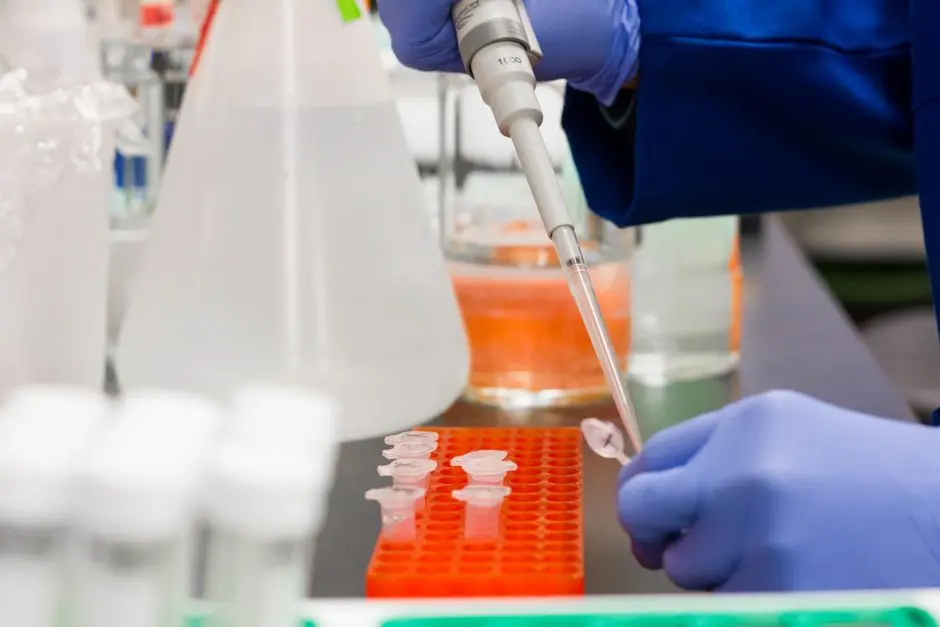
The Polymerase Chain Reaction (PCR) stands as a monumental leap in biological science, fundamentally reshaping our capacity to analyze and manipulate genetic material. This revolutionary technique, capable of amplifying specific DNA sequences exponentially, has become an indispensable tool across a myriad of fields, from unraveling the mysteries of genetic predispositions to swiftly identifying infectious agents. We confront the challenge of disease, both inherited and acquired, with precision previously unimaginable. This article meticulously dissects the core mechanisms, strategic applications, and transformative impact of PCR, empowering researchers and clinicians alike to harness its full potential.
Explore how PCR underpins advanced genetic diagnostics and breakthrough research, including the latest advancements in modern PCR techniques for DNA amplification and analysis. We forge ahead to illuminate the tactical deployment of PCR, ensuring every biological inquiry is met with unparalleled clarity and actionable insight. We champion the strategic mastery of PCR, transforming potential into definitive biological understanding.
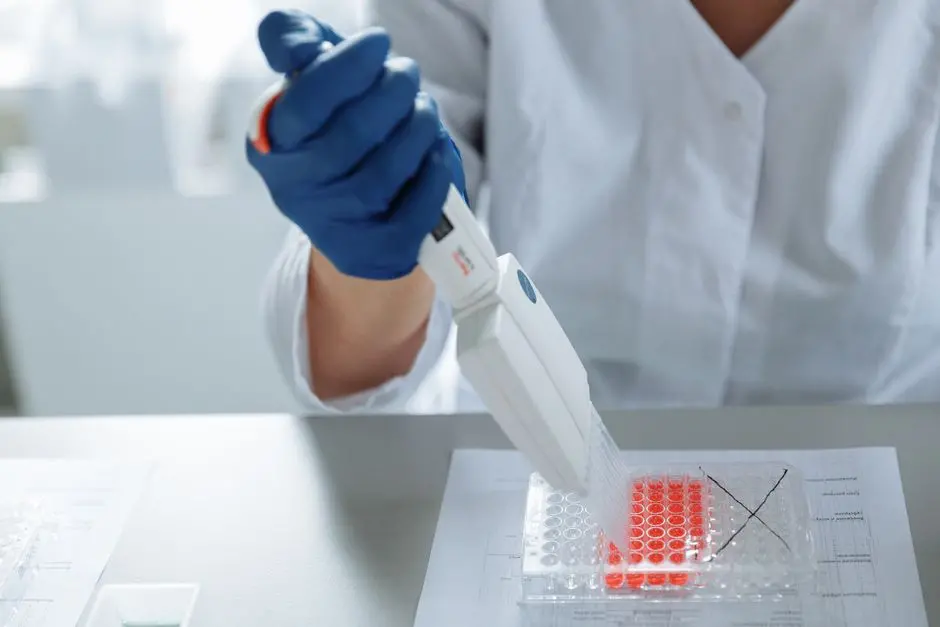
Mastering PCR Fundamentals for Precision Analysis
We initiate our exploration by deconstructing the foundational principles of Polymerase Chain Reaction, a molecular magnifying glass that has revolutionized genetic analysis. PCR is not merely a laboratory technique; it is a meticulously orchestrated biochemical process capable of generating millions to billions of copies of a specific DNA segment from even a minute initial sample. This exponential amplification hinges on a cyclical series of precise temperature shifts, each driving distinct and vital biochemical reactions.
The cycle begins with denaturation, where the reaction mixture is heated to a high temperature (typically 94-98°C). This extreme heat ruptures the hydrogen bonds holding the double-stranded DNA template together, separating it into two single strands. This step is crucial for exposing the target sequence for primer binding.
Following denaturation, the temperature is lowered to an optimal range for annealing, typically between 50-65°C. During this phase, short, synthetic DNA oligonucleotides, known as primers, bind to their complementary sequences on the separated single-stranded DNA templates. The specificity of these primers, designed to flank the target DNA region, dictates the precision of the amplification. Proper annealing temperature is critical; too high, and primers won't bind efficiently; too low, and non-specific binding can occur, leading to undesired amplification.
Finally, the temperature is raised again for extension (or elongation), typically to 70-75°C, the optimal working temperature for a heat-stable DNA polymerase, such as Taq polymerase. The polymerase extends the primers by synthesizing new DNA strands, adding deoxynucleotides (dNTPs) complementary to the template strand. This process doubles the amount of target DNA with each cycle. This three-step cycle repeats 25-40 times, leading to an exponential accumulation of the target DNA fragment. We champion meticulous optimization of parameters—including primer concentration, annealing temperature, magnesium ion levels, and polymerase choice—to ensure robust, artifact-free amplification. Understanding these precise thermal kinetics and the unwavering specificity of primer design is paramount, enabling us to transform trace genetic evidence into irrefutable molecular proof, critical for both groundbreaking research and high-stakes diagnostic applications.
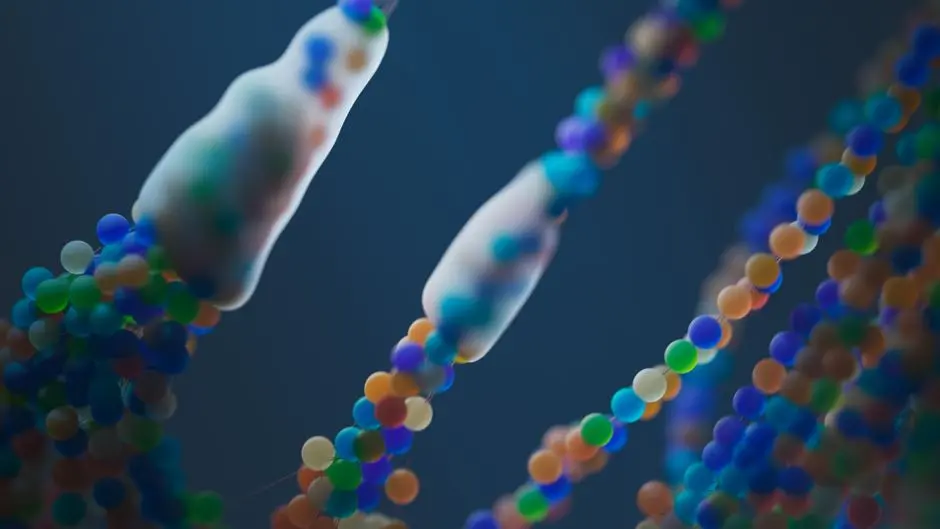
Forging Breakthroughs in Genetic Research
PCR actively propels genetic research forward, enabling unprecedented insights into the intricate mechanisms of biological systems. We leverage PCR extensively in fundamental genomics for tasks such as gene cloning, a vital step for producing large quantities of specific DNA. This amplified DNA is then critical for downstream applications including sequencing, targeted mutagenesis studies, and the heterologous expression of proteins. Furthermore, we strategically employ PCR to amplify specific regions of interest prior to more comprehensive next-generation sequencing (NGS), thereby enhancing our ability to resolve complex genomic landscapes, identify novel genes, and characterize regulatory elements with remarkable precision.
For comprehensive gene expression analysis, Reverse Transcription PCR (RT-PCR) remains an indispensable cornerstone. This technique begins by transcribing messenger RNA (mRNA) into complementary DNA (cDNA) using a reverse transcriptase enzyme. The resulting cDNA then serves as the template for standard PCR amplification, allowing us to accurately quantify gene transcripts. This process provides a dynamic, real-time snapshot of cellular activity, empowering us to dissect complex regulatory pathways, pinpoint disease-associated genes, and elucidate intricate developmental processes with unparalleled clarity and temporal resolution.
Moreover, PCR is an absolute necessity for studying genetic variation and population genetics. We utilize it to detect crucial genetic markers such as single nucleotide polymorphisms (SNPs), small insertions, deletions, and other structural variants. These markers are often linked to critical biological phenomena, including disease susceptibility, varying drug responses, and evolutionary patterns across species. Specialized techniques, such as Allele-Specific PCR, directly target and amplify specific alleles, providing rapid and unambiguous genotype information. Through the systematic application of these powerful PCR-based methods, we actively unravel the genetic architecture of complex traits, ranging from disease resistance in agricultural crops to neurological disorders in humans, transforming hypotheses into validated genetic truths.
Driving Precision in Diagnostic Medicine
PCR's diagnostic prowess is truly unmatched, consistently delivering rapid and highly accurate identification of both infectious pathogens and inherited genetic conditions. In the realm of infectious disease diagnostics, we critically employ PCR to detect the unique genetic material (DNA or RNA, after reverse transcription) of bacteria, viruses, fungi, and parasites. This capability provides extraordinary sensitivity and specificity, often enabling detection long before overt clinical symptoms manifest or traditional culture-based methods can yield results. This early and precise identification is absolutely paramount for initiating timely and effective treatments, preventing the rapid spread of infectious diseases, and guiding crucial public health interventions, as strikingly demonstrated during global pandemics like COVID-19 with SARS-CoV-2 detection. Beyond viruses, PCR empowers clinicians with actionable intelligence for identifying agents causing tuberculosis, influenza, malaria, and many other critical infections.
We also utilize PCR extensively and strategically in the diagnosis of inherited genetic disorders. For conditions such as cystic fibrosis, Huntington’s disease, fragile X syndrome, or muscular dystrophy, PCR-based assays can precisely identify specific disease-causing mutations, deletions, insertions, or trinucleotide repeat expansions. This diagnostic power enables early confirmation of diagnosis, facilitates crucial genetic counseling for affected individuals and their families, and supports informed family planning decisions. Moreover, prenatal diagnosis for various genetic conditions is frequently achieved through PCR analysis of fetal DNA obtained from amniotic fluid or chorionic villus samples.
Forensic science critically relies on PCR as its bedrock for amplifying minute quantities of degraded DNA from crime scenes. Trace evidence, such as a single blood drop, saliva residue, or a few hair follicles, often contains insufficient DNA for direct analysis. PCR robustly amplifies specific short tandem repeat (STR) loci, generating sufficient material for comprehensive DNA profiling. This amplification allows for individual identification with exceptionally high statistical certainty, providing irrefutable evidence in legal proceedings. We deploy PCR as a frontline diagnostic weapon, transforming clinical uncertainty into decisive action and bringing unparalleled clarity to complex legal cases.
Optimizing Performance: Advanced PCR Techniques and Best Practices
To maximize PCR's utility and maintain its cutting-edge relevance, we continuously delve into advanced techniques and enforce rigorous operational best practices. Quantitative PCR (qPCR), often referred to as real-time PCR, has revolutionized gene expression analysis by simultaneously amplifying and quantifying DNA targets. Unlike traditional PCR, qPCR monitors fluorescence signals generated during each amplification cycle. This allows for absolute or relative quantification of DNA or RNA (when coupled with reverse transcription, known as RT-qPCR), offering dynamic, real-time insights into biological processes, monitoring viral loads in patients, and assessing treatment efficacy with unprecedented precision. This real-time tracking prevents gel-based quantification errors and offers a wider dynamic range.
Digital PCR (dPCR) represents a further leap in quantification, pushing the limits of sensitivity and precision. This innovative method partitions a sample into thousands to millions of individual, nanoliter-scale reactions. Each reaction containing a target molecule is amplified to endpoint, and by simply counting the number of positive reactions, dPCR provides absolute quantification without the need for a standard curve. This makes dPCR exceptionally powerful for detecting rare alleles in heterogeneous samples, analyzing liquid biopsies for cancer detection, and providing highly accurate validation of next-generation sequencing (NGS) results, where low-frequency variants are critical.
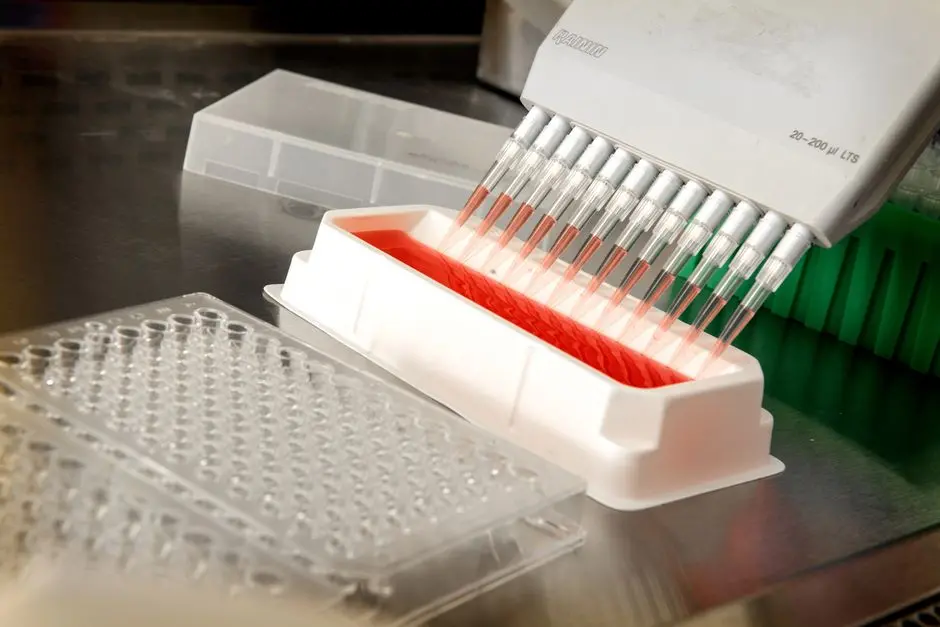
Achieving consistent precision in PCR demands meticulous adherence to stringent laboratory practices. We establish dedicated, unidirectional workflows and use separate pre- and post-PCR areas. We always employ aerosol-barrier pipette tips to prevent carry-over contamination, a notorious source of false positives. We prioritize high-purity, nuclease-free reagents and rigorously design primers to ensure high specificity, avoiding secondary structures and optimizing annealing temperatures. Furthermore, we ensure frequent calibration and maintenance of thermocyclers to guarantee consistent and accurate temperature profiles across all wells, fundamental for reproducible results. Common pitfalls, such as non-specific amplification or primer dimers, are effectively mitigated through the strategic use of hot-start polymerases and careful reaction buffer optimization. We emphasize comprehensive validation of every assay, including rigorous assessment of sensitivity, specificity, and reproducibility, to guarantee that our PCR results are consistently reliable and actionable. We continuously refine our protocols, ensuring every PCR reaction delivers maximal insight and unwavering accuracy.
Strategic Evolution: Future Frontiers and Ethical Considerations
As we advance, PCR continues its strategic evolution, pushing into new frontiers and demanding careful ethical consideration. The development of next-generation PCR platforms focuses on miniaturization, integration, and enhanced automation. Point-of-care (POC) PCR devices are becoming increasingly sophisticated, enabling rapid diagnostics directly at the patient's bedside or in remote field settings. These compact systems integrate sample preparation, amplification, and detection, delivering results in minutes rather than hours, critically impacting outbreak response and personalized medicine. We anticipate a surge in multiplex PCR applications, capable of simultaneously detecting numerous targets from a single sample, dramatically improving diagnostic throughput for respiratory panels, cancer gene panels, and resistance genes.
The integration of PCR with microfluidics and nanotechnology promises even greater sensitivity and lower sample requirements, paving the way for non-invasive diagnostics from circulating tumor DNA or cell-free fetal DNA. This strategic convergence accelerates the realization of precision medicine. However, with this expanded power come critical ethical considerations. The ease of genetic profiling raises profound questions regarding data privacy, informed consent for genetic testing, and the potential for misuse of genetic information. We must actively forge robust frameworks for governance and public education, ensuring that the transformative benefits of PCR are leveraged responsibly and equitably across society. We champion not only technological advancement but also ethical stewardship, guiding PCR's trajectory towards a future that is both innovative and conscientiously managed.
Key Takeaways
Core PCR Mechanism
PCR orchestrates the exponential amplification of specific DNA sequences through repeated cycles of denaturation (DNA strand separation), annealing (primer binding), and extension (new strand synthesis by polymerase). This precise thermal cycling and highly specific primer design are fundamental to its power.
Transformative Research Applications
In research, PCR enables gene cloning, quantitative gene expression analysis (RT-PCR), and meticulous study of genetic variations (SNPs, mutations) crucial for understanding disease mechanisms, evolutionary biology, and functional genomics.
Indispensable Diagnostic Power
For diagnostics, PCR delivers rapid, sensitive, and specific detection of infectious agents (viruses, bacteria), accurate diagnosis of inherited genetic disorders, and critical DNA profiling in forensic science, transforming clinical and legal processes.
Advanced Techniques for Enhanced Precision
Advanced methods like Quantitative PCR (qPCR) offer real-time quantification for dynamic insights, while Digital PCR (dPCR) provides absolute quantification, ideal for rare target detection and liquid biopsies.
Best Practices and Future Vision
Meticulous laboratory practices, including contamination control, optimized primer design, and assay validation, are paramount for reliable PCR. The future involves miniaturized, automated, point-of-care PCR systems and multiplexing, alongside vital ethical frameworks for responsible genetic information use.
FAQ
-
What is the primary advantage of PCR in diagnostic settings?
The primary advantage of PCR in diagnostics is its unparalleled sensitivity and specificity. It can detect minute quantities of target DNA or RNA, identifying pathogens or genetic mutations far earlier and more accurately than many traditional methods, leading to quicker diagnoses and more effective interventions.
-
How does RT-PCR differ from standard PCR, and why is it crucial in research?
RT-PCR (Reverse Transcription PCR) first converts RNA into complementary DNA (cDNA) using a reverse transcriptase enzyme, while standard PCR directly amplifies DNA. RT-PCR is crucial in research for studying gene expression, as it allows scientists to quantify mRNA levels, providing insights into which genes are actively being transcribed and translated within a cell or tissue.
-
What are the major challenges or common pitfalls in performing PCR, and how can they be mitigated?
Major challenges in PCR include contamination (leading to false positives), non-specific amplification, and primer dimer formation. We mitigate these by employing strict laboratory hygiene (separate workspaces, aerosol-barrier tips), optimizing primer design and annealing temperatures, and utilizing hot-start polymerases that prevent enzyme activity until the optimal reaction temperature is reached, enhancing specificity.