
> Laboratory Techniques > PCR and DNA Amplification Methods > Mastering PCR: Essential Components for Amplification Success
Mastering PCR: Essential Components for Amplification Success
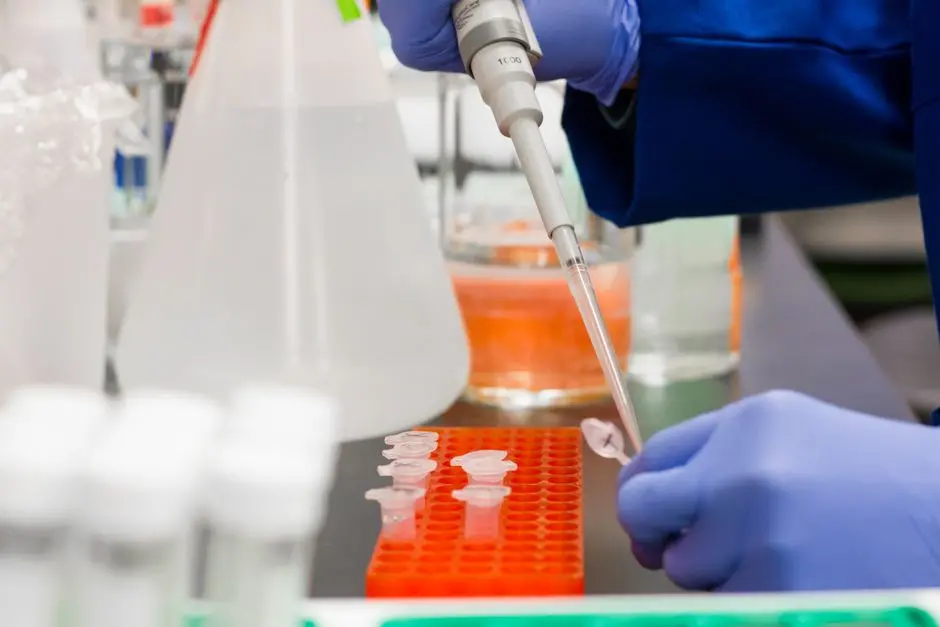
The Polymerase Chain Reaction (PCR) stands as a cornerstone technology in modern molecular biology, empowering us to amplify minuscule DNA samples into quantities sufficient for profound analysis. Its revolutionary impact spans diagnostics, forensics, genetic research, and countless biotechnological applications. Yet, the power of PCR hinges entirely on a precise synergy of fundamental components. We embark on a crucial expedition to dissect each indispensable ingredient, from the blueprint DNA to the enzymatic engine, understanding not just their presence but their precise roles and optimal interplay.
This deep dive will arm you with the strategic insights required to transition from simply running a reaction to mastering a consistently successful amplification. Prepare to elevate your understanding and execution, moving beyond basic protocols to unleash the full potential of modern PCR techniques for DNA amplification and analysis, ensuring robust, reproducible results every time. We will transform your approach to PCR, forging a path to unparalleled molecular clarity.
The Blueprint: Template DNA and Its Uncompromising Purity
At the core of every successful Polymerase Chain Reaction lies the template DNA – the specific genetic sequence we aim to amplify. Its quality and integrity are paramount, dictating the specificity and efficiency of the entire reaction. We must view template DNA not merely as a starting material, but as the critical blueprint guiding our molecular construction. Any compromises here will propagate throughout the workflow, leading to suboptimal results, or worse, complete reaction failure.
Key Considerations for Template DNA:
- Purity: Contaminants such as proteins, polysaccharides, phenol, chloroform, or residual salts from extraction protocols severely inhibit DNA polymerase activity. We rigorously pursue template preparations free from these enzymatic deterrents. A 260/280 nm absorbance ratio of 1.8-2.0 indicates good purity for DNA, while a 260/230 nm ratio ideally falls between 2.0-2.2. Deviations flag potential contamination.
- Concentration: While PCR can be remarkably sensitive, an optimal concentration is vital. Too much template DNA (e.g., >100 ng for genomic DNA) can lead to non-specific amplification or primer exhaustion, while too little risks insufficient starting material for robust amplification. For most standard PCRs, 1 ng to 100 ng of genomic DNA or 1 pg to 10 ng of plasmid DNA is typically sufficient. We precisely quantify our template using fluorometric methods (e.g., Qubit) for accuracy, surpassing less sensitive spectrophotometric readings.
- Integrity: Degraded or fragmented template DNA can lead to the amplification of smaller, unwanted products or complete failure, especially for long PCR targets. We assess integrity via agarose gel electrophoresis, ensuring minimal smearing and distinct bands, indicating intact DNA molecules suitable for amplification.
- Source: The origin of the template (e.g., bacterial, mammalian, plant, viral) influences extraction protocols and potential inhibitors. We tailor our purification strategies to the sample matrix, often incorporating additional wash steps or specific enzymatic treatments to mitigate inhibitors inherent to certain sample types.
We forge our PCR success by prioritizing meticulous template preparation. It is the foundational step upon which all subsequent amplification precision depends.
The Navigators: Primers and Their Strategic Design
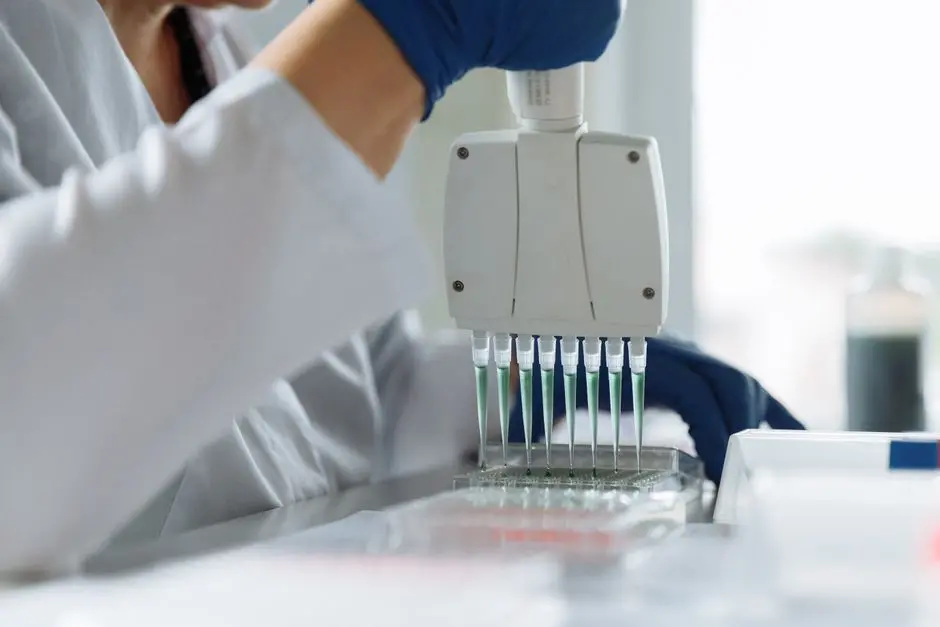
Primers are short, synthetic oligonucleotide sequences, typically 18-30 base pairs in length, that define the boundaries of the DNA region to be amplified. They serve as the indispensable navigators, directing the DNA polymerase to the precise starting points on the template strand. Their design is a critical blend of art and science, profoundly impacting the specificity, efficiency, and fidelity of the PCR reaction. Errors in primer design are a leading cause of non-specific amplification, primer dimer formation, and low yields.
Principles of Optimal Primer Design:
- Specificity: Primers must bind uniquely to the target sequence and avoid annealing to other genomic regions. We achieve this by performing rigorous in silico checks (e.g., using tools like NCBI BLAST) to confirm specificity against the organism's genome. High specificity prevents the wasteful amplification of off-target sequences.
- Melting Temperature (Tm): The Tm of a primer is the temperature at which half of the primer-template duplex dissociates. We aim for a Tm between 55-65°C for both forward and reverse primers, with a difference of <5°C between them to ensure synchronous annealing. We calculate Tm using reliable algorithms that account for primer length, GC content, and salt concentration.
- GC Content: An ideal GC content is typically 40-60%. High GC content (>60%) can lead to strong secondary structures, while low GC content (<40%) may result in unstable primer binding. We specifically avoid long runs of a single nucleotide (>4-5) to prevent mispriming and secondary structure formation.
- Secondary Structures: Primers should not form stable hairpin loops, self-dimers (primer binding to itself), or cross-dimers (primer binding to the other primer). These structures reduce the effective concentration of primers available for template binding, leading to diminished amplification. We utilize specialized software to predict and avoid such formations.
- 3' End Stability: The 3' end of the primer is critical for polymerase extension. We ensure it is free of complementarity to other regions, especially to the other primer. A G or C nucleotide at the 3' terminus (a 'GC clamp') can enhance binding stability, but we use it judiciously to avoid excessive stability that might lead to mispriming.
We forge successful amplification by meticulously designing primers that are both highly specific and structurally sound, thereby minimizing artifacts and maximizing target yield.
The Engine: DNA Polymerase, dNTPs, and Their Synergistic Action
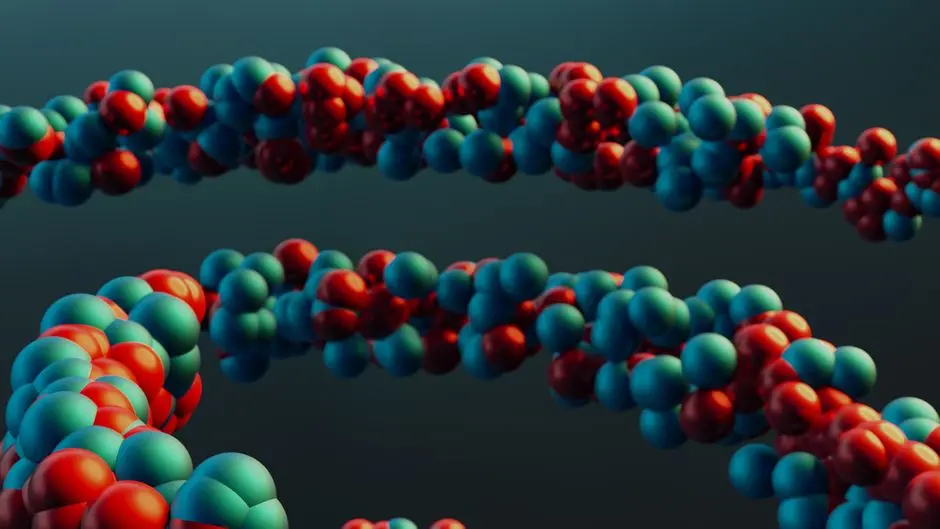
The heart of the PCR lies in the enzymatic synthesis of new DNA strands, driven by the harmonious interplay of DNA polymerase and deoxynucleotide triphosphates (dNTPs). These components are the engine and the fuel, respectively, propelling the exponential amplification process. Understanding their properties and optimizing their concentrations are non-negotiable for achieving high-fidelity and efficient PCR.
DNA Polymerase: The Molecular Workhorse
- Role: DNA polymerase synthesizes new DNA strands complementary to the template by adding dNTPs to the 3' end of the growing primer. The most common enzyme, Taq DNA polymerase, derived from Thermus aquaticus, is heat-stable, allowing it to withstand the high temperatures of the denaturation step.
- Activity & Fidelity: Standard Taq polymerase lacks 3'→5' proofreading exonuclease activity, resulting in a relatively high error rate (approximately 1 error per 10^4 to 10^5 bases incorporated). For applications requiring high accuracy (e.g., cloning, sequencing), we opt for high-fidelity polymerases with proofreading capabilities, often a blend of Taq and a proofreading enzyme (e.g., Pfu).
- Concentration: Optimal polymerase concentration is crucial. Too little enzyme leads to inefficient amplification, while an excess can cause non-specific binding, increased error rates, and the generation of primer dimers. Typically, 0.5 to 2.5 units per 50 µL reaction is sufficient, though we always consult manufacturer recommendations.
- Hot-Start Polymerases: To prevent non-specific amplification and primer dimer formation during initial reaction setup at room temperature, we often employ hot-start polymerases. These enzymes are inactive until a high-temperature activation step, enhancing specificity and yield.
Deoxynucleotide Triphosphates (dNTPs): The Building Blocks
- Role: dNTPs (dATP, dCTP, dGTP, dTTP) are the four individual building blocks incorporated into the new DNA strand. They provide both the structural components and the energy for polymerization.
- Concentration & Balance: We maintain equal molar concentrations of all four dNTPs, typically ranging from 50 µM to 200 µM each in the final reaction volume. Imbalances can lead to misincorporation and premature termination of DNA synthesis. High dNTP concentrations can also chelate magnesium ions, effectively reducing the available Mg2+ needed for polymerase activity, necessitating adjustments to Mg2+ concentration.
We meticulously select and optimize our polymerase and dNTP concentrations to construct a robust and precise amplification engine, critical for both yield and accuracy.
The Environment: PCR Buffer, Magnesium Ions, and Reaction Optimization
Beyond the primary enzymatic components, the overall reaction environment orchestrated by the PCR buffer and magnesium ions is profoundly critical for optimal polymerase activity and reaction specificity. These elements collectively establish the physico-chemical conditions that allow the reaction to proceed efficiently and accurately. Neglecting their precise balance guarantees suboptimal performance.
PCR Buffer: The Stabilizing Matrix
- Role: The PCR buffer provides a stable pH environment (typically pH 8.3-9.0 at 25°C, designed to be optimal at the enzyme's working temperature of ~72°C) and essential salts required for polymerase activity. It also contains agents that stabilize the enzyme and help prevent non-specific binding.
- Composition: Most buffers contain Tris-HCl as the primary buffering agent. Potassium chloride (KCl) is often included to provide monovalent cations, which help neutralize the negative charge of the DNA template and primers, facilitating annealing. Optimal KCl concentration is usually 50 mM.
- Additives: For challenging templates (e.g., GC-rich regions or those with secondary structures), we strategically incorporate additives like DMSO (Dimethyl sulfoxide) or formamide. These reagents reduce DNA melting temperature, disrupt secondary structures, and improve primer annealing, often at concentrations of 1-10%. Betaine is another powerful additive, particularly effective for GC-rich targets, typically used at 1-2 M. We use these with caution, as high concentrations can also inhibit polymerase activity.
Magnesium Ions (Mg2+): The Indispensable Cofactor
- Role: Magnesium ions are an absolute requirement for DNA polymerase activity, acting as a critical cofactor. They form a complex with dNTPs, making them suitable substrates for the enzyme, and also influence primer annealing by stabilizing the DNA duplex.
- Concentration: The optimal Mg2+ concentration is highly target-specific and enzyme-dependent, typically ranging from 1.5 mM to 2.5 mM. Too little Mg2+ leads to low yields due to insufficient polymerase activity. Conversely, too much Mg2+ can decrease specificity, leading to non-specific amplification and increased primer dimer formation, by stabilizing non-specific primer-template binding. High Mg2+ concentrations also enhance the polymerase's 3'→5' exonuclease activity, if present, potentially degrading primers.
- Optimization: We meticulously optimize Mg2+ concentration, often by running a gradient PCR if the optimal concentration is unknown for a new target. This empirical titration is crucial for balancing yield and specificity.
We meticulously engineer the PCR environment, recognizing that a finely tuned buffer and magnesium balance are the silent architects of amplification success, driving both yield and specificity.

The Unseen Architect: Water Quality and Contamination Control
While often overlooked, the quality of water and the rigorous control of contamination are as critical to a successful PCR reaction as the enzyme itself. Water is the primary solvent, making up the largest proportion of the reaction volume, and any impurities introduce a cascade of potential issues. Contamination, particularly with exogenous DNA, represents a pervasive threat that can invalidate results and consume invaluable resources in troubleshooting.
Water Quality: The Foundation of Purity
- Role: Molecular-grade, nuclease-free water is essential. It serves as the solvent for all reaction components and must be devoid of nucleases (DNases, RNases), ionic contaminants, and any substances that could inhibit DNA polymerase.
- Source: We exclusively use ultrapure water (Type I, 18.2 MΩ·cm resistivity) that has been filtered, deionized, and autoclaved or treated with diethyl pyrocarbonate (DEPC) and then autoclaved to destroy nucleases. We ensure it is stored in dedicated, sterile containers to prevent re-contamination.
- Impact of Impurities: Even trace amounts of ions can alter buffer pH or chelate essential cofactors like Mg2+. Nucleases, if present, will degrade template DNA or primers, leading to reaction failure. We never use tap water or even standard deionized water for PCR setups.
Contamination Control: The Unyielding Defense
- Exogenous DNA: The most significant contaminant is extraneous DNA, which can be amplified instead of, or in addition to, the target DNA, leading to false positives or ambiguous results. Sources include previous PCR products (amplicon carryover), human DNA (from skin cells, hair), and bacterial DNA.
- Prevention Strategies: We implement a multi-pronged approach to minimize contamination:
- Dedicated Workspaces: Establish separate, physically isolated areas for PCR setup, amplification, and post-PCR analysis.
- Sterile Consumables: Always use sterile, disposable, nuclease-free tubes, pipette tips with aerosol filters, and reagents.
- UV Decontamination: Regularly irradiate work surfaces and pipettes with UV light in PCR hoods to degrade contaminating DNA.
- Bleach Treatment: Wipe down surfaces with a 10% bleach solution to destroy DNA, followed by ethanol or sterile water rinse to remove inhibitors.
- Aliquoting Reagents: Divide stock solutions into smaller aliquots to minimize freeze-thaw cycles and reduce the risk of contaminating the entire stock.
- Positive Displacement Pipettes: For handling PCR products, these pipettes minimize aerosol generation.
- Personal Protective Equipment (PPE): We wear gloves, lab coats, and face masks to prevent human DNA shedding into reactions.
- Uraci-N-Glycosylase (UNG) Treatment: For preventing amplicon carryover contamination, we incorporate UNG into PCR master mixes. UNG degrades dU-containing DNA (previously amplified products where dUTP replaced dTTP), but leaves native DNA intact.
We forge confidence in our PCR results by meticulously ensuring water purity and implementing stringent, proactive contamination control measures. These unseen architects guarantee the integrity and reliability of our molecular investigations.
Key Takeaways
Template DNA: The Blueprint's Integrity
Template DNA is the target sequence for amplification. Its purity (A260/280 nm, A260/230 nm ratios), concentration (1 ng-100 ng for gDNA), and integrity (avoid degradation) are paramount. Contaminants inhibit polymerase, while poor integrity leads to fragmented products. Always quantify precisely and assess quality.
Primers: Specificity and Optimal Design
Primers define the amplification region. Strategic design is critical for specificity and efficiency. Key factors: unique binding (check with BLAST), optimal Tm (55-65°C, <5°C difference between primers), GC content (40-60%), and avoidance of secondary structures (hairpins, dimers). Poor design causes non-specific amplification and primer dimers.
DNA Polymerase & dNTPs: The Engine and Fuel
DNA Polymerase (e.g., Taq) synthesizes new DNA. Its activity, fidelity (use high-fidelity for accuracy), and concentration are crucial. Hot-start polymerases enhance specificity. dNTPs are the building blocks; maintain equal molar concentrations (50-200 µM each). Imbalances or excess dNTPs can inhibit reactions or chelate Mg2+.
PCR Buffer & Magnesium Ions: The Reaction Environment
The PCR buffer maintains stable pH and provides essential salts (e.g., KCl). Magnesium ions (Mg2+) are a critical cofactor for polymerase, forming complexes with dNTPs and influencing primer annealing. Optimal Mg2+ concentration (1.5-2.5 mM) is target-specific; too little reduces yield, too much causes non-specificity. Additives (DMSO, Betaine) can resolve challenging templates.
Water Quality & Contamination Control: Unseen Architects
Molecular-grade, nuclease-free water is the essential solvent. Impurities (nucleases, ions) degrade DNA or inhibit enzymes. Rigorous contamination control is vital, especially against exogenous DNA (amplicon carryover, human DNA). Strategies include dedicated workspaces, sterile consumables, UV decontamination, bleach treatment, aliquoting reagents, and UNG treatment. These ensure result integrity.
FAQ
-
What is the ideal template DNA concentration for PCR and why is it crucial?
The ideal template DNA concentration for standard PCR typically ranges from 1 ng to 100 ng for genomic DNA and 1 pg to 10 ng for plasmid DNA. This precise range is crucial because too much template can lead to non-specific amplification, primer depletion, and the formation of spurious products due to an overwhelming number of potential binding sites. Conversely, too little template DNA might result in insufficient starting material, leading to poor yield or complete reaction failure. We advocate for accurate quantification using fluorometric methods (e.g., Qubit) to ensure optimal input, balancing sensitivity with specificity for robust amplification.
-
How do primer dimers impact PCR success and what are the key strategies to prevent them?
Primer dimers are undesired by-products formed when primers anneal to themselves or to each other, rather than to the template DNA, and are subsequently extended by the DNA polymerase. They significantly impact PCR success by consuming primers and dNTPs, thereby reducing the yield of the desired amplicon, and can also compete with the target for polymerase activity. Key strategies to prevent them include: meticulous primer design (avoiding complementary sequences within and between primers, especially at the 3' ends), using hot-start DNA polymerases that are inactive at room temperature, optimizing annealing temperature (typically 2-5°C below the primer's Tm), and maintaining optimal magnesium ion concentration, as excessive Mg2+ can promote non-specific binding and dimer formation. We rigorously implement these measures to ensure specific target amplification.
-
Why is magnesium ion concentration so critical for PCR and how do we optimize it?
Magnesium ions (Mg2+) are an indispensable cofactor for Taq DNA polymerase, absolutely required for its enzymatic activity. They form a complex with dNTPs, making them accessible substrates for the enzyme, and also influence the stability of the DNA duplex, impacting primer annealing. The Mg2+ concentration is critical because too low a concentration inhibits polymerase activity, leading to poor or no yield. Conversely, excessively high Mg2+ concentrations can decrease primer specificity, promoting mispriming and the amplification of non-specific products or primer dimers, and can also increase the polymerase's error rate. We optimize Mg2+ concentration, usually between 1.5 mM and 2.5 mM, by performing a gradient PCR for new targets, empirically testing a range of concentrations to identify the precise balance that maximizes desired product yield while maintaining high specificity. This fine-tuning is vital for consistent, reliable results.