
> Laboratory Techniques > PCR and DNA Amplification Methods > Elevate PCR: Precision and Potency in Amplification
Elevate PCR: Precision and Potency in Amplification
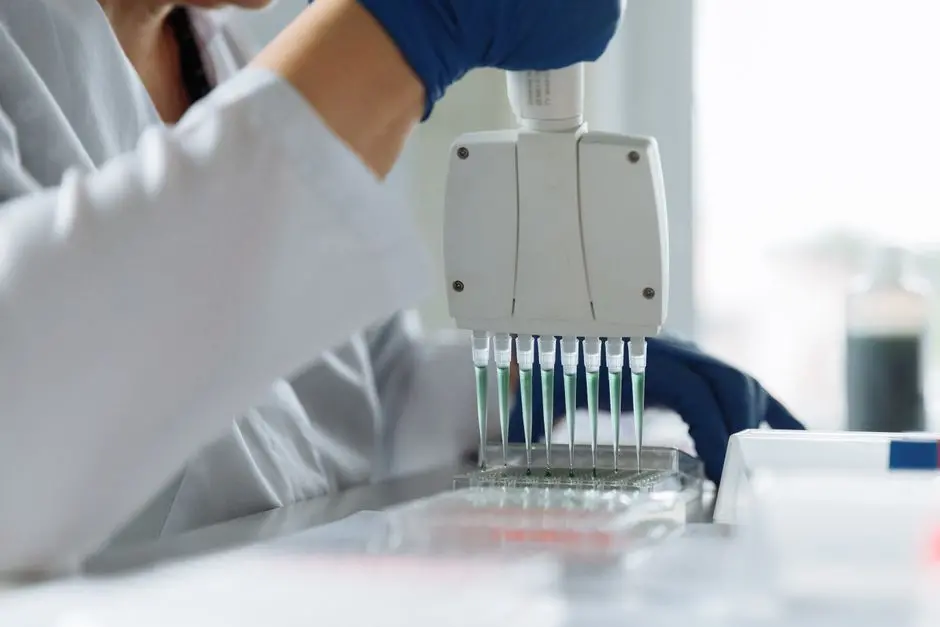
We confront a critical challenge in molecular biology: achieving impeccable Polymerase Chain Reaction (PCR) specificity and maximizing DNA yield. This isn't merely about obtaining a band on a gel; it's about the integrity of your downstream applications, the validity of your data, and the speed of your scientific discovery. Imagine investing invaluable time and resources into PCR only to face frustrating non-specific amplification, primer dimers, or disappointingly low product concentrations. These setbacks are not mere inconveniences; they are roadblocks to critical insights, delaying breakthroughs in diagnostics, genomics, and fundamental research.
Forge a path to PCR mastery with this authoritative guide. We shall meticulously dissect the intricate factors influencing PCR performance, from meticulous primer design to sophisticated thermal cycling strategies and advanced reagent optimization. This resource is your strategic blueprint, equipping you with the actionable intelligence to transform inconsistent results into robust, reproducible amplifications. Prepare to elevate your experimental rigor and confidently unlock the full potential of your nucleic acid analyses. Delve deeper into the broader landscape of genetic analysis and the innovations driving cutting-edge DNA amplification methods, understanding how foundational optimization underpins every advanced application. We arm you with the precision tools to ensure every PCR reaction delivers unparalleled specificity and yield, propelling your research forward with unwavering certainty.
Engineer Primers for Flawless Specificity and Template Integrity
The cornerstone of a successful PCR lies in the meticulous design of your primers and the uncompromising quality of your DNA template. Neglecting these initial stages invites a cascade of issues, from non-specific binding to the complete absence of amplification. We begin by asserting that primers are not mere sequences; they are highly specific guides that dictate the reaction's precision. Optimal primer pairs exhibit a length of 18-24 base pairs, ensuring sufficient specificity while remaining amenable to rapid annealing. Crucially, aim for a GC content between 40-60%, which guarantees stable primer-template binding without excessive secondary structure formation. Avoid stretches of more than four consecutive G or C bases at the 3' end, as these significantly increase the risk of mispriming. We rigorously enforce a melting temperature (Tm) difference of < 2°C between forward and reverse primers to ensure synchronous annealing, preventing one primer from binding more efficiently than the other. Bioinformatics tools are indispensable here; utilize them to predict potential secondary structures, cross-dimer formation between primers, and undesirable hairpins within individual primers. These in silico checks are your first line of defense against frustrating artifacts.
Simultaneously, the integrity and purity of your DNA template are non-negotiable. Contaminants such as proteins, polysaccharides, or organic solvents, remnants from extraction protocols, actively inhibit Taq polymerase activity. We strongly advocate for spectrophotometric analysis (A260/A280 and A260/A230 ratios) to assess purity. Aim for an A260/A280 ratio of 1.8-2.0 for DNA, indicating minimal protein contamination. An A260/A230 ratio > 2.0 signifies the successful removal of organic contaminants. Furthermore, the quantity of template DNA is critical; too little might lead to stochastic effects and failed amplification, while too much can introduce inhibitors and promote non-specific binding. Typically, 10 ng to 100 ng of genomic DNA or 1 ng to 10 ng of plasmid DNA is sufficient for a standard 25 µL reaction. Always ensure your template is free from degradation, visually confirming its integrity via agarose gel electrophoresis if necessary. This foundational rigor eliminates variables, paving the way for predictable and potent amplification.
Optimize Reagents: Powering Specificity and Enhanced Yield
Beyond primers and template, the quality and concentration of every reagent within your PCR master mix profoundly impact both specificity and yield. This step is about fine-tuning the enzymatic machinery and ionic environment to perform with maximal efficiency and minimal error. We focus on the core components that often present the most significant optimization opportunities. The choice of DNA polymerase is paramount. While standard Taq polymerase is robust, for challenging templates or applications demanding higher fidelity, consider hot-start polymerases or enzymes engineered for specific conditions, which mitigate non-specific amplification during reaction setup. Hot-start polymerases, activated only after an initial denaturation step, are a strategic defense against primer dimer formation and mispriming.
Magnesium chloride (MgCl₂) concentration is perhaps the single most critical variable for specificity and yield, acting as a cofactor for Taq polymerase. Its optimal concentration is highly template and primer-dependent, typically ranging from 1.5 mM to 2.5 mM. Too little MgCl₂ reduces polymerase activity, leading to low yield or complete failure. Too much enhances polymerase activity but simultaneously lowers stringency, promoting non-specific binding and primer dimer formation. We recommend a gradient PCR approach to empirically determine the ideal MgCl₂ concentration for novel primer-template systems. Similarly, the balance of dNTPs (deoxynucleotide triphosphates) is crucial. Ensure equimolar concentrations of dATP, dCTP, dGTP, and dTTP, typically at 200 µM each. Imbalanced dNTP pools can lead to misincorporations and premature chain termination, impacting both yield and fidelity.
Finally, consider the role of PCR additives. For templates with high GC content or complex secondary structures, reagents like DMSO (dimethyl sulfoxide) or Betaine can significantly improve amplification by disrupting secondary structures and enhancing primer annealing. DMSO, typically used at 2-10% (v/v), lowers the melting temperature of DNA, necessitating annealing temperature adjustments. Betaine, usually added at 0.5-2.0 M, normalized the melting temperatures of GC- and AT-rich regions, promoting more uniform strand separation. These additives are powerful tools, but we employ them judiciously, optimizing their concentrations through iterative experimentation. Each optimized reagent contributes synergistically to a PCR reaction that delivers both robust yield and unwavering specificity.

Master Thermal Cycling for Optimal PCR Output
The thermal cycling program is the dynamic heart of your PCR, dictating the rhythmic dance of denaturation, annealing, and extension. Precise control over these temperature transitions and durations is non-negotiable for achieving high specificity and yield. We must orchestrate this sequence with surgical precision. The initial denaturation step, typically 95-98°C for 2-5 minutes, is vital for fully separating DNA strands and activating hot-start polymerases. Insufficient denaturation leads to incomplete strand separation, hindering primer access, while excessive denaturation can damage the polymerase.
The annealing temperature (Ta) is arguably the most critical parameter for specificity. It must be carefully optimized to allow primers to bind specifically to their target sequences without forming stable bonds with non-target sites. A good starting point for Ta is usually 5°C below the calculated Tm of the primers. However, we advocate for empirical optimization using a gradient thermal cycler, testing a range of temperatures around the calculated Tm. Too high a Ta results in weak or no binding and low yield; too low promotes mispriming and non-specific amplification, leading to primer dimers and spurious bands. The annealing duration, typically 15-30 seconds, should be sufficient for primer binding but not so long as to encourage non-specific interactions.
Extension temperature is typically 72°C for Taq polymerase, as this is its optimal activity temperature. The extension time depends directly on the length of the target amplicon, with a general guideline of 1 minute per kilobase (kb) of product. For shorter amplicons (< 500 bp), 30 seconds is often sufficient. We adjust this time proportionally for longer targets; insufficient extension time leads to truncated products and reduced yield. The number of PCR cycles also profoundly influences yield. While more cycles generally produce more product, excessive cycles (typically >35) can deplete reagents, increase the risk of amplifying non-specific products, and introduce PCR artifacts. We meticulously determine the minimum number of cycles required to achieve sufficient product for downstream applications, often through preliminary endpoint PCR experiments, thereby preserving specificity and minimizing unnecessary errors. We must master these thermal parameters to unleash the full potential of each reaction.
Advanced Tactics: Overcoming PCR Challenges for Superior Results
Even with meticulous optimization of basic parameters, some PCR experiments demand advanced strategies to achieve desired specificity and yield. When standard protocols fall short, we deploy sophisticated techniques to conquer challenging templates or unique experimental goals. Touchdown PCR is a powerful method for enhancing specificity. This approach starts with an annealing temperature several degrees (e.g., 5-10°C) above the calculated primer Tm, then incrementally lowers the temperature by 0.5-1°C every 1-2 cycles until a 'touchdown' temperature is reached, which is then maintained for the remaining cycles. The high initial annealing temperature favors specific primer binding, while the subsequent lower temperatures allow for more efficient amplification of the specifically bound targets in later cycles. This dramatically reduces the amplification of non-specific products.
For particularly low-abundance targets or when dealing with highly complex DNA samples, Nested PCR offers an exceptional boost in sensitivity and specificity. This technique involves two successive PCR reactions using two sets of primers. The first reaction uses an outer pair of primers to amplify a larger fragment. The product of this first reaction is then diluted and used as the template for a second PCR, employing an inner pair of primers that bind within the first amplicon. This nested approach significantly increases both the specificity and sensitivity, as only the correct product from the first reaction can serve as a template for the second, virtually eliminating non-specific products.
Despite these advanced strategies, troubleshooting remains an indispensable skill. Common issues include the appearance of primer dimers, which indicate excessive primer concentration, insufficient annealing temperature, or a need for hot-start polymerase. Smearing or multiple bands often point to non-specific amplification due to sub-optimal annealing, excessive MgCl₂ concentration, or template degradation. No amplification can stem from myriad issues, including degraded template, incorrect primer design, insufficient MgCl₂, enzyme inhibition, or thermal cycler malfunction. We systematically identify and rectify these pitfalls by evaluating each reaction component and thermal parameter. We meticulously document every adjustment, creating a robust framework for future success. This iterative process of targeted adjustments and data-driven decisions guarantees the conquest of even the most formidable PCR challenges, forging the path to reliable and insightful results.
Safeguard PCR: Prevent Contamination & Validate Results
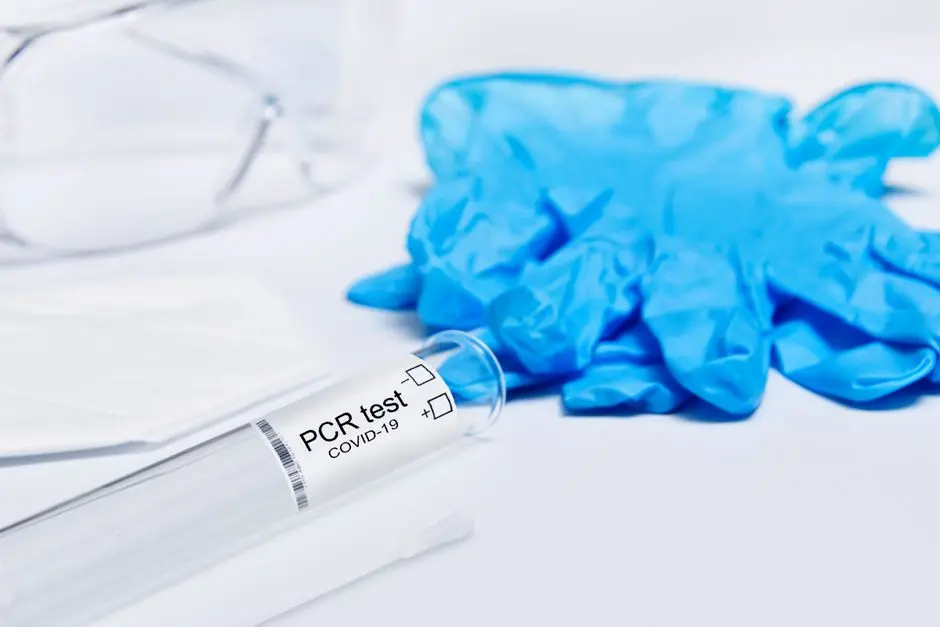
A robust PCR workflow extends beyond reaction optimization to encompass rigorous contamination control and diligent post-PCR validation. Contamination, particularly from previously amplified PCR products, is a pervasive threat that can invalidate weeks of work. We establish an uncompromising environment of cleanliness. Designate separate work areas for pre-PCR (template preparation, master mix assembly) and post-PCR (gel electrophoresis, product analysis) activities. Employ dedicated sets of pipettes, reagents, and lab coats for each area. Crucially, utilize filter tips universally to prevent aerosol contamination. Regularly decontaminate work surfaces and equipment with 10% bleach solution followed by 70% ethanol, and consider UV irradiation for workbenches. Running non-template controls (NTCs) in every experiment is a non-negotiable best practice. These reactions, containing all PCR reagents except the template DNA, immediately flag any exogenous DNA contamination, providing an essential quality assurance checkpoint.
Once amplification is complete, meticulous validation of the PCR product is paramount. Gel electrophoresis is the primary method for assessing amplicon size and purity. We meticulously verify that the amplified band corresponds to the expected size and that no primer dimers or non-specific products are present. A single, distinct band at the predicted molecular weight signals a successful, specific reaction. Densitometric analysis can provide an estimate of yield. For critical applications, we push beyond mere size verification. Sanger sequencing of the amplified product is the gold standard for confirming the exact DNA sequence, particularly when single nucleotide polymorphisms (SNPs) or mutations are under investigation. This guarantees that the correct target sequence was amplified and that no unwanted mutations were introduced during the PCR process.
Moreover, for quantitative applications like qPCR, the generation of a melting curve (dissociation curve analysis) is essential. A single, sharp peak in the melting curve indicates specific amplification, while multiple peaks or broad peaks suggest primer dimers or non-specific products, respectively. We must interpret these data critically. We forge a culture of vigilance against contamination and an unwavering commitment to validating every amplicon. These safeguards are not mere recommendations; they are critical pillars for constructing an unimpeachable experimental foundation, driving confidence in every data point and accelerating true biological discovery.
Key Takeaways
PCR Optimization Essentials: A Strategic Overview
To command unparalleled PCR specificity and yield, we embrace a multi-faceted strategic approach:
- Primer and Template Foundation: Design primers meticulously (18-24 bp, 40-60% GC, Tm < 2°C difference) and ensure template DNA is pure, intact, and at optimal concentration. Utilize bioinformatics tools to predict secondary structures and primer dimers.
- Reagent Precision: Select appropriate DNA polymerase (e.g., hot-start for specificity), precisely titrate MgCl₂ (1.5-2.5 mM, empirically optimized), and maintain equimolar dNTP concentrations (200 µM). Employ additives like DMSO or Betaine for challenging templates, optimizing their use.
- Thermal Cycling Mastery: Optimize annealing temperature (Ta) using gradient PCR, typically 5°C below Tm, to balance specificity and yield. Adjust extension time based on amplicon length (1 min/kb). Limit cycle number (<35) to prevent artifacts and reagent depletion.
- Advanced Techniques: Deploy Touchdown PCR for enhanced specificity with challenging templates or Nested PCR for superior sensitivity and specificity in low-abundance scenarios.
- Vigilant Contamination Control: Implement strict pre- and post-PCR separation, use filter tips, decontaminate surfaces, and always include Non-Template Controls (NTCs) to monitor for exogenous DNA.
- Rigorous Product Validation: Confirm amplicon size and purity via gel electrophoresis. For critical applications, confirm sequence accuracy with Sanger sequencing and assess qPCR specificity with melting curve analysis.
Each step is a critical lever. By mastering these interlinked parameters, we elevate PCR from a routine procedure to a high-precision instrument of scientific discovery.
FAQ
-
How can I quickly troubleshoot non-specific bands or primer dimers in my PCR?
To swiftly address non-specific bands or primer dimers, we immediately implement several corrective actions. First, increase the annealing temperature (Ta) in 1-2°C increments; higher stringency discourages off-target binding. Second, reduce primer concentration, often to 0.2-0.3 µM, as excessive primers readily form dimers. Third, optimize MgCl₂ concentration; a slight reduction can often restore specificity. Fourth, for persistent issues, consider switching to a hot-start DNA polymerase or implementing Touchdown PCR. Finally, meticulously re-check your primers for potential secondary structures or cross-dimerization using bioinformatics tools, and ensure your template DNA is pure and free from inhibitors.
-
What are the common reasons for low PCR yield, and how do I improve it?
Low PCR yield often stems from sub-optimal reaction conditions or template issues. We conquer this by: optimizing MgCl₂ concentration, which directly impacts polymerase activity; ensuring equimolar and sufficient dNTP concentrations; confirming your DNA polymerase is active and suitable for your amplicon length (e.g., using a high-processivity enzyme for long targets). Crucially, verify template quality and quantity – degraded or too little template severely limits yield. Adjusting extension time (1 min/kb) for sufficient amplification and optimizing cycle number (avoiding too few or too many) are also vital. For difficult templates, consider PCR enhancers like DMSO or Betaine, carefully titrating their concentrations.
-
How does contamination primarily occur in PCR, and what are the best prevention strategies?
Contamination in PCR typically arises from previously amplified products (carry-over contamination), exogenous DNA from environmental sources, or improperly handled reagents. We enforce a stringent multi-pronged prevention strategy. First, maintain physical separation of pre-PCR and post-PCR activities, ideally in different rooms or dedicated benches. Second, use aerosol-barrier filter tips for all pipetting. Third, employ dedicated sets of pipettes, reagents, and lab coats for each area. Fourth, rigorously clean work surfaces and equipment with bleach and UV light. Fifth, consistently include Non-Template Controls (NTCs) in every run to immediately detect any exogenous DNA, allowing for prompt corrective action. These proactive measures are indispensable for safeguarding data integrity.