
> Laboratory Techniques > PCR and DNA Amplification Methods > Unleash Precision: PCR's Role in Pathogen Detection
Unleash Precision: PCR's Role in Pathogen Detection
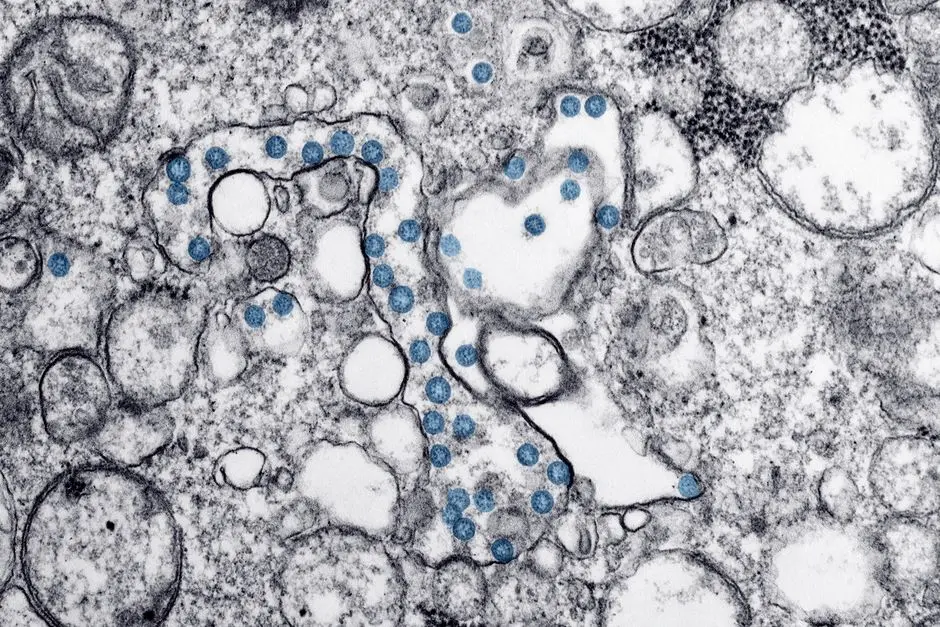
In the relentless battle against infectious diseases, the ability to rapidly and accurately identify pathogens stands as our paramount defense. Traditional methods, often time-consuming and labor-intensive, frequently fall short of the urgency demanded by evolving threats. Enter Polymerase Chain Reaction (PCR), a molecular powerhouse that has fundamentally transformed our diagnostic capabilities.
This deep dive into the applications of PCR in pathogen detection charts its pivotal role, from safeguarding public health during pandemics to ensuring food safety and environmental integrity. We dissect the scientific underpinnings, explore advanced methodologies, and unveil real-world applications that define its impact. Prepare to comprehend how modern PCR techniques for DNA amplification and analysis specifically equip us to combat these invisible adversaries, offering unparalleled sensitivity and specificity. We unlock the strategic insights that empower precision diagnostics, ensuring we are not just reactive, but proactively forging a healthier future.
Forging Our Shield: The Transformative Power of PCR in Pathogen Detection
We stand at the frontier of health security, where swift and precise pathogen identification dictates our collective resilience. Before the advent of PCR, our primary tools for detecting microbial threats relied heavily on culture-based methods, which, while foundational, often demand days or even weeks for results. This latency can critically impede outbreak containment, treatment initiation, and public health responses. PCR revolutionized this landscape by offering an unprecedented capability: the amplification of minute quantities of specific DNA or RNA sequences unique to a pathogen.
The core principle is elegant yet profoundly impactful: a pathogen's unique genetic signature serves as its molecular fingerprint. PCR targets and exponentially multiplies this specific fragment, even if only a few copies are present in a complex sample. This intrinsic sensitivity means we can detect infections far earlier than traditional methods, often before symptoms manifest. The technique's specificity, driven by expertly designed primers, ensures that only the target pathogen's nucleic acid is amplified, minimizing false positives. We leverage PCR across a spectrum of applications: diagnosing viral outbreaks, identifying bacterial contaminants in food, monitoring water quality for parasitic threats, and even forensic analysis. This technological leap transforms diagnostics from a slow, often ambiguous process into a rapid, definitive molecular investigation, equipping us with a formidable shield against microbial invaders.
Precision Arsenal: Core PCR Methodologies for Unmasking Pathogens
Our conquest against pathogens demands a multi-faceted approach, and PCR offers an arsenal of specialized techniques, each tailored for distinct diagnostic challenges. We deploy these methodologies to extract maximal information from every sample, optimizing detection and quantification.
- Quantitative PCR (qPCR): This technique elevates standard PCR by enabling real-time monitoring of DNA amplification. Utilizing fluorescent probes (like TaqMan or SYBR Green), qPCR quantifies the initial amount of target DNA or RNA. We leverage qPCR extensively for determining viral loads (e.g., HIV, HBV, HCV) or bacterial burden, crucial for assessing disease progression and treatment efficacy. Its real-time nature drastically reduces turnaround time and improves accuracy compared to end-point detection.
- Reverse Transcription PCR (RT-PCR): Many critical pathogens, particularly viruses such as SARS-CoV-2, Influenza, and HIV, possess RNA genomes. RT-PCR is indispensable for their detection. This method first converts the viral RNA into complementary DNA (cDNA) using reverse transcriptase, then proceeds with standard PCR amplification. This crucial initial step unlocks the entire viral RNA world for PCR analysis.
- Multiplex PCR: Imagine simultaneously screening for multiple pathogens or different strains from a single sample. Multiplex PCR achieves this efficiency by employing multiple sets of primers, each specific to a different target, within a single reaction tube. This technique is invaluable in syndromic testing, where overlapping symptoms make initial diagnosis challenging, allowing us to quickly identify the causative agent from a panel of possibilities.
Insider Tip: The success of any PCR application hinges on meticulous primer design. We ensure primers are highly specific to the pathogen's unique genetic sequences and avoid regions of high homology with host DNA or other microbes to prevent non-specific amplification and false positives. This precision in design is non-negotiable for reliable results.
Impact Unleashed: Strategic Applications Across Diverse Pathogen Classes
The versatility of PCR extends its reach across the entire microbial spectrum, empowering us to confront bacterial, viral, fungal, and parasitic threats with unparalleled precision. We harness its power to provide definitive answers where traditional methods falter.
- Bacterial Pathogens: We aggressively pursue bacterial threats, identifying virulent strains like methicillin-resistant Staphylococcus aureus (MRSA) and tracking antibiotic resistance genes (e.g., extended-spectrum beta-lactamases - ESBL). PCR excels in detecting fastidious or unculturable bacteria, such as Mycobacterium tuberculosis in challenging clinical samples, or rapidly identifying foodborne pathogens like Salmonella and Listeria monocytogenes, preventing widespread outbreaks.
- Viral Pathogens: In the face of viral pandemics, PCR is our first line of defense. We saw its critical role in the rapid identification of SARS-CoV-2, enabling swift containment strategies. Beyond diagnostics, we monitor viral loads for chronic infections like HIV and Hepatitis C, guiding patient treatment and assessing drug efficacy. Early detection of emerging viruses, like Zika or Dengue, in travelers or mosquito vectors, empowers proactive public health interventions.
- Fungal and Parasitic Pathogens: Diagnosing fungal infections, often subtle and life-threatening in immunocompromised patients, becomes definitive with PCR. We detect pathogens like Candida, Aspergillus, and Pneumocystis jirovecii directly from clinical samples. For parasitic diseases, PCR offers superior sensitivity over microscopy for detecting low-level infections, such as Plasmodium species (malaria) or Leishmania, particularly in asymptomatic carriers or endemic regions, facilitating targeted eradication efforts.
Best Practice: We integrate internal amplification controls into every PCR reaction. These controls, often targeting a host gene or a spiked-in synthetic sequence, confirm that the extraction process was efficient and that no inhibitors are present in the sample, thereby preventing false negatives and ensuring result validity. This vigilance guarantees the reliability of our pathogen detection.
Future Horizons: Advanced Strategies and Breakthroughs in PCR Pathogen Detection
Our journey to master pathogen detection is continuous, pushing the boundaries of PCR to achieve even greater sensitivity, speed, and automation. We actively refine existing protocols and embrace disruptive technologies to stay ahead of evolving threats.
- Optimized Sample Preparation: The initial step of nucleic acid extraction is paramount. We acknowledge that diverse biological and environmental matrices (blood, saliva, soil, water) present unique challenges. Implementing robust and validated extraction protocols, often involving magnetic beads or solid-phase columns, is non-negotiable. Poor extraction compromises downstream PCR success, regardless of the assay's quality.
- Combatting PCR Inhibition: Samples can contain substances (e.g., heme from blood, humic acids from soil, polysaccharides) that inhibit the polymerase enzyme. We strategically employ dilution, enhanced purification kits, or add PCR enhancers (e.g., BSA, betaine) to mitigate these effects. Our aim is to achieve unhindered enzymatic activity for accurate amplification.
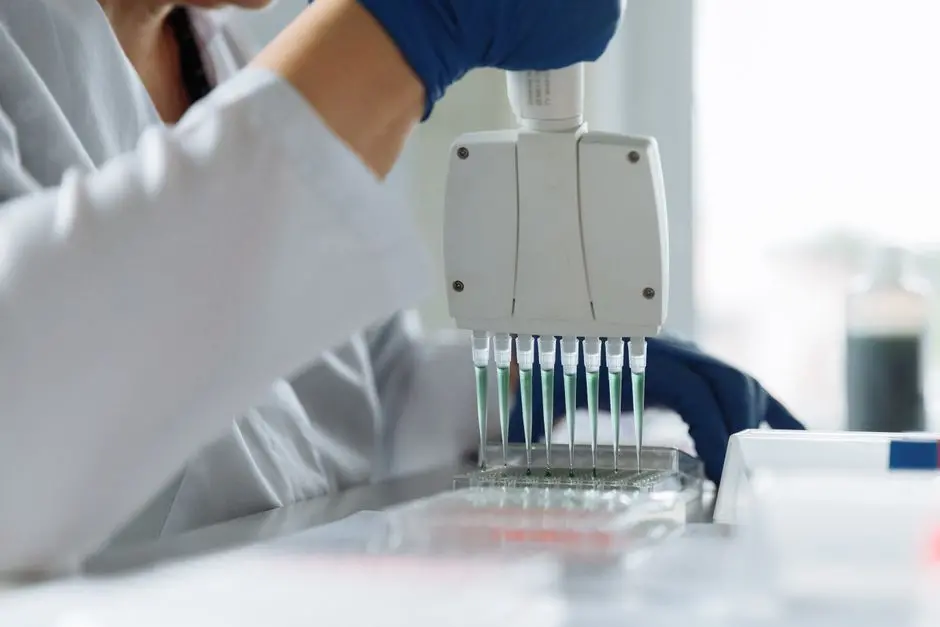
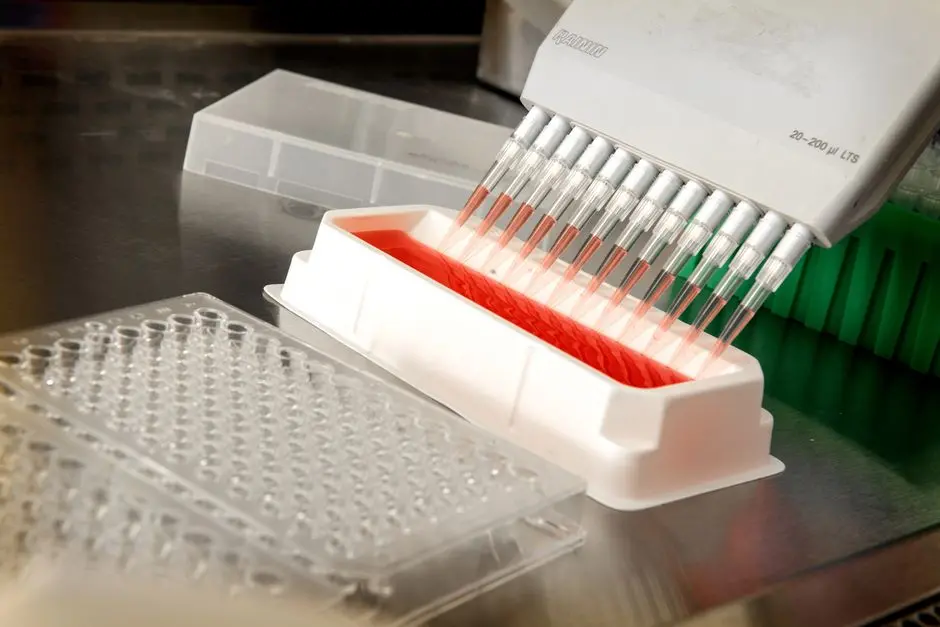
- Automation and High-Throughput Screening: To meet the demands of large-scale testing, especially during epidemics, we deploy automated liquid handling systems and robotic platforms. These systems minimize human error, standardize protocols, and drastically increase throughput, enabling rapid screening of thousands of samples daily with minimal manual intervention.
- Next-Generation PCR Technologies: We are integrating cutting-edge PCR variants. Digital PCR (dPCR) offers absolute quantification without a standard curve, providing unparalleled sensitivity for detecting ultra-low copy targets, like circulating tumor DNA or residual pathogens. Isothermal Amplification Methods, such as Loop-mediated Isothermal Amplification (LAMP), operate at a constant temperature, eliminating the need for a thermocycler, making them ideal for rapid, point-of-care diagnostics in resource-limited settings.
Common Error: Overlooking the rigorous validation of extraction kits and protocols for each unique sample type and pathogen. An unvalidated extraction can lead to inconsistent yields, increased inhibition, and ultimately, unreliable diagnostic results, compromising our entire pathogen detection strategy.
Key Takeaways
PCR's Foundational Impact on Pathogen Detection
PCR has fundamentally transformed pathogen detection by enabling rapid, highly sensitive, and specific identification of microbial genetic material. It offers a critical advantage over traditional culture-based methods, particularly for fastidious or unculturable organisms, and during urgent public health crises.
Key Methodologies for Targeted Pathogen Identification
- qPCR provides real-time quantification of pathogen load, essential for disease monitoring and treatment efficacy.
- RT-PCR is indispensable for detecting RNA viruses, converting RNA into amplifiable cDNA.
- Multiplex PCR enhances efficiency by simultaneously identifying multiple pathogens from a single sample, crucial for syndromic diagnostics.
Broad Spectrum of Applications Across Pathogen Classes
PCR is strategically applied to detect a vast array of pathogens: identifying antibiotic-resistant bacteria, rapidly diagnosing viral outbreaks (e.g., SARS-CoV-2), pinpointing systemic fungal infections, and improving the detection of parasitic diseases like malaria. Its versatility secures health across diverse clinical and environmental settings.
Critical Factors for Robust PCR Diagnostics
Successful PCR pathogen detection hinges on optimized sample preparation to ensure high-quality nucleic acid extraction. Effective strategies to mitigate PCR inhibitors are vital to prevent false negatives. The integration of internal controls is paramount for validating extraction efficiency and ruling out inhibition, guaranteeing reliable and accurate diagnostic outcomes.
Advancing Detection with Next-Generation Technologies
The field is continuously evolving with technologies like Digital PCR (dPCR) offering absolute quantification and ultra-sensitive detection of rare targets. Isothermal amplification methods (e.g., LAMP) provide rapid, point-of-care solutions. Automation and high-throughput platforms further enhance capacity, streamlining large-scale pathogen screening and surveillance efforts.
FAQ
-
How does PCR achieve such high specificity in pathogen detection?
PCR's high specificity stems primarily from the precise design of its oligonucleotide primers. These short DNA sequences are engineered to bind exclusively to unique, conserved regions within the pathogen's genome, acting like molecular 'lock and key' mechanisms. When primers anneal only to the target pathogen's nucleic acid, the polymerase enzyme initiates amplification solely of that specific sequence, ignoring all other genetic material present in the sample. This meticulous targeting ensures that we amplify only what we intend to detect, minimizing cross-reactivity with host DNA or non-target microbes and thereby delivering definitive identification.
-
What are the main advantages of qPCR over traditional PCR for pathogen detection?
qPCR offers several significant advantages over traditional end-point PCR for pathogen detection. Firstly, it provides quantification, allowing us to determine the initial amount of pathogen nucleic acid in a sample, crucial for viral load assessment or bacterial burden monitoring. Secondly, it offers real-time results; amplification is monitored during each cycle, eliminating the need for post-PCR gel electrophoresis and significantly reducing turnaround time. Thirdly, qPCR boasts higher sensitivity and a broader dynamic range, capable of detecting very low pathogen concentrations. Finally, it reduces the risk of carry-over contamination often associated with opening reaction tubes for post-PCR analysis.
-
Can PCR differentiate between live and dead pathogens?
Standard PCR methods amplify nucleic acids (DNA or RNA) regardless of the pathogen's viability; a dead pathogen still contains its genetic material. Therefore, standard PCR alone cannot differentiate between live and dead organisms. However, advanced approaches can offer insights into viability. For instance, using Reverse Transcription PCR (RT-PCR) to detect mRNA, which has a shorter half-life and is rapidly degraded in dead cells, can serve as an indicator of metabolic activity and thus potential viability. Additionally, techniques like Propidium Monoazide (PMA) or Ethidium Monoazide (EMA) treatment, which selectively bind to DNA from compromised (dead) cell membranes, preventing its amplification, can be combined with PCR to assess viability. These methods help us discern between infectious and non-infectious microbial presence.
-
What are the most common challenges in using PCR for pathogen detection?
Despite its power, PCR in pathogen detection faces several common challenges. A primary concern is sample quality and preparation; inadequate nucleic acid extraction or degradation can lead to false negatives. PCR inhibitors, present in many biological and environmental samples (e.g., blood, stool, soil), can directly impede polymerase activity, also causing false negatives. The potential for contamination with exogenous DNA or previously amplified PCR products remains a persistent risk, leading to false positives. Furthermore, primer design requires meticulous attention to avoid non-specific amplification or failure to detect genetic variants. Addressing these challenges through rigorous protocols, internal controls, and careful laboratory practices is critical for reliable diagnostic outcomes.