
> Laboratory Techniques > PCR and DNA Amplification Methods > Propel Research: PCR's Indispensable Role in Biology Labs
Propel Research: PCR's Indispensable Role in Biology Labs
We stand at the precipice of biological discovery, constantly pushing the boundaries of what is possible. At the heart of this relentless pursuit lies a technique so fundamental, so transformative, that its absence would cripple modern science: the Polymerase Chain Reaction (PCR). Since its inception, PCR has evolved from a groundbreaking concept into an indispensable tool, seamlessly integrated into nearly every facet of biological research and applied science.
This article dissects the critical importance of PCR, revealing how its unparalleled ability to amplify specific DNA sequences has revolutionized diagnostics, forensic science, genetic engineering, and environmental monitoring. We will navigate its core mechanisms, explore its diverse applications, and unpack the advanced strategies that ensure its robustness and continued evolution. Prepare to unlock a deep understanding of why PCR isn't just a lab technique, but the very engine driving our most profound biological insights and technological advancements. We shall delve into the intricacies of
modern PCR techniques for DNA amplification and analysis, equipping you with the knowledge to leverage this powerhouse tool effectively in any contemporary biological laboratory.
The Transformative Genesis: Unpacking PCR's Core Mechanism
PCR did not merely improve biological research; it redefined its very landscape. Before its advent, working with minute quantities of DNA was an exercise in futility, severely limiting our ability to study genes, diagnose diseases, or identify individuals from trace biological samples. Kary Mullis's ingenious concept, developed in the mid-1980s, introduced a method to selectively amplify a specific segment of DNA by orders of magnitude – a molecular photocopier for genetic material.
We distill its elegance into three fundamental, temperature-dependent steps, reiterated over multiple cycles:
- Denaturation: We elevate the temperature (typically 94-98°C) to break the hydrogen bonds separating the double-stranded DNA template into single strands. This provides access for the primers.
- Annealing: We then lower the temperature (typically 50-65°C) allowing short, synthetic DNA oligonucleotides – called primers – to bind to complementary sequences on each single-stranded DNA template. The precision of primer design is paramount, dictating the specificity of our amplification.
- Extension: We slightly increase the temperature (typically 70-72°C), optimizing conditions for a heat-stable DNA polymerase (like Taq polymerase) to synthesize new DNA strands by extending the primers, using the template as a guide and dNTPs as building blocks.
Each cycle effectively doubles the number of target DNA molecules. After 20-35 cycles, a single DNA molecule can yield billions of copies. This exponential amplification is PCR's superpower, forging the raw material necessary for countless downstream analyses. Understanding and optimizing these cyclical phases are critical; minor deviations in temperature or time can drastically impact yield and specificity. We master these parameters to unlock PCR's full potential, ensuring robust and reliable results every time we amplify DNA.
Pillars of Precision: PCR in Diagnostics and Forensics
The power of PCR extends far beyond academic curiosity, anchoring its indispensable status in clinical diagnostics and forensic investigations. We leverage its unparalleled sensitivity and specificity to detect minute traces of genetic material, transforming our ability to diagnose, monitor, and identify with unprecedented accuracy.
- Infectious Disease Diagnostics: We utilize PCR to directly detect pathogen DNA or RNA (via reverse transcription PCR, RT-PCR) in patient samples. This capability is critical for early and accurate diagnosis of viral infections (e.g., HIV, Hepatitis, SARS-CoV-2), bacterial infections (e.g., Tuberculosis, Lyme disease), and parasitic diseases. Early detection enables timely treatment, mitigates disease spread, and improves public health outcomes. Unlike traditional culture methods, PCR offers rapid results, often within hours, which is vital in outbreak scenarios.
- Genetic Disorder Screening: We deploy PCR to identify specific genetic mutations or polymorphisms associated with hereditary diseases, such as cystic fibrosis, Huntington’s disease, or sickle cell anemia. This allows for prenatal diagnosis, carrier screening, and personalized risk assessment, empowering informed decisions for families. Our ability to amplify specific alleles provides a clear window into an individual's genetic predisposition.
- Forensic Science: PCR stands as the bedrock of modern forensic DNA analysis. We amplify trace amounts of DNA from crime scenes—a single hair follicle, a drop of blood, or even skin cells left on an object—to generate sufficient material for DNA profiling. By targeting short tandem repeat (STR) loci, we create unique genetic fingerprints that can link suspects to crime scenes or identify victims, providing irrefutable evidence that was previously unimaginable. This transformation has revolutionized criminal justice, delivering precision and objectivity to legal proceedings.
Our commitment to precision in these fields demands rigorous adherence to protocols, stringent contamination control, and meticulous interpretation of results. We understand that lives and justice often hinge on the reliability of our PCR assays.
Driving Discovery: PCR's Indispensable Role in Research and Biotechnology
Beyond clinical and forensic applications, PCR fuels the engine of fundamental biological research and biotechnology, enabling discoveries and innovations across countless disciplines. We harness its power to manipulate, analyze, and understand genetic material at an unparalleled resolution.
- Gene Cloning and Expression: We utilize PCR to amplify specific genes or DNA fragments for subsequent cloning into vectors. This is foundational for expressing proteins, studying gene function, and creating recombinant organisms. PCR facilitates the precise insertion of restriction sites or other sequences, streamlining the genetic engineering process.
- Gene Expression Studies: Quantitative PCR (qPCR) or real-time PCR allows us to quantify the amount of specific DNA or RNA in a sample. By monitoring fluorescence signals in real-time during amplification, we precisely measure gene expression levels under various conditions. This technique is invaluable for understanding cellular responses to stimuli, disease progression, and the efficacy of therapeutic interventions. We unlock dynamic insights into biological processes.
- DNA Sequencing Preparation: Before next-generation sequencing (NGS), we often employ PCR to generate libraries of target DNA fragments. This pre-amplification step ensures sufficient starting material and can enrich for specific regions of interest, making sequencing more efficient and cost-effective. We streamline complex genomic analyses.
- Mutagenesis and Synthetic Biology: We engineer specific mutations into DNA sequences using PCR-based techniques, enabling site-directed mutagenesis to investigate protein structure-function relationships. In synthetic biology, PCR is crucial for assembling custom DNA constructs, synthesizing entire genes, or creating genetic circuits. We actively design and build new biological systems.
- Phylogenetic Analysis and Environmental Monitoring: We amplify specific genes (e.g., 16S rRNA for bacteria, ITS regions for fungi) from environmental samples (soil, water, air) to identify and characterize microbial communities, assess biodiversity, and track ecological changes. This provides profound insights into microbial ecosystems and their roles in global biogeochemical cycles.
We recognize PCR as the versatile architect of molecular tools, constantly adapting to new scientific challenges and enabling the synthesis of knowledge that pushes the boundaries of life sciences.
Mastering the Amplification: Best Practices, Troubleshooting, and Advanced Variants
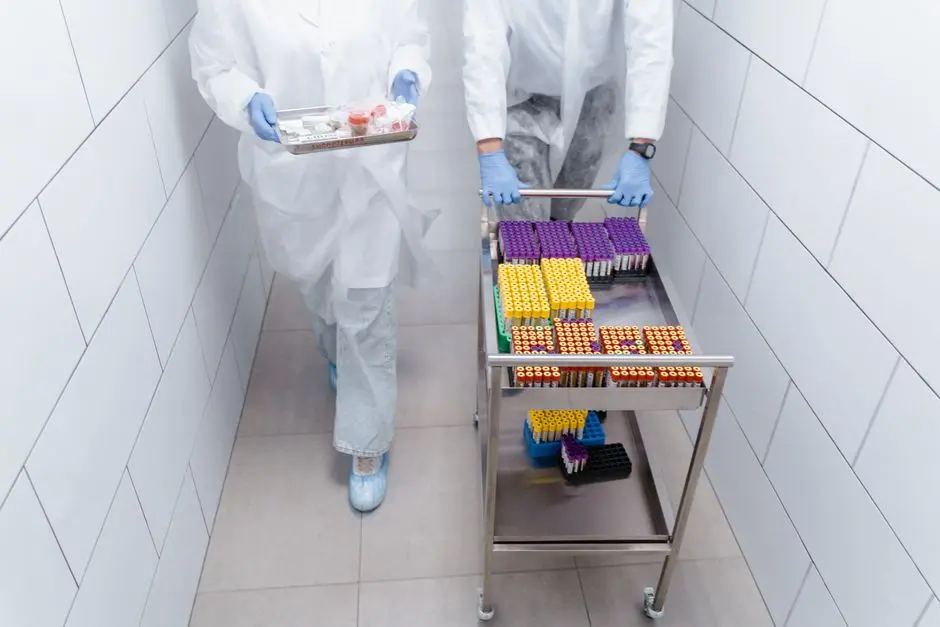
While PCR's principle is elegantly simple, achieving consistent, high-fidelity results demands meticulous attention to detail and a strategic approach. We confront common pitfalls head-on, transforming potential failures into learning opportunities and optimizing our protocols for maximum efficiency and specificity.
- Primer Design is Paramount: We invest significant effort in designing optimal primers. Factors like primer length (typically 18-24 bp), GC content (40-60%), melting temperature (Tm within 5°C for primer pairs), and the absence of secondary structures (hairpins, dimers) are critical. Poorly designed primers lead to non-specific amplification or primer dimers, wasting reagents and skewing results. We utilize bioinformatics tools to predict and prevent these issues.
- Contamination Control is Non-Negotiable: The extraordinary sensitivity of PCR makes it highly susceptible to contamination by exogenous DNA. We establish dedicated pre- and post-PCR workstations, employ sterile techniques, use filter tips, and regularly decontaminate surfaces with UV light or bleach. We employ positive and negative controls in every experiment to detect and troubleshoot contamination.
- Optimizing Reaction Conditions: We systematically optimize critical parameters such as annealing temperature, Mg2+ concentration, dNTP concentration, and polymerase choice. A gradient thermocycler is an invaluable asset for empirically determining the ideal annealing temperature. We understand that these factors collectively influence enzyme activity, primer binding, and overall reaction efficiency.
- Common Troubleshooting Scenarios:
- No Product: Indicates issues with template quality, primer design, enzyme activity, or thermocycling conditions. We re-evaluate each component systematically.
- Non-Specific Bands: Often due to sub-optimal annealing temperature (too low), poor primer specificity, or excessive template DNA. We increase annealing temperature or redesign primers.
- Primer Dimers: Formed when primers bind to each other and amplify. We optimize primer design, concentration, or annealing temperature.
- Advanced PCR Variants: We integrate specialized PCR techniques to meet diverse research demands. Reverse Transcription PCR (RT-PCR) quantifies RNA by first converting it to cDNA. Quantitative PCR (qPCR) allows for real-time quantification. Multiplex PCR simultaneously amplifies multiple targets in a single reaction, saving time and sample. Nested PCR increases sensitivity and specificity by using two sets of primers in sequential reactions. We deploy these tools strategically to conquer complex molecular challenges.
Our mastery of PCR stems from a deep understanding of its biochemistry, coupled with rigorous experimental design and a proactive troubleshooting mindset. We refine our approach continually to ensure robust and reproducible amplification, propelling our discoveries forward with confidence.

The Horizon of Amplification: Next-Gen PCR and Future Impact
PCR is not static; it is a continually evolving technology, adapting to the increasing demands for higher sensitivity, absolute quantification, and integration with advanced analytical platforms. We gaze at the horizon, identifying emerging innovations that further cement PCR's essential role in future biological laboratories.
- Digital PCR (dPCR): We are witnessing the rise of dPCR, which offers absolute quantification of nucleic acids without requiring standard curves. By partitioning samples into thousands of individual reactions (e.g., droplets or wells), dPCR allows for the detection and enumeration of target molecules with unprecedented precision and sensitivity, especially for low-abundance targets. This technique is revolutionizing fields like rare mutation detection (e.g., liquid biopsies for cancer), pathogen quantification, and gene editing validation (CRISPR efficiency). We embrace dPCR for its ability to provide definitive molecular counts.
- Point-of-Care (POC) PCR: We are driving the miniaturization and automation of PCR systems, bringing molecular diagnostics closer to the patient. POC PCR devices offer rapid, on-site detection of pathogens, empowering clinicians to make immediate treatment decisions, particularly in resource-limited settings or during pandemics. These portable, user-friendly platforms reduce turnaround times from days to minutes, fundamentally altering healthcare delivery.
- Integration with Microfluidics and Lab-on-a-Chip Technologies: We are actively integrating PCR into microfluidic devices, enabling highly parallelized and automated workflows. These 'lab-on-a-chip' systems combine sample preparation, amplification, and detection in a single, compact platform, offering reduced reagent consumption, faster reaction times, and higher throughput. This synergy pushes the boundaries of high-throughput screening and personalized medicine.
- Synergy with CRISPR and Gene Editing: PCR plays a critical role in the validation and analysis of gene editing experiments. We use PCR-based assays to screen for successful gene edits, quantify on-target and off-target activity, and confirm the precise insertion or deletion of genetic material. Its rapid, specific amplification capabilities are indispensable for accelerating the development of gene therapies and fundamental genetic research.
- Metagenomics and Environmental DNA (eDNA) Analysis: We extend PCR's application to complex environmental samples. By amplifying marker genes from eDNA (DNA shed by organisms into their environment), we monitor biodiversity, track invasive species, and assess ecosystem health without direct observation. This non-invasive approach is transforming ecological research and conservation efforts, providing a comprehensive molecular snapshot of life.
We commit to leveraging these advancements, ensuring PCR remains at the forefront of biological discovery and technological innovation. Its continued evolution promises even greater precision, accessibility, and impact, solidifying its indispensable status in the modern biological laboratory for decades to come.
Key Takeaways
Core Mechanism of PCR
PCR operates through repetitive cycles of denaturation (separating DNA strands), annealing (primer binding), and extension (new strand synthesis). This exponential amplification process, driven by heat-stable DNA polymerase, converts trace amounts of DNA into billions of copies, making it accessible for analysis.
Key Applications: Diagnostics and Forensics
PCR is indispensable for rapid and accurate diagnosis of infectious diseases (viruses, bacteria), screening for genetic disorders, and generating precise DNA profiles in forensic investigations. Its high sensitivity and specificity are critical for public health, clinical decision-making, and justice.
Key Applications: Research and Biotechnology
In research, PCR is fundamental for gene cloning, quantifying gene expression (qPCR), preparing samples for DNA sequencing, engineering precise mutations, and constructing synthetic DNA. It is also vital for analyzing microbial communities and tracking biodiversity through environmental DNA (eDNA).
Best Practices and Troubleshooting
Optimal PCR success relies on meticulous primer design, stringent contamination control, and careful optimization of reaction conditions (annealing temperature, Mg2+). Common issues like no product, non-specific amplification, or primer dimers are often resolved by systematically adjusting these parameters.
Future Directions and Innovations
PCR continues to evolve with innovations like Digital PCR (dPCR) for absolute quantification, miniaturized Point-of-Care (POC) devices for rapid diagnostics, and integration with microfluidics. Its synergy with technologies like CRISPR further solidifies its role in future precision medicine, synthetic biology, and advanced genomic analyses.
FAQ
-
What are the essential components required for a standard PCR reaction?
We require several key components for a standard PCR reaction. These include a DNA template containing the target sequence, two specific primers (forward and reverse) that flank the target region, a heat-stable DNA polymerase (e.g., Taq polymerase), deoxynucleotide triphosphates (dNTPs) as building blocks for new DNA synthesis, a buffer solution to maintain optimal pH and ionic strength, and magnesium ions (Mg2+) as a cofactor for the polymerase. Each component plays a crucial role in ensuring efficient and specific amplification.
-
What are the most common reasons for PCR failure and how do we address them?
PCR failure often manifests as no amplification, non-specific products, or primer dimers. We address these systematically:
- No Amplification: Investigate template quality (degradation, inhibition), primer design (incorrect Tm, secondary structures), enzyme activity (old polymerase, incorrect storage), or thermocycler calibration.
- Non-Specific Products: Typically indicates annealing temperature is too low, primer specificity issues, or excessive template DNA. We optimize annealing temperature or redesign primers.
- Primer Dimers: Result from primers binding to each other. We adjust primer concentration, optimize annealing temperature, or redesign primers.
Rigorous control of contamination and meticulous experimental design are our primary defenses against these issues.
-
How has PCR evolved since its original conception to meet modern demands?
Since its conception, PCR has undergone significant evolution. Initially a basic amplification tool, it has diversified into specialized techniques. We now routinely employ Reverse Transcription PCR (RT-PCR) for RNA analysis, Quantitative PCR (qPCR) for real-time quantification, and Multiplex PCR for simultaneous detection of multiple targets. More recently, Digital PCR (dPCR) offers absolute quantification with enhanced sensitivity. These advancements have expanded PCR's utility, enabling more precise, rapid, and complex genetic analyses to meet the rigorous demands of modern biological research and diagnostics.