
> New Molecule Discovery > Combinatorial Chemistry Methods > Accelerate Compound Library Synthesis: Scaling Strategies for Discovery
Accelerate Compound Library Synthesis: Scaling Strategies for Discovery
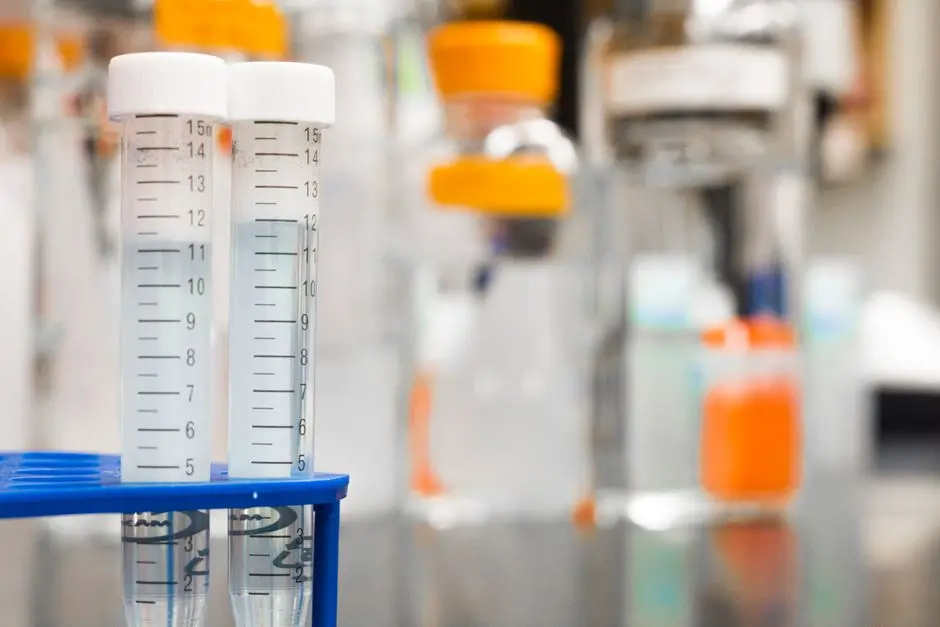
The relentless pursuit of novel therapeutics demands an unparalleled ability to explore chemical space. The sheer complexity of biology necessitates an expansive toolkit of small molecules to probe pathways, identify targets, and validate hypotheses. Compound libraries, vast collections of diverse chemical entities, are the bedrock of modern drug discovery. Yet, the creation of these expansive repositories presents a formidable challenge: how do we scale chemical synthesis to generate tens of thousands, even millions, of unique compounds efficiently and with unwavering quality?
This article dissects the critical strategies for scaling chemical synthesis for compound libraries, transforming theoretical concepts into actionable blueprints. We will navigate the intricate landscape of automation, workflow optimization, and stringent quality control, equipping you with the strategic foresight to build robust and impactful molecular collections. Mastering these principles is paramount for anyone committed to advancing the nuanced chemical strategies required for generating novel molecular libraries, ultimately accelerating the pace of biological innovation and drug discovery. Forgeons together the future of molecular exploration.
Architecting High-Throughput Synthesis Workflows
Scaling chemical synthesis for compound libraries begins with an uncompromising commitment to workflow architecture. We must transition from serial, lab-bench methodologies to integrated, parallelized systems. The fundamental principle is to minimize human intervention and maximize throughput without sacrificing fidelity. This demands a meticulous design phase where every reaction step, purification, and analytical check is considered for scalability and automation potential.
Key Design Principles:
- Modularity: Break down complex syntheses into discrete, manageable modules. This allows for parallel execution and easier troubleshooting.
- Standardization: Employ consistent reaction conditions, reagent concentrations, and solvent systems across different syntheses to facilitate automation and reduce variability.
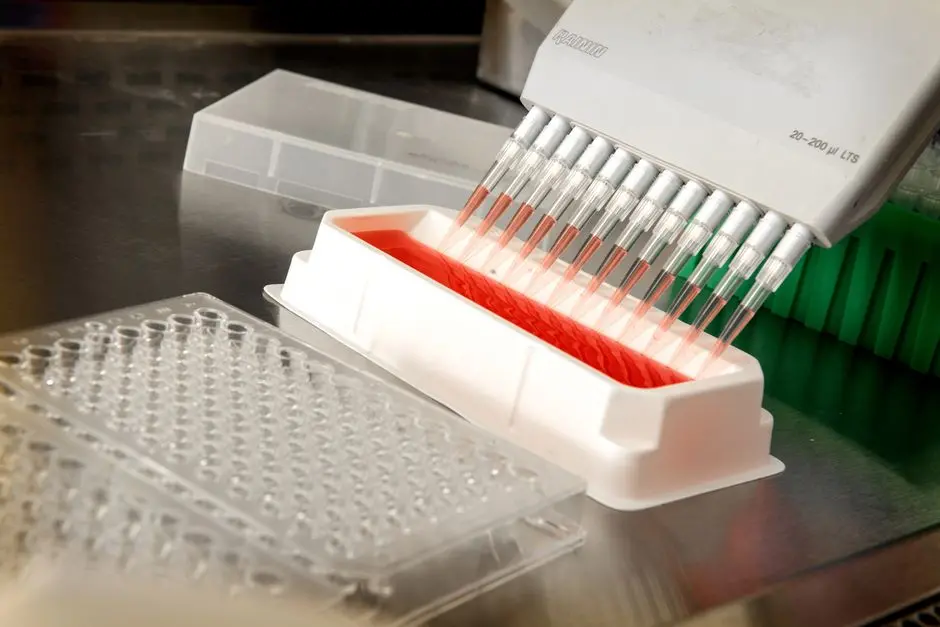
- Miniaturization: Leverage micro-scale or parallel-plate reaction formats to conserve precious reagents, reduce waste, and increase reaction density. Think of multi-well plates (e.g., 96- or 384-well) as the fundamental unit of synthesis.
- Automation Compatibility: Design reactions and workups that are amenable to automated liquid handling, heating/cooling, and filtration. Solid-phase synthesis (SPS) often excels here, as filtration and washing steps can be highly automated. Solution-phase parallel synthesis, while more challenging, can also be scaled effectively with appropriate instrumentation.
We champion a proactive approach: design for automation from conception. This means selecting chemistries known for high yields, broad substrate scope, and straightforward purification. Avoid highly sensitive reactions requiring extreme conditions or complex workups when generating large libraries. Consider 'click chemistry' or amide couplings for their robustness and ease of implementation. A well-architected workflow isn't just a collection of steps; it's an integrated biological engine designed for relentless productivity.
Navigating the Automation Landscape in Library Generation
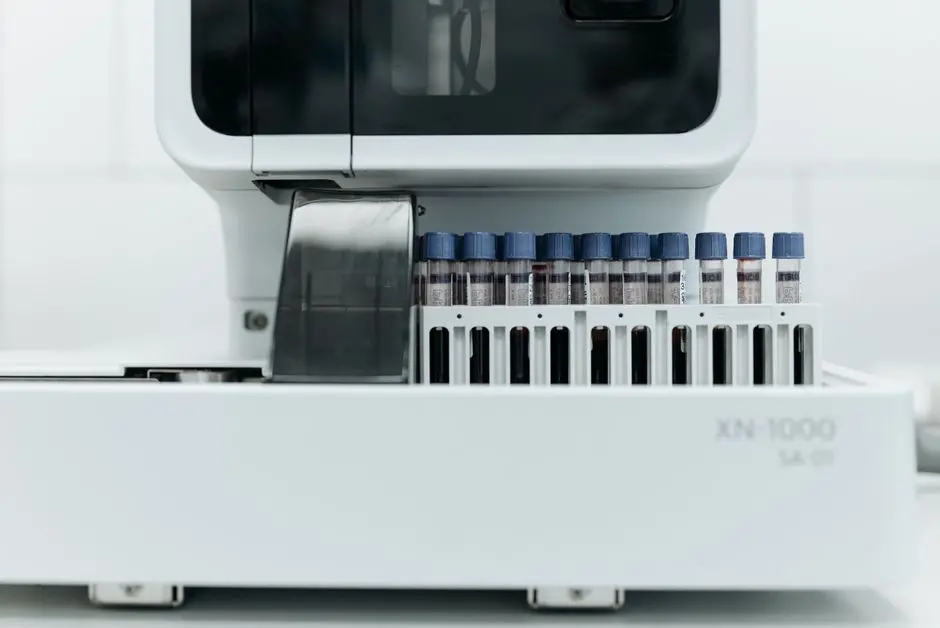
The successful scaling of chemical synthesis hinges on strategic deployment of automation. It’s not merely about replacing human hands; it’s about elevating precision, reproducibility, and speed to unprecedented levels. We deploy a multi-faceted automation strategy, integrating sophisticated robotics and intelligent software to transform the traditional synthetic lab.
Core Automation Technologies:
- Automated Liquid Handlers: These are the workhorses, precisely dispensing reagents, solvents, and reactants into multi-well plates, enabling simultaneous execution of hundreds or thousands of reactions. We must rigorously calibrate and validate these systems to prevent cross-contamination and ensure accurate volumes.
- Automated Synthesis Platforms: Specialized robotic systems designed for executing complex synthetic sequences, including heating, stirring, refluxing, and quenching reactions. Many can operate in parallel, significantly boosting throughput.
- Automated Purification Systems: Integrated systems for high-throughput purification, often coupled with mass spectrometry for real-time monitoring and fraction collection.
- Robotic Plate Readers: For rapid analytical assessment, integrated plate readers can perform preliminary QC checks or reaction monitoring.
The true power emerges from the seamless integration of these individual components. A robust Laboratory Information Management System (LIMS) is non-negotiable, acting as the central nervous system. It manages reagent inventory, tracks reaction parameters, monitors sample progress, and integrates analytical data. Without comprehensive data management, automation becomes a mere exercise in speed without intelligence. A common pitfall is 'islands of automation' – individual machines that don't communicate. We forge interconnected systems, where data flows effortlessly, enabling real-time decision-making and continuous optimization. This integrated approach minimizes errors, maximizes data integrity, and unlocks the full potential of high-throughput chemistry.
Strategic Purification and Characterization for Scaled Libraries
Synthesizing a vast library is only half the battle; ensuring the purity and identity of each compound is where many scaling efforts falter. We recognize that high-throughput purification and characterization are not just downstream processes but critical quality gates. The integrity of our molecular libraries directly impacts the validity of subsequent biological assays.
High-Throughput Purification Techniques:
- Automated Flash Chromatography: For crude reaction mixtures, automated flash systems equipped with multi-column changers and fraction collectors can purify multiple samples sequentially or in parallel.
- Preparative HPLC/SFC: For higher purity requirements, automated preparative HPLC (High-Performance Liquid Chromatography) or SFC (Supercritical Fluid Chromatography) systems are indispensable. These can be configured for walk-up purification or integrated into robotic workflows.
- Solid Phase Extraction (SPE): An efficient and automatable technique for rapid cleanup, often used for desalting or removing polymeric impurities.
Robust Characterization Methods:
- LC-MS (Liquid Chromatography-Mass Spectrometry): The cornerstone of high-throughput characterization. We utilize rapid LC gradients combined with high-resolution MS to confirm molecular weight and assess purity. Automated data processing is crucial for analyzing thousands of spectra.
- NMR (Nuclear Magnetic Resonance): While less amenable to high-throughput, NMR remains the gold standard for structural elucidation. We strategically employ automated NMR systems for a subset of compounds or those with ambiguous LC-MS data.
- IR (Infrared Spectroscopy): Provides rapid functional group confirmation.
Our strategy prioritizes pragmatic rigor. We establish clear purity thresholds (e.g., >90% by LC-MS) and develop robust, automated QC protocols. Deviations trigger immediate re-synthesis or targeted purification. Overlooking stringent QC at scale leads to ‘dirty libraries,’ yielding unreliable biological data and wasting invaluable resources. We validate every compound, ensuring that our discoveries are founded on unshakeable chemical certainty.
Optimizing Logistics and Resource Management for Mega-Libraries
The ambition of generating mega-libraries necessitates an operational mastery of logistics and resource management. We move beyond individual experiment planning to orchestrate a sophisticated supply chain and project management framework. This is where strategic foresight transforms potential chaos into streamlined efficiency.
Critical Operational Pillars:
- Reagent Sourcing and Inventory Management: At scale, securing high-quality, consistent reagents becomes a monumental task. We implement robust vendor qualification processes and maintain dynamic inventory systems that track usage, predict demand, and trigger automated reordering. Bulk purchasing and long-term supply agreements are fundamental for cost control and supply chain resilience.
- Sample Storage and Retrieval: Managing hundreds of thousands, or millions, of physical samples requires state-of-the-art automated storage systems. Robotic plate hotels operating at controlled temperatures (e.g., -20°C or -80°C) prevent degradation and enable rapid, error-free retrieval for biological screening.
- Data Governance and Archiving: Beyond LIMS, a comprehensive data governance strategy ensures the long-term integrity and accessibility of all synthetic and analytical data. This includes robust backup protocols, version control, and compliance with FAIR (Findable, Accessible, Interoperable, Reusable) data principles.
- Project Management and Multidisciplinary Collaboration: Scaling library synthesis is inherently a multidisciplinary endeavor. We deploy agile project management methodologies, fostering seamless collaboration between chemists, automation engineers, informaticians, and biologists. Regular cross-functional meetings, clear communication channels, and shared objectives are non-negotiable.
A common pitfall is underestimating the ‘soft’ costs – the time and effort invested in managing logistics. We conquer this by integrating sophisticated software tools and fostering a culture of operational excellence. Every reagent, every sample, every data point is a critical asset. By meticulously managing these resources, we unlock unprecedented efficiency and accelerate the transition from chemical synthesis to biological insight, forging the very foundation of future discoveries.
Key Takeaways
Key Principles for Scaled Synthesis
To scale compound library synthesis, we must architect modular, standardized, and miniaturized workflows designed for automation from conception. Prioritize robust chemistries (e.g., click chemistry, amide couplings) amenable to high-throughput execution. This foundational design minimizes human intervention and maximizes productivity.
Technological Pillars of Automation
Leverage automated liquid handlers, synthesis platforms, and purification systems, seamlessly integrated by a robust Laboratory Information Management System (LIMS). This central nervous system manages data, tracks progress, and ensures precision, reproducibility, and speed. Avoid 'islands of automation' by fostering interconnected systems.
Uncompromising Quality Control
Implement strategic high-throughput purification (automated flash, preparative HPLC/SFC, SPE) and characterization (LC-MS, NMR) to ensure compound purity and identity. Establish clear purity thresholds and automated QC protocols. This rigor prevents 'dirty libraries' and ensures reliable biological data, anchoring discoveries in chemical certainty.
Operational Mastery for Mega-Libraries
Achieve operational excellence through meticulous reagent sourcing, dynamic inventory management, and state-of-the-art automated sample storage. Implement robust data governance and foster multidisciplinary collaboration via agile project management. Conquering these logistical hurdles transforms potential chaos into streamlined efficiency, accelerating discovery.
FAQ
-
What is the primary bottleneck in scaling chemical synthesis for compound libraries, and how do we overcome it?
The primary bottleneck often lies in the purification and characterization steps for large, diverse libraries. While synthesis can be automated relatively easily, ensuring high purity and robust analytical validation for each compound at scale presents significant challenges. We overcome this by deploying an integrated strategy:
- Automation of Purification: Implementing automated flash chromatography, preparative HPLC/SFC, and SPE systems.
- High-Throughput Analytics: Leveraging rapid LC-MS as the primary QC tool, complemented by automated NMR for critical cases.
- Workflow Integration: Connecting synthesis, purification, and analytical platforms via LIMS for seamless data flow and real-time decision-making.
- Proactive Chemistry Design: Selecting robust chemistries that inherently produce fewer impurities, simplifying downstream purification.
By treating purification and characterization as an integral, automated part of the overall workflow, rather than isolated steps, we mitigate this bottleneck and maintain high library quality.