
> New Molecule Discovery > Combinatorial Chemistry Methods > Forge New Molecules: Master Solid-Phase Synthesis
Forge New Molecules: Master Solid-Phase Synthesis
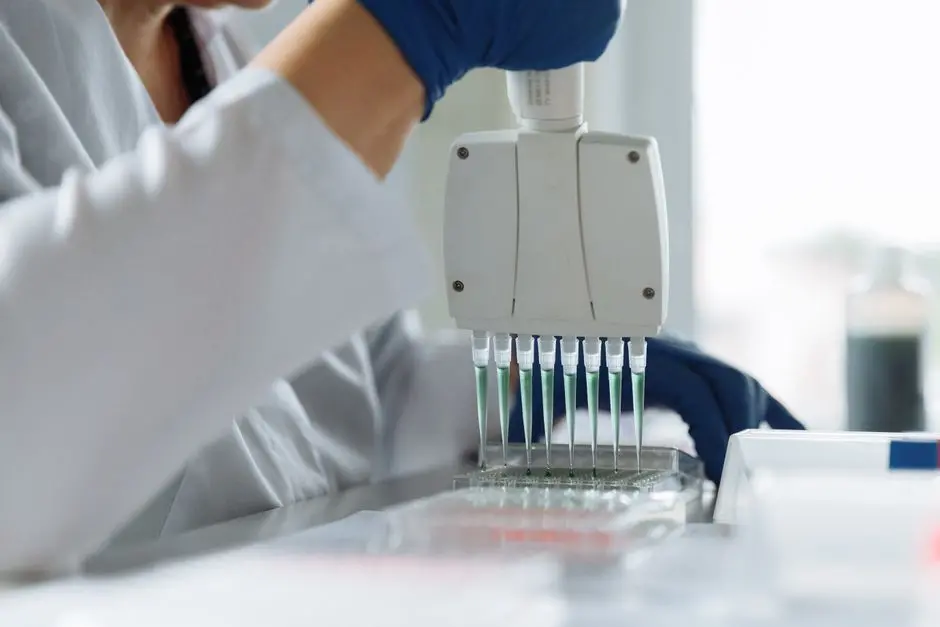
In the relentless pursuit of novel therapeutics and advanced materials, the landscape of chemical synthesis stands as our frontier. The challenge: generating vast, diverse molecular libraries efficiently and reproducibly. Traditional solution-phase methods often falter under the complexities of purification, limiting the speed and scale of discovery. Yet, an ingenious solution empowers us to overcome these hurdles, propelling the field of new molecule discovery into an era of unprecedented productivity.
We embark on an exploration of solid-phase synthesis (SPS), a transformative technique that anchors reaction intermediates to an insoluble support, drastically simplifying purification and enabling automated, high-throughput approaches. Understanding its mechanics is not merely academic; it is a strategic imperative for any entity aiming to innovate within chemical biology and drug development. This article dissects the core principles, practical steps, optimization strategies, and the profound impact of SPS. We illuminate how mastering this methodology unleashes potent chemical strategies for generating novel molecular libraries, accelerating the identification of compounds with desired biological activities. Prepare to decode the meticulous choreography of SPS and unlock its full potential for your molecular endeavors.
The Foundational Principles of Solid Phase Synthesis: Anchoring Innovation
Solid Phase Synthesis (SPS) fundamentally revolutionized organic chemistry by transitioning reactions from solution to an insoluble solid support, typically a polymeric resin. This strategic shift addresses the inherent complexities of multi-step organic synthesis, particularly the laborious intermediate purification steps that plague solution-phase methodologies. Our core objective with SPS is to simplify the purification process drastically: unreacted reagents, by-products, and solvents are merely washed away, leaving the desired product anchored to the resin, clean and ready for the next reaction cycle.
We recognize the resin as the silent hero of SPS, acting as a temporary scaffold. This polymeric material (e.g., polystyrene, polyethylene glycol) is functionalized with specific chemical groups, known as linkers, which serve as the initial attachment points for our starting material. The linker's chemistry is crucial; it must be stable throughout the synthesis yet cleavable under controlled conditions to release the final product. The key advantages SPS confers are profound: it facilitates excess reagent usage to drive reactions to completion, pushes equilibria favorably, and enables highly efficient purification by simple filtration and washing. This inherent simplicity paved the way for automation and the parallel synthesis of numerous compounds, making it indispensable for combinatorial chemistry. We deploy SPS to manage complex synthetic sequences, leveraging its capacity to build intricate molecular structures, one chemical bond at a time, on a stable and easily manageable platform. This approach has transformed drug discovery, allowing us to rapidly construct and screen vast chemical spaces, accelerating the identification of active pharmaceutical ingredients.
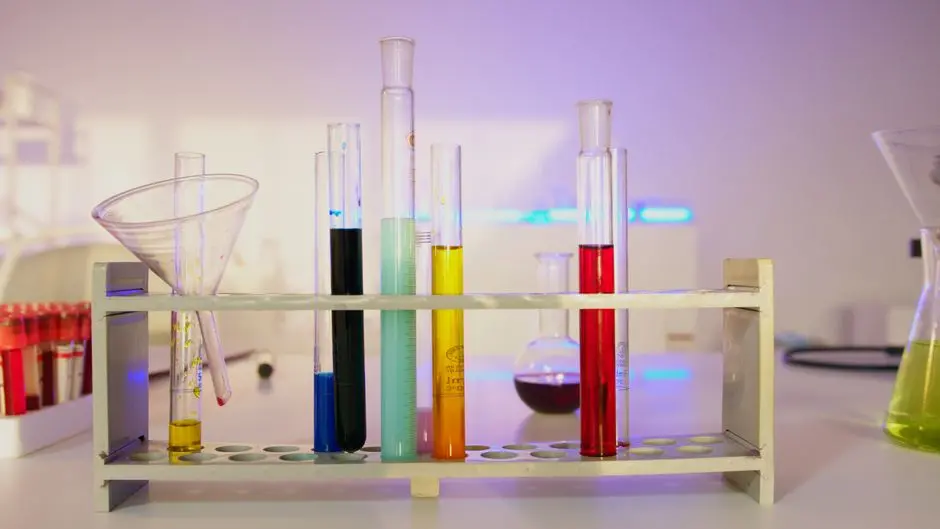
Navigating the Synthesis Cycle: Monomer Attachment and Chain Elongation
The power of Solid Phase Synthesis resides in its iterative cycle, a meticulously choreographed sequence of reactions that systematically elongates a molecular chain. We initiate this journey by attaching the first building block, or monomer, to the functionalized resin via a robust linker. This attachment is a critical decision, determining the ultimate cleavage conditions and the nature of the final product. For instance, in peptide synthesis, an amino acid is coupled to the resin, often through an amide bond, using activation reagents such as dicyclohexylcarbodiimide (DCC) or HATU to ensure efficient bond formation.
Once the initial monomer is securely anchored, we proceed with the iterative chain elongation. Each cycle typically comprises three pivotal steps: deprotection, coupling, and washing. First, the temporary protecting group on the growing chain's reactive end is selectively removed (e.g., Fmoc group removal with piperidine in peptide synthesis). This exposes a new reactive site. Second, the next monomer, also protected at its other reactive end, is introduced along with a coupling agent. This forms a new covalent bond, extending the chain. We consistently employ an excess of reagents to drive the reaction to completion, maximizing yield and minimizing truncated sequences. Third, thorough washing steps follow each reaction to remove unreacted reagents, by-products, and solvents. This relentless purification regimen ensures the highest purity at each stage, a fundamental advantage of SPS. We repeat this cycle, systematically building our desired molecule, until the complete sequence is assembled. This modularity empowers us to construct complex architectures with unparalleled precision and control over the reaction environment.

Decoding Deprotection and Cleavage Strategies: Releasing the Product
The culmination of a Solid Phase Synthesis involves two critical processes: deprotection of the final temporary protecting group and cleavage of the desired molecule from its resin support. These steps are not merely final actions but strategic considerations woven into the entire synthetic design. We must execute them with surgical precision to ensure the integrity of the newly forged molecule. Protecting groups are essential to block reactive functionalities during chain elongation, preventing unwanted side reactions. Their removal must be selective and clean, leaving the rest of the molecule intact. For example, in Fmoc-based syntheses, a base like piperidine removes the Fmoc group, while acid-labile groups might require trifluoroacetic acid (TFA).
Cleavage, the release of the synthesized compound from the resin, is equally nuanced. The linker chemistry dictates the conditions for cleavage. Acid-labile linkers are common, requiring strong acids like TFA, often with scavengers to capture reactive carbocations and prevent their re-addition to the product. Other linkers may be cleavable by photolysis, enzymatic reactions, or even nucleophilic attack, offering a diverse toolkit for specific molecular architectures. A common pitfall is incomplete cleavage or degradation of the product during cleavage, often due to harsh conditions or the absence of appropriate scavengers. We meticulously optimize cleavage cocktails, balancing potency with selectivity, often using a mixture of TFA, water, and triisopropylsilane as a scavenger. Post-cleavage, the product is typically isolated from the cleavage solution, often through precipitation, and then purified by standard techniques like HPLC. This final stage demands acute attention to detail; it is here that the hours of meticulous synthesis can be either perfectly preserved or critically compromised. Our focus remains on securing a high-purity final product, ready for biological evaluation.
Precision in Practice: Optimizing Yields and Purity in Solid Phase Synthesis
Achieving high yields and exceptional purity in Solid Phase Synthesis is not accidental; it is the direct outcome of meticulous optimization and rigorous adherence to best practices. We consistently emphasize the critical role of starting materials and reagents. Employing high-purity monomers, fresh coupling agents, and rigorously anhydrous solvents is paramount. Water, even in trace amounts, can quench reactive intermediates or promote side reactions, leading to truncated sequences or undesired by-products. We actively monitor solvent quality, often drying them prior to use, and always store hygroscopic reagents under inert atmospheres.
Resin selection is another cornerstone of success. Factors like resin type (e.g., polystyrene, TentaGel), functionalization, and loading capacity (mmol/g) directly impact reaction kinetics and swelling properties. We choose resins that swell appropriately in our chosen solvents to ensure optimal access of reagents to the reactive sites. Reaction monitoring, though more challenging on solid support, is indispensable. The Kaiser test (ninhydrin test) for primary amines remains a rapid, qualitative check for coupling completeness in peptide synthesis. More advanced techniques, such as conductivity monitoring for Fmoc deprotection or even quantitative cleavage of small aliquots for HPLC analysis, provide real-time feedback, allowing us to intervene if reactions are sluggish. Common errors include insufficient washing leading to reagent carryover, incomplete coupling due to steric hindrance or low reagent concentration, and side reactions from inadequate protecting group strategies. We troubleshoot by systematically analyzing each step: increasing reaction times, using more potent coupling agents, or modifying solvent systems. Our commitment to these precision protocols ensures we maximize the productivity of our synthetic endeavors, delivering molecules of uncompromising quality.
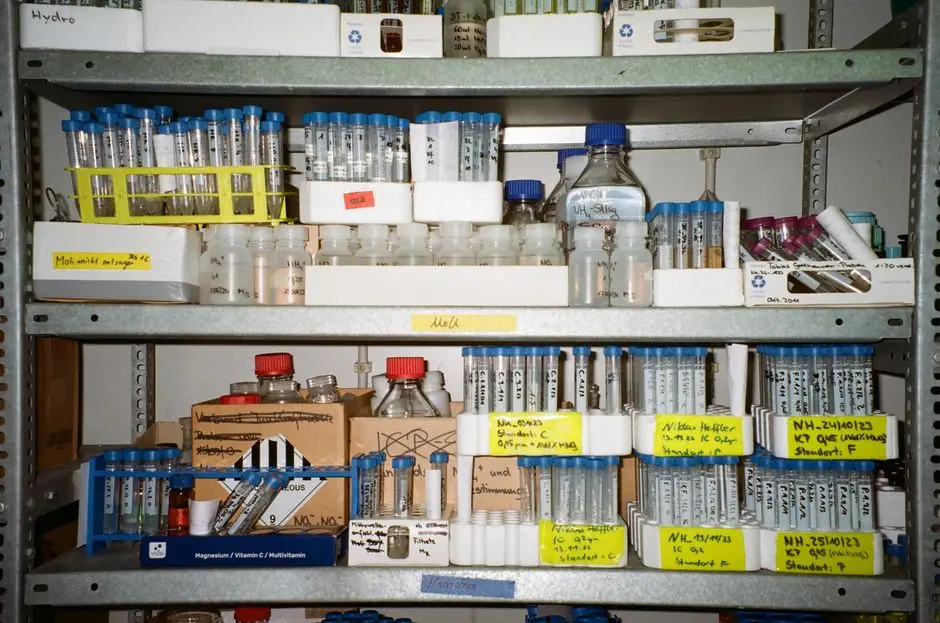
Solid Phase Synthesis: A Catalyst for Combinatorial Discovery and Beyond
The transformative power of Solid Phase Synthesis extends far beyond the synthesis of individual compounds; it serves as a foundational pillar for combinatorial chemistry, fundamentally altering the landscape of drug discovery. We harness SPS to generate vast and diverse molecular libraries, crucial for high-throughput screening campaigns. The inherent ease of purification, coupled with the ability to perform parallel reactions, makes SPS an ideal platform for constructing tens, hundreds, or even thousands of distinct compounds simultaneously. Techniques like split-and-pool synthesis exemplify this potential, allowing us to create highly diverse libraries where each resin bead carries a unique chemical entity. This process involves splitting the resin, reacting each portion with a different building block, pooling them, mixing, and then repeating the cycle, ultimately generating an exponential diversity of compounds. This is a game-changer for identifying lead compounds with desired biological activities.
Beyond traditional drug discovery, SPS is catalyzing innovation in fragment-based drug discovery, where small, simple fragments are synthesized on solid support, screened, and then elaborated. It underpins the rapid synthesis of peptide mimetics, peptidomimetics, and oligonucleotide therapeutics. Automation platforms, from robotic liquid handlers to fully integrated synthesis stations, are pushing the boundaries further, enabling previously unimaginable scales of molecular production. We are also seeing advancements in green chemistry, with efforts to develop more sustainable resins, milder reaction conditions, and solvent-free protocols. The evolution of SPS continues, driven by the relentless demand for novel molecules in medicine, materials science, and agriculture. By embracing and innovating within the solid-phase paradigm, we actively shape the future of chemical discovery, unlocking unprecedented potential for human health and technological advancement. We empower researchers to explore chemical space with speed, precision, and unwavering purpose.
Key Takeaways
Solid Phase Synthesis (SPS) Fundamentals
SPS anchors molecules to an insoluble resin, simplifying purification by washing away impurities. This enables efficient, iterative synthesis, crucial for creating diverse molecular libraries. Key advantages include ease of purification, use of excess reagents, and automation potential. Resins (e.g., polystyrene) and their linkers are critical for attachment and controlled release.
Iterative Synthesis Cycle
The SPS cycle involves sequential steps: deprotection (removing a temporary protecting group), coupling (adding the next monomer with a coupling agent), and washing (removing unreacted materials). This sequence is repeated to build the desired molecular chain, ensuring high purity at each stage and facilitating the construction of complex structures.
Product Release: Deprotection & Cleavage
The final stages involve removing terminal protecting groups and cleaving the product from the resin. Protecting groups shield reactive sites during synthesis and are removed selectively (e.g., Fmoc with piperidine). Cleavage conditions are dictated by the linker (e.g., acid-labile linkers cleaved by TFA with scavengers). Precise execution is vital to prevent product degradation.
Optimization for Purity & Yield
Achieving high-quality products requires meticulous optimization: using high-purity reagents and anhydrous solvents, selecting appropriate resins, and effective reaction monitoring (e.g., Kaiser test). Troubleshooting involves addressing incomplete reactions, side reactions, and ensuring efficient washing to prevent carryover. Precision protocols maximize synthetic output.
Impact on Combinatorial Chemistry & Discovery
SPS is a cornerstone of combinatorial chemistry, enabling the rapid generation of vast molecular libraries for high-throughput screening. Techniques like split-and-pool synthesis create immense diversity. Its applications span drug discovery, peptide mimetics, and fragment-based approaches, continually evolving with automation and green chemistry initiatives, accelerating molecular innovation.
FAQ
-
What are the primary advantages of Solid Phase Synthesis over solution-phase methods?
The main advantages include drastically simplified purification at each step, as unreacted reagents and by-products are easily washed away. This enables the use of excess reagents to drive reactions to completion. SPS also facilitates automation, parallel synthesis, and the generation of large combinatorial libraries, making it highly efficient for drug discovery and molecular exploration.
-
What role does the resin play in Solid Phase Synthesis?
The resin acts as an insoluble, temporary support to which the growing molecular chain is anchored. Its properties, such as type (e.g., polystyrene, TentaGel), functionalization, and swelling characteristics, are critical. The resin simplifies purification, provides a stable platform for iterative reactions, and its linker determines the conditions for final product cleavage.
-
What are the key steps in a typical Solid Phase Synthesis cycle?
A typical cycle involves three core steps: Deprotection, where a temporary protecting group on the growing chain is removed to expose a reactive site; Coupling, where a new building block (monomer) is added and covalently bonded; and Washing, which follows each reaction to remove excess reagents, solvents, and by-products. This cycle is repeated until the desired molecule is fully assembled.
-
What are common challenges or pitfalls in Solid Phase Synthesis?
Common challenges include incomplete reactions (coupling or deprotection), leading to truncated sequences; side reactions; premature cleavage of the product from the resin; degradation of the product during cleavage; and difficulty in monitoring reactions on solid support. Careful optimization of reagents, solvents, reaction times, and robust monitoring techniques are crucial to overcome these.
-
How does Solid Phase Synthesis contribute to new molecule discovery?
SPS is instrumental in new molecule discovery by enabling the rapid, efficient, and parallel synthesis of vast and diverse molecular libraries. Techniques like split-and-pool synthesis allow for the creation of thousands of unique compounds for high-throughput screening, significantly accelerating the identification of lead compounds in drug discovery and the exploration of novel chemical spaces for various applications.