
> New Molecule Discovery > Combinatorial Chemistry Methods > Sculpting Molecular Futures: Factors Driving Chemical Library Design
Sculpting Molecular Futures: Factors Driving Chemical Library Design
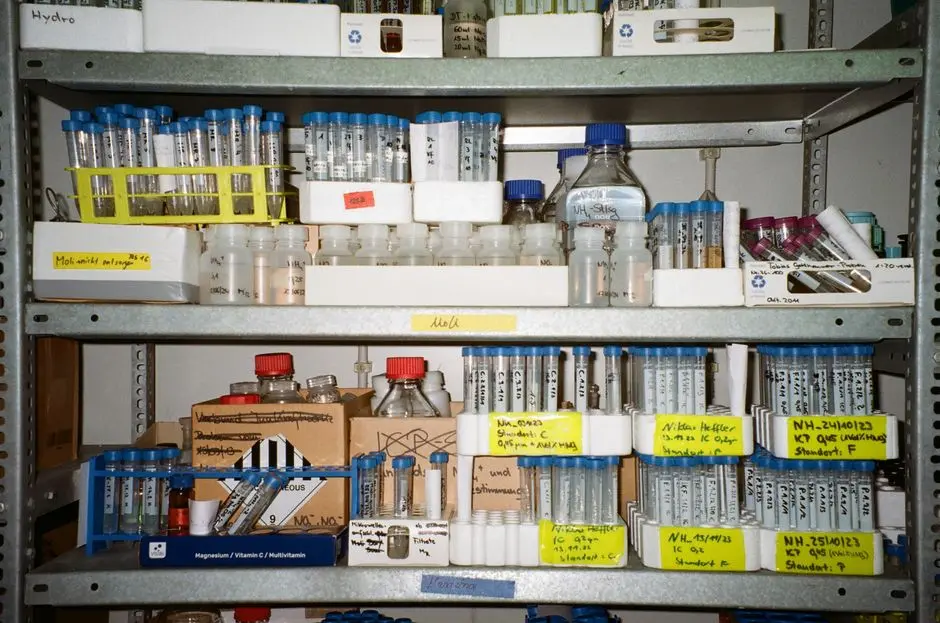
We must engineer the perfect molecular arsenal. The quest for novel therapeutic agents, groundbreaking diagnostics, or advanced materials hinges critically on the quality and strategic design of chemical libraries. These meticulously crafted collections of compounds represent our gateway to unexplored biological interactions, serving as the foundational bedrock for drug discovery and scientific innovation. Navigating the vastness of chemical space requires not just intuition, but a deep, analytical understanding of the forces that shape effective library construction. This article dissects the pivotal factors, from biological targets to synthetic accessibility and computational leverage, empowering us to architect libraries that yield true discovery. We unveil the strategic imperatives that influence this intricate process, forging a path towards unlocking unprecedented biological opportunities. Understanding these dynamics is paramount, especially when considering the intricate methods for enriching molecular collections, as illuminated in discussions around the diverse chemical strategies for generating novel molecular libraries. Prepare to master the art and science of molecular library design, transforming mere collections into potent engines of discovery.
Charting the Course: Strategic Imperatives for Library Genesis
We commence our strategic endeavor in chemical library design by anchoring it firmly to foundational principles and overarching strategic objectives. This initial phase dictates the entire trajectory of our discovery efforts. We must rigorously define the purpose of the library: Is it for target validation, hit identification, lead optimization, or exploring novel chemical space? Each objective demands a distinct design philosophy. A common pitfall here is failing to articulate a clear objective, leading to unfocused and inefficient library construction, ultimately wasting valuable resources and time. We emphasize that a successful library is not just a collection, but a strategic tool, purpose-built for specific discovery challenges.
Clarity on the biological target is paramount. We demand precise knowledge of the target's class (e.g., GPCR, kinase, protease), its binding site characteristics (hydrophobicity, charge distribution, size, presence of co-factors), and its pharmacological profile (orthosteric vs. allosteric modulation). Without this granular detail, our molecular expedition risks wandering aimlessly. For instance, designing a library for a challenging, undrugged target often compels us to prioritize structural novelty and diversity over immediate "drug-likeness" to maximize the chances of uncovering a unique scaffold. Conversely, for a well-characterized target with existing leads, a focused library incorporating known pharmacophores will be far more effective. We must also consider the target's biological context, including potential off-target effects, pathway involvement, and tissue distribution, which might influence desired compound properties even at the initial design stage.
Furthermore, we meticulously consider the assay format and its specific requirements. High-throughput screening (HTS) demands compounds with robust solubility, minimal promiscuity, stability in aqueous solutions, and compatibility with automated liquid handling systems. Libraries destined for fragment-based drug discovery (FBDD) prioritize smaller, simpler molecules with high ligand efficiency and minimal aggregation tendencies. We reject the notion of a 'one-size-fits-all' library; each collection is a bespoke instrument tailored for a specific biological query. Ensuring the library compounds are compatible with the assay detection technology is crucial; overlooking issues like compound autofluorescence, light scattering, or interference with fluorescent probes, for example, can invalidate an entire screening campaign, leading to costly false positives or negatives and significant resource drain.
A critical factor is the balance between diversity and focus. A highly diverse library casts a wide net, increasing the probability of finding unexpected hits across a broad range of targets, but potentially at the cost of identifying highly potent compounds against a specific target. Conversely, a focused library, enriched with compounds possessing specific pharmacophore features or scaffolds known to interact with a particular target class, offers higher hit rates and potency but risks overlooking novel chemotypes or mechanisms. We actively triangulate this balance based on the project's risk tolerance, available resources, the novelty of the biological target, and the stage of discovery. For example, early discovery might favor diversity, while lead optimization demands focus. Success emerges from this strategic foresight, transforming abstract objectives into actionable design parameters. An optimized library often integrates elements of both broad diversity and targeted specificity, acting as a powerful probe into the unknown.
Navigating Chemical Realms: Crafting Molecular Diversity
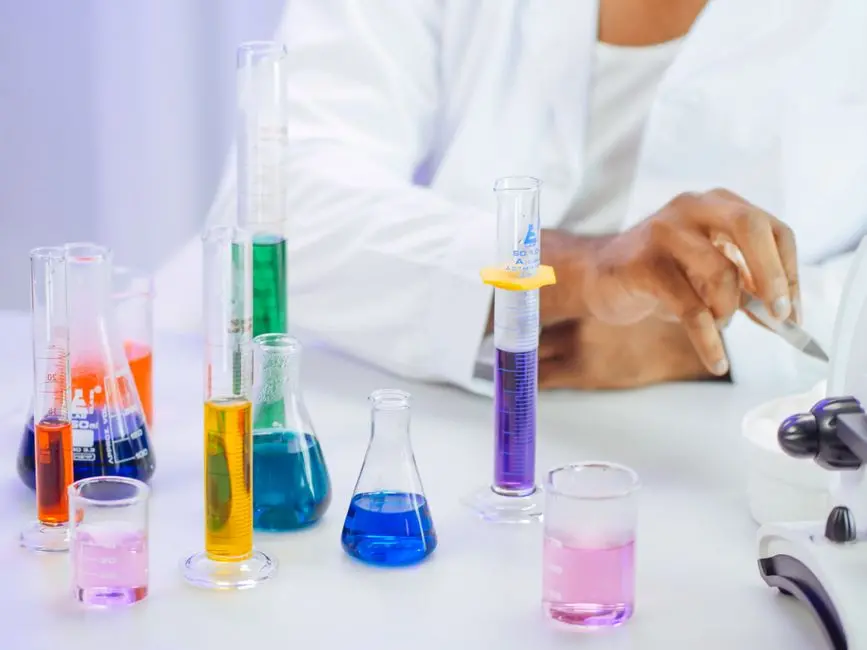
Our journey into optimal library design accelerates as we confront the immense challenge of molecular diversity and the strategic exploration of chemical space. This factor is foundational to the probability of success in any discovery program, directly influencing the likelihood of identifying novel bioactive molecules. We meticulously manage diversity at multiple levels: scaffold diversity (the core molecular skeleton), substituent diversity (variations on the core), and stereochemical diversity. True innovation springs from libraries that do not merely duplicate existing chemical knowledge but venture into unchartered territories, offering unique intellectual property opportunities and avenues for breakthrough therapies.
We proactively apply principles of drug-likeness, lead-likeness, and synthetic accessibility. While exploring novel chemical space, we must ensure our molecules possess characteristics conducive to becoming drugs. Lipinski's Rule of Five provides a valuable heuristic for oral bioavailability, advising on molecular weight, logP, hydrogen bond donors, and acceptors. However, blindly adhering to such rules can sometimes stifle innovation, especially for challenging targets or non-oral modalities. We adapt these guidelines intelligently, understanding when to push their boundaries for specific target classes (e.g., larger molecules for protein-protein interaction inhibitors) or when designing fragments. Lead-likeness, a concept focusing on properties suitable for further optimization, is often more relevant for initial hit identification, providing room for subsequent property modulation without violating fundamental drug-like criteria. The common error here is designing compounds that are perfectly "drug-like" too early, leaving no chemical space for subsequent improvement during lead optimization.
Synthetic feasibility commands our immediate attention. A brilliant theoretical design is worthless if the compounds cannot be synthesized efficiently, economically, and at scale. We prioritize reactions with high yields, broad functional group tolerance, mild conditions, and straightforward purification. Combinatorial chemistry, for example, leverages robust, parallelizable reactions (e.g., amide couplings, Suzuki reactions, click chemistry) to generate vast libraries from a few versatile building blocks. We ruthlessly prune designs that rely on obscure, multi-step, low-yielding, or environmentally unfriendly syntheses. The goal is not just to draw molecules, but to manufacture them with precision and speed, often necessitating the use of readily available, diverse, and cost-effective commercial building blocks. We also consider the purity of synthesized compounds, as impurities can significantly confound biological assay results and lead to erroneous conclusions, delaying discovery.
Moreover, we actively seek to incorporate novel scaffolds and unique ring systems that break away from "me-too" chemistry. This strategy mitigates intellectual property risks and provides opportunities for entirely new mechanisms of action or improved target selectivity. Computational tools, such as diversity analysis based on structural fingerprints (e.g., ECFP4, Morgan fingerprints), 3D pharmacophores, or scaffold networks, become indispensable. We employ these to quantify the structural novelty and diversity of proposed library compounds, ensuring we are genuinely exploring new ground rather than merely permuting known motifs. We also meticulously screen for undesirable functionalities—toxicophores, reactive groups (e.g., electrophiles), or groups prone to promiscuous binding (e.g., aggregators)—that could lead to assay interference, non-specific binding, or outright toxicity. By consciously controlling these variables, we sculpt libraries that are not just large, but strategically intelligent, synthetically accessible, and primed for genuine discovery.
Precision Engineering: Target Engagement and Computational Leverage
Our journey towards impactful chemical library design demands an acute focus on target specificity, seamless assay compatibility, and the strategic deployment of computational power. These pillars are interdependent, jointly determining the efficiency and success rate of our screening campaigns. We engineer libraries to maximize specific interactions with the intended biological target, minimizing off-target effects that plague many early-stage compounds and lead to toxicity or lack of efficacy.
Target-focused library design is a powerful strategy, particularly when structural or biological information about the target is available. Once we have preliminary insights such as X-ray crystal structures, NMR data, homology models of the binding site, or established pharmacophore hypotheses for our target, we leverage this knowledge to bias our library towards compounds predicted to bind effectively. This often involves incorporating known ligand fragments, mimicking endogenous substrates, or designing molecules complementary to the binding pocket's physiochemical properties (e.g., shape, charge, hydrogen bond potential). We rigorously analyze existing Structure-Activity Relationship (SAR) data from literature or internal projects to identify key motifs and interaction points, subsequently enriching our library with these features. This approach drastically increases hit rates, transforming a broad, often inefficient, random screening into an intelligent, data-driven search. A common mistake here is over-focusing too early, which can inadvertently exclude novel and potentially superior chemotypes, limiting future optimization.
Assay compatibility extends beyond basic solubility and chemical stability; it delves into the intricate molecular interactions within the assay system itself. We rigorously consider potential interferences: compound aggregation (leading to non-specific protein binding), intrinsic fluorescence or absorbance (masking reporter signals), reactivity with assay components (e.g., reductants, cofactors), or enzyme inhibition through non-specific mechanisms (e.g., detergents, covalent modification). A robust library design incorporates filters to exclude known promiscuous binders or frequent hitters, which consume valuable resources and mislead interpretation. We proactively identify and remove PAINS (Pan-Assay Interference Compounds) from our design matrices, leveraging cheminformatics filters to flag compounds containing notorious functional groups. This meticulous pre-screening prevents costly false positives and streamlines follow-up chemistry, ensuring that any observed activity is genuine and target-specific, providing a clean foundation for subsequent medicinal chemistry efforts. We prioritize compounds that exhibit clean assay behavior.
The ascendancy of computational methods has unequivocally revolutionized chemical library design. We harness sophisticated cheminformatics tools for diversity analysis, clustering of compounds based on structural similarity, and scaffold hopping (identifying molecules with different scaffolds but similar binding properties). Molecular docking and pharmacophore modeling guide the selection of commercially available compounds or the de novo design of novel virtual compounds for synthesis, predicting how molecules will interact with a target protein. Quantitative Structure-Activity Relationship (QSAR) models, built from existing biological data, predict desired properties (e.g., activity, ADMET parameters) for unseen molecules, enabling us to refine our designs before synthesis commences. Virtual screening allows us to explore vast chemical spaces computationally, prioritizing hundreds of thousands, or even millions, of promising candidates for physical synthesis and testing, thus dramatically reducing experimental costs and timelines. We embed these computational strategies at every stage, from initial concept generation to final compound selection, accelerating discovery and focusing our experimental resources with surgical precision and unparalleled predictive power. This synergy between computational prowess and chemical intuition propels us forward.

Mastering the Matrix: Constraints, Economics, and Future Horizons
Our quest to sculpt exceptional chemical libraries culminates in confronting practical constraints, economic realities, and charting future trajectories. A truly effective library design integrates scientific ambition with operational pragmatism. Ignoring these factors inevitably leads to project delays, budget overruns, and ultimately, failure to deliver on discovery promises. We must operate within the confines of reality while pushing the boundaries of scientific possibility.
Resource allocation stands as a primary practical constraint that dictates the scope and depth of our library design. We must precisely quantify the available budget for compound synthesis, acquisition of commercial compounds, quality control, storage infrastructure, and subsequent biological screening. A larger, more diverse library incurs significantly higher costs in chemical synthesis (reagents, labor, purification), detailed characterization (NMR, MS, HPLC purity), specialized storage (low-temperature freezers, inert atmosphere), and extensive biological testing. We rigorously evaluate the trade-off between library size and the depth of compound characterization. Is it more strategic to screen a vast number of compounds with minimal initial characterization, or a smaller, highly curated set with comprehensive ADMET (Absorption, Distribution, Metabolism, Excretion, Toxicity) profiling? We optimize for maximum information gain per unit of investment, understanding that a cost-effective approach often means prioritizing quality over sheer quantity. This requires transparent communication and robust planning between chemists, biologists, and project managers to set realistic expectations and allocate resources efficiently and strategically.
Logistical challenges and timelines also profoundly shape our design process. The speed at which a library can be synthesized, acquired, characterized, and prepared for screening directly impacts overall project timelines and time-to-market for potential therapeutics. We prioritize designs that leverage readily available building blocks and established, robust synthetic routes, actively avoiding bottlenecks that can arise from scarce reagents or complex, multi-step reactions. For example, implementing solid-phase synthesis techniques or automated liquid handling systems can significantly accelerate library production and reduce manual labor. Furthermore, maintaining the quality and integrity of the library over time through robust storage protocols (e.g., controlled temperature, humidity, inert atmosphere, protection from light) is absolutely critical. Compounds degrade, solvents evaporate, and samples can be contaminated; we implement rigorous quality control checkpoints from synthesis through storage and eventual screening to ensure data reliability and reproducibility, safeguarding against artifactual results and wasted effort, ensuring every data point is trustworthy.
Looking ahead, we must constantly consider the future trajectories of drug discovery and anticipate evolving therapeutic landscapes. Libraries designed today must anticipate tomorrow's challenges and opportunities. This includes incorporating novel modalities beyond traditional small molecules, such as peptides, oligonucleotides, antibody-drug conjugates, or even covalent modifiers, if relevant to the target and disease area. We also proactively integrate learnings from advancements in high-resolution structural biology (e.g., cryo-EM, XFELs) and the burgeoning field of artificial intelligence (AI) in drug design. AI-driven generative chemistry, for instance, offers unprecedented capabilities to design novel compounds with desired properties and synthetic accessibility, drastically expanding the accessible chemical space. The ability to adapt and evolve our library design principles, embracing new technologies and understanding emerging biological targets and disease mechanisms, will define our enduring success. We do not just build libraries; we build dynamic, intelligent platforms for sustained innovation, ready to address the complex therapeutic needs of the future with unparalleled precision and foresight. This proactive vision ensures our investments remain cutting-edge and yield maximal impact.
Key Takeaways
Strategic Alignment is Key
Align library design with specific biological targets, assay requirements, and overarching project objectives (e.g., hit identification, lead optimization) from the outset to ensure focused and efficient resource utilization.
Multifaceted Molecular Quality
Balance broad chemical diversity for novelty with drug/lead-likeness, robust synthetic feasibility, and the proactive exclusion of problematic functionalities (toxicophores, promiscuous binders) to yield high-quality, actionable hits.
Leverage Data & Computation
Employ structural biology insights, existing Structure-Activity Relationship (SAR) data, and advanced computational tools (cheminformatics, molecular docking, QSAR, AI) to guide informed design decisions, accurately predict molecular properties, and efficiently navigate vast chemical space, optimizing resource utilization and accelerating discovery.
FAQ
-
What is the primary differentiator between a diverse and a focused chemical library?
A diverse library aims to explore broad chemical space for novel hits across various targets, maximizing the chance of serendipitous discovery. A focused library, conversely, is designed to target a specific protein or pathway based on known chemical features, aiming for higher hit rates and potency for that particular target. -
Why is synthetic accessibility so crucial in library design?
Theoretical molecular designs are useless without practical synthesis. Synthetic accessibility ensures compounds can be manufactured efficiently, affordably, and at scale. It minimizes project delays, reduces costs, and allows for rapid iteration in the drug discovery process. Unfeasible syntheses can halt a project entirely. -
How do computational tools impact modern chemical library design?
Computational tools like cheminformatics, molecular docking, QSAR, and virtual screening are transformative. They enable vast chemical space exploration, predict molecular properties (activity, ADMET), filter undesirable compounds, and guide the selection/design of highly promising candidates. This accelerates discovery, reduces experimental costs, and optimizes resource allocation with predictive power.