
> New Molecule Discovery > Combinatorial Chemistry Methods > Forge New Frontiers: High-Throughput Synthesis Tools for Discovery
Forge New Frontiers: High-Throughput Synthesis Tools for Discovery
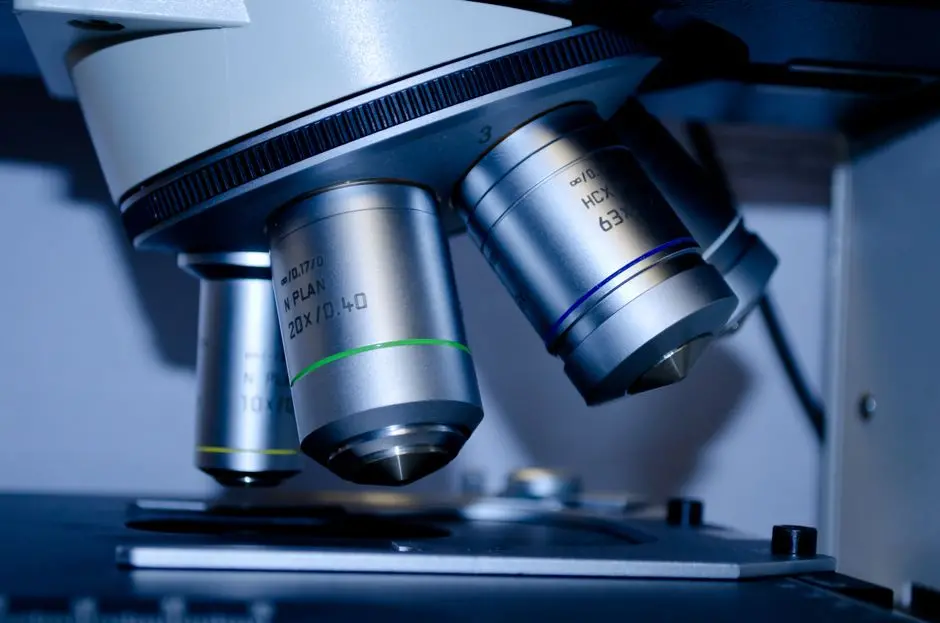
The quest to uncover novel molecules, the very building blocks of tomorrow's therapies and materials, represents the biological frontier. Success hinges on our capacity to synthesize and screen vast chemical spaces with unparalleled speed and precision. Traditional synthetic methods, while robust, often bottleneck the discovery pipeline, limiting the exploration of chemical diversity. We stand at a pivotal moment where high-throughput chemical synthesis (HTS) has emerged as the quintessential accelerator, allowing us to dramatically expand the scope of molecular investigation.
This article unveils the indispensable arsenal of tools that empower HTS, transforming laboratory workflows from laborious manual processes into highly automated, data-driven engines of innovation. We dissect the core technologies, from robotic liquid handlers to sophisticated data analytics platforms, revealing how these instruments synergize to revolutionize new molecule discovery. Prepare to command the instruments that power the advanced chemical strategies for generating novel molecular libraries, pushing the boundaries of what is chemically possible and charting pathways to breakthrough science. We shall forge ahead, equipping you with the knowledge to harness these formidable tools for optimized molecular outcomes.
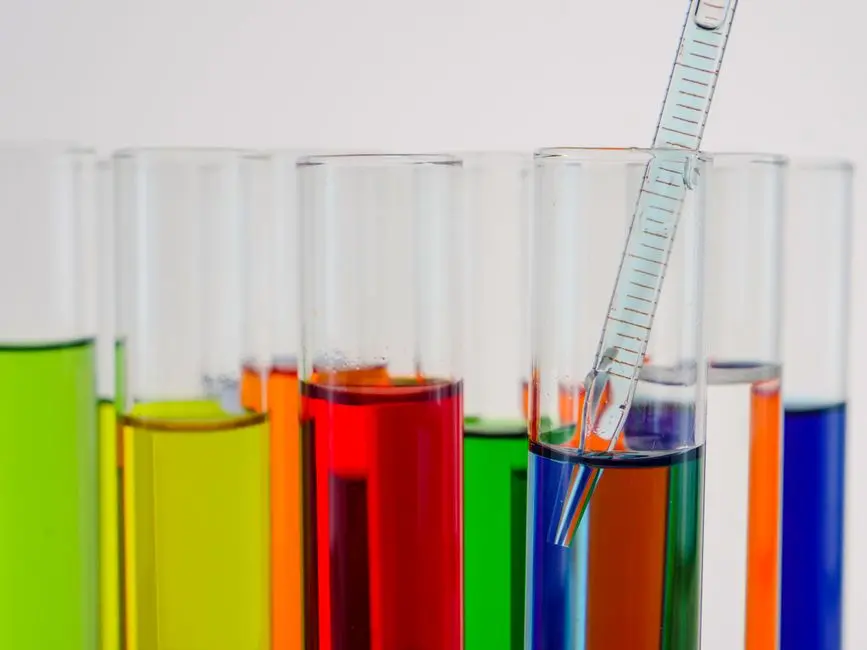
Precision Orchestration: Automated Liquid Handling Systems in HTS
Automated liquid handling systems form the foundational bedrock of any high-throughput chemical synthesis operation. These robotic marvels replace tedious, error-prone manual pipetting, executing thousands of liquid transfers with unmatched speed, accuracy, and reproducibility. We command them to dispense reagents, dilute samples, and replicate plates, driving the miniaturization of reactions that dramatically reduces material costs and increases experimental density. Key technologies include:
- Syringe-based liquid handlers: Offer exceptional precision for dispensing small volumes, ideal for highly sensitive reactions.
- Peristaltic pump dispensers: Excel at rapid, continuous dispensing of larger volumes, perfect for bulk reagent addition.
- Acoustic liquid handlers: Employ sound waves to transfer nanoliter droplets without direct contact, minimizing cross-contamination and reagent waste.
We must acknowledge inherent challenges: viscosity variations, tip management, and rigorous calibration demand our continuous attention. To optimize, we implement strict preventative maintenance schedules and conduct regular calibration checks, ensuring data integrity. Our proactive approach to tip selection, matching materials and geometries to specific liquid properties, eradicates transfer errors. By mastering these systems, we liberate our scientists from repetitive tasks, enabling them to focus on experimental design and data interpretation, accelerating our conquest of novel chemical space.
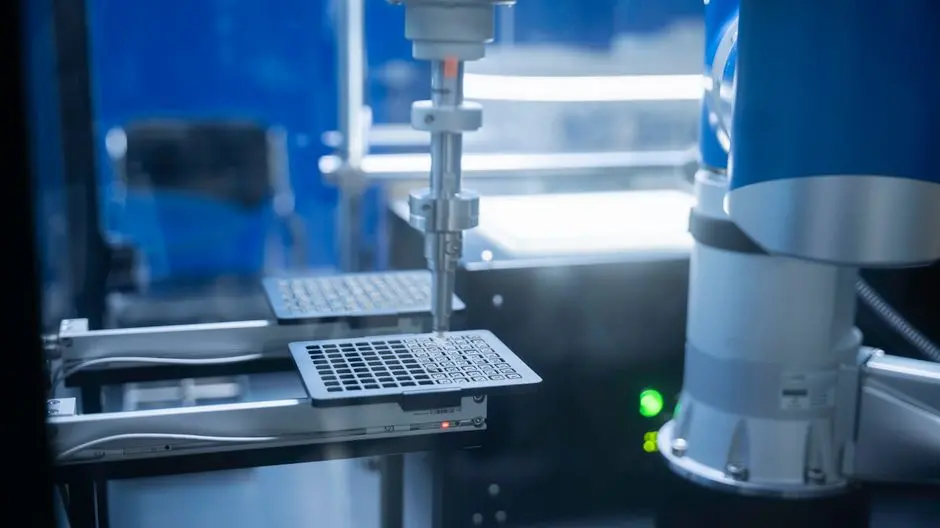
Seamless Command: Robotic Plate Management & Integrated Workflows
Beyond mere liquid transfer, true high-throughput synthesis demands the seamless orchestration of an entire experimental workflow. Robotic plate management systems serve as the central nervous system, connecting individual instruments into a cohesive, automated ecosystem. These systems elevate our capabilities from isolated steps to integrated, walk-away operations. We deploy:
- Articulated robotic arms: Provide multi-axis movement, mimicking human dexterity to move microplates between various stations.
- Cartesian robots: Offer precise linear movements, ideal for controlled plate stacking and positioning within a defined grid.
- Plate readers: Integrate seamlessly to measure reaction progression (e.g., UV-Vis, fluorescence, luminescence) or perform rapid analytical assays directly on synthesis plates.
- Ancillary devices: Automated incubators, plate washers, plate sealers/de-sealers, and stackers ensure continuous, uninterrupted processing.
The power lies in the integration software, which schedules tasks, manages queues, and handles potential errors autonomously. We confront challenges like system reliability and error recovery head-on, designing workflows with built-in redundancies and robust error-handling protocols. Our strategy involves meticulous workflow optimization, identifying and eliminating bottlenecks to maximize system uptime and throughput. By integrating these components, we transform our labs into high-efficiency factories, relentlessly pushing the boundaries of molecular discovery.
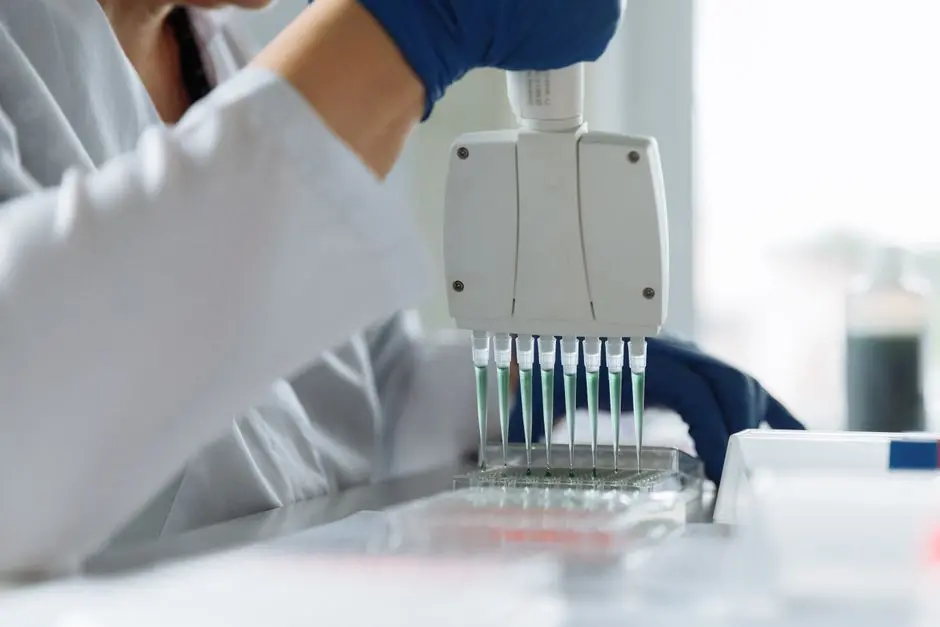
Molecular Forges: High-Throughput Synthesis Reactors & Purification
The core of high-throughput chemical synthesis resides in our ability to execute numerous chemical reactions in parallel, often on a micro-scale. We leverage specialized reactors that accommodate a multitude of individual reaction vessels simultaneously, enabling rapid exploration of reaction conditions and substrate scope. Our arsenal includes:
- Parallel synthesis reactors: These blocks or arrays hold dozens to hundreds of reaction vials, precisely controlling temperature and stirring for each, facilitating the synthesis of large compound libraries.
- Microwave reactors: Accelerate reaction kinetics dramatically, often reducing reaction times from hours to minutes, vital for rapid screening and optimization.
- Automated flow chemistry systems: Though traditionally batch-oriented, flow chemistry is increasingly adapted for HTS, offering precise control over reaction parameters, enhanced safety, and scalability.
- Solid-phase synthesis platforms: Specialized reactors and robotic systems manage resin-bound reactions, crucial for peptide, oligonucleotide, and small molecule combinatorial libraries.
Following synthesis, high-throughput purification is paramount. We deploy automated Solid Phase Extraction (SPE) systems and preparative High-Performance Liquid Chromatography (HPLC) or Supercritical Fluid Chromatography (SFC) configured for multi-sample processing. Challenges often include managing diverse reaction conditions and preventing purification bottlenecks. Our strategic approach involves developing generic purification protocols adaptable to a wide range of compounds, coupled with rapid purity assessment techniques, ensuring our synthetic pipeline remains agile and productive.
Intelligence Engines: Data Management, Analysis & Cheminformatics
The sheer volume of data generated by high-throughput chemical synthesis demands sophisticated intelligence engines to transform raw information into actionable insights. This final, critical component ensures that our high-speed experimentation translates directly into accelerated discovery. We harness:
- Laboratory Information Management Systems (LIMS): We implement LIMS to meticulously track every sample, reagent, experiment parameter, and result, ensuring comprehensive data integrity and audit trails.
- Data analysis software: Dedicated platforms perform statistical analysis, identify trends, and conduct Structure-Activity Relationship (SAR) studies, rapidly translating experimental data into chemical understanding.
- Cheminformatics platforms: These powerful tools enable virtual screening, molecular modeling, property prediction, and the design of novel chemical entities, guiding our synthesis efforts with computational intelligence.
- Electronic Lab Notebooks (ELNs): Integrate with LIMS and instrumentation to provide a digital record of all experimental procedures and observations, enhancing collaboration and data traceability.
We face the immense challenge of integrating disparate data streams and ensuring data quality. Our commitment to FAIR data principles (Findable, Accessible, Interoperable, Reusable) drives our strategy, implementing standardized data formats and robust cybersecurity measures. By mastering these intelligence engines, we not only manage data but actively use it to drive iterative design cycles, accelerating the identification of promising new molecules and securing our competitive edge in the discovery landscape.
Key Takeaways
Automated Liquid Handling: The Foundation of HTS
Automated liquid handlers (syringe, peristaltic, acoustic) provide unmatched precision, speed, and reproducibility, reducing reagent costs and enabling miniaturized reactions. Meticulous calibration and maintenance are crucial for data integrity.
Integrated Robotics: Seamless Workflow Orchestration
Robotic arms and plate management systems connect individual instruments (plate readers, incubators) into cohesive, automated workflows. Integration software manages tasks and errors, transforming labs into high-efficiency discovery engines.
HTS Reactors & Purification: Accelerating Molecular Synthesis
Parallel synthesis reactors (blocks, microwaves, flow systems) enable rapid, simultaneous reactions. Automated SPE and preparative HPLC/SFC purify multiple samples, ensuring efficient product isolation. Method development and purity assessment are key.
Data & Cheminformatics: Driving Discovery Intelligence
LIMS, data analysis software, and cheminformatics platforms manage vast datasets, provide SAR insights, and guide molecular design. Adherence to FAIR data principles ensures data quality, integration, and actionable intelligence for accelerated discovery.
FAQ
-
What are the primary benefits of implementing high-throughput synthesis tools?
Implementing high-throughput synthesis (HTS) tools delivers several critical benefits: we achieve dramatic increases in experimental throughput, allowing the exploration of vast chemical spaces. We significantly reduce reaction times and reagent consumption through miniaturization. Furthermore, HTS enhances reproducibility and reduces human error, accelerating the discovery and optimization of novel molecules with unparalleled efficiency.
-
What are the main challenges in establishing and maintaining HTS workflows?
Establishing and maintaining HTS workflows presents distinct challenges. We confront the high initial capital investment for instrumentation, requiring robust justification. Integrating diverse hardware and software components demands significant expertise. We also meticulously manage data volume and complexity, ensuring quality and interpretability. Finally, the need for specialized training for personnel to operate and troubleshoot these sophisticated systems is a constant priority.
-
How do HTS tools contribute to sustainability in molecule discovery?
HTS tools profoundly contribute to sustainability in molecule discovery. We achieve significant reductions in solvent and reagent waste through miniaturization of reactions. Optimized reaction conditions, discovered rapidly via HTS, lead to greener synthetic pathways. Moreover, faster discovery reduces overall research timelines and resource expenditure, ensuring a more environmentally conscious and resource-efficient approach to developing new molecules.