
> New Molecule Discovery > Combinatorial Chemistry Methods > Forge Peptides: Mastering Solid Phase Synthesis for New Molecules
Forge Peptides: Mastering Solid Phase Synthesis for New Molecules
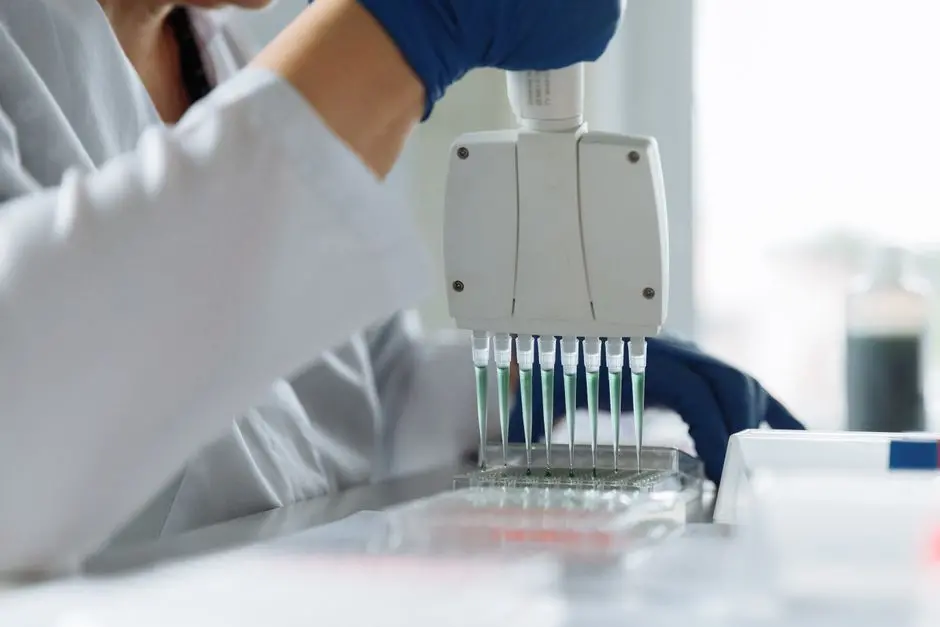
Let's ignite a revolution in molecular discovery with Solid-Phase Peptide Synthesis (SPPS). This surgical technique is the cornerstone of modern biology, enabling us to build intricate peptides with unparalleled precision. Dive into the intrinsic mechanisms, critical components, and essential insider strategies for mastering SPPS. We will explore how this groundbreaking method propels peptide construction to new heights of efficiency and purity, paving the way for dazzling breakthroughs in medicine and biotechnology.
We navigate the complexities of peptide synthesis to accelerate your journey in drug discovery and therapeutic development. Understand the fundamental principles that make SPPS an indispensable tool in contemporary biological research, a vital component of chemical strategies for generating novel molecular libraries. We unveil the practical applications, common pitfalls, and advanced techniques that define SPPS expertise, thereby transforming theoretical knowledge into actionable and conquering insights.
Deploying Solid-Phase Peptide Synthesis (SPPS): A Revolutionary Foundation
Solid Phase Peptide Synthesis (SPPS) represents a major innovation, revolutionizing our ability to assemble peptides and proteins. Prior to the pioneering work of Robert Bruce Merrifield in 1963, solution-phase peptide synthesis was a laborious process, characterized by low yields and complex purifications. Merrifield triggered a transformation by anchoring the growing peptide to an insoluble support, thereby making it amenable to simplified and highly efficient reaction and washing steps. This approach eliminates the need for tedious intermediate purifications, a colossal strategic advantage.
We forge peptides with unprecedented efficiency and reproducibility thanks to SPPS. The principle is clear and powerful: the peptide remains attached to a polymer resin throughout its construction. Each amino acid addition follows a logical sequence of deprotection and coupling, ensuring that only soluble reagents and byproducts are removed by simple filtration and washing. This method allows us to build complex peptide sequences, even those of large size, with remarkable purity. SPPS has become the backbone of research in medicinal chemistry, structural biology, and biotechnology, facilitating the discovery and development of new therapeutic agents and diagnostic tools.
The SPPS Cycle: Precise Peptide Bond Engineering
We execute every peptide synthesis like a surgical operation, following a repetitive cycle that ensures the precise assembly of each amino acid. The SPPS cycle consists of several critical steps, each optimized for efficiency. The most widespread and performant strategy is Fmoc (9-fluorenylmethyloxycarbonyl) chemistry, preferred for its mild deprotection and non-hydrolytic conditions. Here are the steps we master:
- 1. Deprotection: We selectively remove the N-terminal protecting group (Fmoc) from the resin-bound amino acid or growing peptide. Typically, a piperidine solution (20% in dimethylformamide, DMF) is used. This step must be complete to avoid truncated sequences.
- 2. Washing: After deprotection, we rigorously remove residual piperidine and deprotection byproducts using solvents like DMF. Cleanliness is paramount to prevent interference with subsequent steps.
- 3. Coupling: This is the step where we form the new peptide bond. We activate the carboxyl group of the next Fmoc-protected amino acid with coupling reagents (e.g., DIC/HOBt, HBTU/DIPEA, HATU/DIPEA). The activated amino acid then reacts with the deprotected amine of the peptide on the resin. Coupling efficiency is essential to avoid sequence deletions.
- 4. Washing: A new washing cycle removes excess coupling reagents and byproducts.
We repeat this cycle for each amino acid in the desired sequence. Each step is a biological opportunity that we must exploit with extreme precision to guarantee the purity and yield of the final peptide.
Resins and Linkers: The Strategic Anchors of SPPS
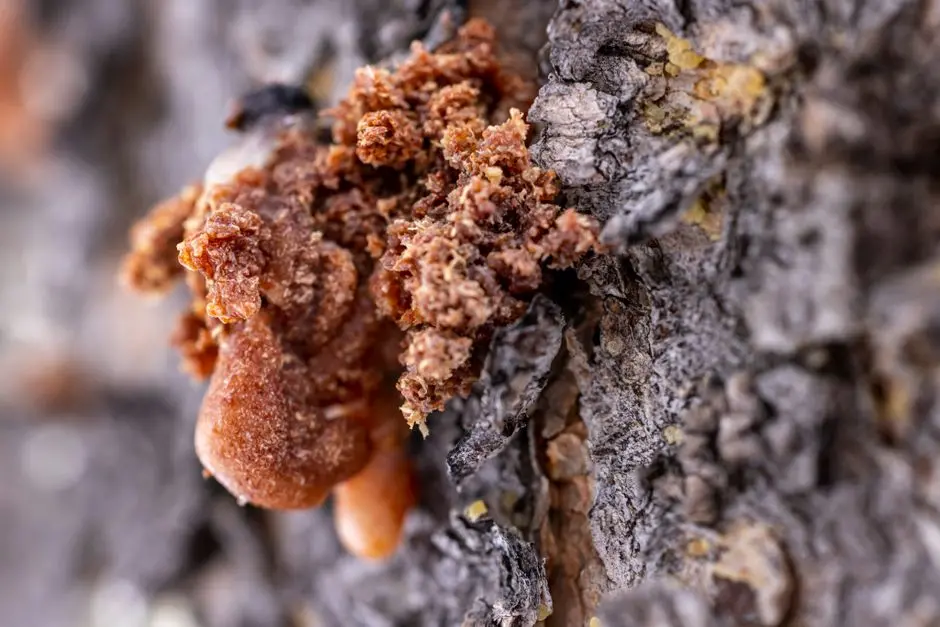
The judicious selection of resin and linker is a strategic decision that directly impacts the purity and ease of cleavage of our final peptide. The resin, an insoluble polymer, serves as a solid support and must exhibit specific characteristics: it must swell effectively in reaction solvents to allow access to reaction sites, be chemically inert, and possess optimized loading capacity. We utilize resins such as Wang, Rink Amide, or Sieber, each offering distinct properties. For instance, Wang resin is ideal for the production of peptides with a free carboxyl terminus, while Rink Amide is designed for amide-terminated peptides.
The linker, integrated into the resin, is the chemical bridge that anchors the peptide to its support. It dictates the cleavage conditions required to release the peptide once synthesis is complete. We select linkers based on peptide stability and the desired type of C-terminal modification. Typical linkers are acid-labile (e.g., TFA for Wang or Rink linkers), but we also offer photolabile or chemically reducible linkers for more specific applications, providing valuable flexibility. Good practice involves precisely calculating the resin's loading capacity and thoroughly pre-swelling it in the reaction solvent before initiating synthesis, thereby maximizing the efficiency and reproducibility of our operations.
Reagent and Condition Optimization: Forging Peptide Purity
The art of SPPS lies in our ability to optimize each reaction parameter to forge peptides of impeccable purity. The choice of coupling reagents is paramount: we favor carbodiimides (DCC, DIC), phosphonium salts (PyBOP, BOP), or uronium salts (HBTU, HATU) for their efficiency. These reagents, often combined with additives like HOBt, HOAt, or Oxyma Pure, catalyze the rapid and complete formation of the peptide bond, while minimizing racemization – a critical error where an amino acid's chirality is compromised. Racemization can fundamentally alter the peptide's biological function. We use polar aprotic solvents like DMF or NMP, which promote resin swelling and optimal reaction kinetics.
We precisely adjust reagent concentration, temperature, and agitation for each coupling step. Incomplete reactions are major sources of impurities; we detect and correct them through double couplings or by extending reaction times. Side reactions, such as aspartimide formation with aspartic acid, can be avoided by using specific protecting groups or pseudoproline dipeptides. Our objective is clear: each peptide bond must be formed with near 100% efficiency to achieve the purities required for biomedical and pharmaceutical applications. It is a relentless pursuit of chemical excellence.
Advanced Strategies and Automation: Scaling Discovery
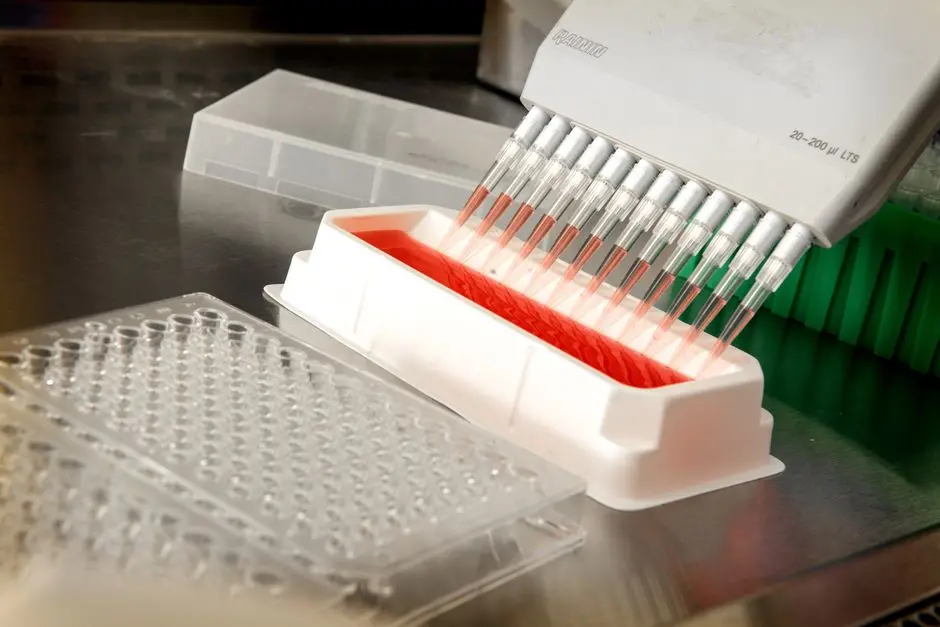
To meet the growing demands of drug discovery, we have transformed SPPS into a large-scale production force through automation and advanced strategies. Automated peptide synthesizers are now essential tools, enabling us to conduct parallel syntheses of hundreds, even thousands, of peptides. This significantly accelerates the screening of molecular libraries and the identification of promising therapeutic candidates. Automation ensures reproducibility and efficiency that manual methods cannot match.
We also leverage innovative techniques such as microwave-assisted SPPS. Microwave energy rapidly heats the resin and solvent, increasing reaction kinetics and drastically reducing coupling and deprotection times, often from hours to minutes, while improving yields and purity for challenging peptides. For peptides with synthesis challenges, such as hydrophobic sequences or those prone to aggregation, we employ specific strategies, such as the use of pseudoproline that disrupt the formation of undesirable secondary structures. On-resin or solution-phase cyclization offers pathways to create cyclic peptides, which are often more stable and bioactive. We continuously develop these methods to push the boundaries of what is possible in peptide synthesis, forging ever more powerful tools for biology.
Post-Synthesis and Quality Assurance: Validating Peptide Innovation
Once resin synthesis is complete, our mission is not over. The post-synthesis phase is equally critical to ensure the integrity and purity of the released peptide. The first step is the cleavage of the peptide from the resin. We typically use a mixture of trifluoroacetic acid (TFA) with scavengers such as water, ethanedithiol, or triisopropylsilane. These scavengers are essential for capturing reactive carbocations formed during cleavage, thereby preventing them from attacking sensitive peptide residues. Once cleaved, the peptide is precipitated, often with cold ether, to separate it from cleavage solvents and scavengers.
Purification is the phase where we sculpt the final purity of the peptide. Reverse-phase high-performance liquid chromatography (RP-HPLC) is our preferred tool, allowing us to separate the desired peptide from any impurities or truncated sequences. The required analytical purity will depend on the application: from 70% for initial screening to >95% for rigorous biological studies, and even >98% for clinical applications. Quality assurance is then validated by rigorous analytical techniques: mass spectrometry (ESI-MS or MALDI-TOF) confirms the correct molecular mass and the absence of unwanted modifications, while amino acid analysis quantifies the composition. We leave nothing to chance; each peptide is a promise that we validate with uncompromising scientific precision, ensuring its compliance and maximum biological potential.
Key Takeaways
Fondements et Impact de la SPPS
Solid-Phase Peptide Synthesis (SPPS), pioneered by Merrifield, anchors the growing peptide to an insoluble resin. This simplifies purification, reduces yield losses, and enables automation. It is crucial for assembling complex peptides with high purity, a cornerstone of medicinal chemistry and biotechnology for therapeutic discovery.
The SPPS (Fmoc Chemistry) Operational Cycle
The SPPS process is a repetitive and precise cycle. It begins with N-terminal deprotection (Fmoc removed by piperidine), followed by rigorous washes. The coupling step forms a new peptide bond by activating the carboxyl group of the incoming amino acid. Each step is critical to prevent sequencing errors and must be completed to ensure peptide quality.
Strategic Role of Resins and Binders
The choice of resin (e.g., Wang, Rink Amide) is vital for the peptide's stability and final form, influencing swelling and loading capacity. The linker connects the peptide to the resin and dictates cleavage conditions. Appropriate selection ensures efficient cleavage without degrading the peptide, with particular attention to loading capacity and resin pre-swelling.
Optimization of Reagents and Reaction Control
The efficiency of SPPS depends on the choice of coupling reagents (carbodiimides, uronium salts) and activators (HOBt, Oxyma Pure). These choices minimize racemization and side reactions. Precise adjustment of parameters such as concentration, temperature, and agitation, as well as strategies like double couplings, are essential to achieve maximum purity and avoid impurities.
Advancements: Automation and Specific Strategies
Automation has transformed SPPS into a high-throughput method, enabling the parallel synthesis of numerous peptides. Microwave-assisted SPPS accelerates reactions and improves yields for difficult peptides. Strategies such as the use of pseudoprolines or cyclization are employed to overcome synthesis challenges and develop peptides with enhanced properties.
Post-Synthesis and Quality Verification
Following synthesis, the peptide is cleaved from the resin with TFA and scavengers to prevent side reactions. Purification is primarily performed by RP-HPLC to isolate the desired peptide from impurities. Quality assurance is validated by analyses such as mass spectrometry (MS) and amino acid analysis, confirming the integrity and purity required for the target application.
FAQ
-
What are the main advantages of SPPS compared to solution-phase synthesis?
SPPS offers decisive advantages: purification is greatly simplified at each step as the growing peptide remains anchored to an insoluble resin, allowing washes by simple filtration. This reduces yield losses, enables automation, and facilitates the synthesis of longer and more complex peptides with high purity, major challenges in solution synthesis. -
What is the difference between Fmoc and Boc chemistry in SPPS?
The main difference lies in the strategy of N-terminal group protection/deprotection. Fmoc chemistry uses an N-terminal Fmoc group that is deprotected under mild basic conditions (e.g., piperidine). Amino acid side chains are protected by acid-labile groups. Boc chemistry, on the other hand, uses an N-terminal Boc group deprotected under strong acidic conditions (e.g., TFA), and side chains are protected by groups that are labile under even stronger acidic conditions. Fmoc chemistry is generally preferred due to its mildness and reduction of side reactions. -
How do we choose the appropriate resin and linker for our peptide synthesis?
The choice of resin depends on the type of C-terminus desired for the final peptide (free acid, amide, or other) and physical properties (swelling, loading capacity). For example, Wang resin is for free acids, and Rink Amide for amides. The linker, which is the reactive part of the resin where the first amino acid is attached, dictates the cleavage conditions. We choose a linker whose cleavage conditions are compatible with peptide stability, to minimize degradation during support release. -
What are the common pitfalls in SPPS and how do we avoid them?
Common pitfalls include incomplete deprotection or coupling reactions, leading to truncated or deleted peptides. We avoid these by optimizing reaction times, employing double couplings when necessary, and monitoring completion with colorimetric tests (e.g., ninhydrin test). Racemization, byproduct formation, or aggregation are other challenges, which we mitigate through judicious selection of coupling reagents, solvents, and the use of specific sequences (pseudoproline) for difficult peptides. -
How do we ensure the purity of our synthesized peptides?
Purity assurance involves several post-synthesis steps. After resin cleavage with a TFA/scavenger mixture and precipitation, we employ Reverse-Phase High-Performance Liquid Chromatography (RP-HPLC) for peptide purification. Purified fractions are then analyzed by Mass Spectrometry (MS) to confirm the correct molecular mass and absence of impurities, and sometimes by amino acid analysis for composition. Rigorous monitoring at each stage is key.