
> New Molecule Discovery > Combinatorial Chemistry Methods > Optimize Compound Libraries: Unleashing Precision in Drug Discovery Screening
Optimize Compound Libraries: Unleashing Precision in Drug Discovery Screening
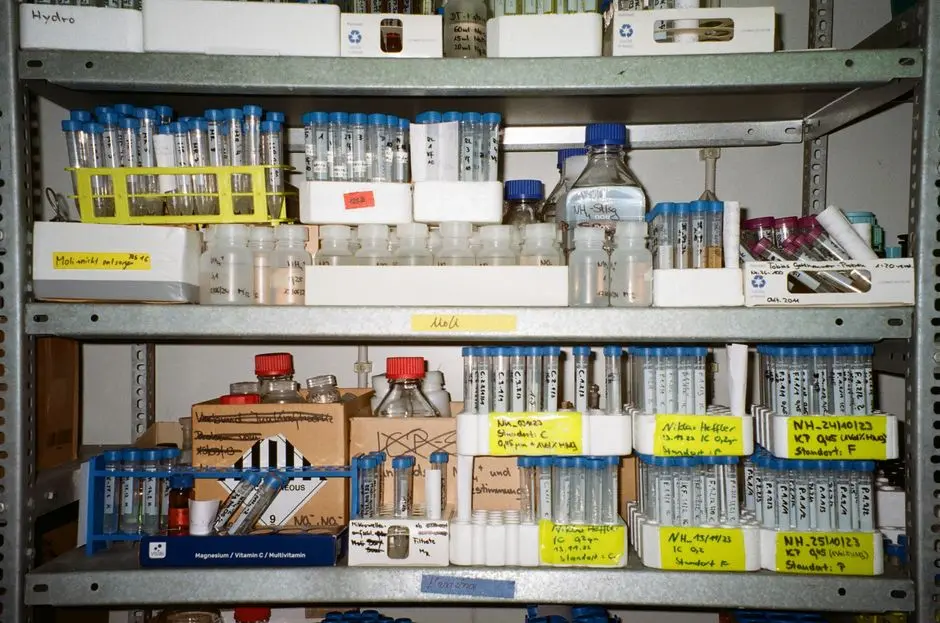
In the relentless pursuit of new therapeutics, the quality of a compound library dictates the pace and success of drug discovery. A poorly designed library can condemn even the most sophisticated screening efforts to mediocrity, wasting precious resources and delaying life-saving innovations. Conversely, a meticulously optimized library acts as a potent arsenal, dramatically improving hit rates and accelerating the identification of promising lead compounds. We stand at the precipice of a new era, where intelligent design and strategic refinement are not merely advantages, but absolute necessities.
This comprehensive resource unveils the critical methodologies and insider strategies to transform your compound libraries into high-performance engines for discovery. We will dissect the foundational principles, advanced techniques, and common pitfalls, empowering you to maximize every screening campaign. Elevate your approach to molecule discovery; explore how to meticulously craft libraries that yield unparalleled results, building upon robust frameworks like chemical strategies for generating novel molecular libraries to ensure every synthesized compound contributes to a focused and effective search for groundbreaking cures. Join us as we forge the future of pharmaceutical innovation, one intelligently optimized compound at a time.

Decoding the Discovery Landscape: Why Optimized Libraries Are Your Strategic Edge
We plunge into the core necessity of library optimization. The modern drug discovery landscape is a high-stakes arena, demanding unparalleled efficiency and precision. A generic, uncurated compound library is akin to searching for a needle in a haystack – an endeavor fraught with futility. Instead, we must architect libraries with purpose, focusing on diversity, drug-likeness, and target relevance. This initial phase defines the battleground. We analyze the sheer volume of chemical space, acknowledging its vastness (estimated at 1060 molecules, far exceeding current synthetic capabilities). Understanding this immensity drives our need for intelligent design, not random exploration.
We assert that optimization begins long before synthesis. It encompasses meticulous planning, leveraging computational tools, and deep biological insight. Without a strategic framework, resources are squandered, and promising therapeutic avenues remain unexplored. We scrutinize the historical evolution of compound libraries, from early natural product collections to today's sophisticated virtual and combinatorial sets. The lesson is clear: adaptation and refinement are paramount. We quantify the impact: a well-optimized library can increase hit rates by factors of 5 to 10, drastically reducing screening costs and accelerating timelines. We champion a proactive mindset, viewing each library as a precision instrument, finely tuned to specific therapeutic challenges. This foundational understanding cements our commitment to building smarter, more effective chemical toolkits.

Engineering Precision: Core Principles for Rational Library Design
We delve into the foundational principles that underpin the creation of high-value compound libraries. Rational design transcends mere enumeration; it's a symphony of chemical intuition, computational foresight, and biological relevance. First, we prioritize diversity and novelty. A library must offer a broad spectrum of chemical scaffolds to explore varied biological interactions, while avoiding redundancy. We scrutinize metrics like Tanimoto similarity to ensure adequate structural spread. However, diversity must be intelligent, not random. We integrate the concept of "drug-likeness" (Lipinski's Rule of Five and beyond), filtering out compounds with undesirable physicochemical properties early on. Solubility, permeability, and metabolic stability are not afterthoughts but integral design parameters.
Next, we champion target-focused design. When a specific biological target is known, we leverage structural biology (X-ray crystallography, NMR) and computational docking to predict active binding modes. This enables us to design compounds that complement the target's binding pocket, enhancing affinity and selectivity. We also explore fragment-based design, an increasingly powerful strategy for building complex molecules from smaller, validated fragments. We emphasize the importance of scaffold hopping and bioisosteric replacement to generate novel chemical entities that overcome patentability issues or improve pharmacological profiles. Every compound within our library must embody a deliberate hypothesis, a calculated step toward therapeutic innovation. This meticulous approach transforms a collection of molecules into a strategic asset.
Advanced Optimization Tactics: Leveraging Data & Iterative Refinement for Superior Libraries
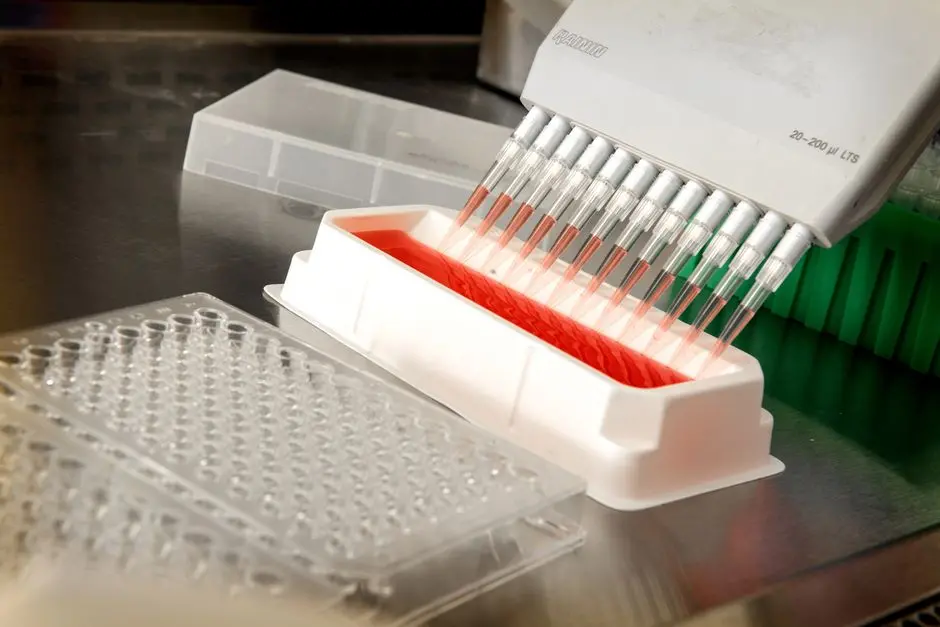
We escalate our strategy, moving beyond initial design to dynamic, data-driven optimization. The true power of a library unfolds through iterative cycles of synthesis, screening, and analysis. Our focus now shifts to High-Throughput Screening (HTS) data interpretation. Raw hit lists are merely starting points. We apply sophisticated data mining techniques, including machine learning and cheminformatics, to identify false positives, aggregate scaffold families, and prioritize the most promising hits. We employ filters such as PAINS (Pan-Assay Interference Compounds) to eliminate promiscuous compounds that derail discovery.
Crucially, we integrate Structure-Activity Relationship (SAR) insights directly back into the library design process. Early SAR data informs subsequent rounds of combinatorial synthesis, enabling us to expand around active scaffolds or prune inactive ones. This iterative feedback loop is the engine of optimization. We leverage techniques like quantitative structure-activity relationships (QSAR) to build predictive models that guide the synthesis of compounds with improved potency, selectivity, and ADMET properties. We champion the concept of "focused libraries," where initial broad screening identifies active chemotypes, which are then elaborated into smaller, highly potent, and biologically relevant sets. This approach minimizes synthetic effort while maximizing the chance of discovering lead compounds. Our commitment to data-driven refinement transforms a static collection into a continuously evolving, intelligent discovery tool.

Navigating Challenges & Forging Future Frontiers: Mastering Library Optimization
We confront the inherent challenges in library optimization and chart the course for future innovations. Even with meticulous planning, pitfalls abound. A common error is "analysis paralysis" – over-thinking design to the point of inaction, or conversely, "shotgun screening" with insufficient strategic grounding. We advocate for a balanced approach. We address the perennial challenge of synthesizability: designing ideal molecules that are impossible or prohibitively expensive to create. Our designs must be chemically tractable, employing established reaction pathways and accessible building blocks. We emphasize collaboration between computational chemists, medicinal chemists, and synthetic chemists to bridge this gap.
Furthermore, we explore the evolving role of artificial intelligence (AI) and machine learning (ML) in library design. These technologies are revolutionizing retrosynthesis prediction, de novo design, and property prediction, enabling the rapid generation and virtual screening of billions of potential molecules. We forecast a future where AI-driven platforms will suggest optimal library subsets, predict synthetic routes, and even identify new chemical reactions. We also consider the ethical implications and the need for explainable AI in drug discovery. Our commitment extends to sustainable chemistry practices, designing libraries with reduced environmental footprints. By embracing these cutting-edge tools and proactively addressing challenges, we don't just optimize libraries; we redefine the very fabric of new molecule discovery. We are not just participants; we are architects of the next generation of therapeutics.
Key Takeaways
Strategic Pillars of Compound Library Optimization
We forge optimized compound libraries not through mere collection, but through a confluence of strategic design, rigorous data analysis, and iterative refinement. Our journey establishes the non-negotiable imperative of precision in drug discovery, where a well-crafted library becomes a potent accelerator.
- Intentional Design is Paramount: We prioritize intelligent diversity, ensuring libraries explore novel chemical space while adhering to principles of "drug-likeness" and target specificity. This includes leveraging fragment-based approaches and structural biology insights.
- Data Fuels Iteration: High-Throughput Screening (HTS) data, meticulously analyzed through cheminformatics and machine learning, drives successive rounds of optimization. We identify robust Structure-Activity Relationships (SAR) and apply Quantitative Structure-Activity Relationships (QSAR) to refine compounds for enhanced potency, selectivity, and ADMET profiles.
- Challenges Are Opportunities: We confront hurdles like synthesizability and analysis paralysis with collaborative strategies. Our proactive stance embraces artificial intelligence and machine learning as transformative tools for de novo design, retrosynthesis, and predictive modeling, pushing the boundaries of what's possible.
- Future-Forward Vision: We chart a course for sustainable chemistry and AI-driven platforms, continuously evolving our approach to new molecule discovery. Every optimized library propels us closer to groundbreaking therapeutics, redefining health's future with precision and purpose.
FAQ
-
What is the primary differentiator between a "diverse" and an "optimized" compound library?
A diverse library aims to cover broad chemical space, often without specific therapeutic goals. An optimized library, however, leverages design principles and iterative data feedback to focus this diversity, enhancing drug-likeness, target relevance, and hit rates for specific therapeutic areas. It's about intelligent, purpose-driven exploration versus general coverage.
-
How critical are computational tools in modern compound library optimization?
Computational tools are absolutely critical. They enable virtual screening of billions of molecules, prediction of physicochemical properties (ADMET), scaffold diversity analysis, QSAR modeling, and AI-driven de novo design. They allow us to explore chemical space efficiently and make data-driven decisions long before any synthesis occurs, drastically reducing costs and accelerating discovery.
-
What is the "Lipinski's Rule of Five" and why is it important in library design?
Lipinski's Rule of Five (RO5) is a set of guidelines that predicts whether a chemical compound has properties that would make it orally active in humans. It states that a compound is likely to be orally active if it has: no more than 5 hydrogen bond donors, no more than 10 hydrogen bond acceptors, a molecular weight < 500 daltons, and an octanol-water partition coefficient (logP) < 5. While not definitive, RO5 provides a crucial early filter to optimize for drug-likeness and minimize attrition in later development stages.