
> New Molecule Discovery > Combinatorial Chemistry Methods > Unleash Discovery: Automate Your Combinatorial Chemistry Lab
Unleash Discovery: Automate Your Combinatorial Chemistry Lab
The relentless pursuit of novel molecules demands unprecedented speed, precision, and efficiency. In the dynamic realm of biology, where new molecule discovery is the bedrock of progress, the traditional synthesis paradigm simply cannot keep pace. We confront a vast chemical space, a challenge that manual methods struggle to navigate effectively. This article illuminates the strategic imperative of integrating automation into combinatorial chemistry laboratories, transforming laborious, time-consuming processes into streamlined, high-throughput engines of innovation. We dissect the core technologies, unravel the intricate integration challenges, and chart a course for unlocking unparalleled productivity. Discover how the systematic implementation of automated systems becomes a formidable advantage, amplifying the capacity for generating diverse molecular libraries—a critical endeavor that directly connects to advancing chemical strategies for generating novel molecular libraries. Prepare to master the blueprint for a future where robotic precision accelerates the journey from concept to therapeutic reality.
The Imperative for Automation in Combinatorial Chemistry
In the high-stakes arena of new molecule discovery, the scale of synthesis required to explore vast chemical spaces has rendered manual methods obsolete. We demand automation not as a convenience, but as a strategic lever to amplify throughput, ensure reproducibility, and drastically cut timelines. Consider the challenge: a single drug discovery program may necessitate the synthesis and screening of tens of thousands, or even hundreds of thousands, of unique compounds. Manually executing this volume introduces unacceptable variability, consumes exorbitant resources, and significantly prolongs discovery cycles. Automation directly addresses this bottleneck, transforming labs into high-efficiency factories. We replace subjective human handling with robotic precision, minimizing errors, optimizing reaction conditions, and standardizing experimental protocols across massive compound sets. This shift is non-negotiable for competitive research, allowing us to rapidly iterate on molecular designs and accelerate the identification of promising candidates. We are not just building molecules faster; we are building them better, with an intrinsic level of data quality and consistency unattainable through traditional means. This fundamental transition propels us beyond incremental gains, catalyzing breakthroughs previously deemed impractical.
Architecting the Automated Combinatorial Lab: Key Technologies and Systems
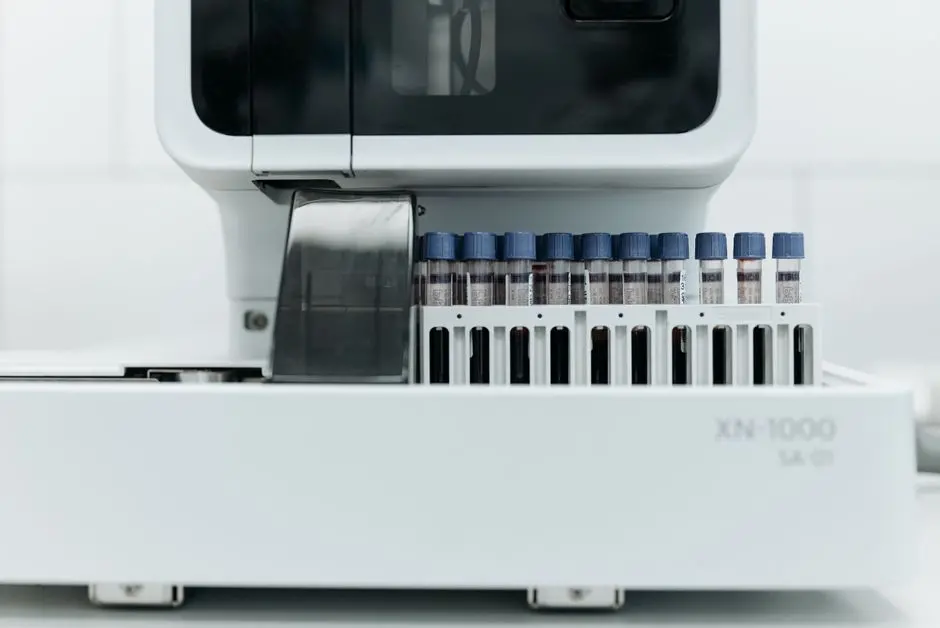
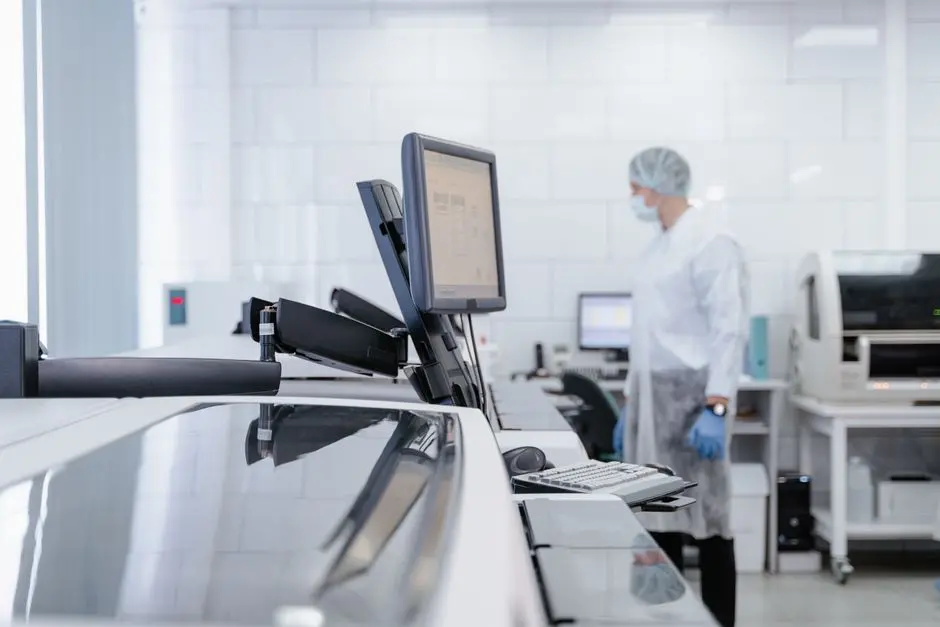
Forging an automated combinatorial chemistry laboratory requires a meticulously designed ecosystem of advanced technologies. At its core, we integrate multi-axis robotic arms capable of precise plate manipulation and transfer, working in concert with sophisticated liquid handlers that dispense reagents with microliter accuracy. Automated reaction stations facilitate parallel synthesis, enabling hundreds of reactions to proceed simultaneously under controlled conditions of temperature, stirring, and atmosphere. For downstream processing, we deploy automated purification systems, such as robotic solid-phase extraction (SPE) or flash chromatography units. Crucially, these hardware components are orchestrated by intelligent software. Laboratory Information Management Systems (LIMS) track samples, reagents, and experimental data throughout their lifecycle, while Electronic Lab Notebooks (ELN) capture every experimental detail digitally. Cheminformatics platforms analyze the resulting structural and biological data, guiding subsequent synthesis decisions. The synergy between these physical and digital assets constitutes a closed-loop system, where each step informs and optimizes the next. We design for modularity, ensuring that new instruments can be integrated seamlessly, building a future-proof, adaptable research platform.
Streamlining the Synthesis Pipeline: Automated Reaction and Purification
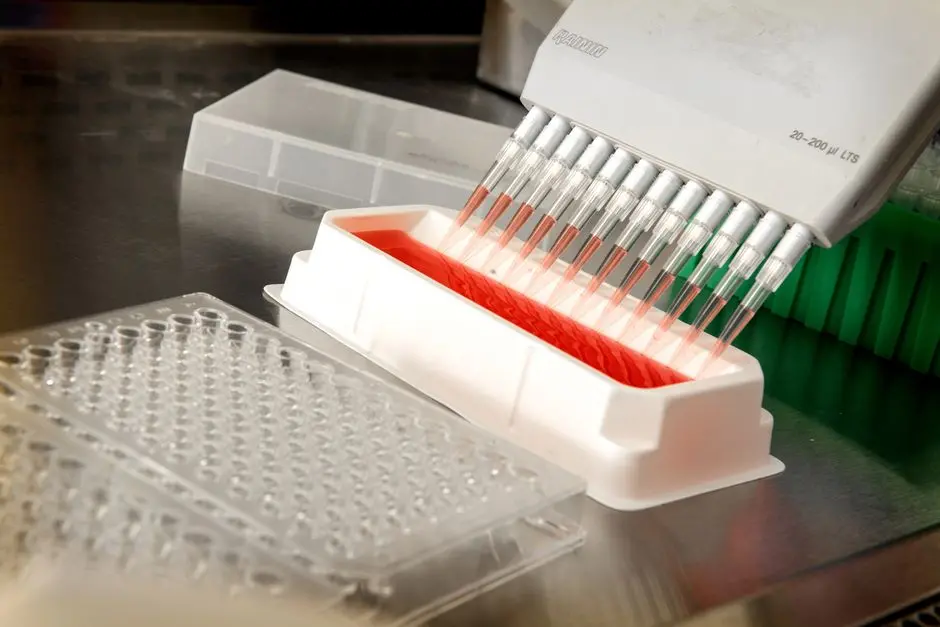
The heart of combinatorial chemistry lies in the efficient creation of diverse molecular libraries, and automation revolutionizes every facet of this pipeline. We implement automated parallel synthesis, enabling hundreds or even thousands of reactions to be run concurrently in multi-well plates. This accelerates lead generation by orders of magnitude. For solid-phase chemistry, automated peptide and oligonucleotide synthesizers meticulously add building blocks and reagents, eliminating manual intervention and ensuring consistent coupling efficiencies, drastically reducing synthesis times and errors. In solution-phase synthesis, robotic platforms precisely weigh and dispense reagents, manage reaction temperatures, and monitor kinetics, yielding highly reproducible results that are critical for complex multi-step reactions. Post-synthesis, the purification bottleneck often slows discovery. We deploy automated purification techniques, such as robotic solid-phase extraction (SPE) for rapid clean-up or integrated flash chromatography systems for more complex separations. These systems leverage algorithms to optimize solvent gradients and collection fractions, delivering purified compounds faster and with higher purity. We conquer the challenge of laborious manual work, ensuring that our synthetic output is consistently high-quality, propelling us toward validated hits with unmatched velocity and reliability.
Data-Driven Discovery: Analytics, Screening, and AI Integration
Beyond synthesis and purification, automation extends its transformative power into the critical phases of analysis and screening, fundamentally changing how we extract actionable insights from our molecular libraries. We integrate automated analytical instruments – high-throughput liquid chromatography-mass spectrometry (LC-MS), nuclear magnetic resonance (NMR), and Fourier-transform infrared (FTIR) spectroscopy – directly into the workflow. Robotic sample preparation feeds these instruments, generating vast quantities of structural and purity data without human intervention. This data is instantly captured and processed by our LIMS, ensuring traceability and integrity. Furthermore, automated platforms seamlessly connect to high-throughput screening (HTS) systems, where robotics perform rapid biological assays on thousands of compounds. This holistic data stream becomes the fuel for advanced computational tools. Artificial intelligence (AI) and machine learning (ML) algorithms analyze these massive datasets to predict reaction outcomes, optimize synthetic routes, identify structure-activity relationships, and even propose novel molecular structures with desired properties. We are not just generating data; we are leveraging it as a predictive engine, transforming raw information into accelerated discovery and intelligent decision-making, significantly narrowing the search for effective new molecules.
Navigating the Integration Landscape: Challenges and Strategic Solutions
While the benefits of automation are profound, we must surgically address the inherent challenges in its implementation. A significant hurdle is the substantial upfront capital investment required for robotic systems, specialized instruments, and sophisticated software licenses. However, we frame this as an investment in future productivity, with clear ROI models demonstrating long-term cost savings and accelerated discovery. The complexity of integrating disparate systems from multiple vendors poses another critical challenge. We overcome this by adopting a modular approach, selecting open-architecture platforms, and prioritizing vendors with proven track records in seamless interoperability. Software compatibility issues, especially between LIMS, ELN, and instrument control systems, demand robust IT infrastructure and dedicated software engineering support. Crucially, the transition requires comprehensive staff training – retraining existing personnel and hiring new talent with expertise in automation, robotics, and data science. We establish a culture of continuous learning and provide ongoing support. Finally, system maintenance and validation are vital to ensure sustained performance. We implement rigorous preventive maintenance schedules and comprehensive validation protocols for every automated workflow, guaranteeing precision and reproducibility. By proactively tackling these challenges, we forge a resilient, high-performing automated laboratory.

Forging the Future: Emerging Trends in Automated Combinatorial Chemistry
We stand at the precipice of a new era for automated combinatorial chemistry, characterized by unprecedented intelligence and autonomy. The future lab is not just automated; it is self-optimizing and AI-driven. Emerging trends include the development of autonomous laboratories, where robots execute experiments, analyze results, and independently design the next set of reactions based on predefined objectives and AI feedback loops. This closed-loop discovery cycle promises to dramatically compress discovery timelines. We witness the rise of advanced AI in synthesis planning, where algorithms predict optimal reagents, conditions, and synthetic routes for novel targets, reducing the need for extensive experimental trials. Miniaturization continues to push boundaries, enabling ultra-high-throughput experiments with minimal material consumption, perfect for precious or difficult-to-synthesize compounds. Cloud-based data analysis and collaborative platforms are also gaining traction, allowing global teams to share data and insights instantaneously. These innovations transform the role of the chemist from a manual practitioner to a strategic architect, overseeing and guiding intelligent systems. We are not merely automating tasks; we are automating the very process of scientific inquiry, unleashing an exponential increase in our capacity to discover and develop the molecules that will define tomorrow's biology and medicine.
Key Takeaways
The Strategic Imperative of Automation
Automation is critical for scaling new molecule discovery, overcoming limitations of manual methods, and enhancing reproducibility across vast chemical spaces, driving innovation in biological research.
Core Technologies for Automated Labs
Robotic systems, advanced liquid handlers, integrated analytical instruments, and robust software (LIMS, ELN, cheminformatics) form the backbone of modern automated combinatorial chemistry laboratories, ensuring precise and efficient operations.
Revolutionizing Synthesis and Purification
Automated platforms streamline parallel synthesis, solid-phase, and solution-phase reactions, followed by efficient, reproducible purification processes, significantly accelerating the generation of diverse molecular libraries.
Data, AI, and Accelerated Discovery
Integrated analytical workflows and high-throughput screening generate vast datasets. AI/ML algorithms leverage this data for reaction optimization, prediction, and faster lead identification, transforming raw information into actionable insights.
Overcoming Integration Challenges
Strategic planning, modular implementation, strong vendor partnerships, and continuous staff training are vital to navigate the complexities of initial investment and seamless system integration, building resilient automated workflows.
The Future of Automated Discovery
Emerging trends point towards fully autonomous laboratories, self-optimizing systems, and AI-driven synthesis planning, promising an exponential increase in the capacity to discover and develop breakthrough molecules for biology and materials science.
FAQ
-
What is the primary driver for automating combinatorial chemistry?
The primary driver is the imperative to explore vast chemical spaces at unprecedented speed and scale. Automation drastically increases throughput, ensures high reproducibility, reduces human error, and accelerates the discovery process for new molecules, which is critical for competitive research in biology and medicine.
-
What are the core components of an automated combinatorial lab?
A core automated lab typically integrates multi-axis robotic arms, precise liquid handlers, automated reaction stations, automated purification systems (e.g., SPE, flash chromatography), and sophisticated software such as LIMS, ELN, and cheminformatics platforms to manage data and workflow.
-
How does automation improve drug discovery timelines?
Automation improves timelines by enabling rapid parallel synthesis, high-throughput screening of thousands of compounds, swift automated analytical characterization, and data-driven decision-making via AI/ML, compressing months or years of manual work into weeks or days.
-
What are the biggest challenges in implementing lab automation?
Key challenges include significant initial capital investment, complex integration of diverse systems from multiple vendors, software interoperability issues, the need for extensive staff training, and ongoing maintenance to ensure consistent high performance and validation.
-
What role does AI play in the future of automated chemistry?
AI plays a pivotal role in the future, enabling autonomous laboratories that can design, execute, and learn from experiments independently. It will optimize reaction conditions, predict molecular properties, propose novel structures, and accelerate the identification of promising drug candidates or materials.