
Forge Novel Molecules: Chemical Strategies for Powering Discovery Libraries
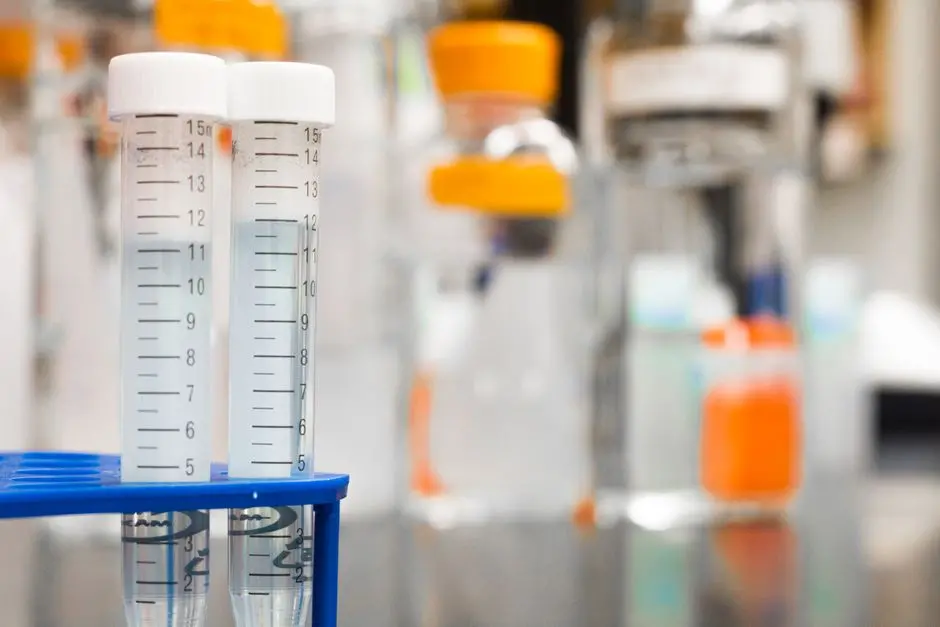
The quest for groundbreaking therapeutics demands a relentless pursuit of new chemical entities. The modern pharmaceutical landscape is defined by the strategic creation of diverse molecular libraries, a cornerstone for accelerating drug discovery. Without robust, intelligently designed collections of compounds, the probability of identifying lead candidates for diseases dwindles significantly. We embark on an exploration of cutting-edge chemical strategies that empower scientists to generate these vital molecular arsenals. From foundational principles to advanced automation and sophisticated optimization techniques, this resource will equip you with an expert's understanding of how we construct the chemical blueprints that redefine health. Prepare to unravel the methodologies that drive innovation, streamline research, and ultimately, bring life-changing medicines to fruition. What if the next breakthrough molecule is already synthesized, just waiting to be discovered within a meticulously crafted library?
Unveiling the Core: Foundations of Combinatorial Chemistry
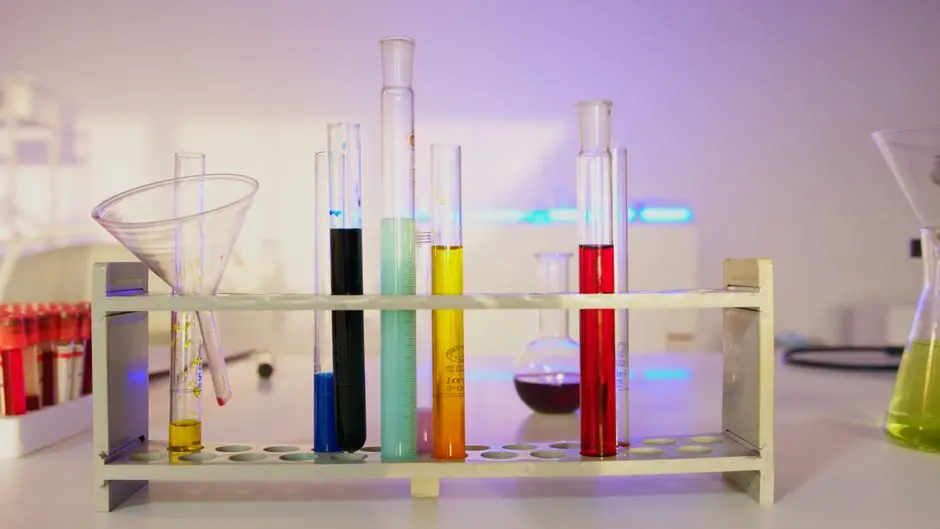
We initiate our deep dive into the powerful realm of combinatorial chemistry, a pivotal methodology that has revolutionized the speed and scope of new molecule discovery. It is imperative to grasp what combinatorial chemistry represents in the context of uncovering new molecules: a synthetic methodology enabling the rapid and efficient production of vast numbers of diverse chemical compounds. This approach systematically generates a collection, or 'library,' of molecules, rather than synthesizing them one by one. Understanding its origins is crucial; we trace the history and core principles of combinatorial chemistry, recognizing its emergence as a direct response to the escalating demand for drug candidates in the late 20th century. Early pioneers laid the groundwork, emphasizing simultaneous synthesis and parallel screening methodologies. The fundamental premise revolves around combining a set of 'building blocks' in all possible permutations, dramatically expanding the chemical space explored. We detail precisely how combinatorial chemistry systematically generates these compound libraries, revealing the strategic use of reaction sequences on solid supports or in parallel arrays to produce an immense pool of unique chemical structures. This systematic approach ensures maximum coverage and diversity within the synthesized collections, driving forward the frontier of molecular exploration.
Accelerating Discovery: Strategic Design and Influential Factors
The impact of combinatorial chemistry on drug research is profound, fundamentally altering the pace and direction of discovery pipelines. We illuminate the clear advantages combinatorial chemistry offers in contemporary drug research, chief among them being its capacity to rapidly generate large and diverse sets of compounds, significantly increasing the probability of finding active molecules. This methodology is not merely a quantitative improvement; it inherently transforms the qualitative aspects of lead identification. We precisely articulate why combinatorial chemistry stands as a critical accelerator in the discovery process, attributing its speed to the parallel synthesis of thousands or even millions of compounds, drastically cutting down the time required for traditional one-compound-at-a-time synthesis. This efficiency empowers researchers to explore broader chemical landscapes. Crucially, we delve into the meticulous process of how scientists strategically design combinatorial compound libraries, moving beyond mere random assembly to implement rational design principles. This involves careful selection of scaffolds, diversity-generating building blocks, and reaction types that ensure structural novelty and biological relevance. We conclude by identifying the critical factors that inherently influence the design of these chemical libraries, including target class, desired physicochemical properties, synthetic accessibility, and the imperative for drug-like characteristics, all of which shape the composition and utility of the resulting molecular collections.
Mastering Chemical Diversity: Strategies for Optimal Libraries
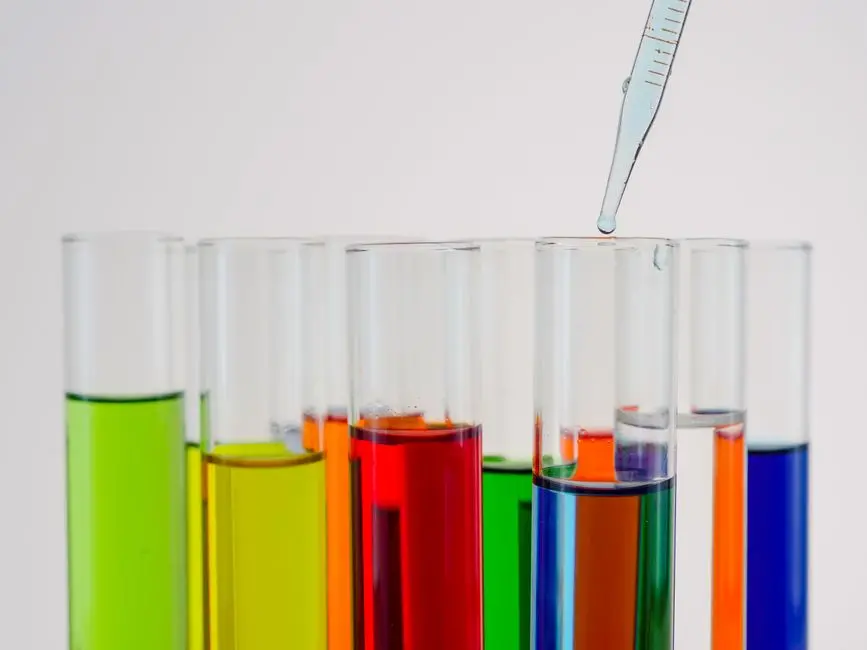
Achieving meaningful chemical diversity within molecular libraries is not accidental; it is the outcome of deliberate and sophisticated strategic planning. We explore effective strategies for constructing highly diverse molecule libraries, emphasizing techniques that maximize structural variation, introduce novel pharmacophores, and minimize redundancy. This involves a thoughtful selection of privileged scaffolds, diverse sets of reactive functionalities, and robust synthetic pathways. The goal is to cast the widest possible net across chemical space, increasing the likelihood of identifying novel biological activities. We dissect the concept of chemical diversity as a cornerstone in combinatorial chemistry, defining it not just by the number of compounds, but by the breadth of their structural features, shape, electronic properties, and molecular complexity. A truly diverse library encompasses a wide range of molecular architectures, ensuring a comprehensive exploration of potential binding interactions with biological targets. Finally, we establish the critical importance of optimizing compound libraries specifically for high-throughput screening endeavors. This optimization transcends mere synthesis, involving crucial steps such as quality control, purity assessment, structural validation, and ensuring suitable solubility and stability for biological assays. An optimized library minimizes false positives and negatives, enhancing the efficiency and reliability of subsequent biological evaluation and accelerating the identification of promising drug candidates.

Solid Phase Synthesis: The Cornerstone Technique
Solid phase synthesis stands as a foundational pillar of modern combinatorial chemistry, offering unparalleled advantages for building complex molecular libraries. We meticulously detail the intricate mechanism of solid phase synthesis in combinatorial chemistry. This method anchors the initial reactant to an insoluble polymeric support, allowing reagents and byproducts to be washed away after each reaction step, simplifying purification and enabling automated synthesis. This approach dramatically streamlines multi-step reactions, making complex molecular construction more feasible. A critical application within this realm is peptide synthesis, where we elaborate on the specific methodology of solid phase peptide synthesis, a technique pioneered by Merrifield that allows for the stepwise assembly of amino acids into peptide chains on a solid resin. This innovation has been instrumental in generating vast libraries of peptides and peptidomimetics for drug discovery. We highlight the profound advantages that solid phase synthesis brings to molecule discovery, including simplified purification, ease of automation, efficient parallel synthesis, and the use of excess reagents to drive reactions to completion, thereby achieving high yields and purities, all contributing to the rapid generation of diverse chemical entities crucial for accelerating research.
Broadening Applications and Addressing Synthetic Challenges
Beyond its established role in peptide synthesis, solid phase chemistry extends its influence across a spectrum of molecular designs, continually pushing the boundaries of what is synthetically achievable. We examine the diverse applications of solid phase synthesis in the expansive field of drug development, encompassing the creation of small-molecule libraries, oligonucleotide synthesis, and the generation of advanced materials. Its versatility makes it an indispensable tool for medicinal chemists seeking novel structures. However, even this powerful technique is not without its complexities. We confront the inherent limitations of solid phase chemical synthesis, such as challenges with monitoring reaction progress on the resin, potential for incomplete reactions, and issues related to resin swelling or degradation. Overcoming these hurdles often requires innovative linker chemistries, advanced analytical techniques, and careful optimization of reaction conditions. A significant logistical challenge in library generation is effectively scaling chemical synthesis to produce compound libraries. This demands robust processes that can transition from milligram to gram quantities efficiently, ensuring sufficient material for comprehensive biological testing without compromising purity or structural integrity. We strategically implement solutions to these scale-up challenges, ensuring a seamless flow from initial design to large-scale library production.
High-Throughput Chemistry: Automation and Industrialization of Synthesis
The sheer volume of compounds required for modern drug discovery mandates a radical departure from traditional synthetic methods, propelling high-throughput chemistry to the forefront. We analyze how high-throughput chemistry fundamentally accelerates molecule discovery, detailing its capacity to perform hundreds or thousands of chemical reactions simultaneously or in rapid succession. This parallel processing capability is transformative, allowing for an unprecedented exploration of chemical space within compressed timelines. We define precisely what high-throughput chemical synthesis entails: a paradigm shift characterized by automation, miniaturization, and parallelization, designed to maximize experimental output while minimizing manual intervention. The integration of robotics is pivotal; we explore the indispensable role of automation within combinatorial chemistry laboratories, highlighting how robotic platforms handle everything from reagent dispensing and reaction setup to purification and analytical characterization. This level of automation ensures reproducibility, reduces human error, and dramatically increases throughput. To facilitate these advanced operations, a specialized suite of specialized tools used in high-throughput chemical synthesis, including multi-well plate reactors, automated liquid handlers, parallel purifiers, and integrated analytical systems, are deployed, creating an industrialized approach to chemical innovation.

Optimizing Libraries for Peak Performance
The journey from raw chemical library to effective drug candidate is paved with strategic optimization at every stage. We delve into the critical process of optimizing compound libraries to enhance their screening performance. This is not a one-time event but a continuous cycle of refinement, driven by iterative feedback from biological assays. We elaborate on the systematic methods researchers employ to optimize combinatorial chemical libraries, including lead-hopping, scaffold hopping, and structure-activity relationship (SAR) elucidation, all aimed at improving potency, selectivity, and drug-like properties. A key challenge is defining success criteria, leading us to examine the essential criteria that collectively define a truly effective compound library. This extends beyond mere size; it encompasses high chemical diversity, optimal physicochemical properties (e.g., solubility, permeability), low toxicity profiles, and appropriate structural complexity. A good library is an intelligent library, designed to deliver high-quality hits rather than just high numbers. Our focus remains on enhancing the probability of success at every iterative step of the discovery process.
Refining Libraries: Reducing Redundancy and Enhancing Efficiency
True library value is not solely in quantity but in the quality and uniqueness of its constituents. A pervasive challenge in large-scale synthesis is managing chemical redundancy. We tackle proactive strategies for reducing redundancy within chemical libraries, implementing methods like cheminformatic filtering, clustering algorithms, and diversity-oriented synthesis. The objective is to ensure that each synthesized molecule contributes genuinely novel structural information to the library, thereby maximizing its exploratory power and minimizing wasted screening efforts. This leads us to the crucial balancing act of balancing the imperative for diversity with uncompromising quality in compound collections. While breadth is important, quality metrics like purity, structural integrity, and drug-likeness are paramount. A library with high diversity but low quality yields unreliable screening data. We champion an approach that integrates both, ensuring diverse yet high-quality molecules. Finally, we establish and implement effective strategies to significantly improve combinatorial library efficiency. This involves smart experimental design, iterative refinement based on assay feedback, and the continuous integration of computational chemistry tools to guide synthesis, thereby accelerating the identification of potent and selective small molecules. We are committed to making every synthetic effort count towards transformative discoveries.
Key Takeaways
The Imperative of Combinatorial Chemistry
Combinatorial chemistry is the cornerstone of modern drug discovery, enabling rapid and efficient generation of vast and diverse molecular libraries. It fundamentally accelerates the identification of lead compounds by synthesizing thousands of potential drug candidates in parallel, a dramatic shift from traditional one-by-one synthesis.
Strategic Library Design for Optimal Diversity
Effective library generation hinges on strategic design. We meticulously select scaffolds and building blocks, aiming for maximal chemical diversity, structural novelty, and optimal physicochemical properties. Factors influencing design include target class, desired drug-like characteristics, and synthetic feasibility, ensuring libraries are tailored for success.
Solid Phase Synthesis: A Pillar of Efficiency
Solid phase synthesis is a core technique, simplifying purification and enabling automation. Its application, particularly in peptide synthesis, demonstrates its power to generate complex molecules efficiently. While facing limitations, continuous innovation in linker chemistries and reaction monitoring overcomes these challenges, broadening its utility across drug development.
High-Throughput Automation Drives Discovery
High-throughput chemistry and automation are critical for scaling molecular library production. Robotic platforms, multi-well reactors, and integrated analytical systems allow for parallel synthesis and characterization, drastically increasing throughput, reducing errors, and accelerating the exploration of chemical space for novel therapeutics.
Continuous Optimization for Superior Libraries
Library optimization is an iterative process focused on maximizing screening success. This involves refining compounds for potency, selectivity, and drug-likeness, while actively reducing redundancy and balancing diversity with uncompromising quality. Cheminformatics and computational tools are essential for guiding synthesis and ensuring peak library performance.
FAQ
-
What is the primary goal when designing a novel molecular library?
The primary goal is to maximize the probability of discovering compounds with desired biological activities. This is achieved by generating a collection of molecules that exhibits high chemical diversity, optimal drug-like properties (solubility, permeability, metabolic stability), and structural novelty, allowing for broad exploration of chemical space against a specific biological target or a range of targets. We focus on strategic selection of building blocks and synthetic routes to achieve this. -
How does solid phase synthesis contribute to the efficiency of combinatorial chemistry?
Solid phase synthesis streamlines combinatorial chemistry by anchoring reactants to an insoluble support. This allows for simple purification by washing away excess reagents and byproducts after each reaction step, eliminating tedious purification between steps. It also facilitates automation, enabling parallel synthesis of hundreds or thousands of compounds simultaneously, drastically increasing throughput and efficiency compared to solution-phase methods. -
What are common pitfalls to avoid when building a diverse compound library?
Common pitfalls include insufficient chemical diversity (leading to exploration of limited chemical space), poor physicochemical properties (resulting in non-drug-like molecules), high redundancy (wasting resources on similar compounds), and inadequate quality control (leading to impure or mischaracterized compounds). We meticulously address these by employing cheminformatic tools, robust synthetic methods, and rigorous analytical verification at every stage. -
How do researchers ensure the quality and purity of compounds within a high-throughput synthesized library?
Ensuring quality and purity in high-throughput libraries involves a multi-pronged approach. This includes optimizing reaction conditions for high conversion, utilizing robust purification techniques (e.g., automated flash chromatography, HPLC), and comprehensive analytical characterization of a representative subset of compounds. Techniques like LC-MS, NMR, and IR spectroscopy are critical for verifying structural integrity and purity. Automation tools also help standardize processes, reducing variability and enhancing overall quality control.