
> New Molecule Discovery > Combinatorial Chemistry Methods > Forge Combinatorial Libraries: Scientist's Blueprint
Forge Combinatorial Libraries: Scientist's Blueprint

In the relentless quest for new therapeutics and advanced materials, the ability to generate vast molecular diversity rapidly and systematically stands as a cornerstone of modern scientific discovery. We operate at the forefront of innovation, recognizing that identifying a groundbreaking new molecule is akin to finding a needle in a haystack – unless we strategically design the haystack itself to reveal its treasures. This article illuminates the meticulous process by which scientists engineer combinatorial compound libraries, transforming the traditionally arduous path of one-by-one synthesis into a powerful, parallel exploration of chemical space. We unravel the critical decisions, cutting-edge methodologies, and strategic thinking that underpin this high-impact discipline.
Understanding how to systematically construct these molecular arsenals is paramount for accelerating drug discovery and materials science. We delve into the foundational principles, intricate design choices, and rigorous validation steps involved, offering an insider's perspective on maximizing molecular diversity and biological relevance. Prepare to unlock the secrets behind the advanced chemical strategies crucial for generating novel molecular libraries, empowering us to unlock unprecedented potential in new molecule discovery.
Unveiling Combinatorial Chemistry: The Genesis of Molecular Diversity
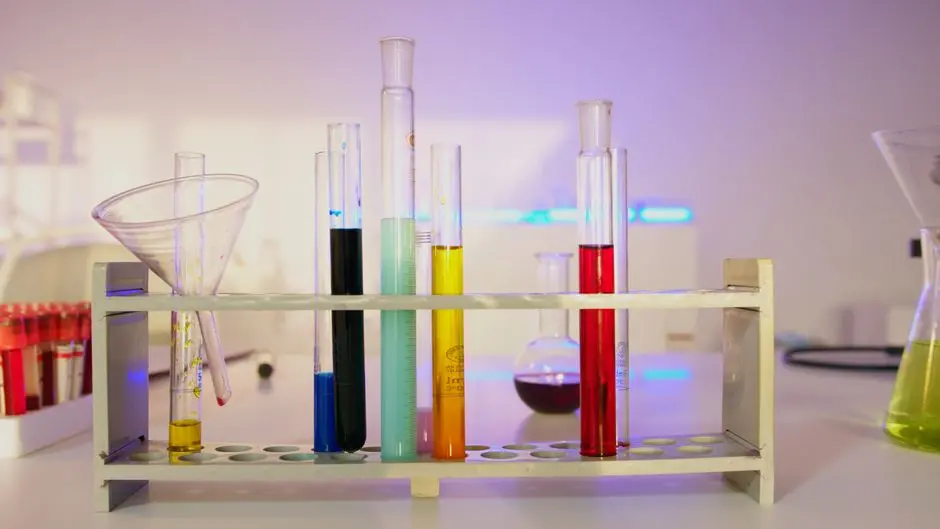
We embark on a journey into the heart of combinatorial chemistry, a discipline that has irrevocably transformed the landscape of new molecule discovery. Historically, chemists synthesized compounds one by one, a painstaking and time-consuming endeavor. Combinatorial chemistry shattered this paradigm, introducing methodologies to create immense collections of diverse molecules – known as libraries – in a fraction of the time. Our objective is clear: generate a vast array of structurally distinct compounds to explore chemical space efficiently, increasing the probability of identifying molecules with desired biological or material properties. This strategic shift leverages the power of parallel and multi-step synthesis, moving beyond linear production to a geometric expansion of molecular possibilities.
Central to this revolution are several key concepts we must master. First, the scaffold: this is the invariant core structure that provides the molecular framework. Think of it as the central nervous system of our new molecule. Second, building blocks: these are the variable chemical entities – typically amines, carboxylic acids, or aldehydes – that attach to the scaffold, introducing diversity. Each building block is a unique limb we append to our core. Third, diversity: the measure of structural variation within the library. Our goal is not just quantity, but quality of variation. Finally, library size: the total number of distinct compounds generated. A typical combinatorial library can range from hundreds to hundreds of thousands, or even millions, of unique compounds. We forge these libraries not by chance, but by design, ensuring each molecule contributes meaningfully to our exploration of potential therapeutic agents or functional materials.
Strategic Foundation: Scaffold Selection and Building Block Orchestration
The foundation of any successful combinatorial library lies in the astute selection of its scaffold and the judicious orchestration of its building blocks. We initiate this critical phase by identifying a scaffold that embodies several non-negotiable characteristics. First, it must possess good drug-likeness, adhering to established principles such as Lipinski’s Rule of Five (molecular weight < 500 Da, logP < 5, < 5 H-bond donors, < 10 H-bond acceptors). This maximizes the potential for oral bioavailability and membrane permeability. Second, the scaffold must offer synthetic accessibility, meaning it should be amenable to high-yielding, robust combinatorial reactions at multiple, distinct positions. Third, we scrutinize its biological relevance, often choosing scaffolds that mimic known pharmacophores or natural product motifs, or those with desirable pharmacokinetic profiles.
Once the scaffold is locked, we turn our attention to the building blocks, the true drivers of diversity. Our strategy demands a collection of building blocks that span a wide chemical space, offering a variety of functional groups (e.g., aromatics, aliphatics, heterocycles, chiral centers) and physicochemical properties (e.g., hydrophobicity, charge, steric bulk). We prioritize commercially available building blocks to ensure cost-effectiveness and scalability, but also integrate novel, synthetically challenging ones when specific chemical features are indispensable. A common best practice is to include a diverse set of at least 10-20 different building blocks for each attachment point on the scaffold. This systematic selection ensures that our library effectively probes a vast array of molecular interactions, maximizing the likelihood of discovering a high-affinity binder or a novel lead compound. We meticulously curate these components, transforming raw chemicals into potent tools for discovery.
Masterful Execution: Synthesizing Compound Libraries
Executing the synthesis of combinatorial compound libraries demands precision and strategic planning. We primarily employ two powerful methodologies: solid-phase synthesis (SPS) and solution-phase synthesis (SoPS). Solid-phase synthesis revolutionized combinatorial chemistry, allowing for the rapid construction of complex molecules on an insoluble polymeric support. Its primary advantage lies in simplified purification: reagents and byproducts are simply washed away, eliminating tedious chromatographic separations. The quintessential technique here is split-and-pool synthesis, where resin beads (each carrying a single compound) are mixed, split into multiple reaction vessels, reacted with different building blocks, and then pooled again. Repeating this cycle generates a vast library on individual beads, where each bead ideally contains a single, pure compound. For example, if we have a scaffold with three attachment points and we use 10 different building blocks for each position, a simple calculation (10 x 10 x 10) yields a library of 1,000 distinct compounds.
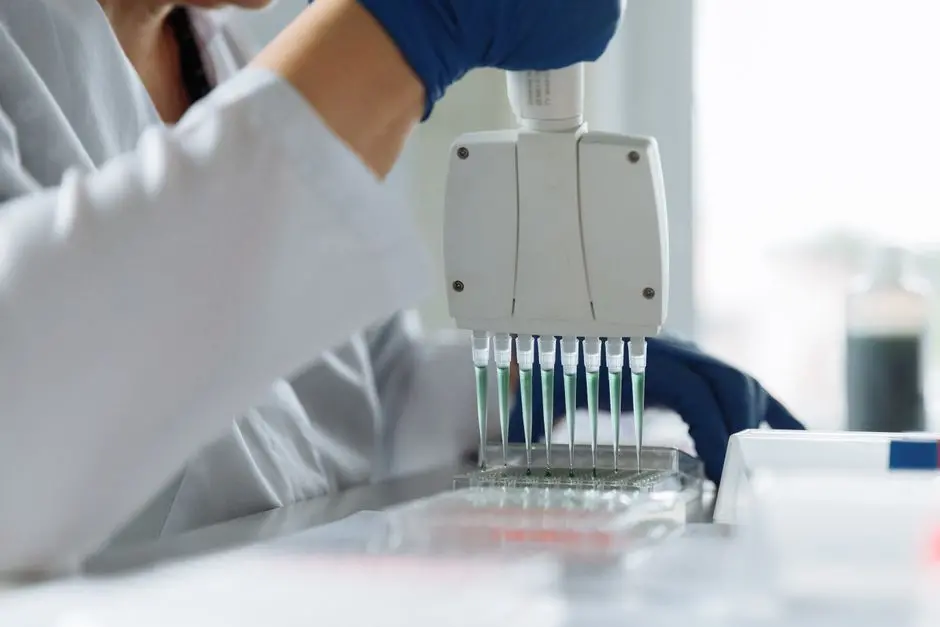
While SPS excels in purification, solution-phase synthesis offers greater reaction flexibility and is often favored for larger scale production or for compounds incompatible with solid supports. Here, we typically perform parallel syntheses, where each compound in the library is synthesized in a separate reaction vessel. Modern automation platforms enable thousands of reactions to run concurrently in multi-well plates, using robotics for precise reagent addition and workup. Although purification can be more complex in SoPS, advancements like fluorous-tagging or resin-bound scavengers simplify the process. Furthermore, we often integrate encoding technologies – molecular tags (e.g., DNA, peptides, or chemical barcodes) attached to the resin or directly to the compounds – to track the synthetic history of each molecule. This allows us to deconvolve the structures of active compounds identified from pooled libraries, eliminating guesswork and accelerating hit identification. We master these techniques to unleash unparalleled efficiency in molecular construction.
Validating the Vault: Characterization and Quality Control
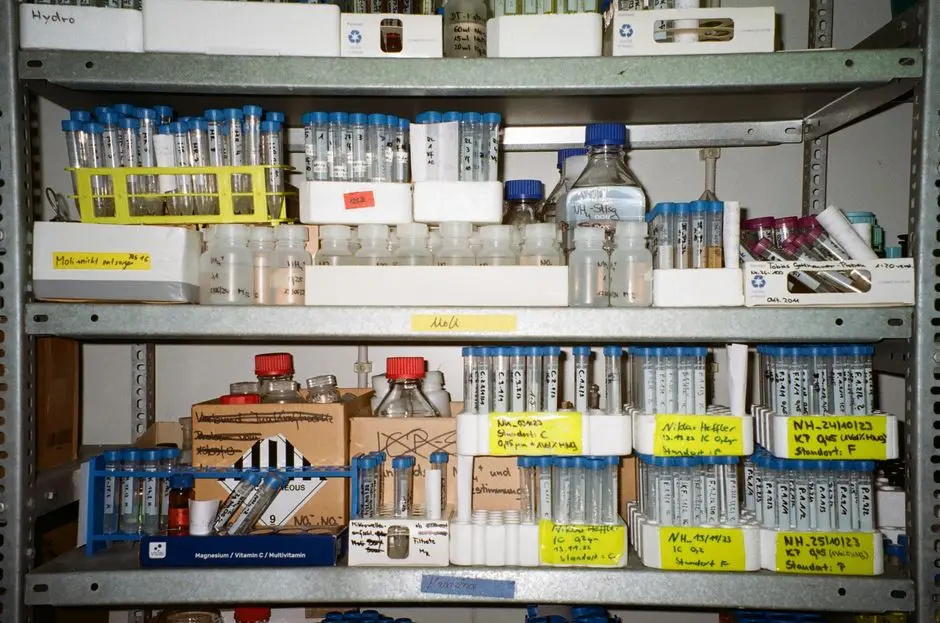
Constructing a vast library is only half the battle; validating its integrity and quality is paramount. We implement rigorous characterization and quality control (QC) protocols to ensure that our synthesized compounds are indeed what we intended. The first line of defense involves analytical techniques such as Mass Spectrometry (MS), which confirms the molecular weight of each compound, and Nuclear Magnetic Resonance (NMR) spectroscopy, which provides detailed structural information about atom connectivity and stereochemistry. High-Performance Liquid Chromatography (HPLC) coupled with MS (LC-MS) is indispensable for assessing compound purity, identifying impurities, and quantifying the concentration of each component within the library. We aim for >90% purity for most screening libraries, with higher thresholds for lead compounds.
Beyond individual compound analysis, we also perform diversity analysis across the entire library. This involves computational methods such as cheminformatics tools that calculate molecular descriptors, perform clustering, or visualize the chemical space occupied by the library. This analysis confirms that our building block choices indeed generated the desired range of structural variations and physicochemical properties, preventing redundancy and ensuring comprehensive coverage. A common pitfall we meticulously avoid is insufficient QC; a library riddled with incorrect structures or impurities leads to false positives and wasted resources in downstream biological screening. Our best practice dictates that a representative subset, if not the entirety, of the library undergo thorough analytical validation. We must confirm the identity, purity, and diversity of our molecular arsenal before it is deployed for biological assessment. This meticulous validation transforms a collection of molecules into a scientifically sound resource, ready to yield genuine discoveries.

Advanced Design & Future Frontiers: Sculpting the Next Generation Libraries
The landscape of combinatorial library design continues to evolve, pushing the boundaries of molecular exploration. We strategically differentiate between diverse libraries, designed for broad exploration of chemical space, and focused libraries, tailored to specific biological targets or pathways, often based on known active scaffolds or pharmacophores. Diverse libraries are ideal for initial screening campaigns with unknown targets, while focused libraries excel in lead optimization or target-specific drug discovery. A critical advancement driving future frontiers is the advent of DNA-Encoded Libraries (DELs). Here, each compound is covalently linked to a unique DNA barcode, allowing for the simultaneous synthesis, screening, and identification of billions of compounds in a single reaction vessel. This massively parallel approach offers unparalleled efficiency in hit discovery, dramatically expanding the searchable chemical space.
Furthermore, we leverage sophisticated computational design tools and artificial intelligence/machine learning (AI/ML) algorithms to guide library construction. These tools predict optimal scaffolds, prioritize building blocks based on desired properties, and even generate novel molecular structures de novo. Virtual screening, molecular docking, and QSAR models allow us to filter vast virtual libraries, synthesizing only the most promising candidates. This iterative feedback loop, where biological screening data informs subsequent library design, optimizes our discovery pipeline. For instance, AI algorithms can learn from previous screening results to suggest new building blocks or reaction conditions, accelerating the identification of potent and selective compounds. We embrace these cutting-edge strategies, relentlessly optimizing our approach to sculpt the next generation of molecular libraries, forging a path towards more rapid, intelligent, and successful new molecule discovery. We are not just synthesizing molecules; we are engineering discovery itself.
Key Takeaways
Shift to Parallel Discovery
Combinatorial chemistry fundamentally changed molecule discovery from laborious single-compound synthesis to rapid, parallel generation of vast molecular libraries. This significantly boosts the exploration of chemical space, increasing the probability of finding novel active compounds.
Strategic Design Core
Effective library design hinges on selecting a robust scaffold (core structure) that meets drug-likeness criteria and synthetic accessibility, combined with diverse building blocks (variable components) to ensure broad chemical space coverage. Adherence to rules like Lipinski's Rule of Five is critical.
Synthetic Methodologies
Two main methods prevail: Solid-Phase Synthesis (SPS), exemplified by 'split-and-pool' for easy purification and massive diversity on beads; and Solution-Phase Synthesis (SoPS), offering reaction flexibility and often used with automation for parallel arrays. Encoding technologies aid in tracking synthetic history.
Rigorous Quality Assurance
Post-synthesis, thorough characterization and quality control are essential. Techniques like Mass Spectrometry (MS) and NMR spectroscopy confirm structure and purity, while cheminformatics tools assess overall library diversity, preventing false positives and ensuring the scientific integrity of the molecular collection.
Future-Proofing Discovery
Advanced strategies include DNA-Encoded Libraries (DELs) for ultra-high throughput screening of billions of compounds, and the integration of Computational Design and AI/ML to predict optimal molecules and guide iterative library construction, accelerating lead identification and optimization.
FAQ
-
What is the primary advantage of combinatorial chemistry over traditional synthesis?
The primary advantage lies in efficiency and throughput. Combinatorial chemistry allows us to generate a vast number of diverse compounds in a fraction of the time and effort required for traditional one-by-one synthesis. This parallel approach dramatically increases the probability of discovering novel molecules with desired properties, accelerating drug discovery and material science research.
-
How do scientists ensure diversity within a combinatorial library?
We ensure diversity through strategic choices in scaffold design and, critically, the selection of building blocks. We use a wide range of chemically distinct building blocks (e.g., varying functional groups, steric bulk, hydrophobicity) at each attachment point on the scaffold. Computational tools are also employed to analyze and confirm that the selected components lead to broad coverage of chemical space, avoiding redundant structures.
-
What are DNA-Encoded Libraries (DELs) and why are they important?
DNA-Encoded Libraries (DELs) represent an advanced combinatorial approach where each compound is uniquely tagged with a DNA barcode. This allows for the simultaneous synthesis, screening, and identification of billions of molecules in a single reaction vessel. DELs are important because they enable the exploration of unprecedented chemical space with extreme efficiency, dramatically accelerating the hit identification phase of drug discovery by orders of magnitude compared to conventional screening methods.