
> New Molecule Discovery > Combinatorial Chemistry Methods > Unleashing Solid Phase Synthesis in Drug Development
Unleashing Solid Phase Synthesis in Drug Development
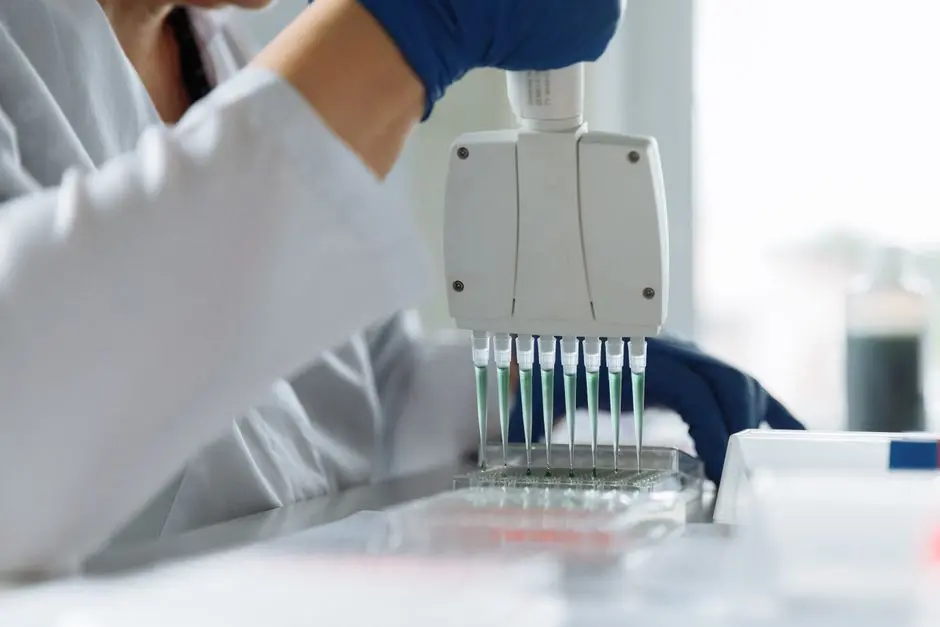
Discovering new molecules is the driving force behind pharmaceutical innovation, a complex and demanding process that requires chemical tools of surgical precision and formidable efficiency. At the heart of this quest lies Solid-Phase Synthesis (SPS), a revolutionary methodology that has redefined the boundaries of drug development. This approach radically transforms our ability to construct complex molecules, opening unprecedented horizons for the creation of life-saving therapies. We will explore how SPS, by anchoring reactants to an insoluble support, drastically simplifies purification and enables rapid iterative reaction cycles, thereby accelerating drug discovery at an unprecedented speed.
This detailed decryption will immerse you in the practical applications of SPS, from generating massive combinatorial libraries to synthesizing peptides, peptidomimetics, and complex small molecules essential for fighting diseases. We will forge an understanding of the strategic advantages of this technique, the pitfalls to avoid, and best practices for optimizing its deployment. Prepare to unlock the immense potential of SPS, an essential pillar among crucial innovative chemical strategies for generating novel molecular libraries, and to master a methodology that continues to shape the future of medicine. We offer you the keys to catalyze your own advancements, ensuring that every synthesis effort is a decisive step towards the next generation of drugs.
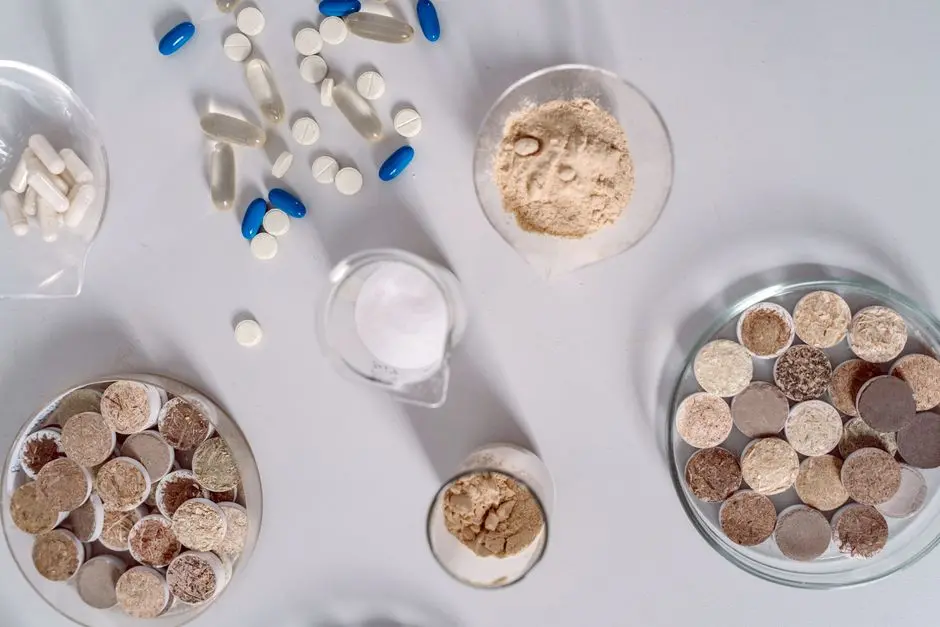
The Foundations of Solid-Phase Synthesis in Pharmacology
Solid-phase synthesis (SPS) is far more than a mere laboratory technique; it is a paradigm that has fundamentally transformed medicinal chemistry. Its principle is one of strategic elegance: immobilizing the starting reactant onto a solid polymeric support, typically a resin, and carrying out all reaction steps on this support. This concept, introduced by R. Bruce Merrifield in 1963 for peptide synthesis, was honored with a Nobel Prize and paved the way for a revolution.
The primary advantage of this method lies in its ease of purification. After each reaction step, excess reagents and soluble byproducts are simply removed by filtration and washing, leaving the growing molecule purified on the resin. This contrasts sharply with traditional liquid-phase synthesis, which requires time-consuming and often costly purification steps (chromatography, crystallization) after each new bond formed. In SPS, we trigger a series of iterative reactions, often automatable, which maximizes efficiency.
We need to understand the key components of a successful SPS system:
- The solid support (resin): It must be chemically stable, swell appropriately in reaction solvents, and offer reactive binding sites. Cross-linked polystyrene resins are common, but more sophisticated supports exist for specific applications.
- The linker: This is the chemical connection between the growing molecule and the solid support. Its stability and ability to be selectively cleaved at the end of the synthesis are critical. A good linker ensures efficient release of the final product without altering its structure.
- Protected reagents: For controlled synthesis, reactive functional groups that are not participating in the current step must be temporarily protected, then selectively deprotected.
By mastering these foundations, we lay the groundwork for optimal exploitation of SPS in the development of therapeutic molecules.
Accelerating Combinatorial Library Generation
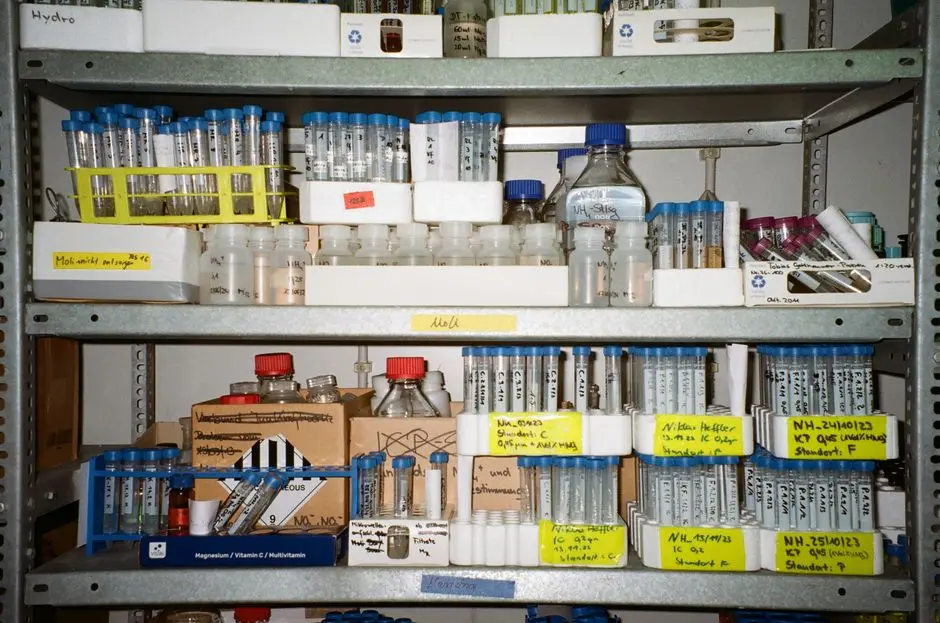
One of solid-phase synthesis's most impactful contributions to drug development is its unparalleled ability to rapidly generate vast and diverse combinatorial libraries. These libraries, collections of chemically related yet structurally varied compounds, are invaluable tools for hit discovery and lead optimization in pharmacology. We leverage SPS to construct these libraries in two primary ways:
- Parallel Synthesis: We employ individual reactors (multi-well plates, reaction syringes) where each well contains a solid support upon which a reaction sequence is performed. This enables the generation of hundreds, if not thousands, of distinct compounds in parallel, each within its own compartment, facilitating their subsequent characterization.
- 'Split-and-Pool' Method: This strategy is particularly powerful for generating extremely large libraries with minimal effort. Following a coupling step, the resin is divided into multiple portions. Each portion is then treated with a different reagent. Afterward, all portions are combined and mixed ('pooled'), and then re-divided for the next step. This exponential process allows us to create immense molecular diversity. For instance, with 3 steps and 10 different reagents at each step, we can potentially generate 10 x 10 x 10 = 1000 compounds from a single starting reactor, with each resin bead bearing a single chemical entity.
- Speed: Simplified purification significantly accelerates the synthesis cycle.
- Diversity: We can explore a much broader chemical space than with traditional synthesis.
- Automation: The sequential and repetitive nature of SPS lends itself ideally to automation, reducing human error and increasing throughput.
From Peptides to Small Complex Molecules: Broadening the Horizon
Initially a revolution for peptide synthesis, the scope of SPS has considerably expanded. We have collectively pushed the boundaries to apply it to an ever-wider range of molecules of pharmaceutical interest, including peptidomimetics, oligonucleotides, oligosaccharides, and especially, complex small organic molecules.
Adapting SPS to these more complex structures has not been without its challenges, but innovations in linker and support chemistry have been decisive. We have developed photocleavable, chemically labile (acidic, basic, fluoride), and enzymatically cleavable linkers, offering crucial flexibility for the release of final products without degradation. The polymer supports themselves have evolved, with functionalized resins and architectures that minimize diffusion and swelling issues.
The broadening of SPS application to small molecules is particularly impactful for drug development. These molecules, often more bioavailable and easier to administer than peptides, are the cornerstone of many drugs. We are forging multi-step synthesis strategies on resin to assemble complex scaffolds, involving carbon-carbon coupling reactions (Suzuki, Heck), cyclizations, heterocyclization reactions, and many others. The key is to find reaction conditions that work effectively on the resin without damaging the support or other functional groups.
A striking example is the synthesis of DNA-encoded libraries (DELs), where SPS plays a central role. Millions, even billions of small molecules are synthesized on DNA fragments, creating a massive library for screening. Each molecule carries its own DNA barcode, allowing for rapid identification after screening. This unlocks unprecedented discovery power.
By mastering these developments, we are paving the way for the construction of molecules with complex architectures, essential for targeting diseases with increased specificity and efficacy.
Advanced Applications and Emerging Trends
Solid-phase synthesis continues to evolve, generating cutting-edge applications that redefine drug discovery strategies. We are now focused on integrating SPS into complex workflows, thereby maximizing its potential.
A major application lies in Fragment-Based Drug Discovery (FBDD). In SPS, we build diverse fragment libraries, often simple small molecules with varied functional groups. These fragments, once identified for their low affinity but specific binding to a target, are then optimized and 'grown' on resin, step-by-step, to increase their affinity and selectivity. This approach is remarkably effective for drug discovery as it starts from well-characterized launch points.
Automation is another dominant trend. Fully automated solid-phase synthesizers allow us to perform high-throughput syntheses with exceptional precision and reproducibility. These systems manage reagent dispensing, washes, incubations, and cleavages, freeing up chemists for more complex design and analysis tasks. We are optimizing workflows by integrating SPS directly with high-throughput screening platforms, creating a nearly continuous 'synthesize-screen' discovery cycle.
We are also observing the emergence of continuous flow solid-supported chemistry. Instead of batch reactions, reagents and solvents are pumped through columns packed with resin. This approach offers enhanced control over reaction conditions (temperature, pressure), better heat dissipation for exothermic reactions, and simplified scale-up capability for producing larger quantities. It also allows operation under conditions that would be difficult to manage in batch mode.
These advancements are propelling us towards an era where drug discovery is faster, more efficient, and more cost-effective, by capitalizing on the ingenuity of SPS.

Optimization and Best Practices for Pharmaceutical Development SPS
To fully leverage the potential of solid-phase synthesis, we must expertly navigate its inherent challenges and embrace rigorous best practices. Our aim is maximal optimization, minimizing common pitfalls that can compromise synthetic success.
Common Pitfalls to Avoid:
- Incomplete Reactions: On-resin, reaction kinetics can be slower due to steric accessibility of reactive sites and diffusion limitations. Insufficient reaction time or reagent excess can lead to truncated products. We must optimize reaction conditions (temperature, solvent, concentration) and duration.
- Insufficient Resin Swelling: A resin that does not swell adequately in the chosen solvent limits access to reactive sites and reduces reaction efficiency. We must select solvents compatible with the resin and reaction chemistry.
- Incomplete or Undesired Linker Cleavage: An improperly chosen linker or unsuitable cleavage conditions can either leave part of the product on the resin or degrade the final product. Linker selection should be an early strategic decision.
- Final Product Purity Issues: While on-resin purification is simplified, an accumulation of impurities due to uncontrolled side reactions or inadequate washing can affect the purity of the released product.
Best Practices for Optimal Success:
- Rigorous Characterization: Although challenging in situ, we can employ techniques like on-resin IR spectroscopy or colorimetric tests (e.g., Kaiser test for amines) to monitor reaction progress. For the final product, characterization by NMR, MS, and HPLC is essential.
- Strategic Linker and Resin Selection: Tailor the linker to the final product structure and cleavage conditions. The resin must be compatible with the envisioned chemistry.
- Optimization of Reaction Conditions: Each new on-resin reaction requires meticulous optimization of reagents, solvents, temperature, and time.
- Automation and Robotics: For combinatorial libraries, automation minimizes variability and maximizes throughput. We must invest in robust platforms.
- Green Chemistry: Integrate less toxic solvents and strategies to minimize waste.
By adopting this proactive and surgical approach, we transform Solid-Phase Synthesis (SPS) challenges into opportunities, ensuring the development of high-quality medicines.
Key Takeaways
Fundamental Principles of SPS
Solid-phase synthesis immobilizes reactants on an insoluble support, allowing for simplified purification and iterative reactions. Initiated by Merrifield for peptides, it revolutionized medicinal chemistry through the easy removal of byproducts by washing and filtration.
Combinatorial Library Generation
SPS is unparalleled for creating vast combinatorial libraries via parallel synthesis or the 'Split-and-Pool' method. These strategies accelerate hit identification and lead optimization by enabling rapid exploration of molecular diversity.
Extension to Complex Molecules
Beyond peptides, SPS now applies to peptidomimetics, oligonucleotides, and complex small organic molecules. Innovations in linker and support chemistry have enabled the assembly of sophisticated scaffolds, particularly for DNA-Encoded Libraries (DELs).
Advanced Applications and Trends
Modern applications include fragment-based drug discovery (FBDD), high-throughput automation for integrated 'synthesize-screen' cycles, and solid-phase continuous flow chemistry, offering enhanced control and easier scalability.
Optimization and Best Practices
Maximizing SPS requires overcoming challenges such as incomplete reactions or linker issues. Best practices include rigorous characterization, strategic linker/resin selection, optimization of reaction conditions, and the adoption of automation to ensure purity and yield.
FAQ
-
Why is solid-phase synthesis preferred for drug discovery over liquid-phase synthesis?
The SPS offers key advantages: simplified purification, as resin-bound products are easily separated from soluble reagents and byproducts by simple filtration and washing. This considerably speeds up the process. It also allows for the rapid generation of large combinatorial libraries, essential for high-throughput screening. Finally, it is highly automatable, increasing the efficiency and reproducibility of complex syntheses. -
What are the main challenges encountered when applying SPS to the synthesis of complex small molecules?
Major challenges include the accessibility of reactive sites on the resin, which can limit reaction efficiency, and in situ reaction monitoring, which is more complex than for liquid-phase synthesis. There is also the risk of incomplete reactions or undesired cleavage of the linker, which can affect the purity and yield of the final product. Optimizing each step on the resin is often more demanding. -
How does the 'Split-and-Pool' method contribute to the generation of massive combinatorial libraries?
The 'Split-and-Pool' method is an exponential strategy. We start with a resin that is divided into multiple portions. Each portion is subjected to a different reagent for a coupling step. Then, all portions are pooled and mixed together. This mixture is again divided for the next step, and the process is repeated. This approach allows for the creation of immense molecular diversity on the resin beads, where each bead theoretically carries a unique compound, maximizing library size with minimal physical manipulations. -
What are the recent advancements by the SPS to improve its efficiency in pharmacology?
Significant advances include the development of robust solid supports and innovative linkers offering improved reactivity and selectivity. The extensive automation of solid-phase synthesizers has considerably increased throughput and reproducibility. Integration with techniques such as Fragment-Based Drug Discovery (FBDD) and DNA-Encoded Libraries (DELs) has opened up new discovery avenues. Finally, the exploration of solid-phase flow chemistry promises better reaction control and easier scale-up.