
> Basic Biology Concepts > Introduction to Biological Information Systems > Decoding Genetic Inheritance: DNA's Intergenerational Journey
Decoding Genetic Inheritance: DNA's Intergenerational Journey
We stand at the precipice of understanding life's most fundamental miracle: the faithful transmission of traits from parent to offspring. This intricate dance of heredity underpins all biological diversity and evolution, a testament to nature's unparalleled engineering. Comprehending how genetic information passes from one generation to another is not merely an academic exercise; it is the cornerstone of deciphering disease, predicting lineage, and even sculpting the future of life itself.
In this authoritative guide, we embark on a surgical exploration of the mechanisms that govern this vital process. We will dissect the molecular machinery, cellular divisions, and probabilistic principles that ensure the continuity of life's genetic blueprint. Unraveling the journey of genetic information reveals the profound elegance of
biological information flow from DNA to function, illuminating how the very code of life persists, adapts, and drives the relentless march of evolution.
Prepare to forge a deep understanding of inheritance, transforming complex biological processes into clear, actionable insights for anyone seeking to master the foundational concepts of biology.
The Molecular Blueprint: DNA, Genes, and Chromosomes
At the core of genetic inheritance lies deoxyribonucleic acid, or DNA, the masterful molecular blueprint for all known life. DNA is not just a molecule; it is a meticulously organized information storage system. Envision a ladder twisted into a double helix, each rung comprising a pair of nitrogenous bases – adenine (A) always pairing with thymine (T), and guanine (G) with cytosine (C). This specific pairing is paramount, forming the robust code that dictates biological instructions.
Within this vast genetic landscape, specific segments of DNA are designated as genes. Each gene carries the precise instructions for building a particular protein or a functional RNA molecule, which in turn orchestrates nearly every cellular process, from metabolism to structural integrity. We must understand that genes are the functional units of heredity, the distinct recipes passed down. The human genome, for instance, contains approximately 20,000 to 25,000 protein-coding genes.
To manage this immense volume of information, DNA is meticulously packaged into structures called chromosomes. In eukaryotic cells, DNA wraps around proteins called histones, forming nucleosomes, which then coil further into compact chromatin fibers that condense into visible chromosomes during cell division. Humans possess 23 pairs of chromosomes – 22 pairs of autosomes and one pair of sex chromosomes (XX for females, XY for males) – totaling 46 chromosomes in almost every somatic cell. This organized packaging ensures that the genetic material is protected, accurately replicated, and precisely distributed to daughter cells. Grasping this foundational structure is the first critical step to understanding how information is transmitted across generations, as these chromosomes are the actual vehicles of inheritance.
Cellular Architects of Inheritance: Mitosis and Meiosis
The precise transfer of genetic information hinges on two fundamental processes of cell division: mitosis and meiosis. Each serves a distinct, vital role in the perpetuation and diversity of life.
Mitosis is the mechanism by which somatic (non-reproductive) cells divide. Its primary objective is to produce two genetically identical daughter cells from a single parent cell. This process ensures growth, tissue repair, and the replacement of old cells, maintaining the organism's genetic integrity throughout its lifespan. During mitosis, a diploid parent cell (containing two sets of chromosomes) undergoes one round of DNA replication followed by one round of nuclear division, resulting in two diploid daughter cells. We observe how each chromosome duplicates into two sister chromatids, which are then meticulously separated, ensuring that each new cell receives a complete and identical set of 46 chromosomes in humans. Errors during mitosis, though rare, can lead to conditions like cancer, underscoring the process's critical accuracy.
In stark contrast, meiosis is the specialized cell division that occurs in germ line cells to produce gametes (sperm and egg cells) for sexual reproduction. This process is characterized by one round of DNA replication followed by two distinct rounds of nuclear division, Meiosis I and Meiosis II. The crucial outcome is the production of four genetically distinct haploid cells, each containing only one set of chromosomes (23 in humans). The reduction of the chromosome number by half is essential; it ensures that when two gametes fuse during fertilization, the resulting zygote will restore the species-specific diploid number of chromosomes. Moreover, meiosis introduces vital genetic diversity through processes like crossing over (exchange of genetic material between homologous chromosomes) and independent assortment (random alignment of homologous chromosomes), guaranteeing that no two gametes are identical. This genetic reshuffling is the engine of evolution, providing the raw material for adaptation and natural selection. Mastering these two processes unlocks the blueprint of life's continuity and variation.
The Union of Heredity: Gamete Formation and Fertilization
The creation of new life, and thus the transfer of genetic information, culminates in the precise processes of gamete formation and subsequent fertilization. These are the critical junctures where parental genetic material is prepared and then combined to forge a new individual.
Gamete formation, known as gametogenesis, is gender-specific. In males, this process is called spermatogenesis, occurring continuously in the testes from puberty onwards. A diploid spermatogonium undergoes meiosis to produce four functional, haploid sperm cells. Each sperm is a highly specialized cell, optimized for motility and carrying its precious payload of 23 chromosomes. In females, oogenesis occurs in the ovaries. This process is more complex and discontinuous; a diploid oogonium undergoes meiosis to produce typically only one functional, haploid egg cell (ovum) and several smaller polar bodies. Female gametes are significantly larger, packed with cellular machinery and nutrients to support early embryonic development. Crucially, both sperm and egg are haploid, meaning they each contain precisely half the genetic material of a somatic cell, a direct result of meiosis.
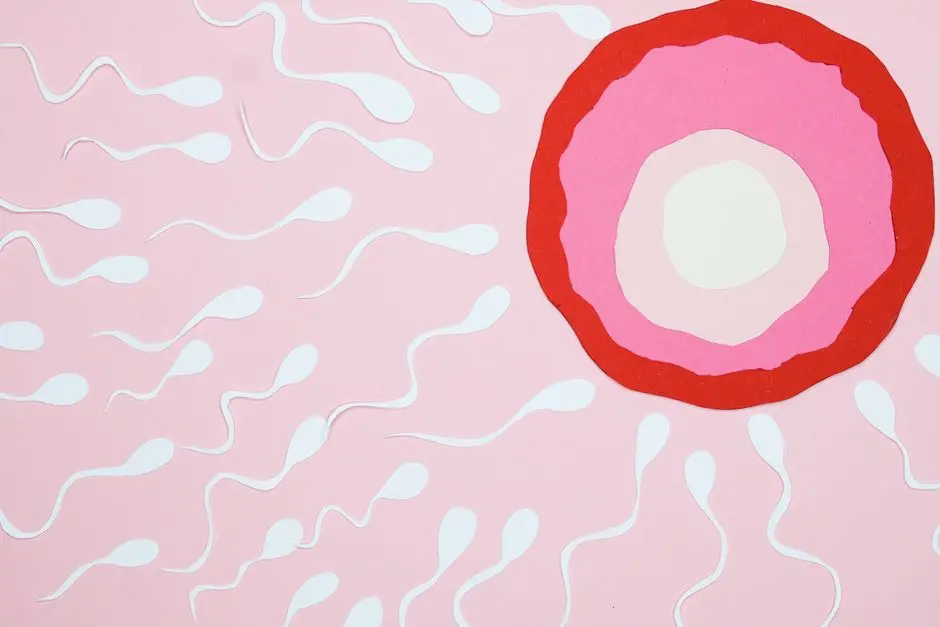
Fertilization is the momentous event where a sperm cell successfully fuses with an egg cell. This union re-establishes the diploid chromosome number, forming a single-celled zygote. The zygote now contains a complete set of 46 chromosomes – 23 from the mother via the egg and 23 from the father via the sperm. This precise fusion ensures that the offspring inherits a balanced genetic complement from both parents. The genetic identity of the new individual is fixed at this precise moment. From this zygote, through countless rounds of mitotic cell division and differentiation, a multicellular organism will develop, carrying a unique combination of its parents' genetic information. Understanding this critical fusion reveals the elegant mechanism by which inherited traits are passed down and how new genetic combinations are forged with each successive generation.
Inheritance Patterns: Mendelian Principles and Beyond
While the physical mechanisms of DNA transmission are foundational, understanding how specific traits manifest in offspring requires delving into the patterns of inheritance. The pioneering work of Gregor Mendel in the 19th century laid the groundwork for modern genetics, establishing principles that remain profoundly relevant.
Mendel's Laws provide a critical framework:
- Law of Segregation: For any given trait, an individual inherits two copies of a gene (alleles), one from each parent. During gamete formation, these two alleles segregate (separate) such that each gamete receives only one allele.
- Law of Independent Assortment: Alleles for different traits (genes on different chromosomes) assort independently of one another during gamete formation. This means the inheritance of one trait does not influence the inheritance of another, contributing significantly to genetic diversity.
These laws explain dominant and recessive inheritance, where a dominant allele's trait will be expressed if present, while a recessive allele's trait will only be expressed if two copies of the recessive allele are inherited. We use terms like genotype (the genetic makeup) and phenotype (the observable physical expression) to describe these relationships. For example, a person with one dominant allele for brown eyes and one recessive allele for blue eyes will have brown eyes (phenotype), but carries both alleles (genotype).
Beyond simple Mendelian inheritance, the genetic landscape becomes more intricate. We encounter incomplete dominance (where heterozygotes exhibit an intermediate phenotype, like pink flowers from red and white parents), codominance (where both alleles are expressed equally, such as in AB blood type), and polygenic inheritance (where multiple genes contribute to a single trait, like height or skin color). Furthermore, epigenetics reveals that environmental factors can influence gene expression without altering the underlying DNA sequence itself, adding another layer of complexity to how traits are expressed across generations. These advanced concepts highlight that while DNA is the blueprint, its expression is a dynamic interplay of multiple factors, ensuring both fidelity and adaptability in the grand scheme of genetic inheritance.
Key Takeaways
Genetic Information Transfer: Key Principles
DNA as the Blueprint: Genetic information resides in DNA, organized into genes on chromosomes. These are the fundamental units passed from parent to offspring.
Cell Division for Continuity: Mitosis ensures identical genetic copies for growth and repair, maintaining the genetic integrity of an individual. Meiosis creates genetically diverse haploid gametes (sperm and egg), essential for sexual reproduction and contributing to evolutionary variation.
Gamete Union: Fertilization is the critical fusion of haploid sperm and egg, restoring the diploid chromosome number in a zygote and establishing the new individual's unique genetic makeup.
Inheritance Patterns: Mendelian laws (segregation, independent assortment) explain basic dominant/recessive trait transmission. More complex patterns like incomplete dominance, codominance, and polygenic inheritance, alongside epigenetic modifications, illustrate the intricate expression of traits across generations.
FAQ
-
What is the primary difference between mitosis and meiosis in genetic inheritance?
The primary difference lies in their purpose and outcome. Mitosis produces two genetically identical diploid somatic cells, ensuring growth and repair. It maintains the existing genetic information. Meiosis, conversely, produces four genetically unique haploid gametes. Its role is to enable sexual reproduction by reducing chromosome number by half and introducing genetic variation, which is crucial for evolution and adaptation across generations.