
> Basic Biology Concepts > Introduction to Biological Information Systems > Unraveling DNA's Legacy: Inheritance Mechanisms Explored
Unraveling DNA's Legacy: Inheritance Mechanisms Explored
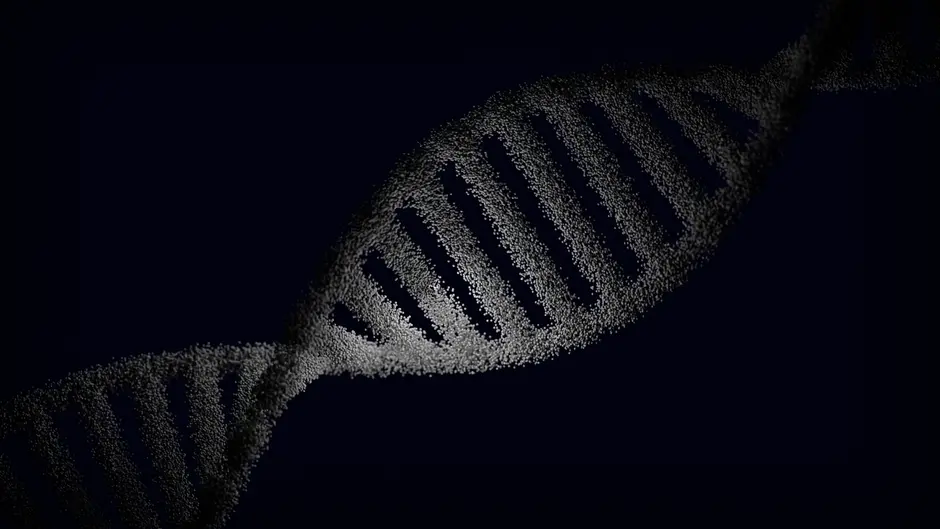
Unlock the profound secrets of life's most fundamental process: DNA inheritance. Every living cell, every organism, every generation owes its existence and characteristics to the precise, yet adaptable, transfer of genetic material. We embark on a journey to demystify the intricate molecular dance that ensures continuity while simultaneously forging the raw material for evolution.
Understanding what happens during DNA inheritance isn't merely an academic exercise; it's the bedrock of genetics, medicine, and our comprehension of life itself. From the flawless duplication of our genetic blueprint to the strategic segregation of chromosomes, and the ingenious mechanisms that introduce essential variation, we will dissect each critical phase. Prepare to gain an insider's perspective on how genetic information flows, ensuring the incredible diversity and resilience of life. This deep dive will illuminate the precision and complexity governing the flow of biological information from DNA to function, arming you with a foundational understanding that transcends mere definitions.
Forge a mastery of this essential biological process. We will reveal the strategic imperatives behind DNA replication, cellular division, and the generation of genetic diversity, ultimately safeguarding the genetic legacy that defines every species on Earth.
The Blueprint Duplication: Mastering DNA Replication's Precision
At the core of DNA inheritance lies DNA replication, an astonishingly precise process that doubles the cell's genetic material. This is not a simple split and copy; it is a molecular ballet orchestrated by a suite of specialized enzymes ensuring each new cell receives a complete and accurate set of instructions. We champion the semi-conservative model: each new DNA molecule consists of one original strand and one newly synthesized strand, a strategic design that preserves genetic information.
The process kicks off with DNA helicase, an enzyme that unwinds the double helix, breaking hydrogen bonds between base pairs and creating replication forks. This exposes the template strands. Next, primase synthesizes short RNA primers, providing the necessary starting point for DNA synthesis. This is crucial because DNA polymerase, the primary enzyme responsible for elongation, can only add nucleotides to an existing strand.
DNA polymerase then commences synthesizing new DNA. On the leading strand, synthesis occurs continuously in the 5' to 3' direction, following the unwinding fork. The lagging strand, however, presents a challenge due to its opposite orientation. Here, synthesis proceeds discontinuously in short segments known as Okazaki fragments, each requiring its own primer. After DNA polymerase fills in the gaps by replacing RNA primers with DNA, DNA ligase steps in to seal the nicks, creating continuous strands.
The fidelity of this process is paramount. DNA polymerase exhibits remarkable proofreading capabilities, with a 3' to 5' exonuclease activity that corrects errors during synthesis, ensuring an accuracy rate of approximately one error per 10^7 nucleotides. This intrinsic error-correction mechanism drastically minimizes mutations. We recognize that underestimating the sheer complexity and the energy investment required for such precise, high-speed replication is a common pitfall. This molecular machinery operates with a coordination that ensures the genetic blueprint is faithfully reproduced, laying the groundwork for all subsequent inheritance.
Orchestrating Cellular Division: The Strategic Segregation of Genetic Material
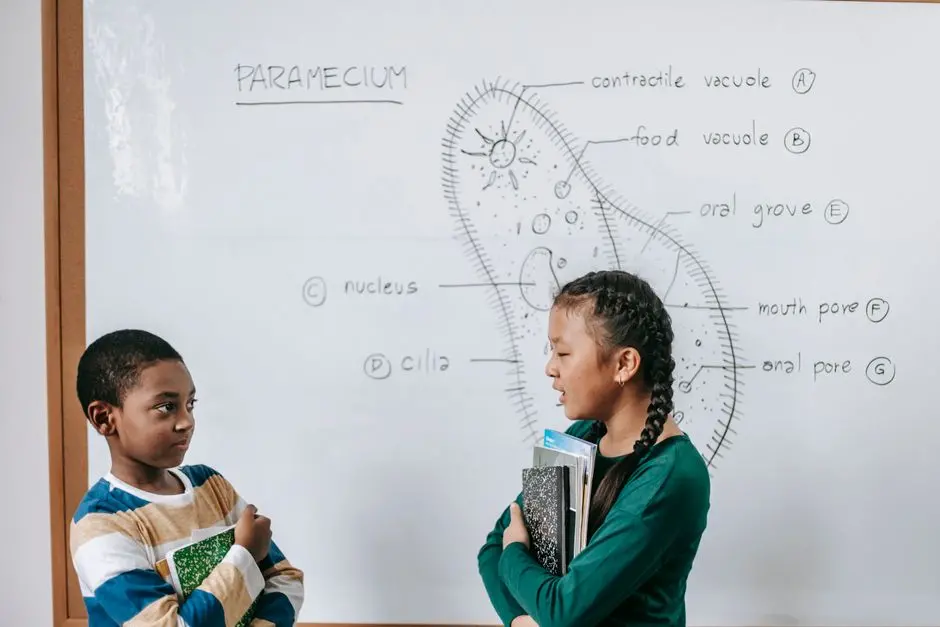
Once DNA replication is complete, the replicated genetic material must be strategically divided between daughter cells. This critical phase of inheritance is managed through two primary modes of cell division: mitosis and meiosis, each with distinct biological objectives.
Mitosis governs somatic cell inheritance, driving growth, tissue repair, and asexual reproduction. Its strategic imperative is to produce two genetically identical diploid daughter cells from a single parent cell. The process unfolds through distinct stages: During Prophase, chromosomes condense and become visible. In Metaphase, they align precisely along the metaphase plate, ensuring equitable distribution. Anaphase witnesses the crucial separation of sister chromatids, which are then pulled to opposite poles by the spindle fibers. Finally, Telophase and Cytokinesis conclude the process, forming two new nuclei and dividing the cytoplasm. This unwavering precision guarantees genetic continuity, fundamental for multicellular organism development and maintenance.
In contrast, Meiosis orchestrates germline inheritance, forming gametes (sperm and egg cells) for sexual reproduction. Its strategic goals are twofold: to halve the chromosome number and to introduce genetic variation. Meiosis consists of two successive divisions. Meiosis I is the reductional division, where homologous chromosomes pair, undergo crossing over, and then separate, resulting in two haploid cells with duplicated chromatids. This critical step halves the chromosome number. Meiosis II is an equational division, similar to mitosis, where sister chromatids separate, yielding four genetically unique haploid daughter cells. This process is indispensable for maintaining a constant chromosome number across generations in sexually reproducing species and for generating the diversity that fuels evolution.
The accurate segregation of chromosomes relies heavily on their intricate architecture, including centromeres, which serve as attachment points for spindle fibers, and telomeres, protective caps at chromosome ends. Understanding the distinct outcomes and biological roles of mitosis versus meiosis is a fundamental practice for comprehending how genetic information is precisely and diversely passed on.
Unleashing Genetic Diversity: Recombination, Assortment, and Mutation
While DNA replication and cell division ensure the continuity of genetic information, mechanisms for generating genetic diversity are equally vital for the long-term survival and adaptability of species. We identify three primary engines that unleash this indispensable variation: crossing over, independent assortment, and mutation.
Crossing over, also known as genetic recombination, is a pivotal event that occurs during prophase I of meiosis. Here, homologous chromosomes pair up (synapsis), and segments of non-sister chromatids physically exchange genetic material. This exchange occurs at specific points called chiasmata. The strategic outcome is the creation of recombinant chromosomes, featuring novel combinations of alleles from both parental chromosomes. This process dramatically increases the number of unique gametes an individual can produce, far beyond what segregation alone could achieve.
Independent assortment of chromosomes is another crucial mechanism for generating variation, active during metaphase I of meiosis. During this stage, homologous chromosome pairs align randomly at the metaphase plate. The orientation of one pair is entirely independent of the orientation of any other pair. Consequently, the segregation of alleles for one gene located on one chromosome pair is independent of the segregation of alleles for another gene located on a different chromosome pair. The number of possible unique chromosome combinations in gametes can be calculated as 2^n, where 'n' is the number of homologous chromosome pairs. For humans (n=23), this translates to over 8 million possible combinations, showcasing the immense combinatorial power of this mechanism.
Finally, mutation stands as the ultimate source of all new genetic variation. A mutation is any heritable change in the DNA sequence. These can range from single nucleotide substitutions (point mutations) to larger insertions, deletions, or rearrangements of genetic material (frameshift mutations). Mutations arise spontaneously due to errors during DNA replication or repair, or can be induced by environmental mutagens like radiation or certain chemicals. While often viewed negatively, mutations are the raw material upon which natural selection acts, driving evolutionary change and providing the genetic diversity necessary for species to adapt to changing environments. We recognize that these three mechanisms are not flaws in the system, but rather ingenious evolutionary engines that continually reshuffle and refine the genetic deck.
Securing the Genetic Legacy: DNA Repair, Consequences of Errors, and Epigenetic Dimensions
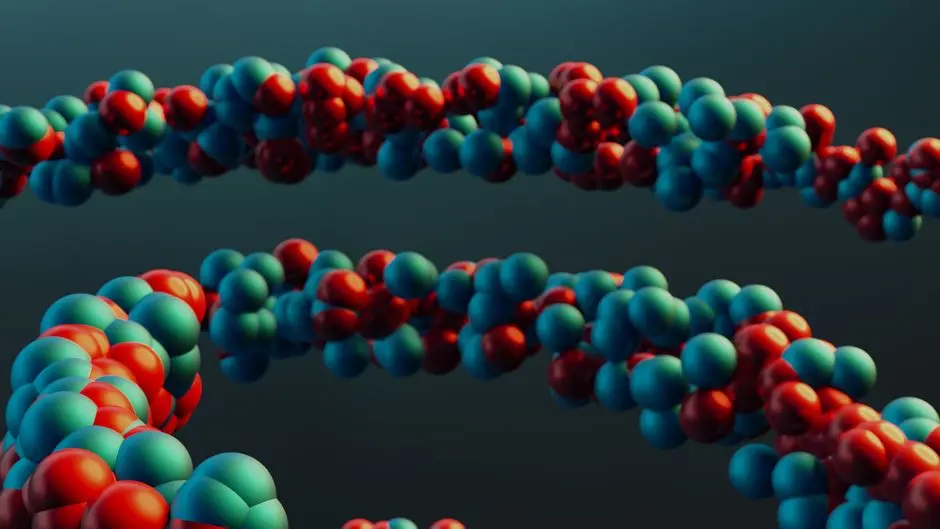
The integrity of the inherited genetic legacy is paramount, and living systems have evolved sophisticated mechanisms to safeguard it. However, errors are inevitable, and their consequences can be profound. We must therefore explore the systems designed to correct these errors and the impact when they fail, alongside more nuanced layers of inheritance like epigenetics.
Despite the high fidelity of DNA replication, errors do occur, and DNA is constantly exposed to damaging agents. Thus, a battery of DNA repair mechanisms tirelessly monitors and corrects DNA damage. Systems like mismatch repair correct replication errors that escape proofreading. Nucleotide excision repair excises and replaces bulky lesions caused by UV radiation or chemical mutagens. Base excision repair targets damaged or modified bases. Direct repair mechanisms reverse specific types of damage without excising nucleotides. These robust systems collectively reduce the mutation rate by several orders of magnitude, underscoring their critical role in maintaining genomic stability across generations.
When these repair mechanisms falter, the consequences of errors in inheritance can be severe. Somatic mutations, occurring in body cells, can accumulate over time and contribute to diseases such as cancer, as uncontrolled cell growth results from alterations in genes regulating the cell cycle. Germline mutations, occurring in reproductive cells, are heritable and can lead to genetic disorders like cystic fibrosis or Huntington's disease, passed from parent to offspring. Furthermore, errors in chromosome segregation during meiosis can result in chromosomal abnormalities such as aneuploidy (e.g., Down syndrome due to trisomy 21), leading to developmental disorders.
Beyond the direct sequence, a critical advanced dimension of inheritance is epigenetics. Epigenetic inheritance refers to heritable changes in gene expression that occur without altering the underlying DNA sequence. Key mechanisms include DNA methylation, where methyl groups are added to cytosine bases, often silencing gene expression, and histone modifications, which alter the structure of chromatin, making genes more or less accessible for transcription. These epigenetic marks can be influenced by environmental factors and can be passed down through cell divisions and, in some cases, across generations. This adds another powerful layer to inheritance, influencing traits and disease susceptibility, demonstrating that what is inherited is not just the blueprint, but also the instructions for how that blueprint should be read and utilized. Understanding these layers is pivotal for unlocking new frontiers in personalized medicine and genetic engineering.
Key Takeaways
DNA Replication: The Foundation of Inheritance
DNA replication is a semi-conservative process where each new DNA molecule retains one original strand. Key enzymes include DNA helicase (unwinds), primase (creates primers), and DNA polymerase (synthesizes new strands and proofreads). This process ensures high-fidelity duplication of the genetic blueprint before cell division.
Mitosis vs. Meiosis: Two Strategies for Genetic Distribution
Mitosis produces two genetically identical diploid cells, essential for growth and repair in somatic cells. Meiosis produces four genetically unique haploid cells (gametes), vital for sexual reproduction, reducing chromosome number by half and introducing genetic variation through two divisions.
Sources of Genetic Diversity
Crossing over (recombination) exchanges segments between homologous chromosomes during meiosis, creating new allele combinations. Independent assortment refers to the random segregation of homologous chromosomes, leading to diverse gamete combinations. Mutation, a change in DNA sequence, is the ultimate source of all new genetic variation.
Safeguarding and Nuances of Inheritance
Robust DNA repair mechanisms correct errors and damage, maintaining genomic integrity. Errors can lead to diseases (e.g., cancer, genetic disorders). Epigenetic inheritance involves heritable changes in gene expression (e.g., DNA methylation, histone modifications) without altering the DNA sequence itself, adding a crucial layer to how traits are passed on and expressed.
FAQ
-
What is the primary purpose of DNA inheritance?
The primary purpose of DNA inheritance is to transmit complete and accurate genetic information from one generation to the next, ensuring the continuity of species and the preservation of biological traits. -
How does DNA replication ensure genetic fidelity?
DNA replication ensures fidelity through several mechanisms: precise base pairing rules (A with T, G with C), the semi-conservative nature of replication, and especially through DNA polymerase's intrinsic proofreading activity, which corrects errors during synthesis. -
What is the key difference between mitosis and meiosis?
Mitosis produces two genetically identical diploid somatic cells for growth and repair, while meiosis produces four genetically unique haploid gametes (sperm/egg) for sexual reproduction, reducing the chromosome number and introducing genetic variation. -
How do crossing over and independent assortment contribute to genetic diversity?
Crossing over involves the exchange of genetic material between homologous chromosomes during meiosis, creating new allele combinations. Independent assortment refers to the random orientation and segregation of homologous chromosomes, leading to diverse chromosomal arrangements in gametes. Both mechanisms generate extensive genetic variation. -
Can traits be inherited without changes in DNA sequence?
Yes, through epigenetic inheritance. Mechanisms like DNA methylation and histone modifications can alter gene expression without changing the underlying DNA sequence. These epigenetic marks can be passed down through cell divisions and sometimes across generations, influencing traits and disease susceptibility.