
> Basic Biology Concepts > Introduction to Biological Information Systems > Mastering Genetic Preservation: Cellular Defense Strategies
Mastering Genetic Preservation: Cellular Defense Strategies
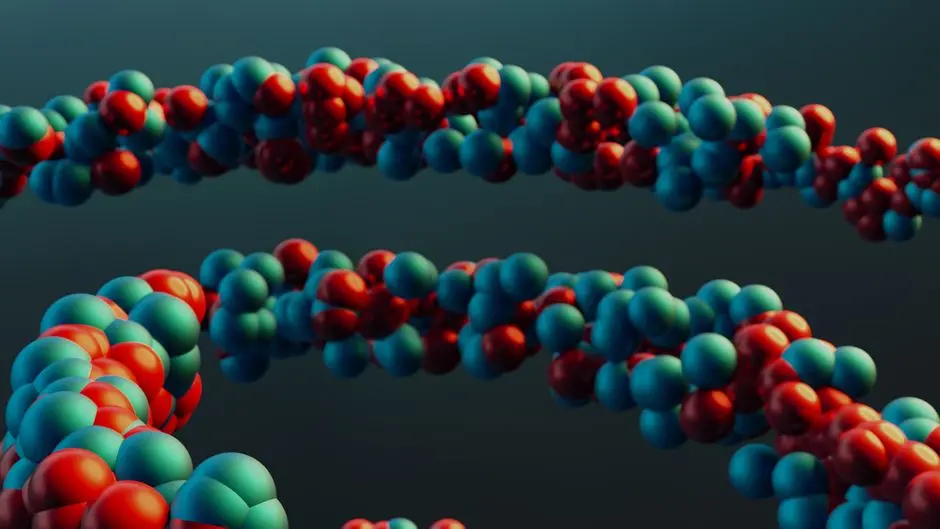
Every cell in every living organism harbors an intricate blueprint of life – its genetic information. This vital instruction manual, encoded in DNA, dictates everything from an organism's structure to its function. But this blueprint is constantly under siege, threatened by internal errors and external aggressors. How do cells meticulously guard this precious heritage, ensuring its perfect transmission across generations?
We embark on an exhilarating expedition to unravel the sophisticated cellular mechanisms dedicated to preserving genetic information. This deep dive will empower us to comprehend the astounding resilience of life's fundamental code. We forge a comprehensive understanding of the strategies cells deploy, from the precision of DNA replication to a multi-layered arsenal of repair systems and structural safeguards. We shall discover how the relentless pursuit of genetic integrity underpins the very stability of life itself and how these processes are intrinsically linked to the broader principles of biological information flow.
Prepare to optimize your grasp of cellular biology, identifying key concepts and best practices that illuminate the core challenges and triumphs of genetic preservation. We pinpoint the critical junctures where vigilance is paramount and explore the consequences when these defenses falter. Join us; let us collectively unlock the secrets to maintaining genetic perfection.
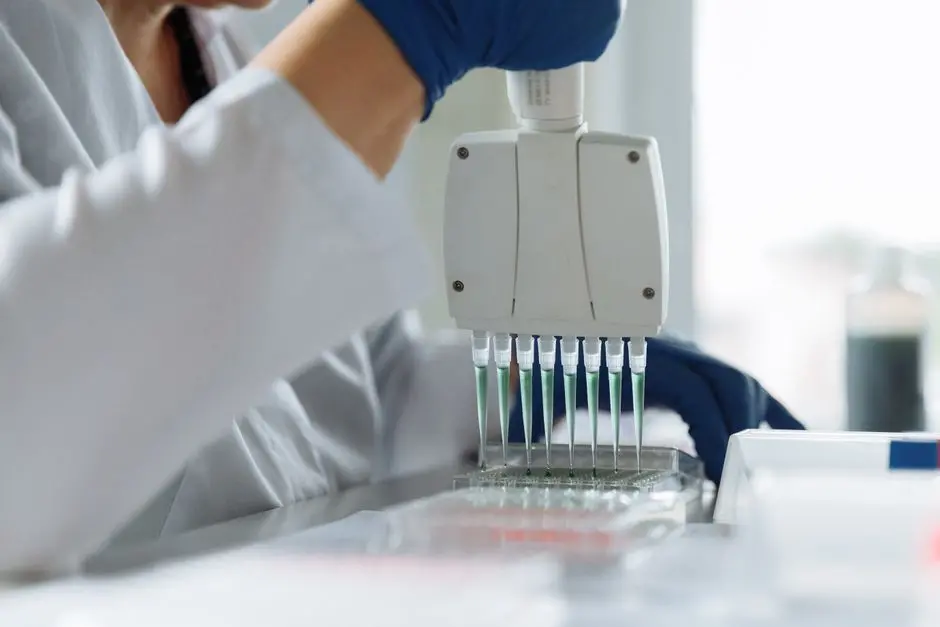
The Blueprint's Guardians: Why Genetic Preservation Matters
At the core of every living entity resides deoxyribonucleic acid (DNA), the quintessential molecule of heredity. This elegant double helix stores the complete set of instructions required for building, operating, and maintaining an organism. Its integrity is non-negotiable; even a single, uncorrected error can have profound consequences, potentially leading to cellular dysfunction, disease, or developmental abnormalities. The constant threat landscape, encompassing endogenous factors like reactive oxygen species from metabolism and replication errors, alongside exogenous mutagens such as UV radiation or chemical carcinogens, necessitates robust cellular defense mechanisms.
Cells must confront the paradox of both utilizing and protecting their genetic material. DNA is accessed for transcription and replication, processes that inherently expose it to potential damage. Therefore, an effective preservation strategy must operate continuously, acting as both a preventive shield and an emergency repair crew. We must grasp that genetic preservation is not a passive state but an active, dynamic process, orchestrated by an intricate network of molecular machinery. The stakes are immensely high; the faithful transmission of genetic information from parent to daughter cell, and from one generation to the next, is the bedrock of evolution and the continuity of life.
Consider the sheer volume: a human cell contains approximately 3 billion base pairs of DNA. Replicating this vast amount of information with near-perfect accuracy, and then vigilantly monitoring and repairing it throughout a cell's lifespan, is an extraordinary feat of biological engineering. This relentless dedication to genetic fidelity underscores its paramount importance for cellular viability and organismal health. We explore the initial lines of defense that ensure this precious blueprint remains unblemished.
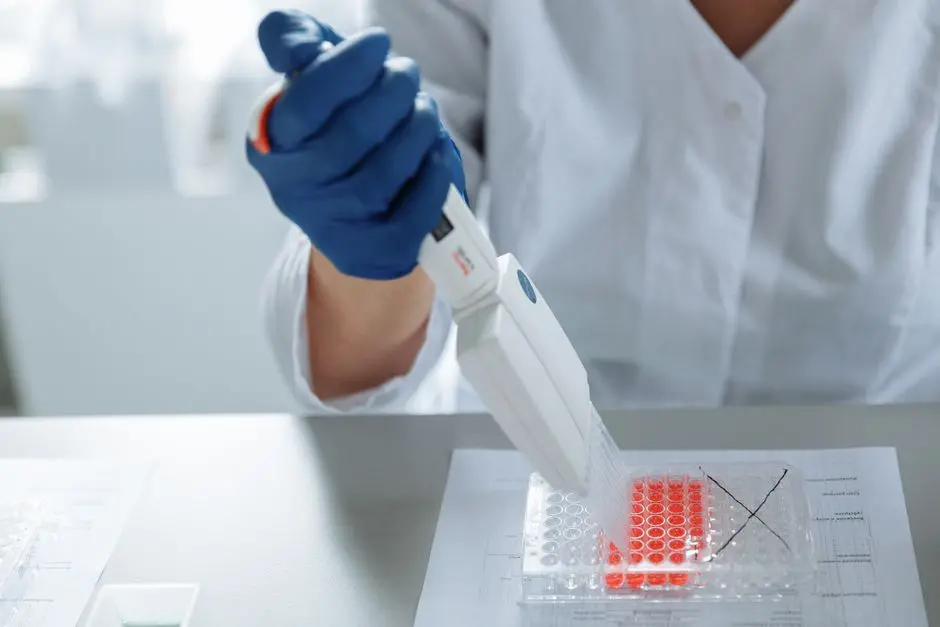
Replication Fidelity: The First Line of Defense Against Error
The precise duplication of DNA during cell division, known as DNA replication, is arguably the most critical event in genetic preservation. Any errors introduced at this stage are propagated to all subsequent daughter cells, potentially becoming permanent mutations. To counteract this, cells have evolved sophisticated mechanisms to ensure exceptional fidelity during DNA synthesis. The star players in this process are the DNA polymerases, enzymes responsible for synthesizing new DNA strands complementary to the parental templates.
DNA polymerases are not merely catalytic machines; they are proofreading maestros. Most DNA polymerases possess a 3'-to-5' exonuclease activity. This means that if an incorrect nucleotide is incorporated into the nascent strand, the polymerase immediately pauses, backs up, excises the mispaired base, and then proceeds with the correct one. This 'cut-and-paste' correction mechanism dramatically reduces the error rate during synthesis, typically lowering it by two to three orders of magnitude. For instance, while initial incorporation might have an error rate of 1 in 10,000 bases, proofreading reduces it to approximately 1 in a million bases.
Beyond proofreading, the inherent selectivity of DNA polymerases for correct base pairing (A-T, G-C) contributes significantly to fidelity. The geometry of the active site favors the formation of correct Watson-Crick base pairs, rejecting incorrect nucleotide triphosphates before they are even incorporated. This multi-layered approach – base selectivity, proofreading, and subsequent mismatch repair systems – ensures that DNA replication is an astonishingly accurate process, maintaining genetic continuity with remarkable precision. We must recognize this initial replication fidelity as the foundational pillar upon which all other genetic preservation strategies are built.
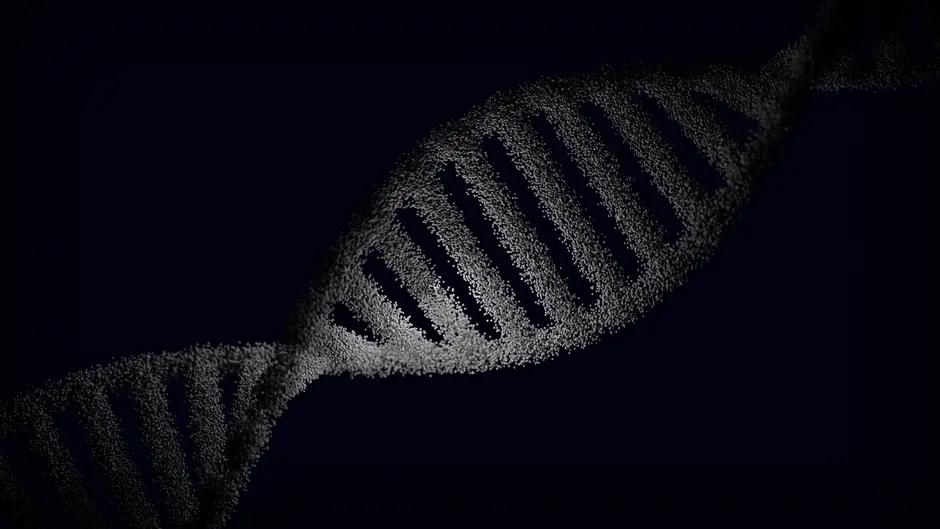
DNA Repair Systems: Constant Vigilance and Restoration
Despite the high fidelity of DNA replication, errors can still occur, and DNA is constantly subjected to damage from both endogenous and exogenous sources. Cells have therefore developed an extensive arsenal of DNA repair pathways that tirelessly monitor the genome, detect damage, and restore its original sequence. These systems are critically important; without them, the rate of mutation would be catastrophic, incompatible with life. We distinguish several major categories, each specialized for particular types of damage.
Mismatch Repair (MMR) targets replication errors that escape proofreading, such as mispaired bases or small insertion/deletion loops. MMR proteins identify the newly synthesized, unmethylated strand, excise the erroneous segment, and resynthesize it correctly. Nucleotide Excision Repair (NER) is crucial for bulky lesions that distort the DNA helix, like pyrimidine dimers caused by UV radiation. NER involves excising a larger segment of the damaged strand and synthesizing a new one. Base Excision Repair (BER) handles smaller, non-helix-distorting lesions, such as damaged or modified bases. BER enzymes (DNA glycosylases) remove the altered base, creating an AP site, which is then processed by AP endonuclease, leading to repair synthesis.
Perhaps the most severe form of DNA damage is the Double-Strand Break (DSB), which can fragment chromosomes and lead to significant genomic instability. Cells employ two main pathways for DSB repair: Non-Homologous End Joining (NHEJ), a quick but sometimes error-prone process that ligates broken ends directly, and Homologous Recombination (HR), a more accurate repair mechanism that uses an intact homologous DNA template (typically the sister chromatid) to guide repair. The sheer diversity and redundancy of these repair systems highlight their indispensable role in maintaining genomic integrity, a testament to life's unwavering commitment to genetic stability.
Chromosomal Architecture and Telomeres: Structural Safeguards
Beyond the enzymatic precision of replication and repair, cells employ structural strategies to protect their genetic information. DNA is not simply a naked strand; it is meticulously packaged within the nucleus into a highly organized structure called chromatin. This packaging involves wrapping DNA around histone proteins to form nucleosomes, which are then further compacted into higher-order structures. This chromosomal architecture plays a dual role: it compacts the vast amount of DNA to fit within the nucleus, and it physically protects the DNA from damage.
The tight coiling of DNA in chromatin can restrict access to damaging agents and often makes DNA less susceptible to breaks. Moreover, specific regions of the genome, particularly heterochromatin, are even more condensed and tend to be less transcriptionally active, suggesting a correlation between structural compaction and enhanced protection. Changes in chromatin structure (epigenetic modifications) can also influence DNA accessibility for repair, acting as regulatory layers in the preservation process. This hierarchical organization underscores a strategic advantage: a well-ordered defense is a stronger defense.
Another critical structural component for genetic preservation is the telomere. These specialized repetitive DNA sequences, located at the ends of linear eukaryotic chromosomes, act as protective caps. During conventional DNA replication, the very ends of linear chromosomes cannot be fully copied, leading to progressive shortening with each cell division – the 'end replication problem'. Telomeres, maintained by the enzyme telomerase, buffer this shortening, preventing the loss of vital coding information and protecting chromosome ends from being recognized as DNA breaks. Without telomeres, chromosomes would fuse, leading to catastrophic genomic instability. Thus, the very structure of the genome, from its nanoscale packaging to its macroscopic termini, represents a fundamental and often underestimated layer of genetic preservation.
Optimizing Genetic Integrity: Best Practices and Common Pitfalls
Understanding cellular genetic preservation mechanisms is not merely academic; it informs our comprehension of health, disease, and aging. As expert strategists in bio-optimization, we must recognize that while cells possess incredible intrinsic repair capabilities, lifestyle and environmental factors significantly influence their efficiency. For instance, chronic exposure to mutagens (e.g., smoking, excessive UV light, certain chemicals) can overwhelm repair systems, leading to an accumulation of DNA damage and an increased risk of disease. Conversely, adopting a diet rich in antioxidants and minimizing exposure to known genotoxins can support and optimize cellular defenses.
A common misconception is that DNA damage is always immediately lethal. In reality, many forms of damage are transient and efficiently repaired. The real danger lies in unrepaired or misrepaired lesions, which can become fixed mutations. A critical insight for us is to appreciate the dynamic equilibrium between DNA damage and DNA repair. When damage surpasses repair capacity, the cell's integrity is compromised. We also note the crucial role of cell cycle checkpoints, which pause cell division to allow time for DNA repair, preventing the propagation of damaged DNA. Failure of these checkpoints is a hallmark of many cancers.
Best practices for understanding this field involve integrating knowledge from genetics, molecular biology, and epigenetics. We avoid the pitfall of viewing these processes in isolation; they are deeply interconnected. For instance, epigenetic modifications can influence DNA repair enzyme accessibility. Forge a holistic perspective: recognize that cellular health, nutrient availability, and even stress levels can impact the efficiency of these preservation systems. Our proactive approach dictates that we seek to understand these intricate molecular machines, empowering us to appreciate the extraordinary resilience of life and the delicate balance required to maintain its genetic blueprint.
Key Takeaways
The Indispensable Role of Genetic Preservation
Genetic information, stored in DNA, is the blueprint for life. Its integrity is paramount for cell function, organismal health, and the continuity of species. Cells face constant threats from internal errors (e.g., metabolism, replication) and external mutagens (e.g., UV light, chemicals).
High Fidelity DNA Replication
DNA replication is the first line of defense. DNA polymerases ensure accuracy through: 1. Base Selectivity: Preferring correct Watson-Crick pairs. 2. Proofreading: A 3'-to-5' exonuclease activity that removes mispaired bases immediately after incorporation, dramatically reducing error rates.
Multi-Layered DNA Repair Systems
Cells continuously monitor and repair DNA damage post-replication using diverse pathways:
- Mismatch Repair (MMR): Corrects replication errors like mispaired bases.
- Nucleotide Excision Repair (NER): Repairs bulky lesions, e.g., UV-induced pyrimidine dimers.
- Base Excision Repair (BER): Handles small, non-helix-distorting lesions, e.g., modified bases.
- Double-Strand Break (DSB) Repair: Uses Non-Homologous End Joining (NHEJ) for quick repair or Homologous Recombination (HR) for high-fidelity repair using a template.
Structural Safeguards: Chromatin and Telomeres
Beyond enzymatic processes, DNA's physical organization contributes to its preservation:
- Chromosomal Architecture: DNA packaging around histone proteins into chromatin physically protects it and can regulate access for repair.
- Telomeres: Repetitive sequences at chromosome ends that prevent loss of coding information during replication and protect against chromosomal fusion. Telomerase maintains telomere length.
Optimizing Genetic Integrity
Genetic preservation is a dynamic equilibrium between damage and repair. Factors like exposure to mutagens can overwhelm repair systems, while healthy lifestyle choices can support them. Understanding these mechanisms is crucial for comprehending disease, aging, and maintaining cellular health.
FAQ
-
What is the primary mechanism cells use to prevent errors during DNA replication?
The primary mechanism is the proofreading activity of DNA polymerases. These enzymes, which synthesize new DNA strands, possess a 3'-to-5' exonuclease function. If an incorrect nucleotide is incorporated, the polymerase immediately detects the mismatch, backs up, removes the erroneous base, and then proceeds with the correct one. This significantly reduces the initial error rate, ensuring high fidelity replication.
-
How do cells repair DNA damage that occurs after replication?
Cells employ a diverse array of specialized DNA repair systems post-replication. These include Mismatch Repair (MMR) for replication errors, Nucleotide Excision Repair (NER) for bulky lesions like UV-induced damage, and Base Excision Repair (BER) for damaged or modified individual bases. For severe breaks, such as Double-Strand Breaks (DSBs), cells utilize pathways like Non-Homologous End Joining (NHEJ) and the highly accurate Homologous Recombination (HR).
-
Why are telomeres important for genetic preservation?
Telomeres are repetitive DNA sequences at the ends of linear chromosomes. They are crucial because conventional DNA replication cannot fully copy the very ends of chromosomes, leading to progressive shortening with each cell division. Telomeres act as protective caps, buffering this shortening and preventing the loss of essential genetic information. They also prevent chromosome ends from being recognized as DNA breaks, which could trigger inappropriate repair mechanisms or chromosomal fusions, thereby maintaining chromosomal integrity.
-
Can external factors influence a cell's ability to preserve genetic information?
Absolutely. External factors play a significant role. Exposure to environmental mutagens like UV radiation, certain chemicals (e.g., from smoking), and pollutants can directly damage DNA, overwhelming cellular repair systems. Conversely, a healthy lifestyle, including a balanced diet rich in antioxidants and avoiding genotoxic agents, can support and enhance the efficiency of DNA repair mechanisms, contributing to better genetic preservation and overall cellular health.