
> Basic Biology Concepts > Introduction to Biological Information Systems > Unraveling the Central Dogma: DNA, RNA, Proteins
Unraveling the Central Dogma: DNA, RNA, Proteins
We stand at the precipice of understanding life's most fundamental secret: the intricate dance of genetic information. Every organism, from the simplest bacterium to the most complex human, orchestrates an astonishing cascade, meticulously translating its genetic blueprint into the machinery that builds and sustains it. This article unlocks the core mechanism driving all biological function, revealing how instructions encoded within our DNA are flawlessly transformed into the diverse proteins essential for life. We commit to a deep dive, dissecting each critical juncture of this molecular symphony.
Comprehending this vital process is not merely academic; it empowers us to grasp genetic diseases, develop groundbreaking therapies, and even engineer life. Prepare to demystify the biological information flow from DNA to function, exploring the fascinating journey where the inherent order of our genes comes to life. Our exploration will equip you with an expert-level grasp of how information flows from DNA to RNA to proteins, a journey that dictates every biological outcome. This foundational knowledge is paramount for anyone seeking to master the complexities of life itself. Let us forge an unshakeable understanding together.
Establish the Genetic Blueprint: DNA's Indispensable Role
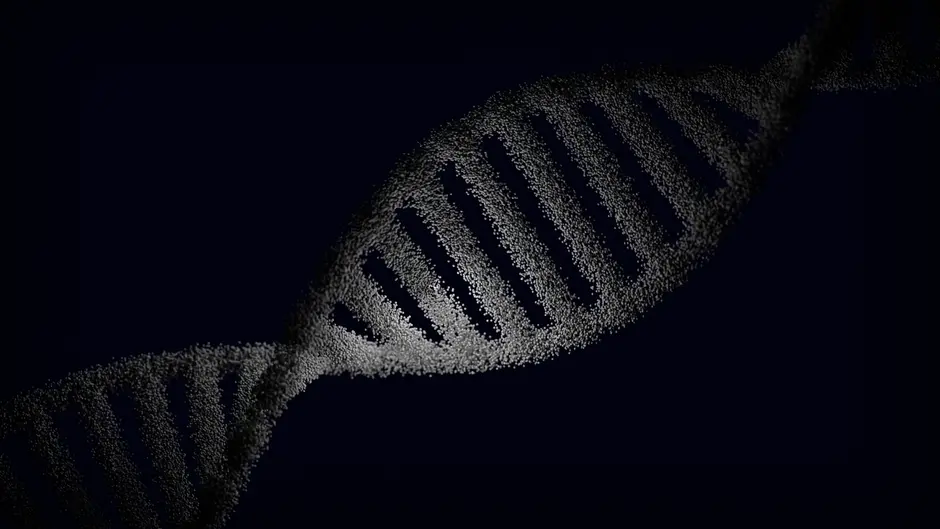
We begin our expedition at the very core of genetic information: Deoxyribonucleic Acid, or DNA. This magnificent double helix stands as the ultimate instruction manual for life, an archive of hereditary data passed down through generations. Structurally, DNA comprises two polynucleotide strands coiled around each other, forming a stable ladder where each rung is a pair of nitrogenous bases – Adenine (A) always pairs with Thymine (T), and Guanine (G) with Cytosine (C). This precise base pairing rule is not arbitrary; it is the bedrock of genetic fidelity, ensuring accurate replication and information transfer.
Each segment of this vast DNA molecule that encodes for a specific trait or protein is termed a gene. These genes are the functional units, dictating everything from eye color to enzyme production. DNA's primary function is to store this information securely and stably. Its double-stranded nature offers inherent redundancy and repair mechanisms, protecting the vital code from damage. We recognize DNA not just as a molecule, but as the foundational script upon which all biological narratives are written. Its robust structure ensures the integrity of the genetic code, a code remarkably universal across nearly all forms of life on Earth, underscoring its fundamental significance.
Transcription Unleashed: Crafting the RNA Blueprint
From the stable DNA blueprint, we transition to its dynamic counterpart: RNA. The process of transcription is the first critical step in expressing genetic information, where a specific segment of DNA (a gene) is copied into an RNA molecule. This is not a haphazard copying; it is a highly regulated, enzyme-driven event. The star player here is RNA polymerase, an enzyme that unwinds a portion of the DNA double helix and synthesizes a complementary RNA strand using one of the DNA strands as a template.
Unlike DNA replication, transcription creates a single-stranded RNA molecule. In eukaryotes, the initial RNA product, called pre-mRNA, undergoes extensive processing before it can exit the nucleus. This processing includes adding a 5' cap and a poly-A tail, crucial for stability and translation initiation. Most notably, non-coding regions called introns are precisely removed, and the coding regions, exons, are spliced together. This RNA splicing allows for alternative splicing, generating multiple protein variants from a single gene, a powerful mechanism for genetic diversity and functional complexity. We observe this stage as a crucial regulatory checkpoint, modulating gene expression with remarkable precision.
Translation Decoded: From RNA to Functional Proteins
With the messenger RNA (mRNA) now processed and ready, we embark on the exhilarating journey of translation – the synthesis of proteins. This intricate process takes place on cellular organelles called ribosomes, which are themselves complex assemblies of ribosomal RNA (rRNA) and proteins. The mRNA molecule serves as the instruction manual, carrying the genetic code in sequences of three nucleotides called codons. Each codon specifies a particular amino acid, the building blocks of proteins, or a stop signal.
The critical adaptor molecules in this stage are transfer RNAs (tRNAs). Each tRNA possesses a unique anticodon sequence that is complementary to an mRNA codon, and it carries the corresponding amino acid. The ribosome facilitates the precise pairing of mRNA codons with tRNA anticodons, ensuring the correct sequence of amino acids is incorporated into the growing polypeptide chain. We observe three main stages: initiation, where the ribosome assembles on the mRNA; elongation, where amino acids are added one by one via peptide bonds; and termination, where a stop codon signals the release of the completed protein. This process is astonishingly rapid and accurate, constructing complex molecular machines from a linear RNA sequence.
Proteins Ascendant: Architecting Cellular Function
The culmination of the DNA-to-RNA-to-protein flow is the creation of proteins, the workhorses of the cell. Proteins are astonishingly diverse molecules, each with a specific three-dimensional structure that dictates its unique function. Their roles are virtually limitless: they act as enzymes to catalyze biochemical reactions, provide structural support to cells and tissues, transport molecules, facilitate cell communication as signaling molecules, and defend the body as antibodies. This functional diversity arises directly from the linear sequence of amino acids encoded by the gene, but crucially, also from how that sequence folds into its final active conformation.
Protein folding is a complex, often spontaneous, process, but frequently assisted by molecular chaperones. The polypeptide chain progresses through distinct structural levels: primary (amino acid sequence), secondary (alpha-helices and beta-sheets), tertiary (overall 3D shape), and sometimes quaternary (multiple polypeptide subunits). Errors in protein folding can have catastrophic consequences, leading to debilitating conditions like Alzheimer's or Parkinson's disease. We appreciate that the integrity of the entire information flow relies on this final, precise shaping, transforming a simple linear code into a dynamic, functional biological machine capable of executing life's myriad tasks.
Mastering Gene Expression: Beyond Basic Information Flow
While the central dogma outlines the fundamental flow, the reality of biological systems introduces layers of exquisite control. We must acknowledge that the flow from DNA to protein is not a simple, unregulated conveyor belt; it is a meticulously managed orchestra of gene expression. This regulation occurs at multiple levels, ensuring that genes are activated only when and where their products are needed. Transcriptional control is a primary checkpoint, where proteins called transcription factors bind to specific DNA sequences (promoters, enhancers) to either promote or inhibit RNA polymerase activity. This dictates whether a gene is even transcribed into RNA.
Beyond transcription, post-transcriptional control influences mRNA stability, splicing patterns, and localization. For instance, tiny microRNAs (miRNAs) can bind to mRNA molecules, leading to their degradation or inhibiting their translation. Subsequently, translational control regulates how efficiently ribosomes translate mRNA into protein. Finally, post-translational modifications – chemical alterations to the newly synthesized protein (e.g., phosphorylation, glycosylation, cleavage) – can profoundly alter its activity, stability, or localization. We also recognize epigenetics, heritable changes in gene expression not caused by DNA sequence alterations, as a crucial modulator of DNA accessibility. These layers of regulation highlight the dynamic and adaptable nature of biological information processing, allowing cells to respond rapidly and precisely to their internal and external environments.

Strategic Insights: Mastering and Manipulating Genetic Flow
Mastering the intricacies of how information flows from DNA to RNA to proteins offers profound strategic insights into biological function and dysfunction. A common pitfall for newcomers is viewing this as a one-step conversion; we must internalize the distinct, regulated phases. Good practices for deep understanding involve visualizing the molecular players – RNA polymerase, ribosomes, tRNAs – and their precise movements. Recognize that each step is a potential point of regulation, and thus, a potential target for therapeutic intervention or biological engineering.
The implications of this knowledge are immense. In biotechnology, our ability to manipulate this flow allows for the production of recombinant proteins (e.g., insulin) or the precise editing of genes using tools like CRISPR-Cas9 for gene therapy. Understanding errors in this flow illuminates the pathogenesis of numerous diseases, from genetic disorders caused by DNA mutations to cancers arising from dysregulated gene expression. We are constantly pushing the boundaries of synthetic biology, attempting to design and build novel biological systems based on this fundamental information pathway. Our relentless pursuit is to optimize human health, predicting disease risk, and designing personalized medicine approaches rooted in the precise orchestration of genetic information. This foundational dogma is not static; it is a dynamic frontier inviting continuous exploration and innovation, forging new paths for health and discovery.
Key Takeaways
DNA: The Master Blueprint
DNA is the stable, double-helical molecule storing all genetic information in sequence of A, T, C, G. Genes are segments of DNA coding for specific proteins or traits. Its structure ensures high fidelity in information storage and transmission.
Transcription: DNA to RNA
Transcription is the process where RNA polymerase synthesizes an RNA molecule (like mRNA) from a DNA template. In eukaryotes, pre-mRNA undergoes processing: a 5' cap, poly-A tail addition, and splicing (removal of introns, joining of exons) to form mature mRNA, ready for translation.
Translation: RNA to Protein
Translation occurs on ribosomes, where mRNA codons are read. tRNA molecules, each carrying a specific amino acid and an anticodon, match with mRNA codons. Amino acids are linked by peptide bonds, forming a polypeptide chain (protein).
Proteins: The Functional Output
Proteins are the cellular workhorses, performing diverse functions (enzymes, structural, signaling). Their function is determined by their unique 3D structure, achieved through precise protein folding, which is critical for their activity and often assisted by chaperones.
Gene Expression Regulation
The flow is tightly controlled at multiple stages: transcriptional (e.g., transcription factors), post-transcriptional (e.g., mRNA stability, miRNAs, alternative splicing), translational, and post-translational modifications. Epigenetics also influences gene accessibility and expression, offering additional layers of control beyond the DNA sequence itself.
FAQ
-
What is the Central Dogma of Molecular Biology?
The Central Dogma describes the fundamental flow of genetic information in biological systems: DNA is transcribed into RNA, and then RNA is translated into protein. It dictates that information generally flows from nucleic acids (DNA/RNA) to proteins, but not in reverse from protein to nucleic acid.
-
What are the main differences between DNA and RNA?
DNA is typically double-stranded, contains deoxyribose sugar, and uses thymine (T) as a base. RNA is generally single-stranded, contains ribose sugar, and uses uracil (U) in place of thymine. DNA's primary role is long-term genetic storage, while RNA has diverse roles, including messenger, ribosomal, and transfer functions in gene expression.
-
Can proteins ever influence the DNA sequence?
Generally, proteins do not directly alter the underlying DNA sequence. However, specific proteins like reverse transcriptase (found in retroviruses) can synthesize DNA from an RNA template, an exception to the strict DNA-to-RNA flow. Furthermore, regulatory proteins profoundly influence which genes are expressed and when, without changing the sequence itself.