
> Basic Biology Concepts > Introduction to Biological Information Systems > Unravel DNA's Information System: Code, Storage, Function
Unravel DNA's Information System: Code, Storage, Function
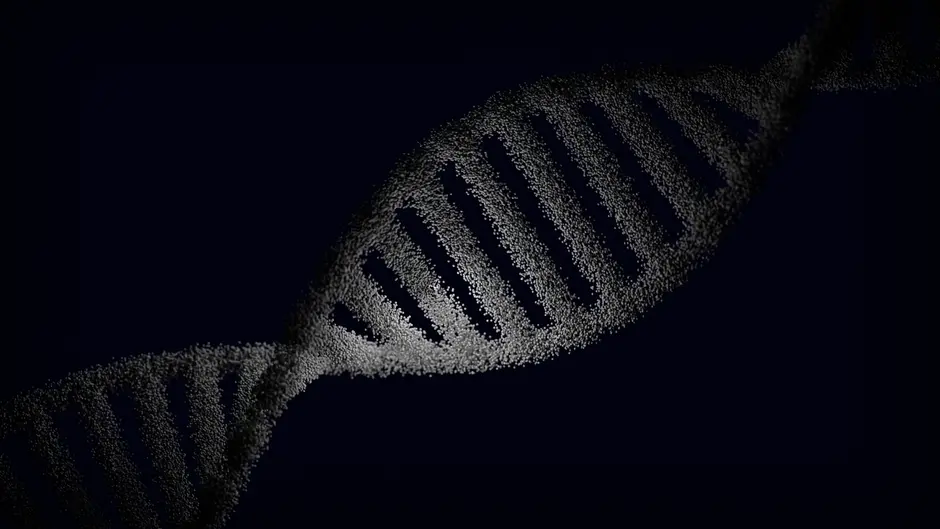
We stand at the precipice of understanding life's most profound secret: the essence of biological information. How does a microscopic molecule orchestrate the development of complex organisms, transmit traits across generations, and adapt to an ever-changing world? The answer lies in viewing DNA not merely as a chemical compound, but as an extraordinarily sophisticated information system. This article plunges into the core principles that define DNA's role as the ultimate biological hard drive, a repository of genetic code that dictates every aspect of an organism's existence. We will dissect its architecture, explore its coding mechanisms, and illuminate the intricate processes by which this information is stored, replicated, and expressed. Prepare to decode the fundamental language of life itself, moving beyond static molecules to dynamic informational processes. Understanding how DNA functions as a robust information system is critical to grasping the broader mechanisms of the biological information flow from DNA to function, empowering us to unlock unprecedented insights into genetics, disease, and evolution.
Decoding DNA's Digital Language: The Core of Genetic Information
At its heart, DNA operates as a digital information system, remarkably similar in concept to the binary code that underpins modern computing. Instead of zeros and ones, DNA employs a four-letter alphabet: Adenine (A), Thymine (T), Cytosine (C), and Guanine (G). These nucleotide bases, strung together in specific sequences, form the genetic code. Each sequence represents a gene, a discrete unit of information carrying instructions for building a particular protein or regulatory molecule. This digital nature is fundamental; the specific order of these bases, not their chemical properties alone, dictates the information content. Consider the immense precision required: a single misplaced 'letter' in a critical gene can lead to profound biological dysfunction or disease. We must recognize that the information isn't residing in the individual bases themselves, but in their precise arrangement, forming codons that specify amino acids—the building blocks of proteins. This ordered complexity is no accident; it is the culmination of billions of years of evolutionary refinement, forging a system optimized for both stability and expressivity. Understanding this foundational digital language is the first logical step towards appreciating DNA's power as an information conduit. We observe this principle across all life forms, affirming its universal applicability and robust design. The challenge for us is to interpret this language with increasing accuracy, revealing deeper layers of biological meaning.
Architecting Information: Storage and Replication Fidelity
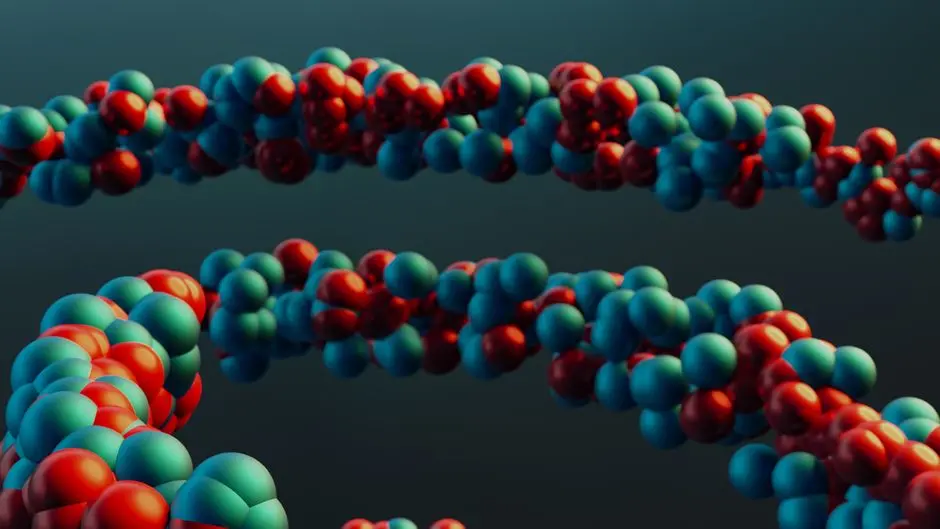
DNA's brilliance extends beyond its digital coding; its physical architecture is exquisitely designed for both stable information storage and high-fidelity replication. The double helix structure, a marvel of biochemical engineering, provides an inherent mechanism for safeguarding genetic information. Each strand serves as a template for its complementary partner. This ensures that during DNA replication, the vast amount of genetic data—often billions of base pairs—is copied with astonishing accuracy, transmitting biological instructions faithfully from one cell generation to the next, and crucially, from parent to offspring. The base pairing rules (A with T, C with G) are not arbitrary; they are the cornerstone of this fidelity, ensuring that the correct 'letters' are inserted. Yet, perfection is not the goal, but robust reliability. Biological systems inherently contain mechanisms for error correction, DNA repair enzymes constantly scan and rectify mistakes, drastically reducing the mutation rate. This active maintenance ensures the integrity of the genetic archive, preventing catastrophic information loss. We forge this understanding: DNA is not a static library but a dynamic, self-correcting repository. This system's capacity to store immense quantities of information within a microscopic volume, coupled with its ability to replicate this information with such precision, underscores its central role as the organism's primary information system. Without this architectural genius, the continuity of life as we know it would be impossible.
From Blueprint to Reality: Information Expression and Functional Output
The true power of DNA as an information system crystallizes in its ability to translate genetic blueprints into functional biological reality. This process, often termed the Central Dogma of molecular biology, describes the flow of information from DNA to RNA to protein. It's a sophisticated information transfer system, not just storage. First, during transcription, specific segments of DNA (genes) are copied into messenger RNA (mRNA) molecules. This mRNA then carries the genetic message out of the nucleus to the ribosomes. Here, during translation, the mRNA sequence is 'read' in three-nucleotide chunks called codons, each specifying a particular amino acid. These amino acids are then assembled into a precise sequence, forming a protein. Proteins are the workhorses of the cell, executing virtually all cellular functions, from catalyzing reactions to building structures and transmitting signals. This multi-step information processing pathway highlights DNA's dynamic role, transforming abstract code into tangible, functional entities. The information embedded in DNA is therefore not dormant; it is actively expressed, driving the machinery of life. We optimize our understanding by recognizing that gene expression is a highly regulated process, ensuring that the right proteins are made at the right time and in the right amounts. Disruptions in this information flow—through mutations or regulatory errors—are direct causes of many diseases, emphasizing the system’s critical importance.

DNA as a Dynamic Command Center: Regulation and Adaptation
Far from being a static instruction manual, DNA functions as a dynamic command center, intricately responsive to both internal and external cues. Its information system incorporates sophisticated regulatory mechanisms that control when and where genes are expressed. Elements like promoters, enhancers, and silencers act as switches and dimmers, modulating the rate of transcription. This layer of control ensures that cells develop and differentiate correctly, and that organisms can adapt to changing environmental conditions. For instance, epigenetic modifications—chemical tags on DNA or its associated proteins—can switch genes on or off without altering the underlying nucleotide sequence. This adds another dimension to information processing, allowing the genome to 'learn' and respond to experiences, influencing phenotypes and even being heritable. We delve into this adaptive capacity: DNA is not just a hard drive, but also a sophisticated operating system capable of executing context-dependent programs. This dynamic interaction between the genetic code and its regulatory environment forms the basis of systems biology, where we view biological functions as emergent properties of interacting components. Unlocking the secrets of these regulatory networks is a frontier of biological discovery, offering insights into development, disease progression, and the evolutionary potential of species. We are decoding not just the message, but the entire communication protocol.
The Evolutionary Algorithm: Information Accumulation and Innovation
Viewing DNA as an information system profoundly illuminates the mechanisms of evolution. Evolution, in essence, is a continuous process of information accumulation, refinement, and innovation within the genetic code. Natural selection acts as an algorithmic filter, preserving advantageous genetic information—novel sequences or regulatory modifications that confer survival or reproductive benefits—and culling less optimal ones. Over vast stretches of time, this iterative process leads to an immense increase in the complexity and specificity of biological information, driving the diversification of life forms. Consider the 'information density' of DNA: billions of base pairs packed into a microscopic nucleus, each sequence contributing to the organism's fitness landscape. Genetic variation, arising from mutation and recombination, provides the raw material—new information bits—upon which natural selection operates. The ability of DNA to generate, store, and transmit this evolving information is central to adaptation and speciation. We confront this reality: life itself is an ongoing experiment in information management. Errors (mutations) are not always detrimental; they can introduce novel information, some of which proves beneficial. This perspective transforms our view of DNA from a static blueprint into a dynamic, evolving database, constantly being rewritten and optimized by the forces of natural selection. We actively explore these evolutionary algorithms, recognizing their profound impact on biological design.
Key Takeaways
DNA as a Digital Information System
DNA functions like a digital code using a four-letter alphabet (A, T, C, G). The specific sequence of these bases carries instructions for life, defining genes that code for proteins and regulatory molecules. This digital nature is crucial for its ability to store and transmit complex biological information with high precision.
Fidelity of Information Storage & Replication
The double helix structure of DNA allows for highly accurate replication, where each strand serves as a template for a new complementary strand. This ensures that genetic information is faithfully copied across generations. Robust error correction mechanisms further maintain the integrity of this stored information, preventing detrimental mutations.
Information Flow: From Code to Function (Central Dogma)
Genetic information in DNA is expressed through the Central Dogma: DNA is transcribed into RNA, which is then translated into proteins. This process converts the abstract genetic code into functional molecules that perform all cellular tasks, from enzymatic reactions to structural support, driving an organism's phenotype.
Dynamic Regulation and Adaptation
DNA is a dynamic information system, not just a static blueprint. Regulatory elements (promoters, enhancers) and epigenetic modifications control when and where genes are expressed. This enables organisms to respond and adapt to internal signals and external environmental changes, influencing development and physiological responses without altering the core genetic sequence.
Evolution as Information Processing
Evolution harnesses DNA's information system by continually accumulating, refining, and innovating genetic information. Natural selection acts as a filter, favoring advantageous sequences and regulatory changes, leading to increased complexity and adaptation. Genetic variation provides the raw data for this ongoing, iterative process of biological optimization.
FAQ
-
Why is DNA considered an 'information system' and not just a molecule?
DNA is more than just a chemical molecule because its function is entirely dependent on the specific sequence of its constituent bases (A, T, C, G). This sequence carries instructions, much like a digital code, for building and operating an organism. It stores, transmits, and expresses this information, making it a functional system rather than just a passive compound.
-
What are the key components of DNA's information system?
The key components include:
- Information Storage: The sequence of nucleotide bases (A, T, C, G).
- Information Replication: The semi-conservative replication process that ensures faithful copying.
- Information Expression: Transcription (DNA to RNA) and Translation (RNA to protein).
- Information Regulation: Mechanisms (promoters, enhancers, epigenetics) that control when and where genes are expressed.
-
How does DNA's information system relate to the Central Dogma?
The Central Dogma (DNA → RNA → Protein) describes the core pathway of information flow within a cell. It is the fundamental mechanism by which the genetic information stored in DNA is ultimately expressed as functional proteins, which carry out most cellular activities. It’s the ‘read-out’ and ‘execution’ phase of the DNA information system.
-
Can DNA information be corrupted, and if so, how is it managed?
Yes, DNA information can be corrupted through mutations (changes in the base sequence) or damage from environmental factors. However, biological systems have evolved sophisticated DNA repair mechanisms, involving various enzymes, that constantly scan the genome, identify errors, and repair them, maintaining the integrity and stability of the genetic information.
-
What is the role of epigenetics in DNA as an information system?
Epigenetics adds another dynamic layer to DNA's information system. It involves modifications (like methylation) to DNA or its associated proteins (histones) that can switch genes on or off without altering the underlying DNA sequence. This allows cells to respond to environmental cues, adapt their gene expression, and provides a mechanism for heritable changes that go beyond the basic genetic code.