
> Basic Biology Concepts > Introduction to Biological Information Systems > Unlocking Bioinformatics: Essential Biological Foundations
Unlocking Bioinformatics: Essential Biological Foundations
Embark on a vital journey to solidify your biological understanding, the bedrock of successful bioinformatics. The computational prowess of bioinformatics is formidable, yet its true power is unleashed only when grounded in a profound grasp of life's intricate machinery. We consistently observe that bioinformaticians who possess a deep biological intuition not only interpret data more accurately but also design more insightful experiments and ask more pertinent questions.
This article transcends surface-level definitions, meticulously detailing the fundamental biological concepts indispensable for anyone navigating the vast landscapes of genomics, proteomics, and systems biology. We will forge a robust conceptual framework, ensuring that when we delve into complex algorithms or vast datasets, we always trace back to the biological reality they represent. Prepare to master the fundamental principles that govern life, from the molecular components to complex cellular interactions, empowering us to truly comprehend the biological information flow from DNA to function. This is not merely an overview; it is an foundational blueprint designed to elevate your bioinformatics expertise to a new stratum of biological intelligence.
The Cellular Blueprint: Decoding Life's Fundamental Unit
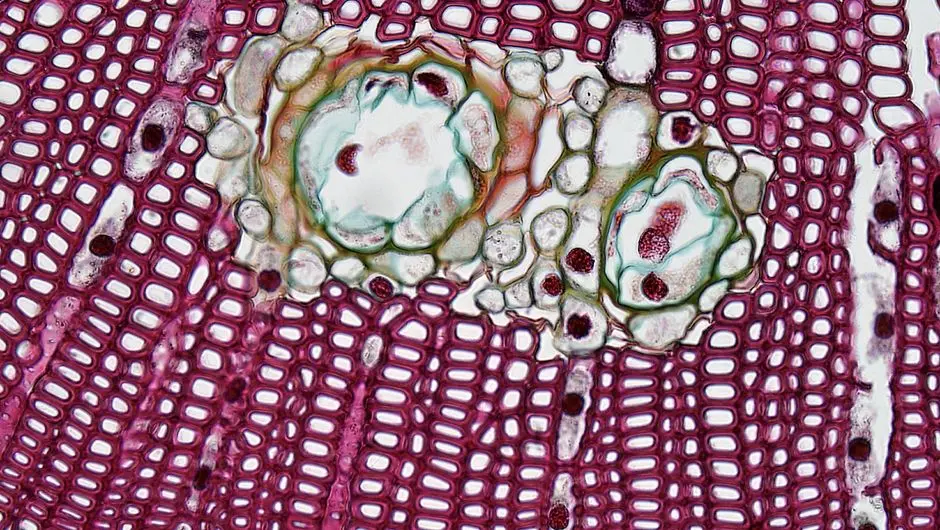
We commence our exploration with the cell, the fundamental unit of life. Every biological phenomenon, every disease, every therapeutic intervention ultimately traces back to cellular processes. Understanding its structure and function is non-negotiable for bioinformaticians. We dissect the two primary cell types: prokaryotic cells, characterized by their simplicity and lack of membrane-bound organelles, and eukaryotic cells, which are far more complex, housing a nucleus and numerous specialized compartments.
Within eukaryotic cells, we encounter crucial organelles, each with a specific role. The nucleus, the cell's command center, houses the genetic material (DNA). Mitochondria are the powerhouses, generating ATP through cellular respiration. The endoplasmic reticulum (ER) is vital for protein synthesis and lipid metabolism, while the Golgi apparatus processes and packages proteins and lipids. Ribosomes, present in both prokaryotes and eukaryotes, are the sites of protein synthesis. We must recognize that the spatial organization of these components directly impacts molecular interactions and data interpretation. For instance, understanding subcellular localization is critical when analyzing proteomics data or designing experiments involving protein-protein interactions. Neglecting the cellular context can lead to misinterpretations of high-throughput data; a gene expressed in a specific cell type, or a protein localized to a particular organelle, carries vastly different implications. We empower ourselves by grounding our bioinformatics analyses in this foundational cellular geography.

Molecular Biology's Core: From Genetic Code to Functional Protein
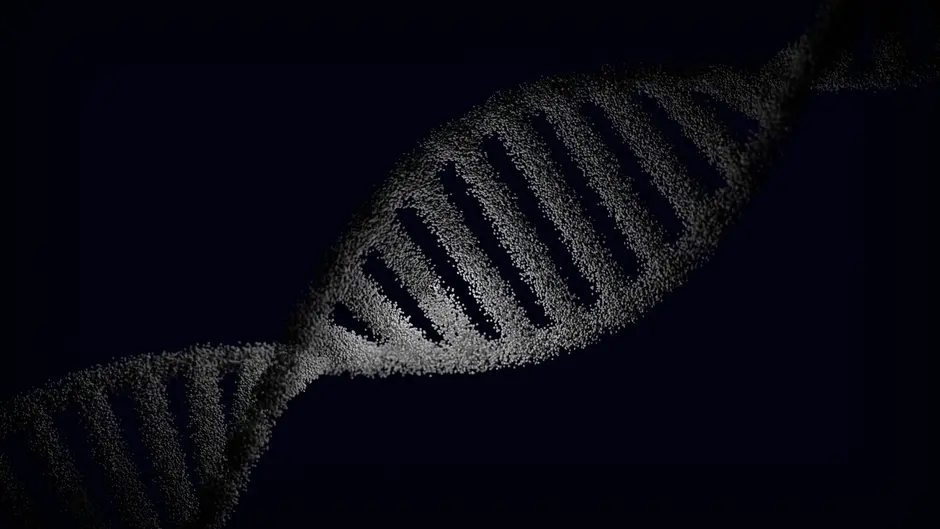
Our journey accelerates into the molecular realm, focusing on the central dogma of molecular biology: the flow of genetic information from DNA to RNA to protein. This is the bedrock upon which all bioinformatics rests. DNA (Deoxyribonucleic Acid), the cell's archival blueprint, exists as a double helix, composed of nucleotide bases (Adenine, Thymine, Guanine, Cytosine). Its precise replication ensures genetic continuity. Transcription is the process where a specific segment of DNA is copied into RNA (Ribonucleic Acid). We distinguish between messenger RNA (mRNA), transfer RNA (tRNA), and ribosomal RNA (rRNA), each playing a distinct role.
Translation then deciphers the mRNA sequence into a chain of amino acids, forming a protein. This complex process occurs on ribosomes, with tRNA molecules ferrying specific amino acids according to the mRNA codons. Understanding the genetic code, its degeneracy, and the mechanisms of transcription and translation is paramount. Why? Because anomalies at any stage—mutations in DNA, errors in transcription, or issues during translation—can profoundly impact protein function and, consequently, cellular processes and organismal health. For bioinformaticians, this means that sequence alignment, gene expression analysis, and variant calling directly hinge on our comprehension of these molecular events. We must grasp that a single nucleotide polymorphism (SNP) can alter a protein's structure and activity, or even prevent its synthesis entirely. We leverage this knowledge to accurately interpret sequencing data and predict functional consequences.
Genetics Unveiled: Inheritance, Variation, and the Genome Landscape
We now confront genetics, the study of heredity and variation. Our understanding of genes, alleles, genotypes, and phenotypes is crucial for interpreting genomic data. A gene is a fundamental unit of heredity, encoding for a specific product (often a protein). Alleles are different forms of a gene, contributing to phenotypic diversity. We comprehend how Mendelian inheritance patterns explain trait transmission, though we acknowledge the vast complexity introduced by non-Mendelian inheritance, epistasis, and polygenic traits.
Central to genetics are chromosomes, structures within the nucleus composed of DNA tightly coiled around proteins. We differentiate between mitosis, for somatic cell division, and meiosis, for gamete formation, which introduces genetic variation. Mutations—changes in the DNA sequence—are the ultimate source of genetic variation. We categorize them by scale: point mutations, insertions/deletions (indels), and chromosomal rearrangements. Each type has distinct implications for gene function and disease. The concept of a genome—the complete set of genetic instructions in an organism—underpins modern genomics. Bioinformaticians constantly work with genomic data, from variant calling to comparative genomics. A deep appreciation for how genetic variation arises and propagates, and how it translates into observable traits, empowers us to accurately analyze disease associations, population diversity, and evolutionary relationships. We equip ourselves with the genetic lexicon to decode the language of life's inheritance.
Proteins: The Multifaceted Workhorses of the Biological System
We shift our focus to proteins, the direct executors of most biological functions. Proteins are polymers of amino acids, linked by peptide bonds. Their function is intrinsically tied to their three-dimensional structure. We identify four levels of protein structure: primary (amino acid sequence), secondary (local folding, α-helices, β-sheets), tertiary (overall 3D shape), and quaternary (arrangement of multiple polypeptide chains). Understanding protein folding—the process by which a polypeptide chain acquires its functional structure—is critical, as misfolding leads to many diseases.
Proteins perform an astonishing array of functions: enzymes catalyze biochemical reactions, structural proteins provide support, signaling proteins transmit messages, and transport proteins move molecules across membranes. Furthermore, post-translational modifications (PTMs), such as phosphorylation or glycosylation, dramatically alter protein activity, localization, and interactions. For the bioinformatician, this translates into a need to go beyond sequence analysis. We must consider protein structure prediction, functional annotation, protein-protein interaction networks, and drug target identification. Understanding the intricate relationship between a protein's sequence, its structure, and its diverse functions is essential for interpreting proteomics data, designing computational assays, and developing therapeutic strategies. We seize the opportunity to master these molecular architects, recognizing that their form dictates their biological destiny.
Navigating Biological Systems: Pathways, Networks, and Regulation
Our final ascent is into the realm of biological systems, where we view life not as isolated components but as interconnected networks. Cells and organisms operate through highly organized pathways and networks. We distinguish between metabolic pathways (e.g., glycolysis, Krebs cycle), which manage energy and material flow, and signal transduction pathways, which allow cells to receive and respond to external stimuli. These pathways are not linear; they often involve complex branching, feedback loops, and cross-talk, creating intricate regulatory mechanisms.
Gene regulatory networks dictate when and where genes are expressed, forming the basis of cellular differentiation and response. The concept of systems biology emerges here, advocating for a holistic approach that integrates data from multiple 'omics levels (genomics, transcriptomics, proteomics, metabolomics) to understand the emergent properties of biological systems. For bioinformaticians, this means moving beyond individual gene or protein analysis to pathway enrichment analysis, network construction, and mathematical modeling of biological processes. We learn to identify key nodes, bottlenecks, and regulatory motifs within these networks. Recognizing that cellular processes are dynamically regulated and interconnected allows us to uncover fundamental mechanisms of disease, predict drug effects, and identify novel therapeutic targets. We integrate this systems-level perspective, transforming raw data into profound biological insights and truly optimizing our analytical power.
Key Takeaways
The Cell: The Basic Building Block
The cell, either prokaryotic or eukaryotic, is the fundamental unit of life. We must understand its structure (nucleus, mitochondria, ER, Golgi, ribosomes) and the specific functions of its organelles. This cellular context is paramount for interpreting molecular data and understanding where biological processes occur. Disregarding cellular geography often leads to misinterpretation of high-throughput analyses.
Central Dogma: Code to Function
The Central Dogma (DNA < RNA < Protein) describes the flow of genetic information. DNA replicates, then transcribes into RNA, which then translates into proteins. Understanding DNA structure, replication, transcription mechanisms, the genetic code, and translation processes is critical. This knowledge underpins all sequence analysis, gene expression studies, and variant interpretation in bioinformatics.
Genetics: Inheritance and Variation
Genetics focuses on heredity. We grasp genes, alleles, genotypes, phenotypes, and how traits are inherited. Chromosomes, mitosis, and meiosis explain genetic transmission and variation. Mutations are the source of this variation, affecting gene function and disease. Bioinformaticians leverage this to analyze genomes, identify variants, and understand population diversity and disease associations.
Proteins: Structure Defines Function
Proteins are the cell's workhorses, with function tied directly to their 3D structure (primary, secondary, tertiary, quaternary). We recognize the importance of amino acid sequences, protein folding, and post-translational modifications. This understanding is vital for protein structure prediction, functional annotation, identifying drug targets, and interpreting complex proteomics data beyond simple sequence comparisons.
Biological Systems: Networks and Regulation
Life operates as interconnected systems of pathways and networks. This includes metabolic, signal transduction, and gene regulatory networks, often with feedback loops. Systems biology integrates 'omics data for a holistic view. Bioinformaticians apply this to pathway analysis, network modeling, and identifying systemic disease mechanisms, moving from individual components to understanding emergent biological properties.
FAQ
-
Why is a deep understanding of cell biology crucial for bioinformaticians?
A deep understanding of cell biology is crucial because the cell is the fundamental unit where all biological processes occur. Data generated in bioinformatics (e.g., gene expression, protein interactions) is always within a cellular context. Knowing cell types, organelles, and their functions helps bioinformaticians interpret data accurately, understand subcellular localization of molecules, and contextualize findings for different tissues or disease states. It prevents misinterpretation of data and guides more relevant experimental design. -
How does the Central Dogma directly impact bioinformatics practices?
The Central Dogma (DNA < RNA < Protein) is the operational framework for many bioinformatics tasks. It dictates how genetic information flows. Sequence alignment relies on DNA/RNA structure. Gene expression analysis (RNA-seq) quantifies transcription. Proteomics interprets translated proteins. Variant calling identifies changes in DNA that impact RNA or protein. Without understanding this fundamental flow, bioinformaticians cannot effectively analyze gene sequences, predict protein functions, or interpret the effects of genetic mutations. -
What common errors do bioinformaticians make by neglecting basic genetics?
Common errors include misinterpreting genetic variation. Neglecting Mendelian inheritance patterns can lead to incorrect assumptions about disease susceptibility in families. Not understanding mutation types can lead to flawed predictions of functional impact. Overlooking the complexities of polygenic traits or epistasis can result in oversimplified conclusions from GWAS studies. A lack of genetic context can also lead to misinterpreting population diversity or evolutionary relationships in genomic data. -
Why is protein structure and function knowledge vital beyond sequence analysis?
While sequence analysis (primary structure) is foundational, a protein's biological function is determined by its intricate 3D structure (secondary, tertiary, quaternary). Knowledge of protein folding, active sites, and post-translational modifications allows bioinformaticians to predict functional impact from mutations, identify potential drug binding sites, understand protein-protein interactions, and interpret proteomics data more accurately. It moves beyond 'what' a protein is to 'how' it works. -
How does a systems biology perspective enhance bioinformatics research?
A systems biology perspective moves beyond analyzing individual molecules to understanding their interactions within complex pathways and networks. It allows bioinformaticians to uncover emergent properties, identify key regulatory nodes, and understand how perturbations (e.g., disease, drugs) propagate through the system. This holistic view enhances the interpretation of 'omics data, facilitating pathway enrichment analysis, network modeling, and the identification of more effective therapeutic targets that address systemic rather than isolated issues.