
> Basic Biology Concepts > Introduction to Biological Information Systems > Forge Interdisciplinary Breakthroughs: Essential Biology Foundations
Forge Interdisciplinary Breakthroughs: Essential Biology Foundations

Embark on an exhilarating journey at the confluence of biology and cutting-edge disciplines. Our modern scientific landscape demands a robust comprehension of life's fundamental principles, especially as fields like AI, data science, and engineering increasingly intersect with biological systems. This guide isn't merely a review; it's a strategic blueprint, meticulously crafted to equip interdisciplinary researchers with the core biological insights essential for groundbreaking innovation.
We will dissect the intricate mechanisms that govern life, from the cellular machinery to the complex orchestration of biological information flow from DNA to function. Understanding these foundational concepts is not just advantageous—it's imperative for designing effective computational models, developing novel bio-inspired technologies, or deciphering complex disease pathways. Prepare to fortify your knowledge base, transcend disciplinary boundaries, and unlock unparalleled opportunities for discovery. We forge ahead, transforming foundational understanding into future breakthroughs.
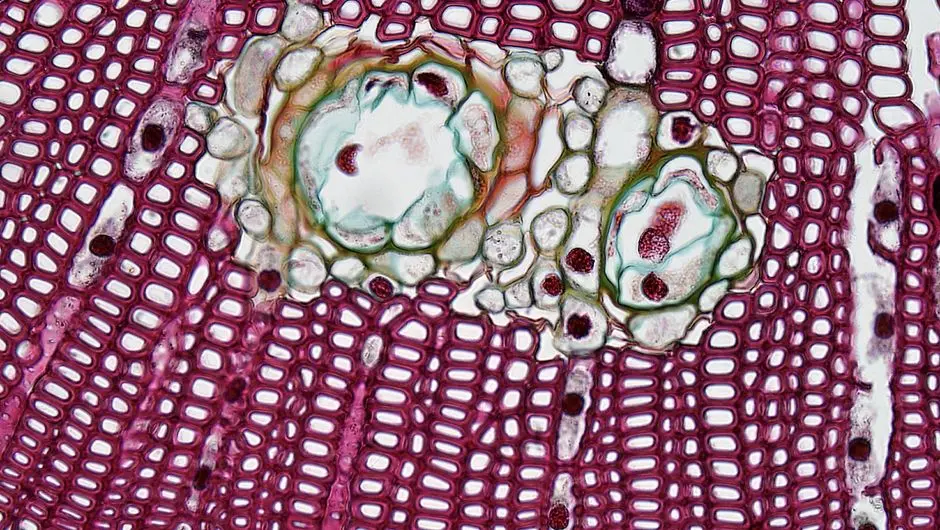
Cellular Architecture: The Universal Language of Life's Machinery
We commence our exploration at the cellular level, the fundamental unit of all life. Grasping the intricacies of cellular architecture is paramount for anyone venturing into bio-inspired design, computational modeling of biological processes, or even targeted drug delivery. We distinguish between prokaryotic cells—simpler, single-celled organisms lacking a nucleus, like bacteria—and eukaryotic cells, found in plants, animals, fungi, and protists, characterized by a membrane-bound nucleus and specialized organelles.
Each organelle within a eukaryotic cell performs a dedicated function, operating as a micro-factory. The mitochondria generate cellular energy (ATP) through respiration, a process critical for understanding metabolic flux in any system. The endoplasmic reticulum (ER) synthesizes and modifies proteins and lipids, while the Golgi apparatus processes and packages them for transport. The nucleus, housing the cell's genetic material, acts as the central command center, dictating cellular activities. Understanding the selective permeability and dynamic nature of the cell membrane is an insider tip for computational modelers; it’s not a static barrier but a fluid mosaic, actively regulating nutrient intake and waste expulsion. We must envision the cell not as a passive bag of chemicals, but as a highly organized, self-regulating system capable of complex decision-making.
Good Practice: When modeling cellular behavior, prioritize the dynamic interactions between organelles and their environment over static representations. Consider how changes in membrane potential or ATP levels ripple through the entire cellular network. These foundational principles of cell biology directly inform fields like synthetic biology, where we engineer new cellular functions, and pharmacology, where we design drugs to modulate specific cellular processes. We decode the cell to build the future.
The Molecular Core: Decoding, Storing, and Expressing Biological Information
Diving deeper, we encounter the molecular bedrock of life: DNA, RNA, and proteins. This triumvirate orchestrates the central dogma of molecular biology: DNA makes RNA, and RNA makes protein. The double-helical structure of DNA, with its precise adenine-thymine and guanine-cytosine base pairing, is life's ultimate data storage system. Its stability and self-repair mechanisms are engineering marvels.
RNA, in its various forms—messenger RNA (mRNA), transfer RNA (tRNA), ribosomal RNA (rRNA)—serves as the critical intermediary, translating the genetic code into functional components. Transcription, the process of synthesizing mRNA from a DNA template, is tightly regulated, ensuring that genes are expressed only when and where needed. Errors here can lead to significant biological consequences. Translation then converts the mRNA sequence into a chain of amino acids, folding into a specific protein with a distinct three-dimensional structure that dictates its function. A slight alteration in this sequence, a mutation, can render a protein non-functional or even harmful. We uncover this intricate process to understand the very language of life.
Key Concept: Gene expression is not a simple ON/OFF switch. It's a highly sophisticated regulatory network involving enhancers, silencers, transcription factors, and epigenetic modifications, all influencing the rate and location of protein synthesis. Understanding these regulatory layers is crucial for bioinformatics, allowing us to predict gene function, identify disease markers, and design targeted genetic therapies. Common Error: Many interdisciplinary researchers underestimate the complexity of gene regulation, assuming a direct, linear relationship between gene presence and protein abundance. In reality, post-transcriptional and post-translational modifications add further layers of control. We must master these nuances to accurately model and manipulate biological systems.
Genetics and Evolution: Shaping Life's Diversity and Adaptation
With a firm grasp on molecular mechanisms, we advance to genetics and heredity, the principles governing how traits are passed from one generation to the next. Genes, specific segments of DNA, are the units of heredity, while alleles represent different versions of a gene, leading to phenotypic variations. We re-examine Mendelian genetics, with its foundational concepts of dominance, recessiveness, and segregation, providing the mathematical framework for predicting inheritance patterns. Yet, life is rarely so simple.
We delve into non-Mendelian inheritance, exploring phenomena like incomplete dominance, codominance, polygenic traits (where multiple genes influence a single trait), and pleiotropy (where one gene affects multiple traits). Crucially, we introduce epigenetics—heritable changes in gene expression that occur without altering the underlying DNA sequence. These modifications (e.g., DNA methylation, histone modification) are vital for understanding how environmental factors can profoundly impact gene activity and disease susceptibility, a goldmine for personalized medicine and environmental health studies. Understanding these variations is pivotal for interpreting biological data in a diverse human population.
This leads us to evolution, the overarching biological framework explaining the diversity and adaptation of life. Natural selection, the differential survival and reproduction of individuals due to phenotypic differences, drives adaptation. We also consider genetic drift, the random fluctuations in gene frequencies, particularly impactful in small populations. Insider Tip: Evolution isn't just a historical process; it's an ongoing force, constantly at play in pathogen resistance, cancer development, and even human adaptation to changing environments. Recognizing evolutionary principles is vital for developing effective long-term strategies in medicine, agriculture, and conservation. We embrace evolution as a dynamic, predictive force.
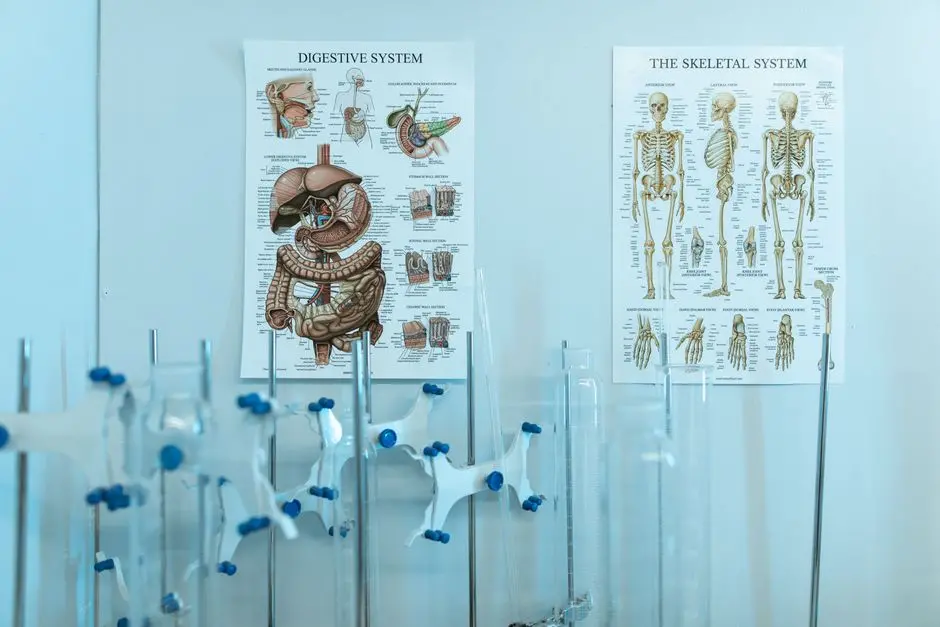
Systems Biology and Computational Integration: Navigating Life's Networks
Finally, we culminate our foundational journey with systems biology, an interdisciplinary field that seeks to understand biological systems as integrated, dynamic networks rather than isolated components. Instead of studying individual genes or proteins in isolation, we analyze their complex interactions—metabolic pathways, signaling cascades, and gene regulatory networks—to uncover emergent properties that cannot be predicted from individual parts alone.
This holistic approach is heavily reliant on 'omics' technologies: genomics (studying entire genomes), proteomics (studying the entire set of proteins), metabolomics (analyzing metabolites), and transcriptomics (studying RNA transcripts). These technologies generate massive datasets, making computational biology, bioinformatics, and artificial intelligence indispensable tools for data interpretation, network reconstruction, and predictive modeling. We leverage these tools to construct comprehensive models of cellular and organismal behavior, moving from description to prediction and ultimately, manipulation.
Common Error: A significant pitfall in interdisciplinary research is underestimating the inherent redundancy and robustness of biological networks. Living systems often have multiple pathways to achieve the same outcome, making them remarkably resilient to single-point failures. Therefore, simplistic 'linear' models often fail to capture this biological reality. Good Practice: When approaching a biological problem from a computational or engineering perspective, always consider the system's dynamic nature, feedback loops, and potential for compensatory mechanisms. We must integrate diverse data types and apply advanced algorithms to unravel these intricate networks, moving beyond reductionism to truly understand life's complexity. We empower data to illuminate biological truths.
Key Takeaways
The Cell: Life's Fundamental Unit
The cell, either prokaryotic or eukaryotic, is the basic building block of life. Its internal structures (organelles) perform specialized functions, from energy production (mitochondria) to protein synthesis (ER, Golgi). Understanding cell dynamics and membrane properties is crucial for bio-engineering and computational modeling.
Molecular Core: DNA, RNA, Proteins
Genetic information flows via the Central Dogma: DNA → RNA → Protein. DNA stores the code; RNA facilitates its expression; proteins perform cellular functions. Gene expression is highly regulated, and errors (mutations) have significant biological consequences, making precise molecular understanding vital for bioinformatics and synthetic biology.
Genetics & Evolution: Inheritance and Adaptation
Genes and alleles govern heredity, with Mendelian principles offering foundational rules. However, non-Mendelian inheritance and epigenetics introduce complexity, highlighting environmental impacts on gene expression. Evolution, driven by natural selection and genetic drift, continuously shapes life and underpins pathogen resistance and adaptation.
Systems Biology: Interconnected Networks
Systems biology views life as integrated networks of interacting components, leveraging 'omics' data (genomics, proteomics) and computational tools. It seeks to understand emergent properties that arise from these interactions, providing a holistic perspective essential for predictive modeling and addressing complex biological challenges with AI.
FAQ
-
Why is foundational biology essential for interdisciplinary research?
Foundational biology provides the core lexicon and principles necessary to understand how living systems operate. Without this base, efforts in fields like AI, engineering, or data science that interact with biological data or systems risk misinterpretation, flawed models, or ineffective solutions. It ensures that technological innovations are biologically sound and relevant.
-
What is the 'Central Dogma' and why is it important?
The 'Central Dogma' describes the flow of genetic information: DNA is transcribed into RNA, which is then translated into protein. It's crucial because it outlines the fundamental mechanism by which genetic instructions are converted into functional biological molecules, governing everything from cell structure to metabolism. Understanding its steps and regulation is key to genetic manipulation and understanding disease.
-
How do epigenetics impact interdisciplinary research?
Epigenetics reveals that gene expression isn't solely determined by DNA sequence but also by modifications that can be influenced by environment and lifestyle. For interdisciplinary research, this means considering dynamic, non-genetic factors when analyzing health data, designing drug therapies, or modeling disease progression, opening new avenues for personalized medicine and environmental studies.
-
What are 'omics' technologies and their role in systems biology?
'Omics' technologies (e.g., genomics, proteomics, metabolomics) are high-throughput methods used to measure and analyze large sets of biological molecules (DNA, proteins, metabolites, respectively). In systems biology, they generate vast datasets that, when integrated and analyzed computationally, allow researchers to build comprehensive models of complex biological networks, revealing emergent properties and informing predictive medicine.