
> Basic Biology Concepts > Introduction to Biological Information Systems > Unravel Biological Information: Store and Process Life's Data
Unravel Biological Information: Store and Process Life's Data
We stand on the precipice of understanding life itself, a journey that inevitably leads us to the heart of biological information systems. How do the intricate machinery of cells and organisms meticulously capture, preserve, and act upon the vast troves of data essential for existence? This isn't merely a theoretical question; it's the bedrock of all physiological processes, from cellular differentiation to the complexities of thought. Failure to grasp these fundamental mechanisms means missing the core principles driving health, disease, and evolution.
Forgeons une compréhension chirurgicale de ces systèmes dynamiques. We will dissect the very molecules that serve as life's memory banks and the elaborate networks that transform raw data into functional outcomes. By mastering these foundational concepts, we unlock insights into genetic engineering, pharmacology, and even artificial intelligence, drawing parallels between silicon and carbon-based computation. This deep dive will illuminate how life manages its most precious resource—information—and prepare us to navigate the intricate currents of
Prepare to optimize your understanding of life's computational marvel, revealing the elegant strategies that have underpinned billions of years of biological success. This comprehensive exploration promises to equip you with the essential knowledge to decipher the language of life itself.
DNA: The Enduring Ledger of Life's Genetic Code
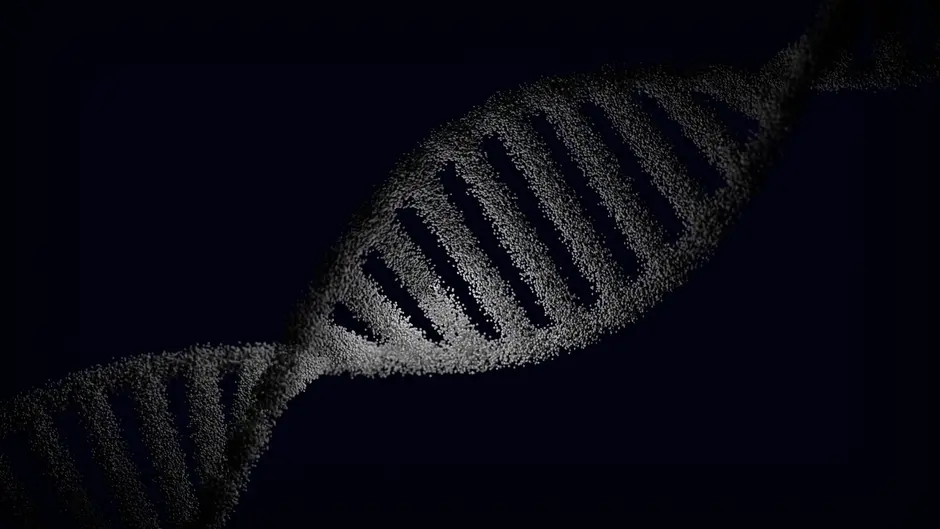
We commence our exploration at the core of information storage: deoxyribonucleic acid, or DNA. This remarkable molecule serves as the primary, long-term genetic ledger for nearly all living organisms. Its double-helical structure, a masterful design, provides both stability and accessibility for information retrieval. Each strand is a polymer of nucleotide units, comprising a deoxyribose sugar, a phosphate group, and one of four nitrogenous bases: adenine (A), guanine (G), cytosine (C), or thymine (T). The genius lies in the specific pairing rules: A always binds with T, and C with G, forming complementary base pairs.
This complementarity is not incidental; it is the fundamental mechanism ensuring accurate replication and stability of the genetic code. The sequence of these bases along the DNA strand constitutes the genetic information – the instructions for building and operating an organism. Genes, specific segments of DNA, encode for proteins or functional RNA molecules, driving cellular processes. We must recognize the sheer density and efficiency of this storage: a single human cell contains approximately three billion base pairs, compactly organized into chromosomes. This vast database dictates everything from eye color to enzyme production, making DNA the ultimate blueprint, safeguarded within the nucleus. The robustness of this system, coupled with intricate repair mechanisms, highlights its critical role in maintaining genetic integrity across generations, minimizing errors that could compromise the organism's viability. This foundational understanding is non-negotiable for grasping biological information systems.
From Blueprint to Action: Transcription, Translation, and Protein Synthesis
While DNA stores the master plan, it's rarely the direct executor. To transition from passive storage to active function, biological systems employ a sophisticated two-step process: transcription and translation. This is the central dogma of molecular biology in action, converting genetic information into the functional workhorses of the cell—proteins. We first encounter transcription, where specific segments of DNA, or genes, are copied into messenger RNA (mRNA) by RNA polymerase. Unlike DNA, RNA is typically single-stranded and contains uracil (U) instead of thymine (T). This mRNA molecule acts as a transient, mobile copy of the genetic instruction, dispatched from the nucleus to the cytoplasm.
Next, translation takes center stage, an intricate process carried out by ribosomes. The mRNA sequence is read in triplets, known as codons, each specifying a particular amino acid. Transfer RNA (tRNA) molecules, acting as adapters, bring the correct amino acids to the ribosome, matching their anticodons to the mRNA codons. These amino acids are then linked together in a specific sequence, forming a polypeptide chain. This chain subsequently folds into a unique three-dimensional structure, becoming a functional protein. Proteins are astonishingly diverse, performing virtually every cellular task: catalyzing reactions (enzymes), providing structural support, transporting molecules, and transmitting signals. The precision of this informational flow, from DNA sequence to protein structure, is paramount. Errors at any stage can lead to dysfunctional proteins, often with severe consequences for cellular health and organismal function. We must appreciate this cascade as the primary mechanism for enacting the stored information.

Dynamic Data Processing: Cellular Signaling and Regulatory Networks
Biological systems do not merely store and express static information; they constantly process dynamic inputs from their internal and external environments. This real-time processing is orchestrated through intricate cellular signaling and regulatory networks. Cells must receive, interpret, and respond appropriately to a myriad of cues, ranging from nutrient availability and hormone levels to pathogen presence and mechanical stress. This dynamic information flow ensures adaptability and survival. The process typically begins with a signal molecule (ligand) binding to a specific receptor, often located on the cell surface or within the cytoplasm. This binding event triggers a cascade of intracellular events, known as signal transduction pathways.
These pathways often involve a series of molecular relays, where one molecule activates the next, amplifying the signal and leading to a specific cellular response. Key players include secondary messengers (e.g., cAMP, calcium ions) and protein kinases, which phosphorylate and thereby activate or deactivate other proteins. A crucial aspect of this processing is gene regulation, where signals can ultimately influence which genes are transcribed into mRNA and subsequently translated into proteins. This allows cells to dynamically adjust their protein repertoire in response to changing conditions, a fundamental mechanism for differentiation and adaptation. Moreover, these networks frequently incorporate feedback loops – both positive and negative – to fine-tune responses, ensuring stability and preventing over- or under-stimulation. Understanding these complex, interconnected webs is vital, as dysregulation often underlies diseases like cancer and autoimmune disorders. We forge this knowledge to grasp the true plasticity of biological information processing.
Beyond the Cell: Systemic Information Processing in Multicellular Organisms
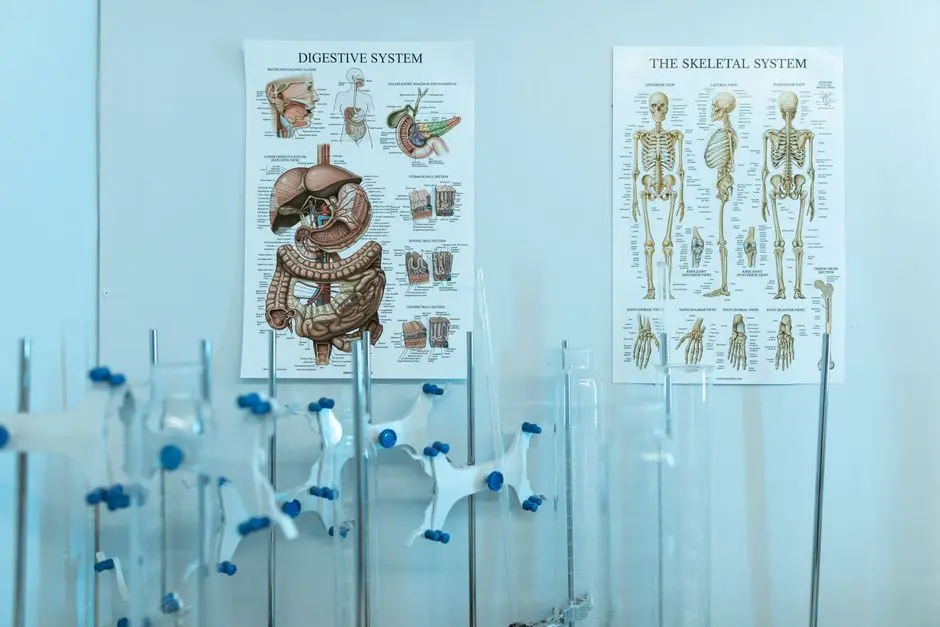
The principles of information storage and processing extend far beyond the individual cell, culminating in the complex, integrated systems of multicellular organisms. Here, specialized cells and organs collaborate to manage vast amounts of data, enabling sophisticated behaviors, coordination, and adaptation. The most celebrated example is the nervous system, a high-speed communication network composed of billions of neurons. These cells transmit electrical signals (action potentials) and chemical signals (neurotransmitters) across synapses, forming intricate circuits. This network allows for rapid information processing, perception of the environment, motor control, learning, and memory – emergent properties of complex information processing.
Equally critical is the endocrine system, which utilizes hormones as chemical messengers transported through the bloodstream. Hormones provide slower, but often more widespread and prolonged, signals that regulate processes such as metabolism, growth, and reproduction. The immune system also exemplifies information processing, capable of recognizing and remembering millions of specific pathogens. It distinguishes 'self' from 'non-self' and mounts targeted responses, an astounding feat of molecular pattern recognition and cellular coordination. Each of these systems demonstrates how biological information, whether genetic, electrical, or chemical, is meticulously collected, interpreted, and acted upon to maintain homeostasis and ensure the organism's survival and reproduction. We must view these systems not as isolated entities, but as interconnected information hubs, constantly exchanging and integrating data to orchestrate the symphony of life. Optimizing our perspective on these macroscopic systems unlocks insights into whole-organism physiology and disease.
The Evolution of Information: Mutations, Variation, and Adaptation
No discussion of biological information is complete without addressing its dynamic nature over evolutionary timescales. While precision is paramount, biological systems also embrace a certain degree of imperfection, which paradoxically drives long-term adaptation. Mutations, or changes in the DNA sequence, are the ultimate source of all genetic variation. These can arise from errors during DNA replication, exposure to mutagens, or spontaneous chemical changes. While many mutations are neutral or deleterious, a small fraction proves beneficial, providing new raw material for natural selection.
The interplay between stability and change is crucial. Cells possess sophisticated DNA repair mechanisms to correct most errors, maintaining genetic fidelity. However, those mutations that escape repair and are passed on to offspring contribute to the genetic diversity within a population. Natural selection then acts upon this variation, favoring individuals with traits that enhance survival and reproduction in a given environment. Over generations, the accumulation of beneficial mutations leads to evolutionary change and adaptation, allowing species to thrive in diverse and changing conditions. This highlights a fundamental truth: biological information is not static, but a constantly evolving dataset. The capacity for controlled variability, coupled with selection pressures, enables life to innovate and persist. We recognize that the very 'errors' in information transmission, when properly managed, are the engines of progress, demonstrating that life's information systems are not merely perfect replicas, but robust, adaptive, and inherently evolutionary. This perspective unveils the deep time dynamics embedded within biological data management.
Key Takeaways
DNA: The Core Repository
DNA acts as the stable, long-term genetic blueprint, storing hereditary information via its nucleotide sequence (A, T, C, G). Its double helix structure ensures stability and accurate replication through complementary base pairing, crucial for maintaining genetic integrity across generations.
Information Flow: Transcription & Translation
Genetic information flows from DNA to functional proteins via transcription (DNA to mRNA) and translation (mRNA to protein). mRNA serves as a temporary copy, carrying instructions to ribosomes where codons are translated into specific amino acid sequences, forming proteins that execute all cellular tasks.
Dynamic Cellular Processing
Cells continuously process dynamic information through signaling and regulatory networks. Receptors detect signals, triggering cascades (signal transduction pathways) that lead to specific cellular responses, including gene regulation. Feedback loops fine-tune these responses for adaptability and homeostasis.
Systemic Integration of Information
In multicellular organisms, specialized systems like the nervous (electrical signals), endocrine (hormonal signals), and immune (molecular recognition) systems integrate vast amounts of information. This enables complex behaviors, coordinated physiological responses, learning, and overall organismal survival.
Evolutionary Adaptability through Variation
Mutations in DNA introduce genetic variation, the raw material for evolution. While DNA repair mechanisms maintain fidelity, beneficial mutations, selected by natural selection, drive adaptation and species evolution. Biological information systems are thus robust, adaptive, and inherently dynamic.
FAQ
-
What fundamental properties make DNA an ideal molecule for storing biological information?
DNA is exceptionally suited for information storage due to several key properties: its double-helical structure provides stability and protection for the nucleotide sequence; the complementary base pairing (A-T, C-G) ensures accurate replication and repair, maintaining fidelity; its polymeric nature allows for virtually infinite sequence variations, encoding vast amounts of data; and its chemical stability means the information remains intact across generations. Furthermore, its ability to coil and condense into chromosomes allows for efficient packaging within the cell nucleus.
-
How do cells ensure the correct processing and flow of genetic information from DNA to functional proteins?
Cells employ multiple layers of quality control. During DNA replication, proofreading enzymes correct most errors. In transcription, RNA polymerase has some proofreading activity, and mRNA undergoes processing (splicing, capping, tailing) that regulates its stability and transport. During translation, the genetic code's redundancy (multiple codons for one amino acid) offers some error tolerance. Ribosomes and associated factors ensure accurate codon-anticodon matching. Furthermore, proteins often undergo post-translational modifications and quality control mechanisms (e.g., chaperones for proper folding, proteasomes for degrading misfolded proteins) to ensure functionality and prevent aggregation.
-
Can biological information be lost or corrupted, and what are the consequences?
Yes, biological information can be lost or corrupted through mutations (changes in DNA sequence), which can arise spontaneously or be induced by environmental factors (e.g., UV radiation, chemical mutagens). Consequences range widely: silent mutations may have no effect due to genetic code redundancy; missense mutations can change a single amino acid, potentially altering protein function; nonsense mutations can introduce premature stop codons, leading to truncated, non-functional proteins. Larger errors like chromosomal rearrangements can delete, duplicate, or invert large sections of genetic material. Such corruption can lead to genetic disorders, developmental abnormalities, cancer, or even cell death, demonstrating the critical importance of maintaining informational integrity.
-
How do different cells within the same organism access and utilize specific portions of the vast genetic information?
Despite all somatic cells containing nearly identical DNA, they differentiate and perform specialized functions through differential gene expression. This means that only a specific subset of genes is active (transcribed and translated) in any given cell type at any given time. This exquisite control is achieved through complex regulatory mechanisms: epigenetic modifications (e.g., DNA methylation, histone modification) can alter chromatin structure to make genes more or less accessible; transcription factors bind to specific DNA sequences to activate or repress gene transcription; and various post-transcriptional and post-translational controls fine-tune protein production and activity. This selective access ensures that a liver cell functions as a liver cell, and a neuron as a neuron, despite sharing the same genetic blueprint.